Some of the world's most important economic stories begin not in financial centers but along strategic waterways. The Strait of Hormuz, a relatively narrow passage connecting the Persian Gulf to international markets, has once again become the focus of global attention as geopolitical tensions contribute to rising oil prices.
Recent developments in the Middle East have increased concerns about the security of maritime traffic through the strait. Because a significant portion of the world's oil exports passes through this route, any threat to its stability quickly attracts attention from governments, businesses, and investors worldwide.
Energy markets responded rapidly to the latest uncertainty. Oil prices climbed as traders evaluated potential risks to supply chains. While physical disruptions remain limited, markets often react not only to current conditions but also to future possibilities and perceived vulnerabilities.
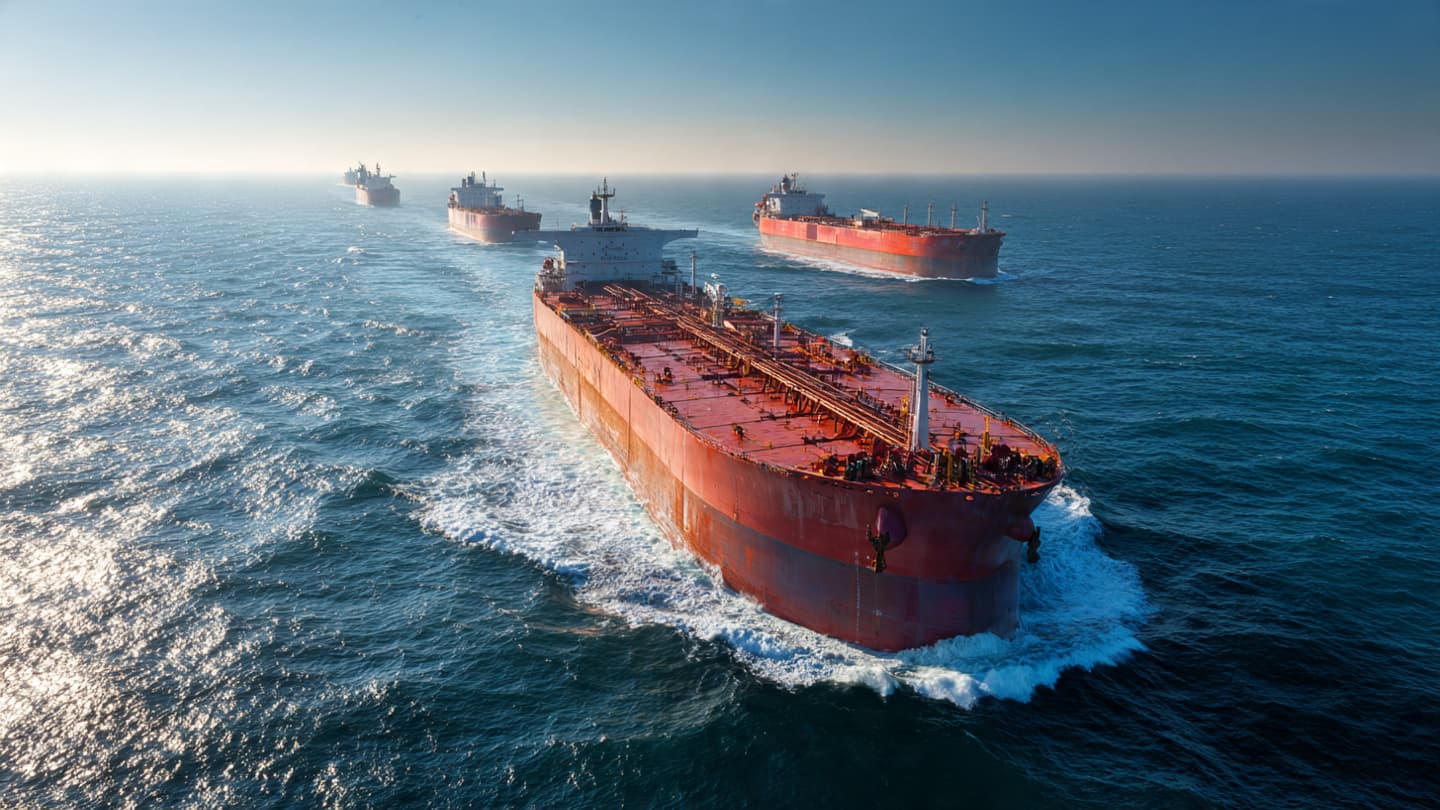
The importance of the Strait of Hormuz extends far beyond the region itself. Countries across Asia, Europe, and other parts of the world depend on energy shipments that transit through the waterway. As a result, developments there can influence transportation costs, industrial production, and consumer prices globally.
Economists note that energy markets are particularly sensitive to geopolitical events. Even relatively brief periods of uncertainty can affect investment decisions and business planning. Companies that rely heavily on fuel costs often pay close attention to changes in market expectations.
Governments are also monitoring the situation carefully. Strategic petroleum reserves, alternative supply routes, and international maritime security measures are among the tools available to help manage potential disruptions. Policymakers remain focused on maintaining stability in global energy flows.
Beyond immediate price movements, the situation has renewed discussions about energy diversification. Many countries continue investing in renewable energy, alternative fuels, and infrastructure projects designed to reduce dependence on vulnerable supply routes.
Consumers may eventually notice the effects through fuel prices and transportation costs. However, the extent of any impact will depend on how events develop in the coming weeks and whether supply chains continue operating normally.
For now, global markets remain attentive to developments in the Gulf region. The Strait of Hormuz continues to demonstrate how a relatively small geographic corridor can exert a significant influence on the broader international economy.
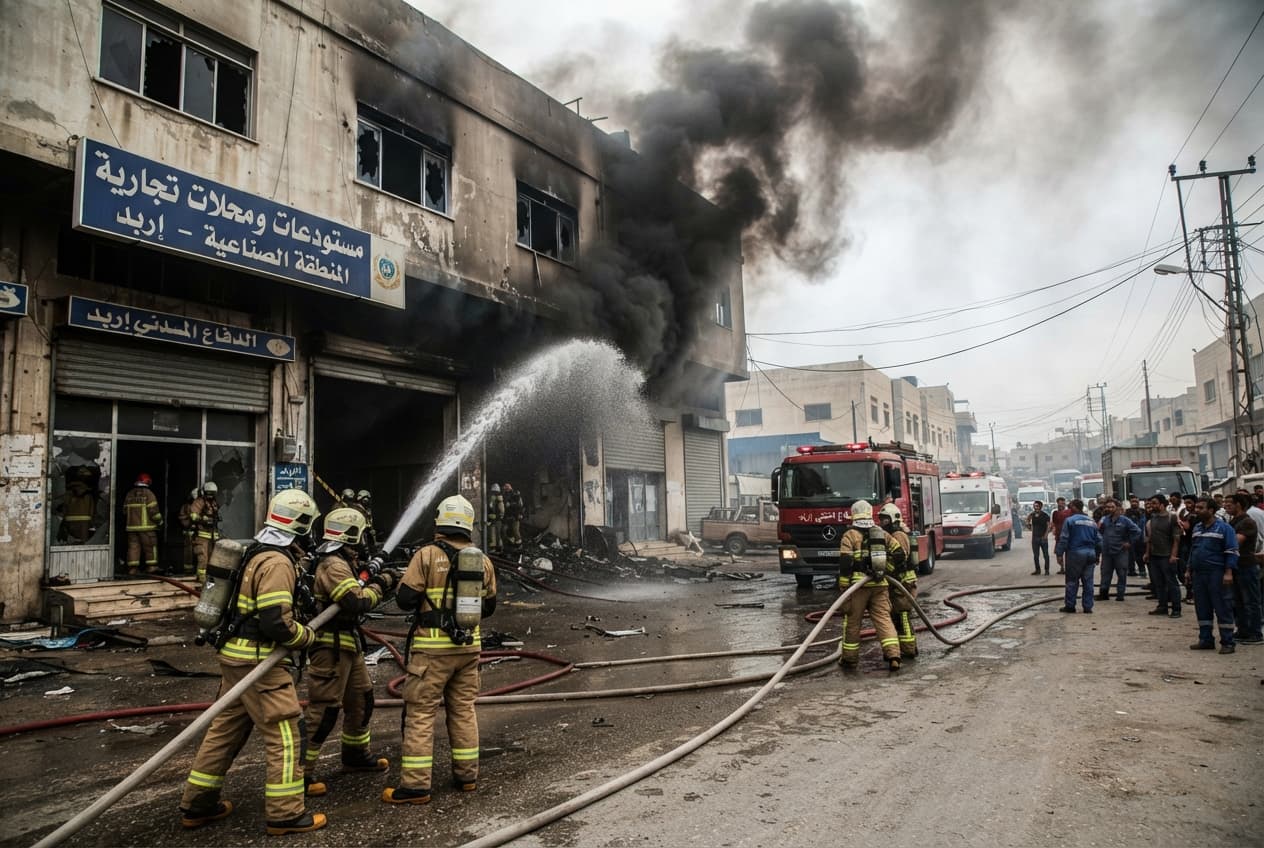
AI Image Disclaimer: Visual elements accompanying this article were generated using AI technology to illustrate the topic and are not actual photographs of reported events.
Sources Verified Reuters, Bloomberg, Associated Press, Financial Times, CNBC
Published by Banx Network. This article is part of the Banx decentralized media programme, powered by the BXE token on the XRP Ledger.