The ocean rarely speaks in words, yet it continuously provides signals about the state of the planet. Through currents, temperatures, sea levels, and atmospheric interactions, the world's oceans offer essential information that helps scientists understand weather, climate, and environmental change. Recent concerns have emerged among researchers regarding proposed reductions to parts of the United States' ocean monitoring systems.
Ocean observation networks consist of satellites, floating buoys, underwater sensors, research vessels, and coastal monitoring stations. Together, these systems collect data used by scientists, meteorologists, and policymakers around the world. The information supports everything from daily weather forecasts to long-term climate assessments.
Researchers argue that reducing monitoring capacity could limit the ability to detect important changes in ocean conditions. Accurate forecasting often depends on consistent streams of high-quality data gathered over long periods. Interruptions can make it more difficult to identify trends and improve predictive models.
The ocean plays a central role in regulating Earth's climate. It absorbs heat, stores carbon, and influences weather systems that affect billions of people. Understanding these processes requires ongoing observation and scientific analysis.
Forecasting phenomena such as hurricanes, El Niño events, and marine heatwaves often depends on data collected through ocean monitoring networks. Scientists note that maintaining these systems contributes directly to public safety and disaster preparedness.
Beyond climate science, ocean observations support fisheries management, maritime transportation, environmental conservation, and national security operations. Many industries rely on accurate marine information to make informed decisions.
The debate also reflects broader questions about scientific infrastructure. While observation systems may operate largely out of public view, they form part of the foundation upon which research and forecasting capabilities are built.
Supporters of continued investment emphasize that environmental monitoring often delivers benefits that exceed its costs. Improved forecasts can reduce economic losses from natural disasters and help communities prepare more effectively for changing conditions.
As discussions continue, scientists stress the importance of maintaining long-term data collection efforts. In a world facing increasingly complex environmental challenges, understanding the oceans remains a critical component of informed decision-making.
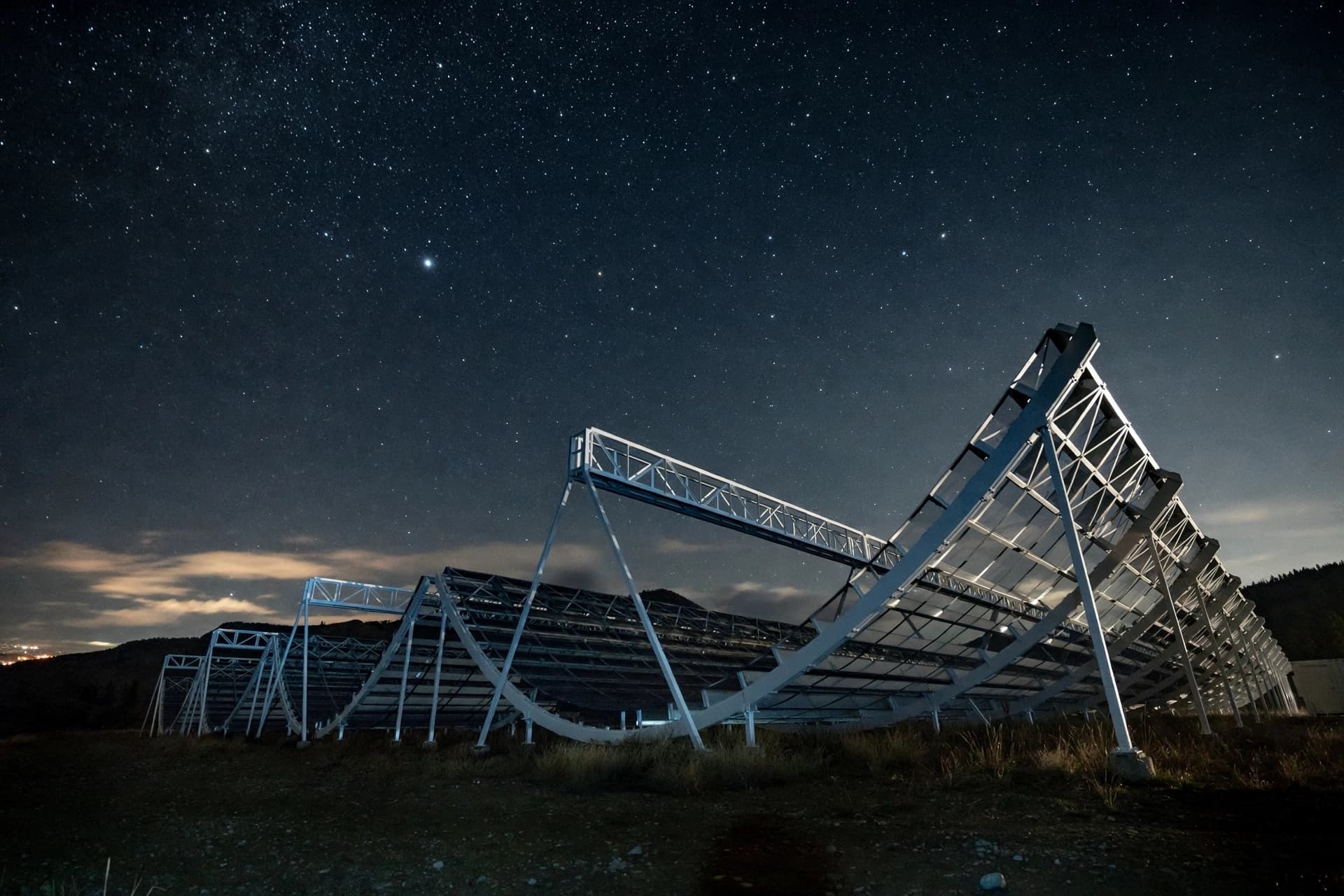
AI Image Disclaimer: This article contains an AI-generated illustration intended to depict scientific ocean observation and environmental monitoring activities.
Sources Verified The Guardian, Reuters, NOAA, National Oceanography Centre, Associated Press
Published by Banx Network. This article is part of the Banx decentralized media programme, powered by the BXE token on the XRP Ledger.