
Key Highlights
- Sustainable architecture is increasingly prioritized in modern design.
- Energy-efficient technologies are being integrated into new buildings.
- Research is ongoing to develop innovative materials for construction.
[The Rise of Sustainable Architecture]
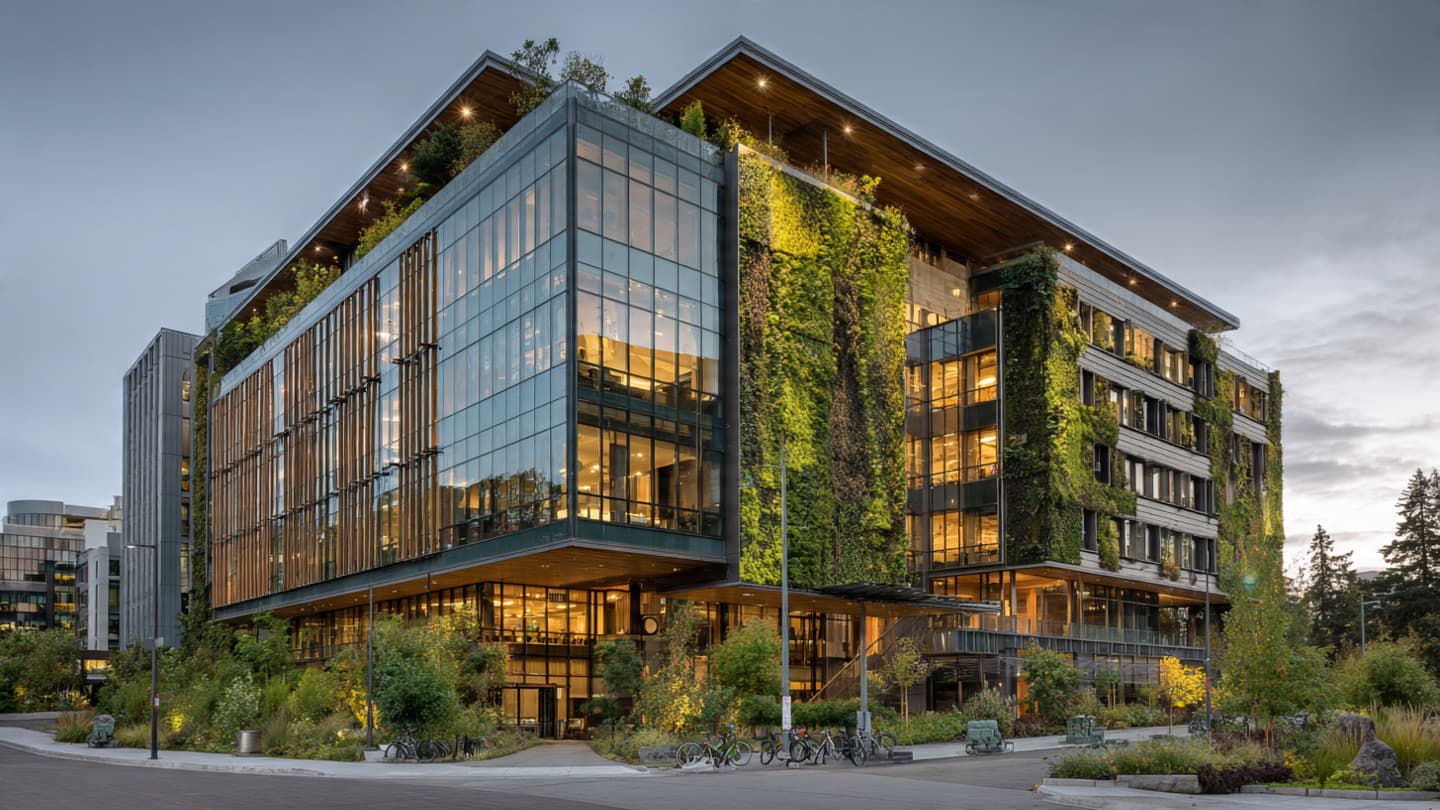
Buildings have always reflected the priorities of their time. From historic landmarks to modern skyscrapers, architecture often reveals how societies balance function, innovation, and ambition. Today, a growing emphasis on sustainability is influencing how new buildings are designed, constructed, and operated across the United States. This shift is not merely a trend but a fundamental change in how we approach the built environment, aiming for a balance between human needs and ecological responsibility.
[Incorporating Energy Efficiency]
Developers are increasingly incorporating energy-efficient technologies into both commercial and residential projects. Advanced insulation systems, smart energy management platforms, and efficient lighting solutions are helping reduce resource consumption while improving performance. These technologies not only lower energy bills but also contribute to a significant reduction in carbon footprints, aligning with broader environmental goals.
[Broader Sustainability Goals]
Sustainability goals extend beyond energy use alone. Modern green building strategies frequently address water conservation, indoor environmental quality, and material selection. The objective is to create structures that support both human well-being and environmental responsibility. For instance, the use of sustainable materials can minimize waste and promote recycling, while water-efficient fixtures can significantly reduce consumption in buildings.
[The Role of Technology]
Technology continues to accelerate progress in sustainable architecture. Smart building systems can monitor and optimize operations in real time, helping facility managers improve efficiency while reducing waste. Data-driven decision-making is becoming an increasingly important component of property management, allowing for adjustments that enhance both performance and sustainability.
[Corporate Interest in Sustainability]
Businesses are showing strong interest in sustainable facilities. Many organizations view environmentally responsible buildings as part of broader corporate strategies focused on operational efficiency and long-term resilience. This shift is not only beneficial for the environment but also enhances corporate image and can lead to cost savings in the long run.
[The Future of Urban Development]
As cities and communities continue growing, green buildings are emerging as an important part of long-term planning. The structures being developed today may help shape healthier, more efficient, and more sustainable urban environments for decades to come. Financial institutions and investors are also paying close attention, as sustainable construction projects frequently attract interest from stakeholders seeking opportunities aligned with evolving environmental and economic priorities.
[Innovations in Materials and Methods]
Researchers continue exploring new materials and construction methods capable of improving performance while minimizing environmental impact. Innovations such as recycled materials, modular construction, and biophilic design principles are central to the sector's future development. These advancements not only enhance the sustainability of buildings but also contribute to creating spaces that work harmoniously with nature.
Published by Banx Network. This article is part of the Banx decentralized media programme, powered by the BXE token on the XRP Ledger.



