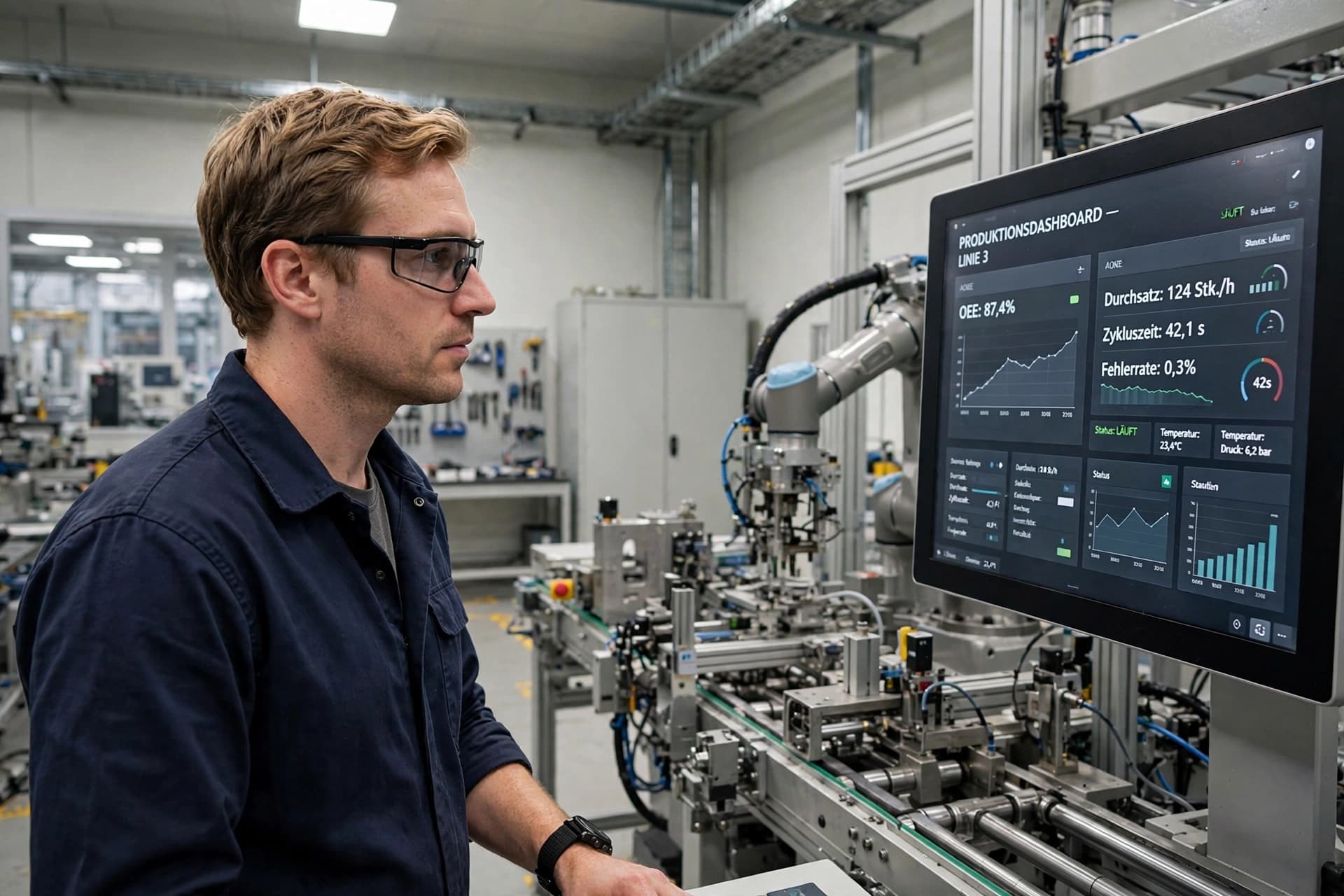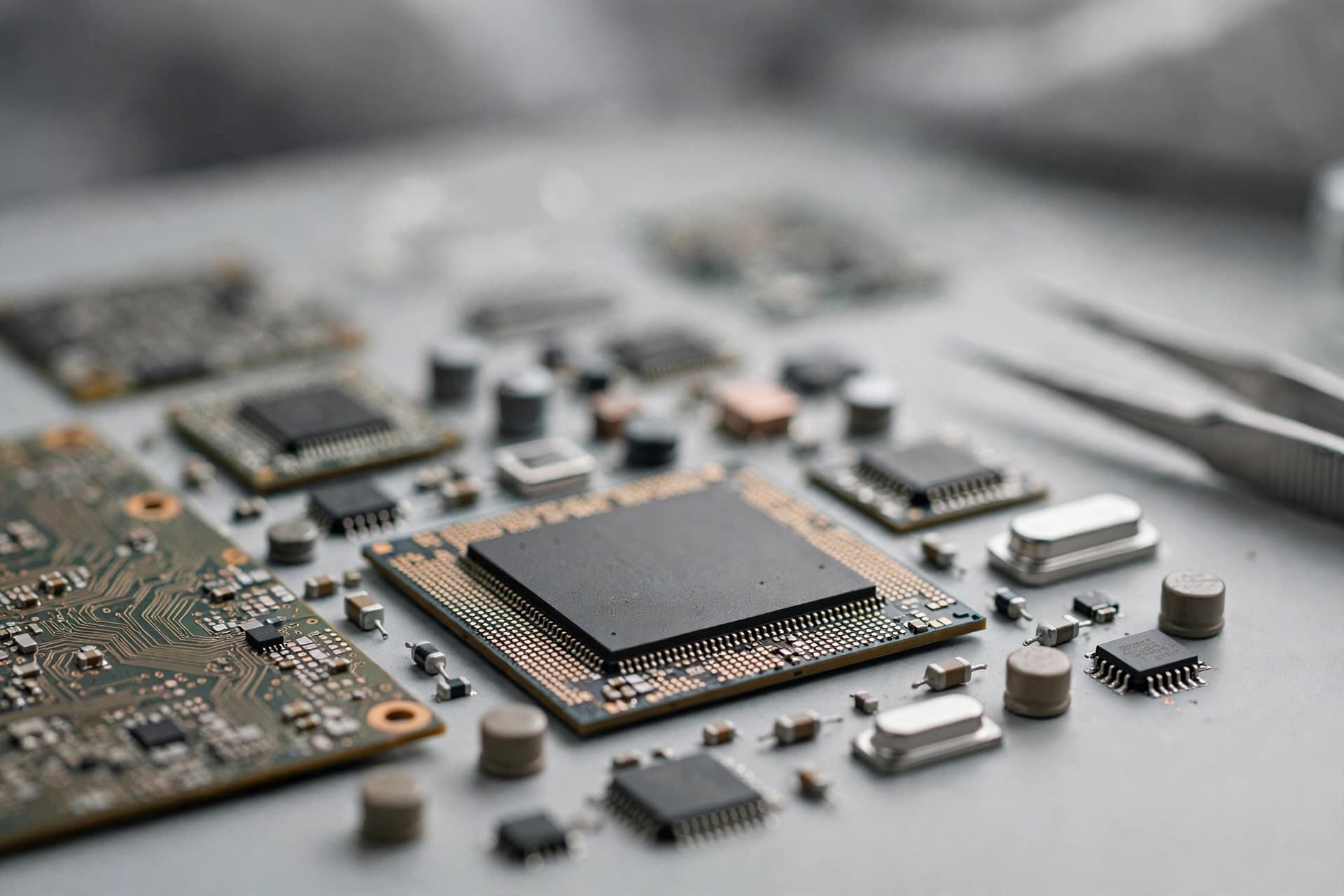
Much of the artificial intelligence boom takes place out of sight. People encounter it through chatbots, digital assistants and software tools, while the infrastructure that makes those services possible operates inside data centers filled with processors, memory systems and specialized equipment. For semiconductor manufacturers, that infrastructure has become an increasingly important source of demand.
Samsung Electronics offered a striking indication of the trend on October 7, forecasting third-quarter operating profit of 107.4 trillion won, equivalent to approximately $80.17 billion. Reuters reported that the projected result would represent nearly nine times the company's operating profit in the same period a year earlier and would be the highest quarterly profit reported by any technology company if confirmed.
The forecast reflected the rapid expansion of demand for memory chips used in artificial intelligence systems. Training and running advanced AI models require substantial computing resources, and the systems supporting them need memory capable of transferring large amounts of information quickly. This has increased attention on high-bandwidth memory, commonly known as HBM, a specialized product used alongside advanced processors.
As technology companies build and expand data centers, competition for suitable chips can intensify. When demand grows faster than available supply, prices may rise and manufacturers with the right products can benefit. Samsung's outlook showed how the investment decisions of cloud providers and AI developers can reach deep into the semiconductor supply chain, affecting companies that many consumers rarely think about directly.
The opportunity, however, has not been evenly distributed across Samsung's business. Reuters reported that the company's mobile division faced losses exceeding $1 billion as rising component costs weighed on smartphones and other consumer electronics. Samsung's foundry business, which manufactures chips for customers, also remained in the red. The contrast illustrates how a powerful growth market can support one part of a technology company while placing pressure on another.
Memory-chip prices have become a particularly important factor. When manufacturers face a shortage of certain types of memory, prices can climb quickly. That can improve profitability for suppliers, but it may also increase costs for companies making smartphones, computers and other electronic products. The eventual effect on consumers depends on competition, product design, inventory levels and whether manufacturers absorb the higher costs or pass some of them along.
Investors nevertheless have reason to look beyond a single strong quarter. Semiconductor manufacturing requires substantial capital investment, technical expertise and careful planning. Companies must decide how much capacity to build while considering the possibility that demand could slow, competitors could expand production or customers could change their spending plans. A record profit forecast can signal strong current conditions without guaranteeing that the same pace will continue.
Samsung's shares reportedly slipped slightly despite the optimistic forecast, reflecting concerns about the sustainability of the AI-driven boom and the possibility of more moderate growth in subsequent quarters. Market reactions can appear counterintuitive when investors focus not only on present results but also on whether those results exceed expectations and how long the underlying demand might last.
The broader industry now faces a delicate balance. AI developers need more computing power, semiconductor producers must keep improving performance and efficiency, and businesses purchasing the technology need to justify their investments. Each group depends on the others, creating a cycle in which infrastructure spending supports chip demand while the cost and availability of chips influence future expansion.
Samsung's forecast captures a moment when memory technology has moved closer to the center of the AI economy. The next question is whether strong demand can be sustained without creating excess capacity or costs that slow investment. For now, the figures point to a powerful market opportunity, but the durability of that opportunity will depend on what businesses build, what customers use and how efficiently the industry responds.
### SEO Slug
`samsung-record-profit-ai-memory-chip-demand`
### Hashtags
#Samsung #ArtificialIntelligence #Semiconductors #MemoryChips #TechnologyBusiness #DataCenters #TechIndustry #BusinessNews
### Image Disclaimer
AI-generated images are used to illustrate semiconductor manufacturing and computing infrastructure. They are not photographs of Samsung facilities or actual company operations.
### Sources
\- Reuters
Published by Banx Network. This article is part of the Banx decentralized media programme, powered by the BXE token on the XRP Ledger.


.jpg&w=3840&q=75 "The Artemis Revolution: How NASA Plans to Build Humanity's Future on the Moon")