
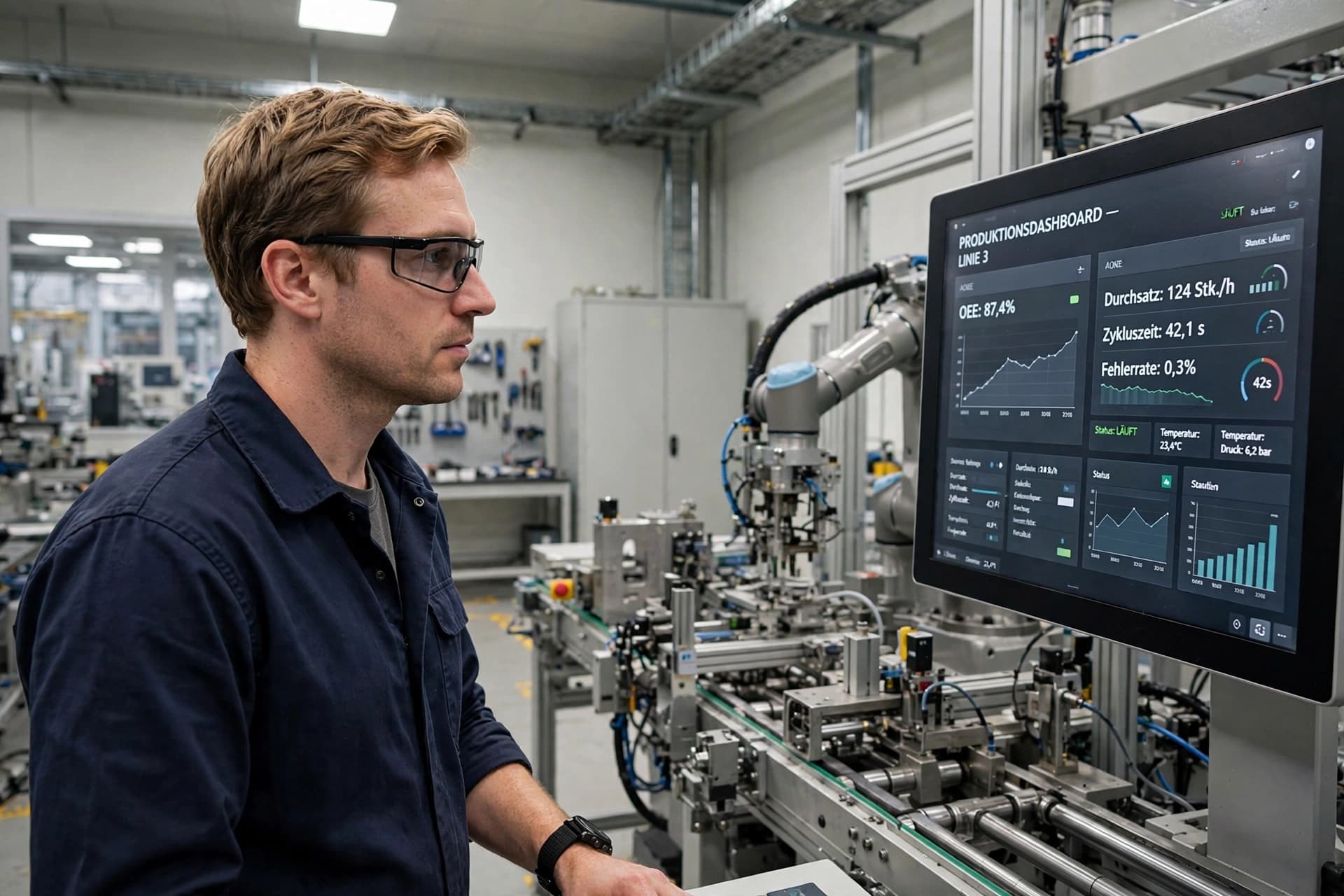
A Reuters report published on October 6 described an unprecedented boom in German startup formation, led in significant part by AI-focused businesses. The expansion comes at a complicated moment for the country's economy. Germany's industrial base, long central to its prosperity, has been under pressure, creating a contrast between established companies facing difficult conditions and younger firms exploring emerging technologies.
The figures point to the scale of this movement. More than 3,000 startups were founded in Germany during the first half of 2026, a record for a six-month period. The total represented a 52% increase over the second half of 2025, according to the report. Around one-third of the newly established companies were focused on artificial intelligence, suggesting that the technology is becoming a significant part of the country's entrepreneurial landscape.
Several forces appear to be contributing to the change. AI tools can allow some businesses to develop products with smaller teams and lower initial costs than might previously have been required. At the same time, growing interest in the technology has encouraged investors and founders to search for opportunities in software, automation, and specialized digital services.
Economic uncertainty has also altered the choices facing skilled workers. When established industries slow hiring or reconsider their operations, some people begin looking beyond traditional career paths. Starting a company remains a difficult undertaking, but the possibility of building a technology business can become more attractive when familiar employment routes appear less secure.
Germany's industrial structure may offer these startups an advantage. The country has deep experience in manufacturing, mobility, energy, and engineering. Young technology companies can seek customers among established businesses that understand their own operational problems and may be willing to test tools that improve efficiency. This connection between new ventures and existing industry could help turn technical ideas into practical products.
Still, a rise in company formation does not guarantee long-term success. Startups must find paying customers, build dependable products, manage cash flow, and compete with companies that may have far greater resources. AI is also an increasingly crowded field, where rapid advances can make today's promising product less distinctive tomorrow. The number of new businesses is therefore only one measure of the sector's health.
Access to capital remains another challenge. Reuters reported that Germany's AI investment total was far below that of the United States, highlighting the difficulty of competing with larger technology ecosystems. A country can produce capable founders and promising research, but sustaining their companies may require deeper funding markets, experienced investors, and a clearer route from early experiments to international growth.
The German government has also introduced measures intended to support startups and scaleups, including proposals to reduce administrative barriers and encourage private investment. Such policies may help, although their impact will depend on how effectively they are implemented and whether companies experience a real improvement in the conditions for building and expanding a business.
The emerging startup wave does not mean that Germany's industrial challenges have disappeared. Instead, it offers one possible response to them. If young companies can connect AI with the practical needs of factories, transport networks, energy providers, and other businesses, their work may help modernize parts of the economy. The longer story will be written not only in the number of startups founded, but in which ones survive, create useful technology, and turn early promise into lasting value.
### AI Image Disclaimer
The accompanying AI-generated images are illustrative visualizations of Germany’s technology and startup environment and are not photographs of specific companies or events.
### Sources
Reuters Germany Trade & Invest German Startup Association Startupdetector
Published by Banx Network. This article is part of the Banx decentralized media programme, powered by the BXE token on the XRP Ledger.



.jpg&w=3840&q=75 "The Artemis Revolution: How NASA Plans to Build Humanity's Future on the Moon")