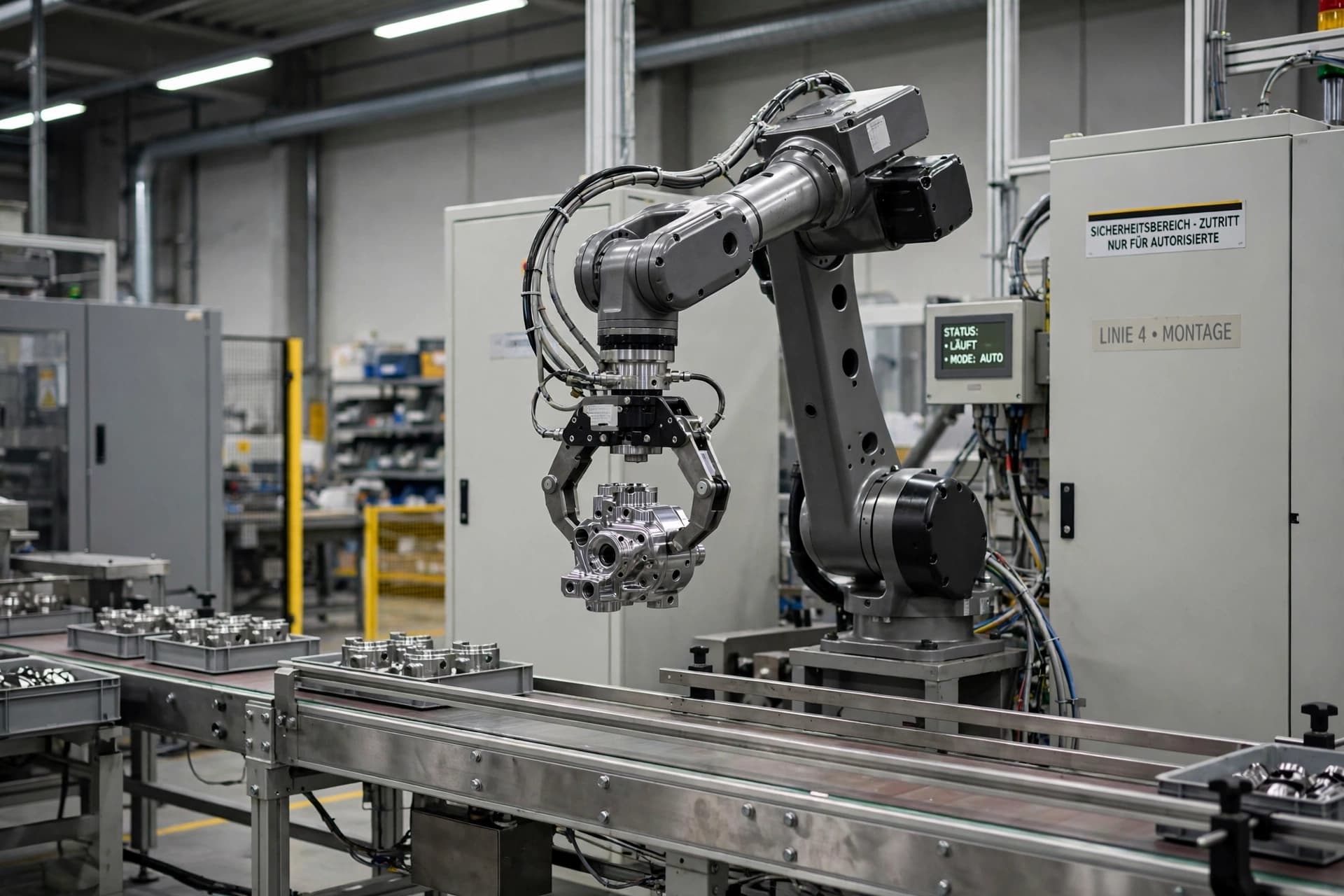
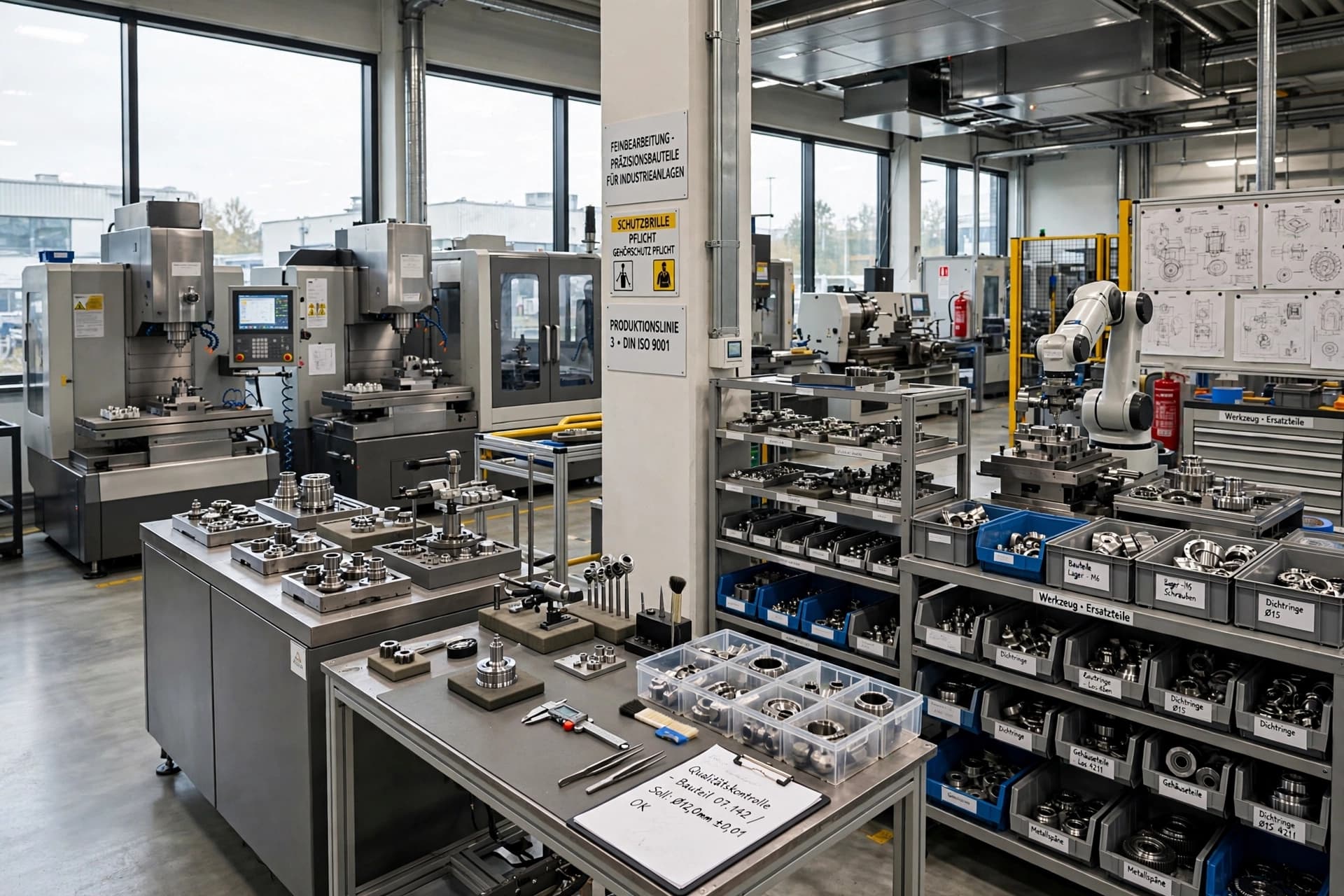
Artificial intelligence is becoming part of the economic landscape in ways that extend far beyond the screens where people interact with it. Behind each digital assistant, automated service or data-analysis tool lies an expanding network of processors, data centers, electricity systems and skilled workers. Investment in that infrastructure is now helping support global economic activity, even as questions grow about how widely the benefits will be shared.
At the start of the International Monetary Fund and World Bank meetings in Bangkok on October 12, IMF Managing Director Kristalina Georgieva said investment in artificial intelligence was helping maintain global economic growth at around 3%. Reuters reported that the technology boom was creating a significant source of demand, particularly for Asian economies supplying hardware and related equipment.
The immediate economic effect is visible in the money businesses are committing to computing infrastructure. Technology companies are investing in servers, advanced chips, networking equipment and facilities capable of supporting increasingly demanding AI systems. Those purchases create work for manufacturers, construction firms, electricity providers and specialist service companies, spreading investment beyond the companies developing the software itself.
Asia is particularly well placed to benefit from some parts of this expansion. The region contains important manufacturers of semiconductors, electronic components and other hardware needed by data centers. When technology companies expand their infrastructure, demand can flow through regional supply chains, supporting production and trade. The scale of the benefit, however, depends on which products a country supplies and how much domestic value its industries capture.
The IMF suggested that the AI boom could raise growth in advanced Asian economies by as much as one percentage point and in emerging Asian economies by up to 0.8 percentage points under the scenarios discussed. Those estimates indicate the potential importance of the investment cycle, but they are not guarantees for individual countries. Actual outcomes will depend on domestic capabilities, infrastructure, workforce skills and the ability of businesses to turn investment into lasting productivity gains.
The technology also presents a more complicated picture for employment. Georgieva warned that AI could affect a substantial share of jobs worldwide, with the IMF estimating that around 40% of jobs could be altered or eliminated by the technology. The figure refers to potential exposure rather than a prediction that all those positions will disappear. In many occupations, AI may change individual tasks instead of replacing entire jobs.
For workers, that distinction matters. Some tasks may become faster or less repetitive, allowing employees to focus on responsibilities that require judgment, communication or practical experience. Other positions may face reduced demand as businesses automate parts of their operations. Young workers entering the labour market could face particular challenges if companies reduce the number of routine entry-level roles that traditionally provide experience and training.
The potential benefits also depend on whether smaller firms and developing economies can access the technology. Large companies may have the money, data and technical staff required to deploy advanced systems, while smaller businesses may struggle with costs, connectivity or a shortage of expertise. If adoption remains concentrated among already productive firms, AI could widen existing differences rather than lift the economy evenly.
Energy and infrastructure create additional limits. Data centers require reliable electricity, cooling systems and high-capacity networks. Countries seeking to attract investment must consider whether their power supply, land, water resources and digital infrastructure can support expansion without placing excessive pressure on other users. Investment in AI is therefore connected to decisions about energy planning, education and long-term industrial development.
The IMF’s message was not simply that AI spending is good for growth. It was that the technology could become a major economic force while introducing new risks for employment, productivity and inequality. Governments and businesses will need to support training, encourage responsible adoption and make it easier for smaller firms to participate. The challenge is to translate investment into improvements in everyday work rather than treating spending alone as proof of progress.
The global AI boom is still developing, and its eventual impact will depend on what organisations do with the tools they are building. More computing power can create opportunities, but lasting economic gains require people who can use it effectively and institutions prepared to manage change. For the world economy, the next chapter will be measured not only by the size of data centers, but by whether their capabilities help more businesses, workers and communities thrive.
### SEO Slug
`imf-artificial-intelligence-investment-global-economic-growth`
### Hashtags
#ArtificialIntelligence #IMF #GlobalEconomy #AITechnology #DigitalTransformation #EconomicGrowth #FutureOfWork #TechnologyBusiness
### Image Disclaimer
The images are AI-generated illustrations intended to represent general AI infrastructure and workplace technology. They are not photographs of the IMF meetings or specific companies mentioned in the report.
### Sources
• Reuters
• International Monetary Fund
• World Bank
Published by Banx Network. This article is part of the Banx decentralized media programme, powered by the BXE token on the XRP Ledger.