Echoes from Interstellar Space: The Voyager Saga
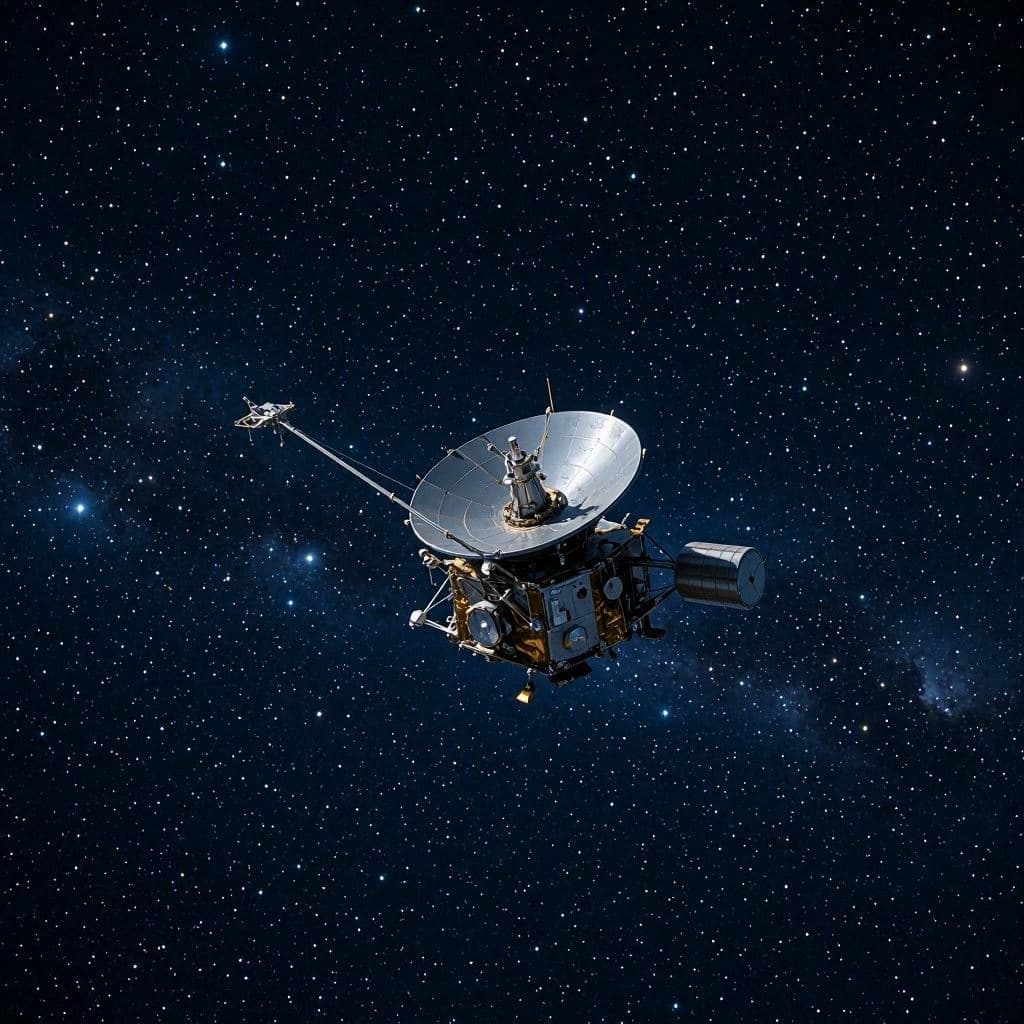
NASA is testing a power-saving fix on Voyager 1, similar to the one that helped Voyager 2, as the older probe struggles with limited instrument functionality and unique behavioral quirks.

NASA is testing a power-saving fix on Voyager 1, similar to the one that helped Voyager 2, as the older probe struggles with limited instrument functionality and unique behavioral quirks.

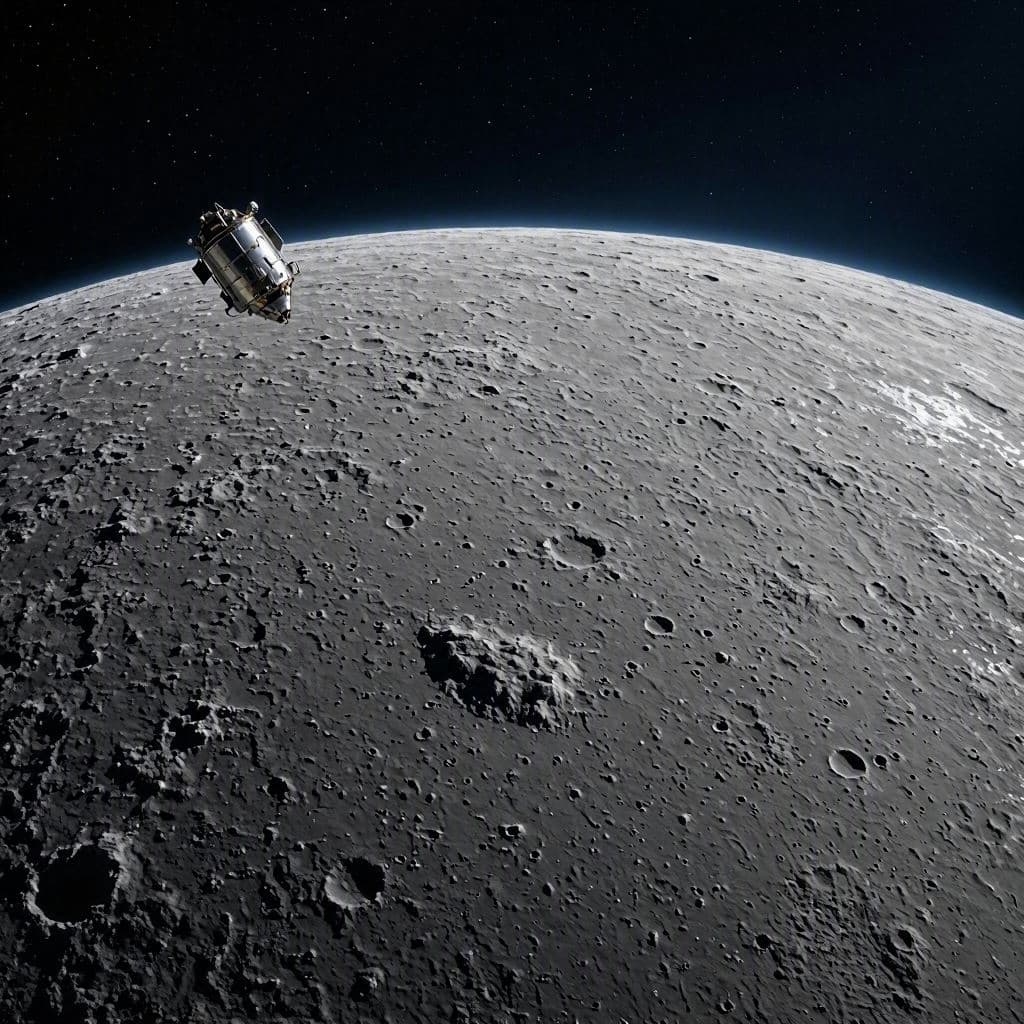
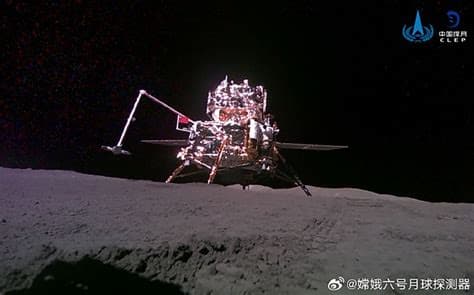
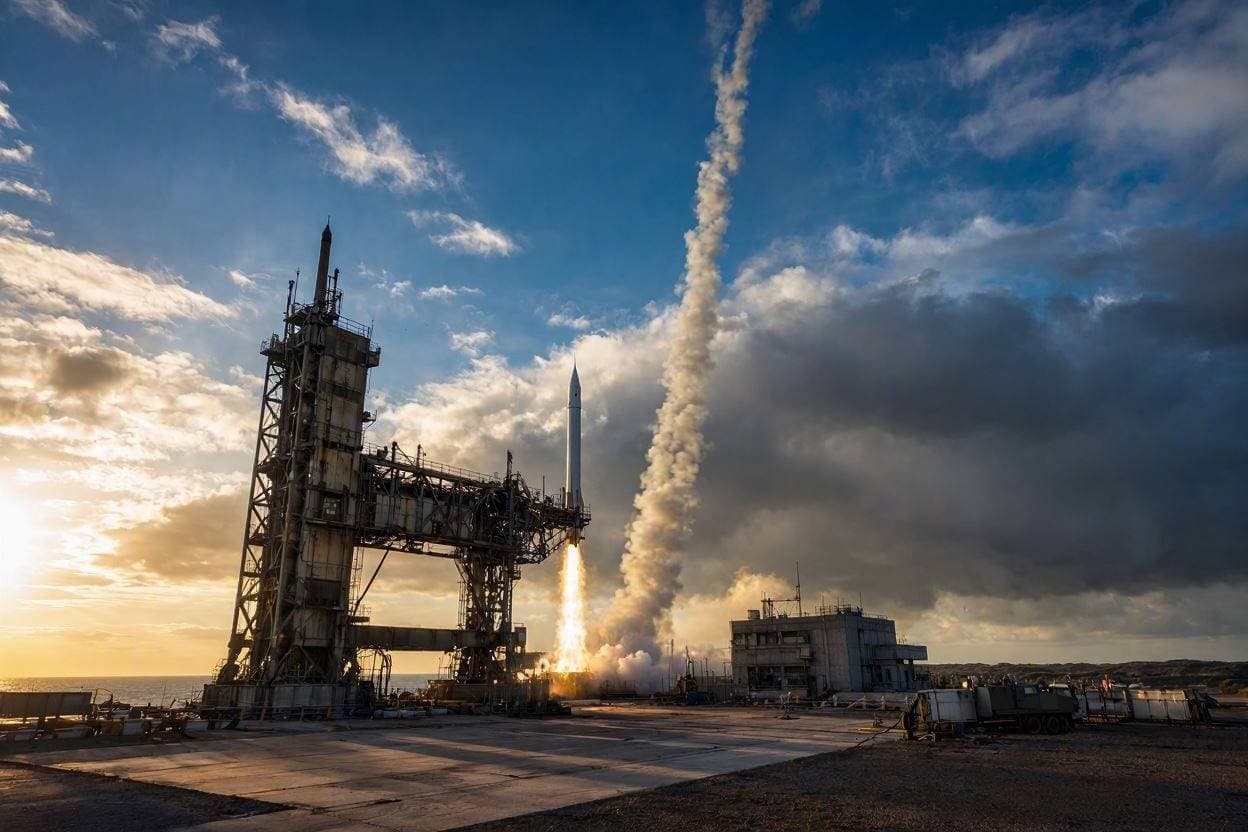
SpaceX has contributed to lunar missions using its Falcon 9 and Dragon systems, achieving a milestone before the completion of its larger Starship vehicle, highlighting the value of incremental progress.

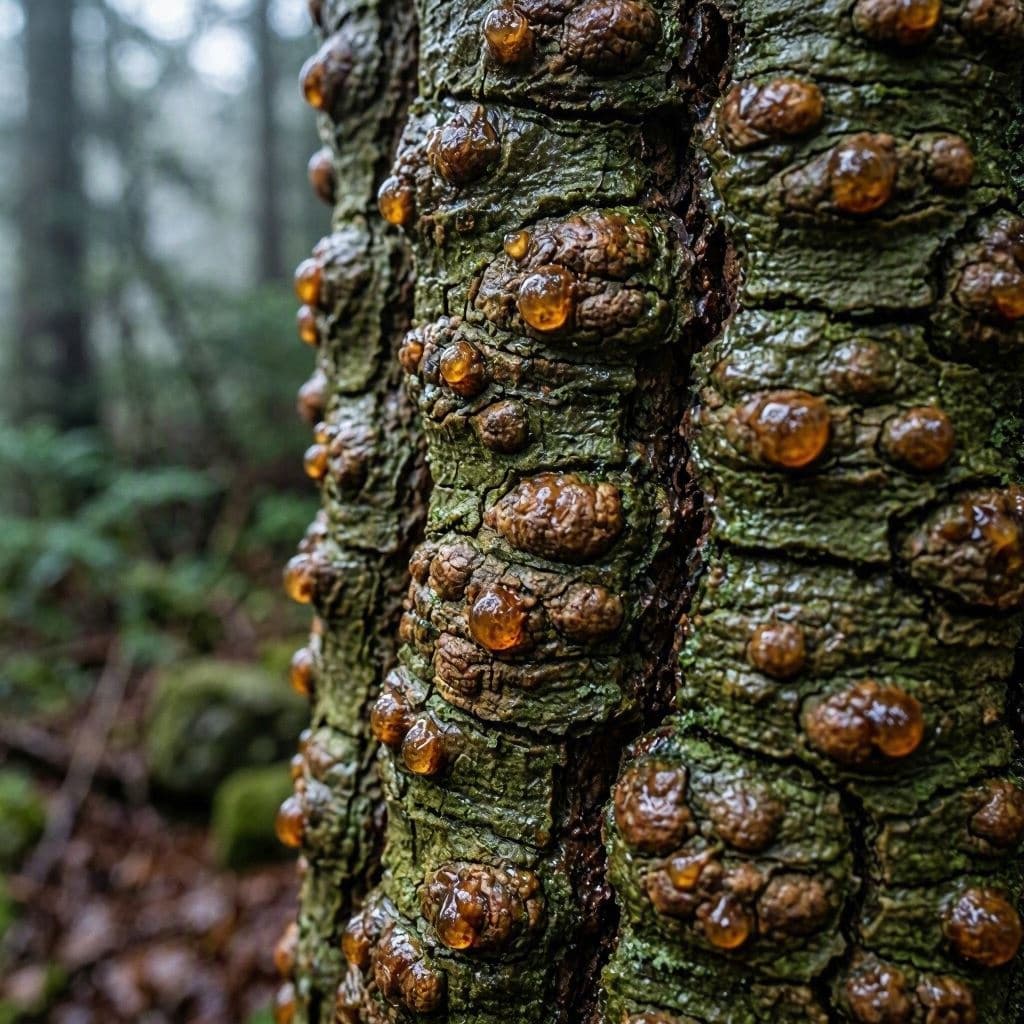
In 1994, a bushwalker discovered the Wollemi pine, a living fossil thought to be extinct for 90 million years, hiding in a remote canyon near Sydney.

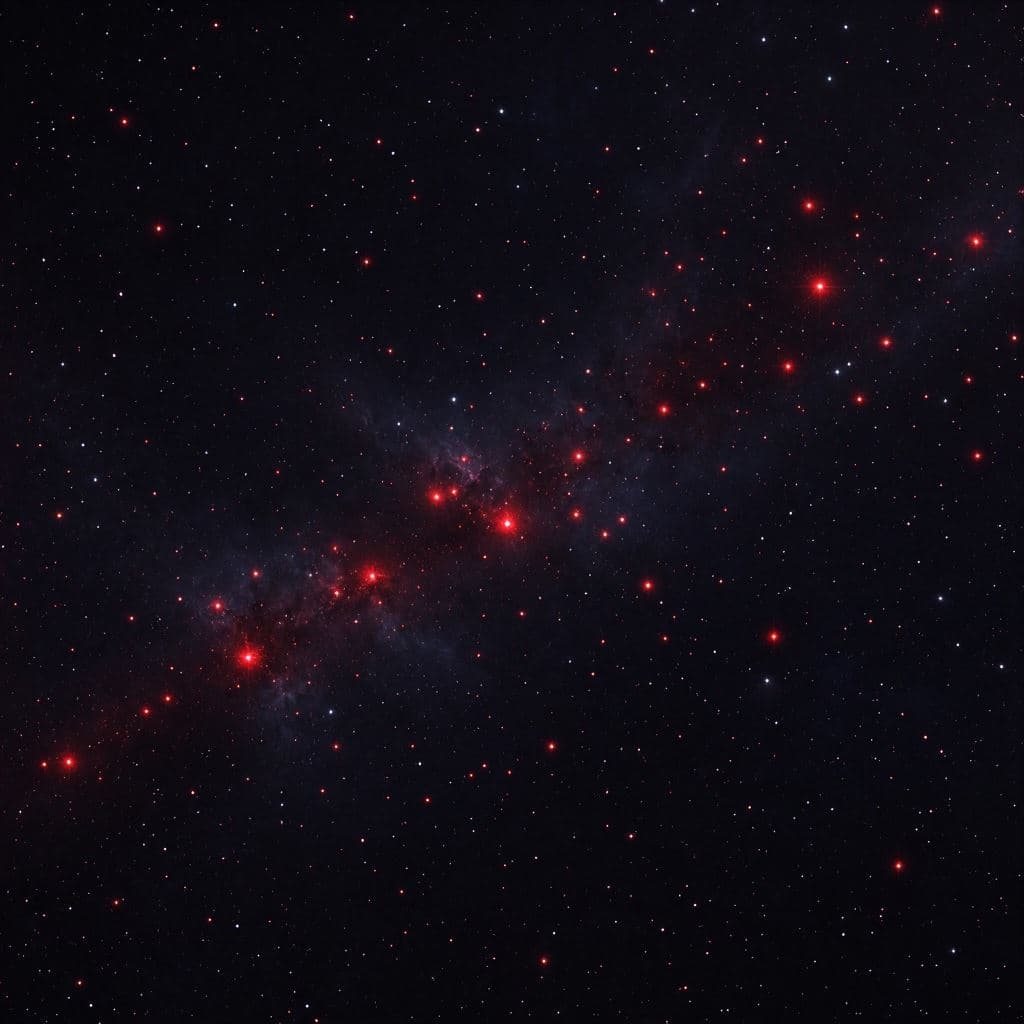
Astronomers using the James Webb Space Telescope have identified mysterious red dots that could be supermassive stars, potentially 100,000 times heavier than the Sun.

New evidence suggests the Mount Toba eruption did not cause a near-extinction event for humans, challenging the long-held catastrophe theory with findings of continued societal resilience.

Here is the excerpt for your article: "It is impossible for this iron to have originated from the Earth's core; even if all geologists combined their efforts to create a single piece, they would fail."

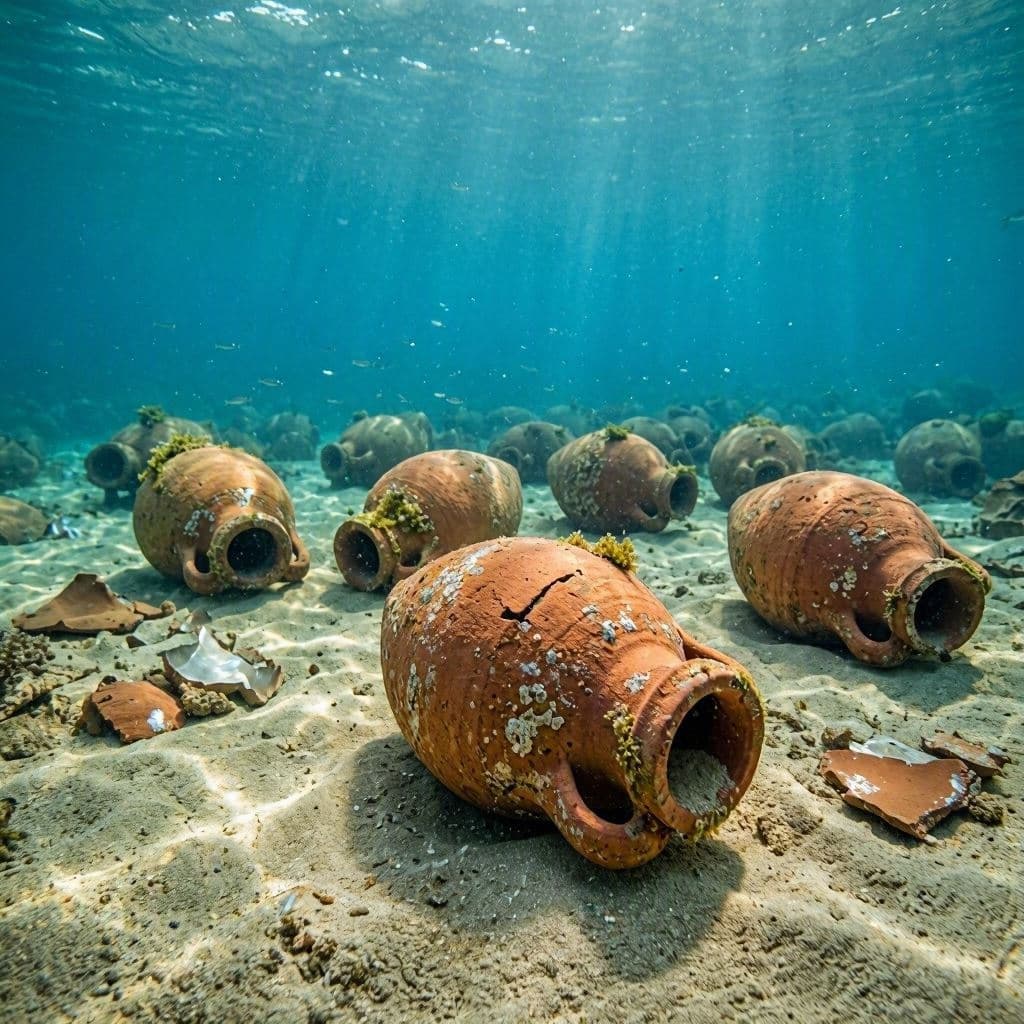
Archaeologists have discovered a shipwreck off the coast of Panarea, Italy, containing well-preserved amphorae dating back over 2,000 years to the Roman Republican era.

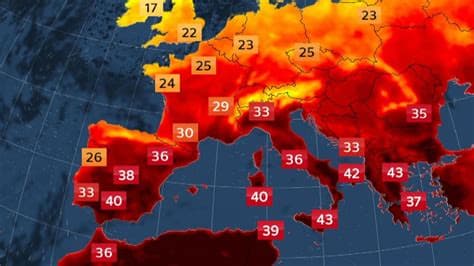
Scientists say heatwaves and drought pushed Western Europe’s seas and air temperatures to record highs for July.

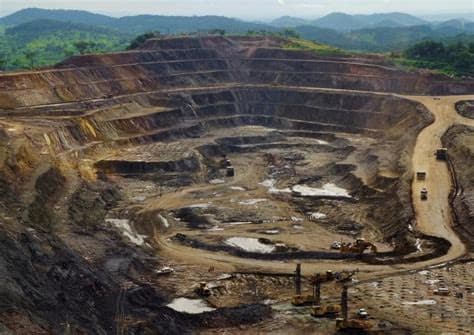
A new investigation claims uranium may be present in cobalt exports from the DRC to China, prompting urgent concern.

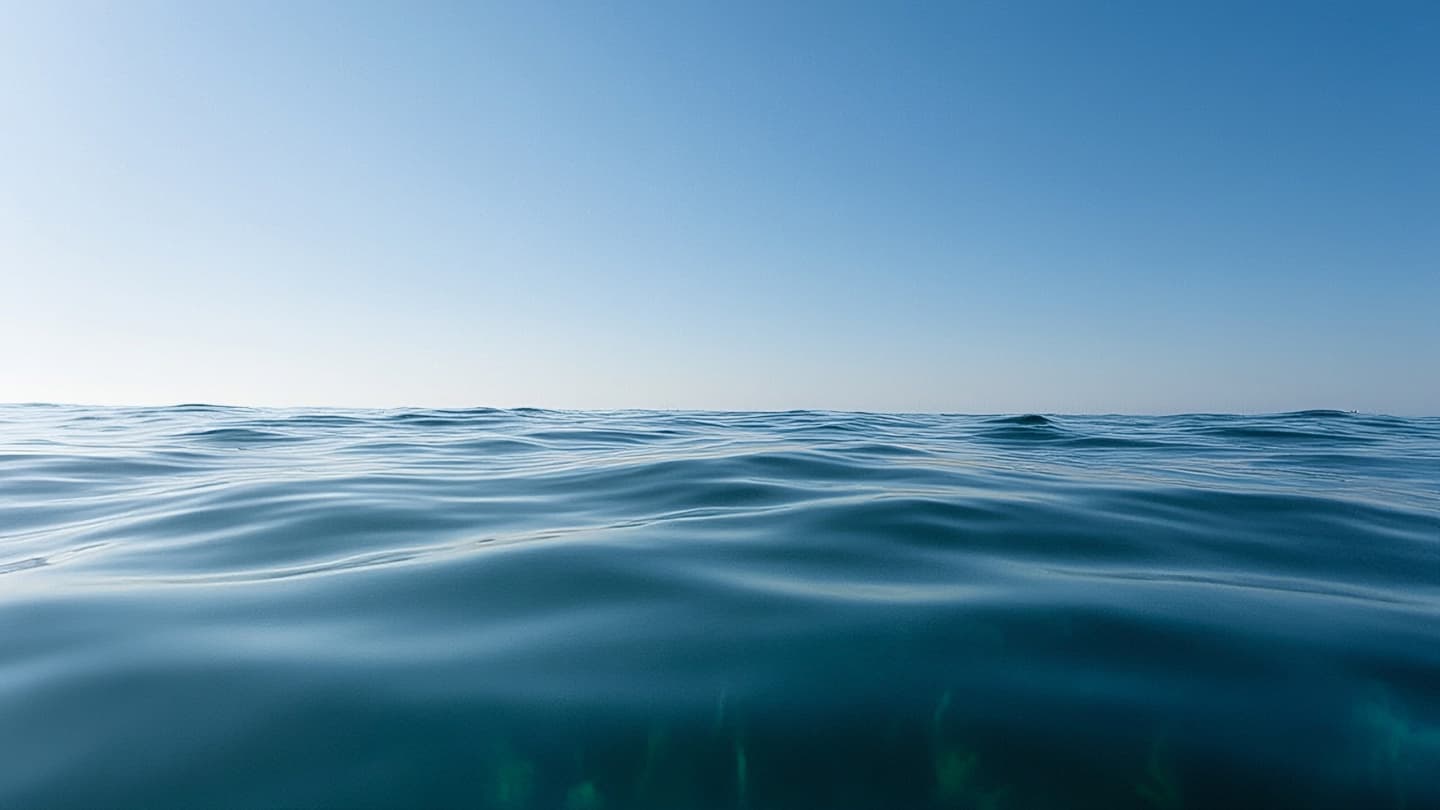
Scientists say the world’s seas reached the hottest temperature ever recorded for July, underscoring accelerating climate-driven ocean warming.

France faced severe wildfires during an extreme summer, intensifying pressure on firefighting resources and accelerating efforts to improve aerial fire response.

The 2026 Atlantic hurricane season has started quietly due to El Niño conditions, but forecasters warn that late-season activity remains possible, urging continued preparedness.

A proposed blueprint suggests robot “watchdogs” could patrol lunar stations, scan hazards, and help astronauts find valuable rocks.

A magnitude 5.5 earthquake struck Halmahera in Indonesia at a depth of about 127 kilometers, according to GFZ.

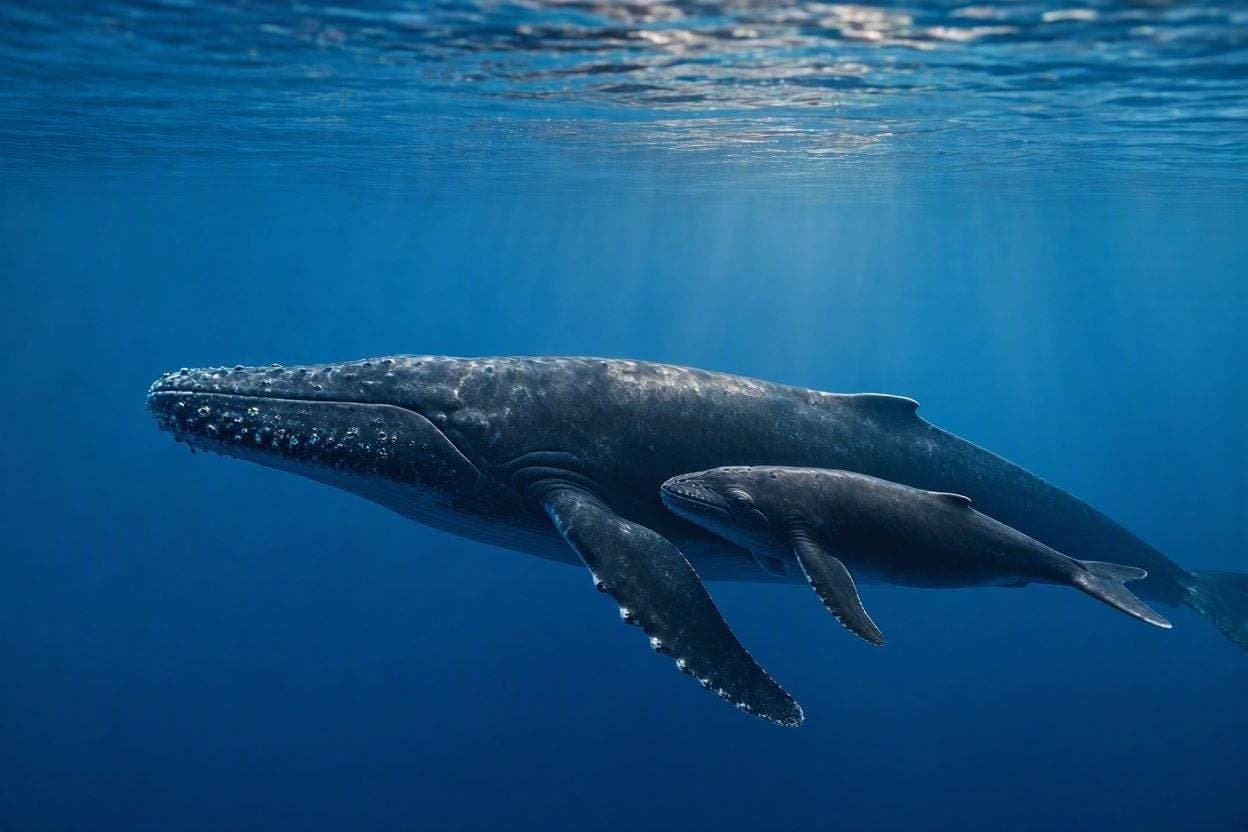
Researchers have filmed a rare humpback whale birth using a drone off the coast of Australia, providing unprecedented insights into marine mammal behavior and conservation success.

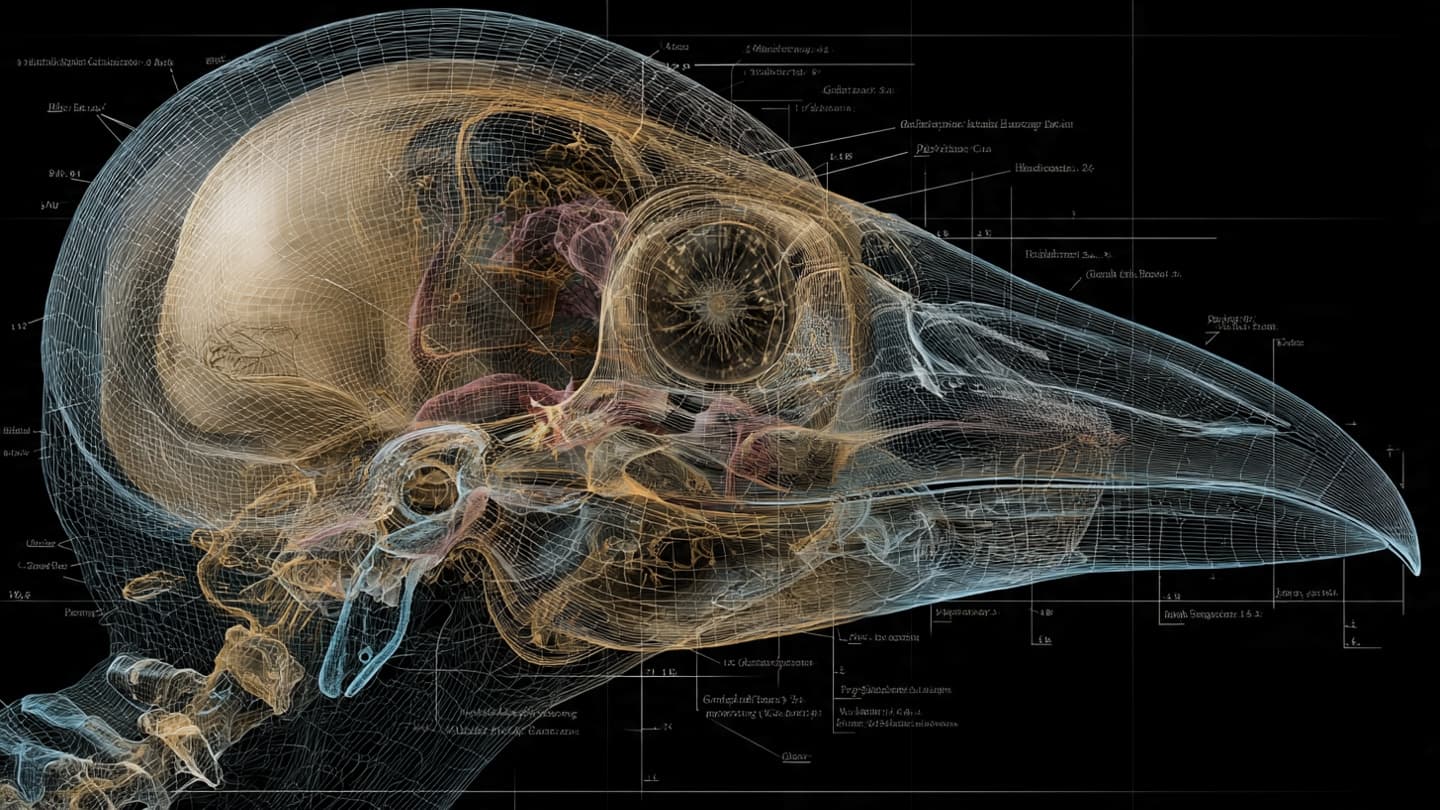
Scientists using CT scans of a rare dodo skull have discovered that the extinct bird had a keen sense of smell and possibly night vision, challenging myths of its stupidity.

Physicists have discovered a gold crystal that maintains quantum properties at room temperature, potentially revolutionizing quantum computing by eliminating the need for extreme cooling.

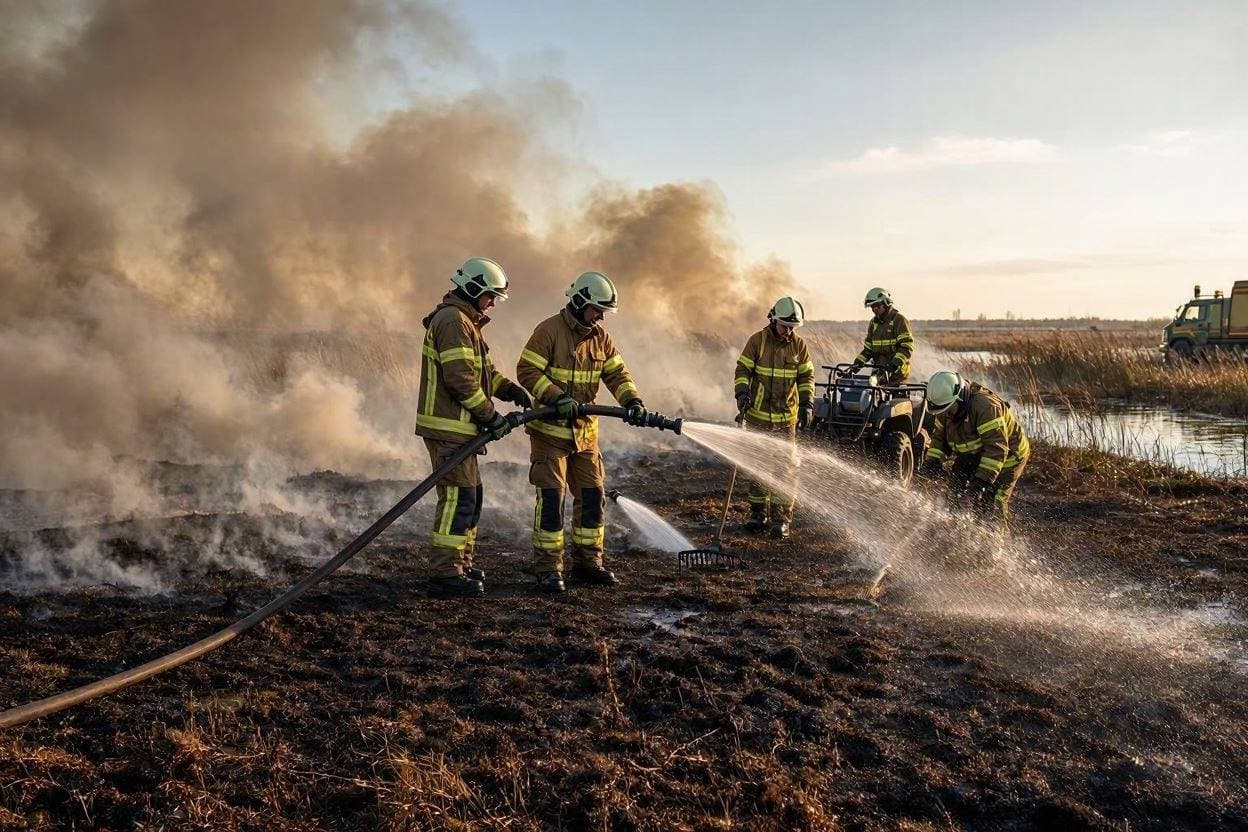
Indonesia has intensified efforts to combat peatland fires in West Kalimantan, using rewetting projects and community engagement to protect vital carbon stores and prevent haze.

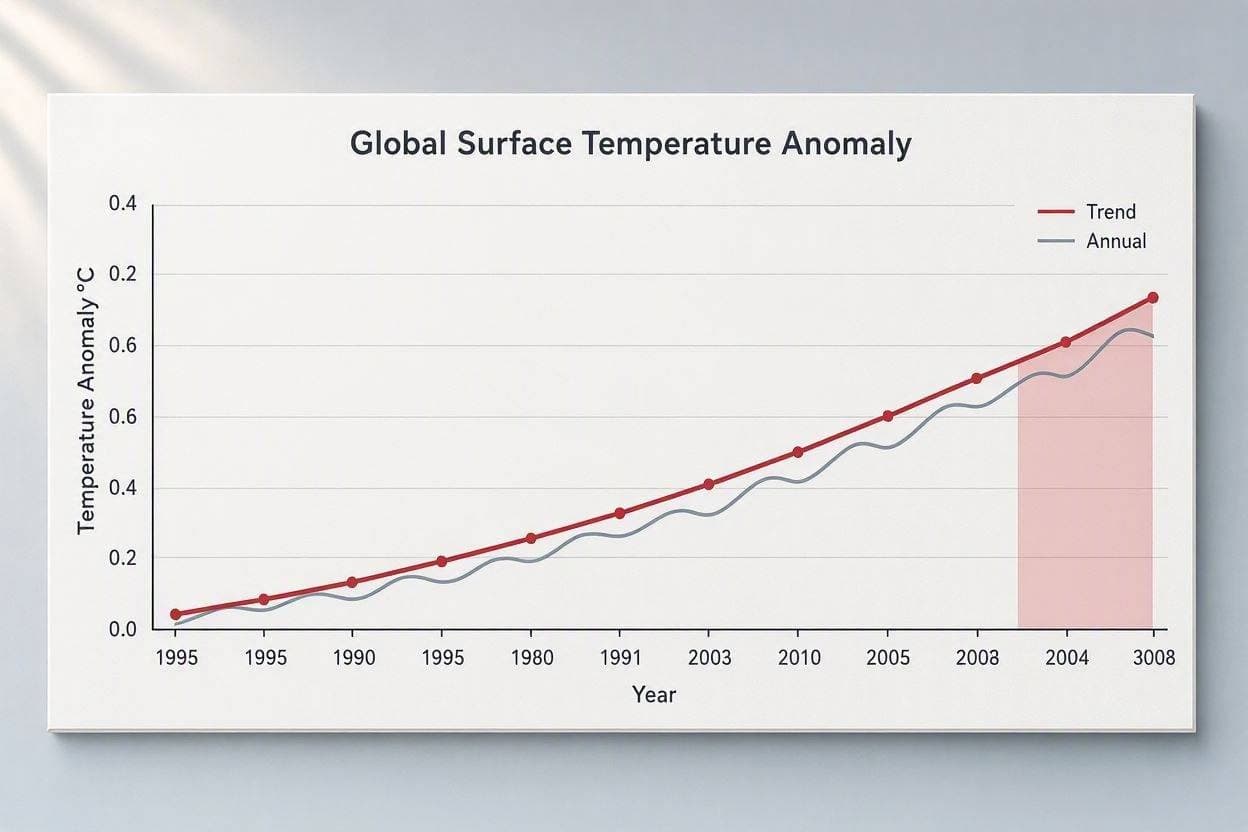
New data reveals record-breaking global temperatures in 2026, with experts warning that current heatwaves are just the beginning of a long-term warming trend.

The U.S. is rapidly using weapon stocks in Iran-related conflicts, prompting strategic observations from Russia and China regarding American military sustainability and readiness.

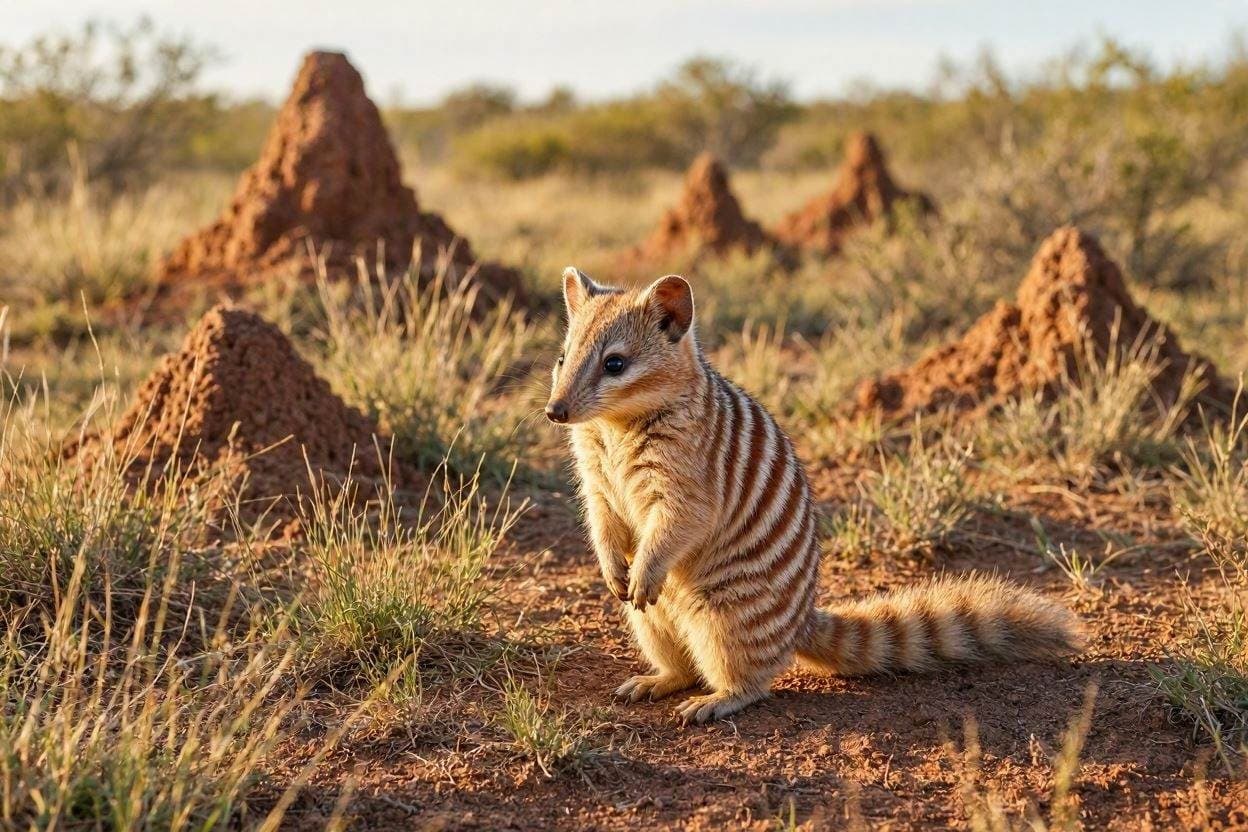
Despite being the world’s extinction hotspot, Australia finds hope in the recovery of the numbat, thanks to successful breeding and reintroduction programs.

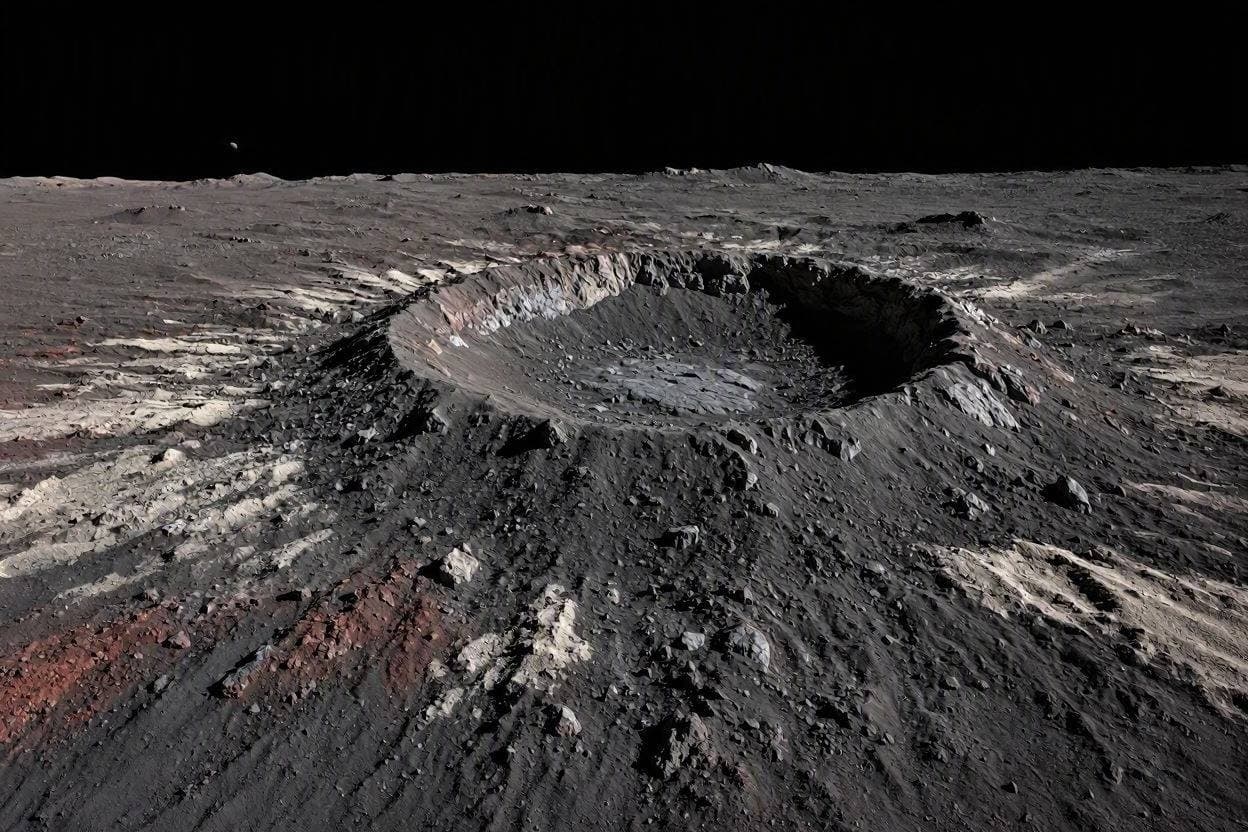
South Korea’s Danuri orbiter has captured the first images of a crater on the moon created by the impact of a SpaceX rocket stage, highlighting space debris concerns.

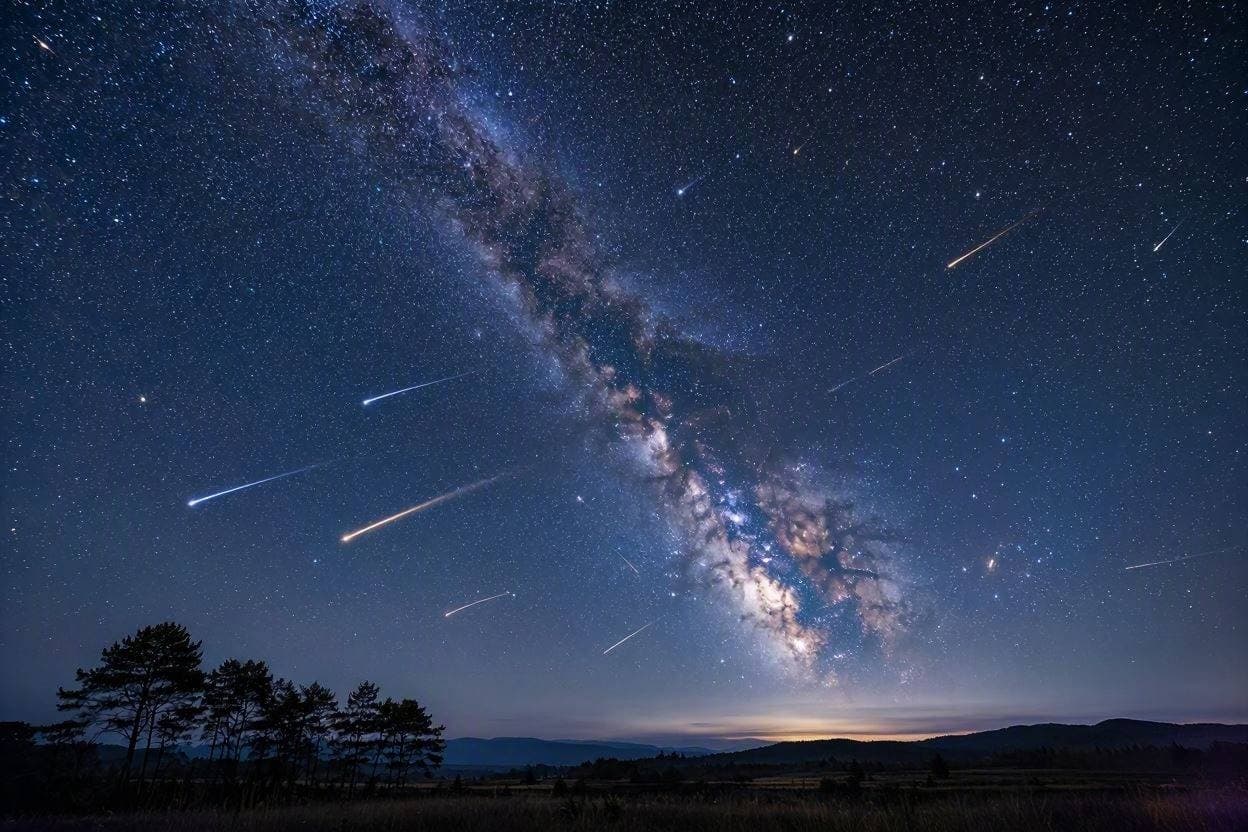
Four major celestial events, including the Perseid meteor shower peak, Venus at its brightest, and a new moon, will dominate the night sky in mid-August 2026.

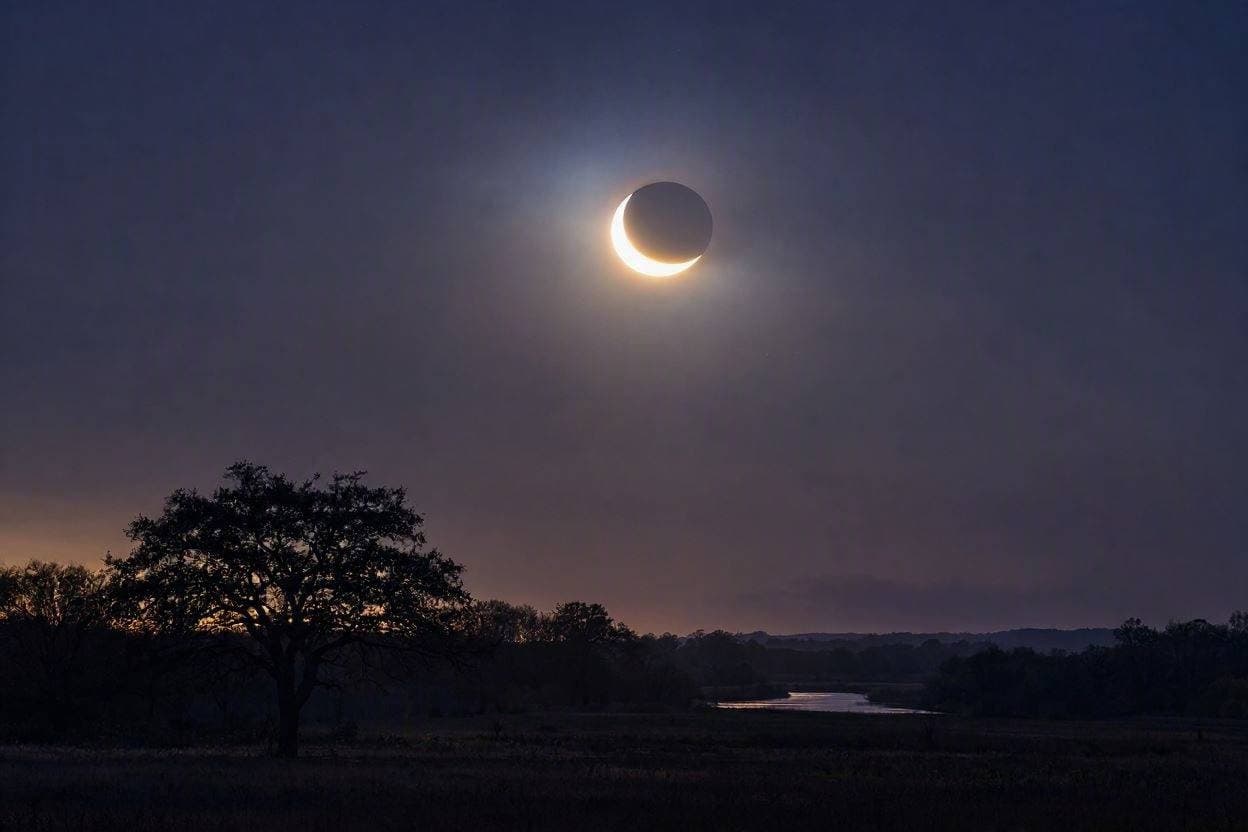
A partial solar eclipse will be visible across parts of Canada and the northern U.S. on August 12, 2026, while totality occurs in Europe and Greenland.