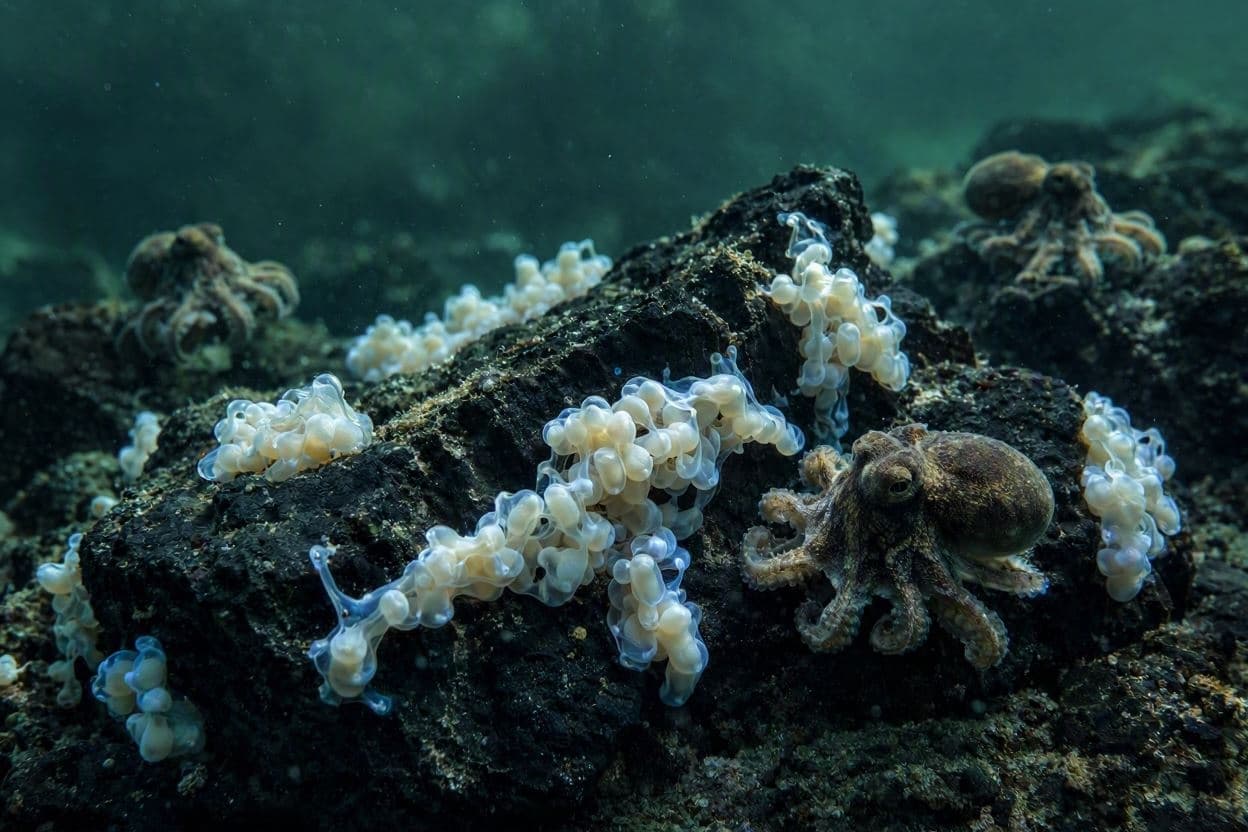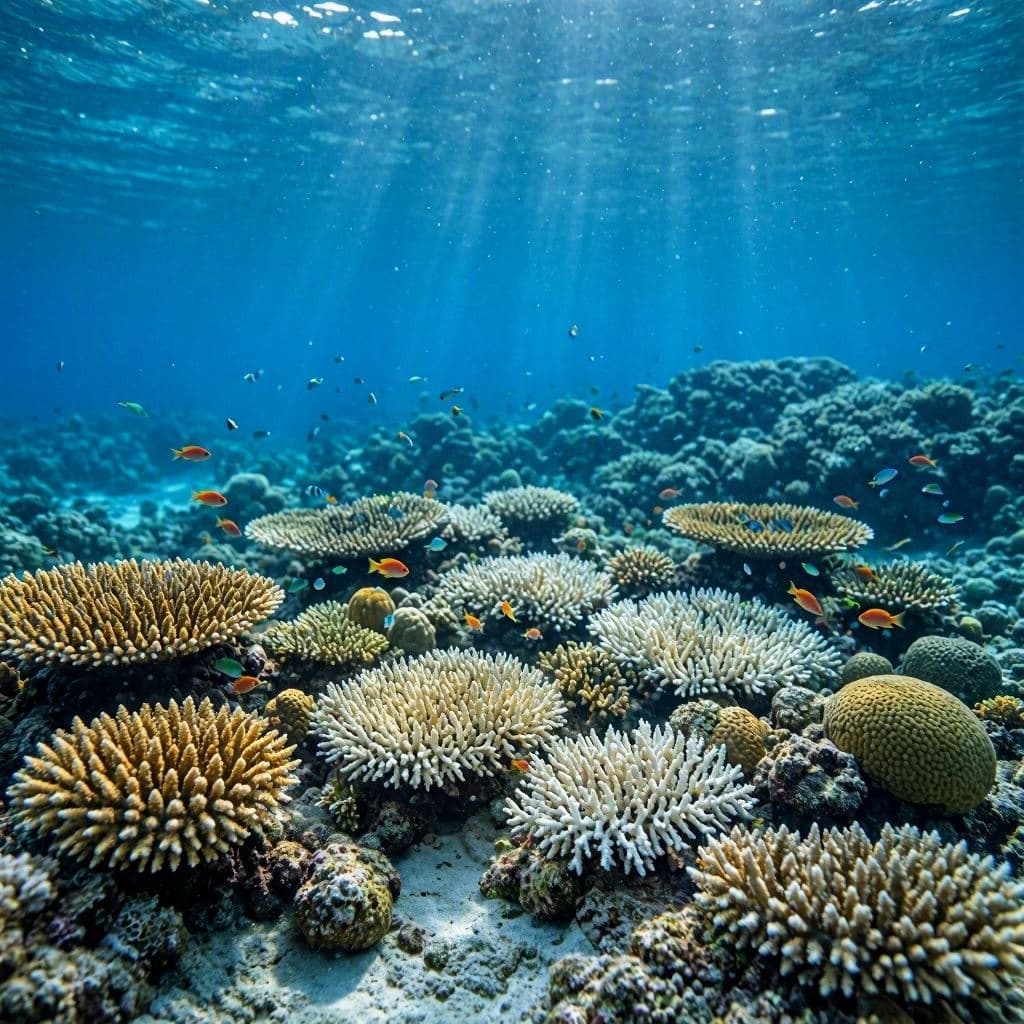
Beneath the waves off the coast of South Korea, a vibrant underwater world is facing a silent crisis. Corals, the architects of marine biodiversity, are showing signs of distress, appearing to slump and lose their vitality. For divers who have long marveled at the colorful reefs, this change is both visible and worrying. Scientists, too, are taking note, linking this phenomenon to the broader impacts of climate change. It is a subtle shift in the ocean’s health that speaks volumes about the environmental pressures facing our planet, inviting us to look closer at the delicate balance of marine ecosystems.
The term "slumping" describes the physical deterioration of coral structures, where the skeletal framework weakens and collapses. This process is often driven by rising sea temperatures, which cause coral bleaching—a stress response where corals expel the symbiotic algae that provide them with food and color. Without these algae, corals turn white and become more susceptible to disease and death. In South Korean waters, where temperatures have been rising steadily, this effect is becoming increasingly pronounced.
Divers and local communities are often the first to notice these changes. Their observations provide valuable anecdotal evidence that complements scientific data. Reports of duller colors, reduced fish populations, and fragile reef structures highlight the immediate impact on marine life. These firsthand accounts serve as an early warning system, prompting researchers to investigate further and understand the extent of the damage. The connection between recreational users and scientific study fosters a collaborative approach to conservation.
Scientists are studying the specific conditions affecting these corals, including water temperature, acidity, and pollution levels. Climate change is a primary driver, but local factors such as agricultural runoff and coastal development also play a role. By analyzing these variables, researchers can identify the most critical threats and develop targeted strategies for mitigation. This holistic approach is essential for protecting not just the corals but the entire ecosystem they support.
Corals are vital to marine biodiversity, providing habitat for countless species of fish, invertebrates, and plants. Their decline has cascading effects on the food web, impacting fisheries and local economies that depend on healthy oceans. In South Korea, where coastal tourism and fishing are significant industries, the health of coral reefs is directly linked to community well-being. Protecting these ecosystems is therefore not just an environmental issue but an economic and social one as well.
Efforts to restore and protect these reefs are underway, involving both government initiatives and community-led projects. Coral gardening, where fragments are grown in nurseries and replanted, is one method being explored. Additionally, establishing marine protected areas helps reduce local stressors, giving corals a better chance to recover. These efforts require long-term commitment and funding, but they offer hope for the regeneration of these vital habitats.
Public awareness is key to driving change. Educating divers, tourists, and locals about the importance of corals and the threats they face can lead to more responsible behavior. Simple actions, such as avoiding touching reefs and reducing plastic use, can make a difference. By fostering a sense of stewardship, we can build a broader base of support for conservation efforts. The story of the slumping corals is thus also a story of potential engagement and action.
As climate change continues to alter our oceans, the resilience of coral reefs will be tested. Monitoring their health provides insights into the broader impacts of global warming. The situation in South Korea is a microcosm of a global challenge, reminding us that local actions and global policies are interconnected. Addressing climate change requires collective effort, from individual choices to international agreements.
The slumping corals off South Korea’s coast are a visible sign of climate change’s impact on marine life. They urge us to act with urgency and care to protect these vital ecosystems. Let this observation inspire greater commitment to ocean conservation.
AI Image Disclaimer: Please be aware that images used in this context are AI-generated visualizations for illustrative purposes.
Sources: The Korea Herald National Geographic Scientific American
Published by Banx Network. This article is part of the Banx decentralized media programme, powered by the BXE token on the XRP Ledger.