
Key Highlights
- Agritech is transforming farming practices in New Zealand.
- New technologies are enhancing traditional farming methods.
- Local economies benefit from innovation and diversification.
Agritech is quietly revolutionizing the agricultural landscape in New Zealand, where innovation meets tradition beyond the urban sprawl. As roads stretch into the countryside, a different rhythm of progress emerges, one that harmonizes with the natural cycles of farming. This transformation is characterized by the integration of advanced technologies that enhance traditional farming practices, allowing farmers to optimize their operations while maintaining their roots.
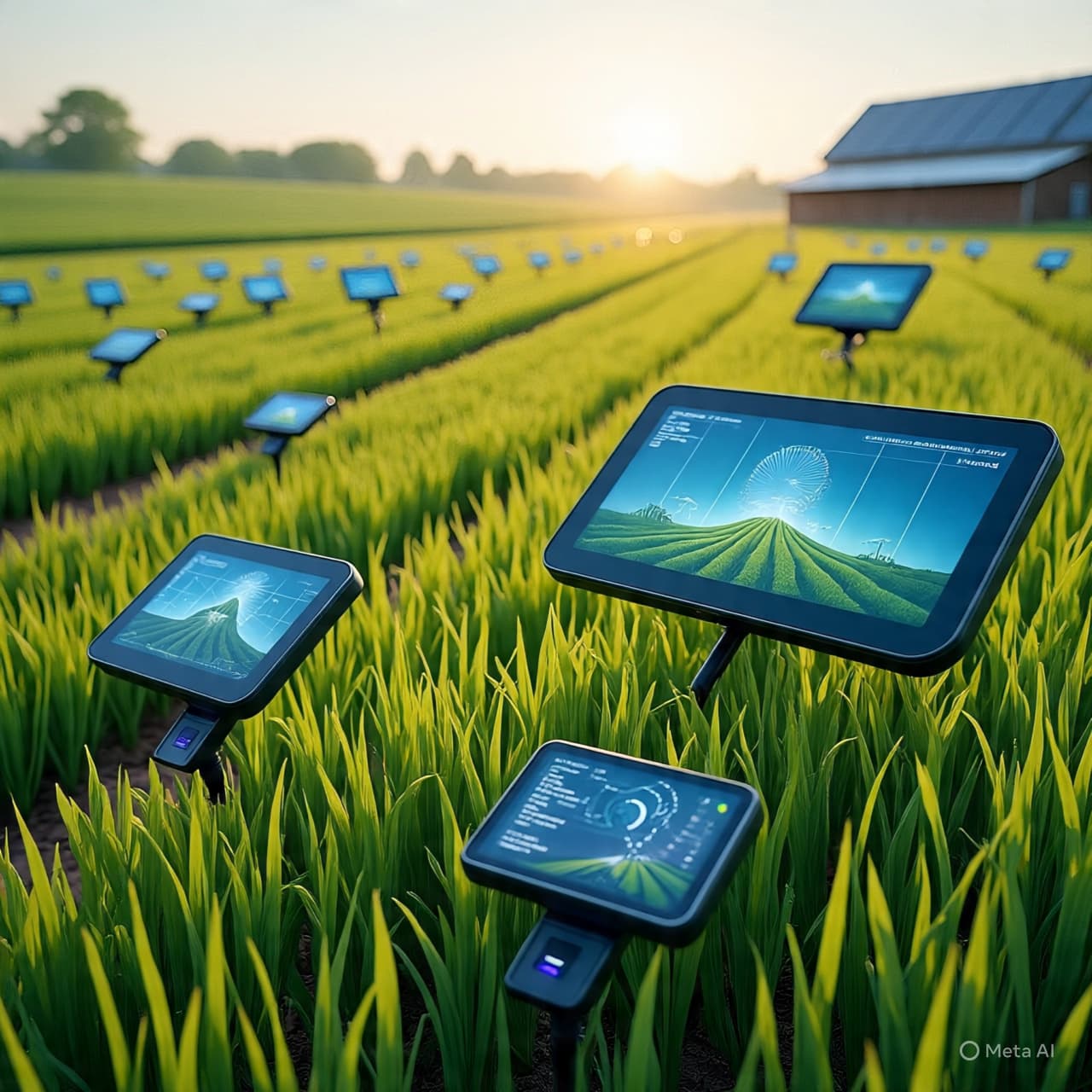
Across New Zealand's rural areas, farmers are beginning to embrace a range of new technologies. Sensors that monitor soil conditions, data platforms that track crop yields, and automated systems that assist in decision-making are becoming commonplace. While these changes may appear subtle at first glance, their cumulative impact on agricultural productivity and sustainability is profound. Farmers are now equipped with tools that not only enhance efficiency but also provide insights that were previously unattainable.
The essence of agritech lies in its ability to bridge the gap between time-honored farming practices and cutting-edge technology. For generations, farmers have relied on instinct and experience to guide their decisions. Now, with the advent of agritech, they have access to data-driven insights that can refine their approaches. This dialogue between tradition and innovation unfolds gradually, driven by a blend of curiosity and caution as farmers navigate the integration of these new tools into their daily routines.
Support programs aimed at fostering regional innovation play a crucial role in this agritech expansion. By promoting collaboration and providing essential resources, these initiatives help connect technological advancements with practical applications in the field. The result is a robust network that links research institutions with local farmers, ensuring that innovations are not only developed but also effectively implemented.
The implications of agritech extend far beyond mere efficiency gains. As new technologies are adopted, they create opportunities for skill development, the establishment of new businesses, and the diversification of local economies. This diversification is vital for building resilience in rural communities, allowing them to engage more actively in a global landscape increasingly defined by technological advancements.
However, the adoption of agritech is not uniform across all farming operations. Different farmers move at varying paces, and not every technology is suitable for every environment. The diverse landscapes of New Zealand, with their unique challenges and opportunities, influence how and where these innovations can take root. This variability underscores the importance of tailoring solutions to fit local conditions and farmer needs.
Moreover, there is a growing recognition that technology should serve as a tool rather than a replacement for traditional knowledge. The wisdom gained from years of experience remains invaluable, guiding decisions even as data provides additional layers of insight. Striking a balance between these elements is essential for the sustainable growth of agritech, ensuring that it complements rather than disrupts established practices.
New Zealand's relatively small scale offers a unique advantage for agritech development. Innovations can be tested and refined within a contained environment before being introduced to broader markets. This allows for experimentation and adaptation, fostering a culture of continuous improvement in agricultural practices.
As agritech continues to evolve, the lines between traditional farming and technological practices blur. What remains constant is the land itself—its cycles, demands, and enduring presence. In this continuity, agritech finds its place, not as a disruptive force but as an evolution that moves in tandem with the rhythms of rural life, enhancing the agricultural landscape while respecting its heritage.
Published by Banx Network. This article is part of the Banx decentralized media programme, powered by the BXE token on the XRP Ledger.



