
Key Highlights
- Discovery:Researchers found a vast freshwater reservoir beneath the Great Salt Lake.
- Depth:The reservoir lies at depths of 10,000 to 13,000 feet.
- Environmental Impact:This finding could inform strategies to mitigate dust pollution.
[Scientific Discovery]
Recent research conducted by scientists from the University of Utah has revealed a significant finding beneath the Great Salt Lake: a vast reservoir of freshwater lying thousands of feet below the lakebed. This discovery challenges long-held beliefs about the region's underground water systems and opens up new avenues for understanding and managing water resources in an area facing environmental challenges.
Using advanced airborne electromagnetic surveys, researchers were able to penetrate the hypersaline waters of the Great Salt Lake and map the underlying sediments. The results showed a deep body of freshwater saturating layers of sand and silt at depths ranging from approximately 10,000 to 13,000 feet. This hidden reservoir had remained undetected until now, highlighting the potential for undiscovered resources beneath seemingly barren landscapes.
[Methodology]
The innovative method employed by the researchers involved flying electromagnetic instruments over the lake. This technology allows scientists to differentiate between saltwater and freshwater based on their electrical properties. By mapping the presence and extent of freshwater, the team was able to gain insights into the reservoir's depth and spatial distribution, particularly in areas like Farmington Bay.
[Environmental Context]
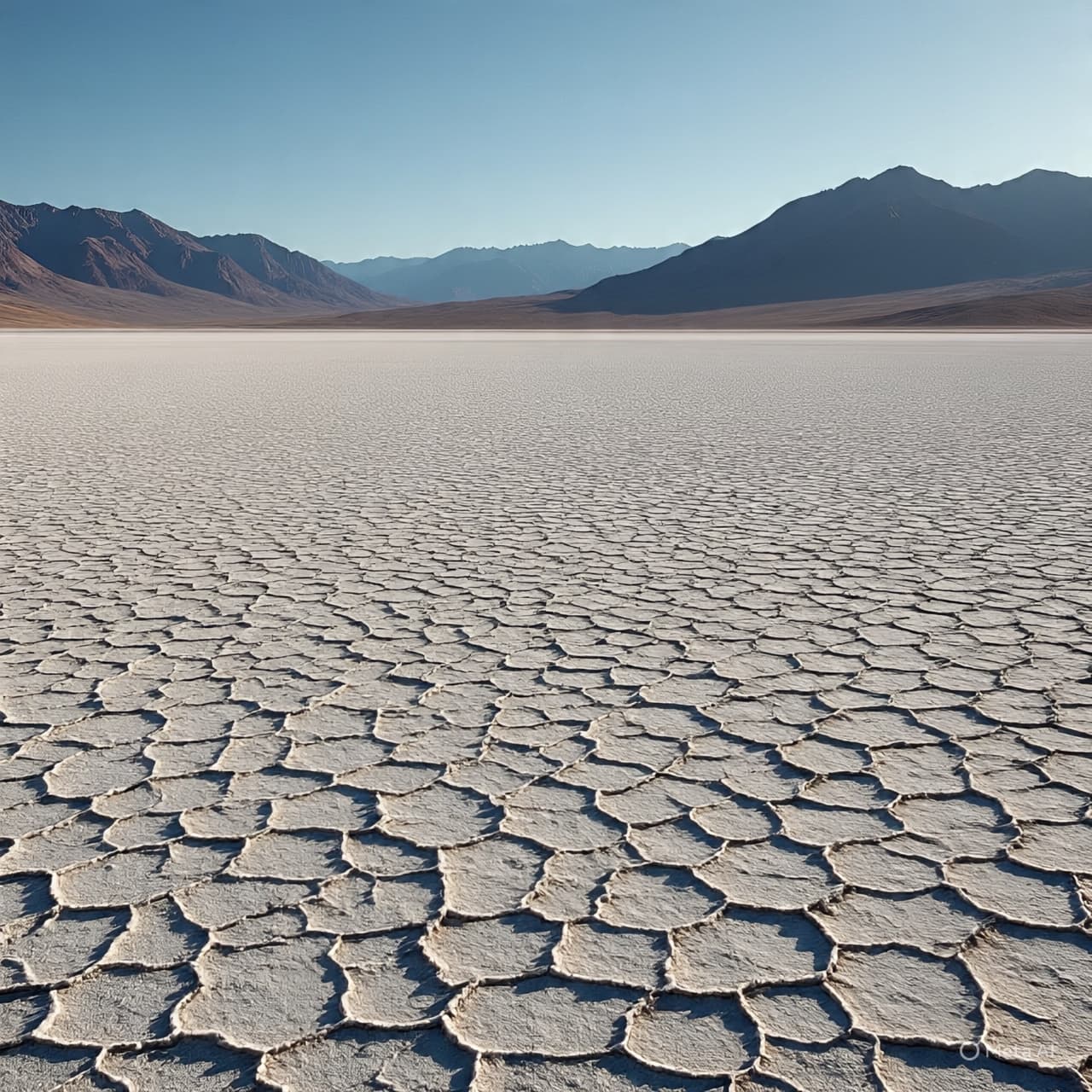
The timing of this discovery is particularly significant as the Great Salt Lake has been experiencing a steady decline in water levels, exposing large areas of dry lakebed. This phenomenon raises concerns about dust pollution, which can release harmful particles into the air and affect nearby communities. The newly identified freshwater reservoir could play a crucial role in future strategies aimed at mitigating these environmental risks.
Researchers suggest that understanding this underground freshwater system may help inform long-term water management practices and address the pressing issue of dust pollution. However, they caution that further studies are necessary before any practical applications can be considered.
[Reflections on Scarcity]
The Great Salt Lake, often regarded as one of the largest saline bodies in the Western Hemisphere, has historically been viewed through the lens of scarcity—particularly in terms of fresh water. This narrative of loss and limitation has shaped perceptions of the lake and its surrounding environment. Yet, the discovery of a hidden freshwater reservoir beneath the lakebed introduces a new layer to this story.
While this finding does not provide a straightforward solution to the region's environmental challenges, it suggests that there may still be untapped resources waiting to be understood. The existence of this reservoir invites a more nuanced perspective on the relationship between scarcity and abundance in natural landscapes.
In conclusion, the revelation of a freshwater reservoir beneath the Great Salt Lake not only challenges existing assumptions but also highlights the importance of continued research and exploration in understanding our environment. As scientists delve deeper into the complexities of this hidden system, they may uncover further insights that could benefit both the ecosystem and the communities that rely on it.
Published by Banx Network. This article is part of the Banx decentralized media programme, powered by the BXE token on the XRP Ledger.



