What Happens When Pain Becomes a Language Doctors Must Learn to Hear
A Welsh woman with cervical cancer says she was dismissed for years before pleading for a scan that revealed her condition, highlighting concerns about gynaecological care.

A Welsh woman with cervical cancer says she was dismissed for years before pleading for a scan that revealed her condition, highlighting concerns about gynaecological care.

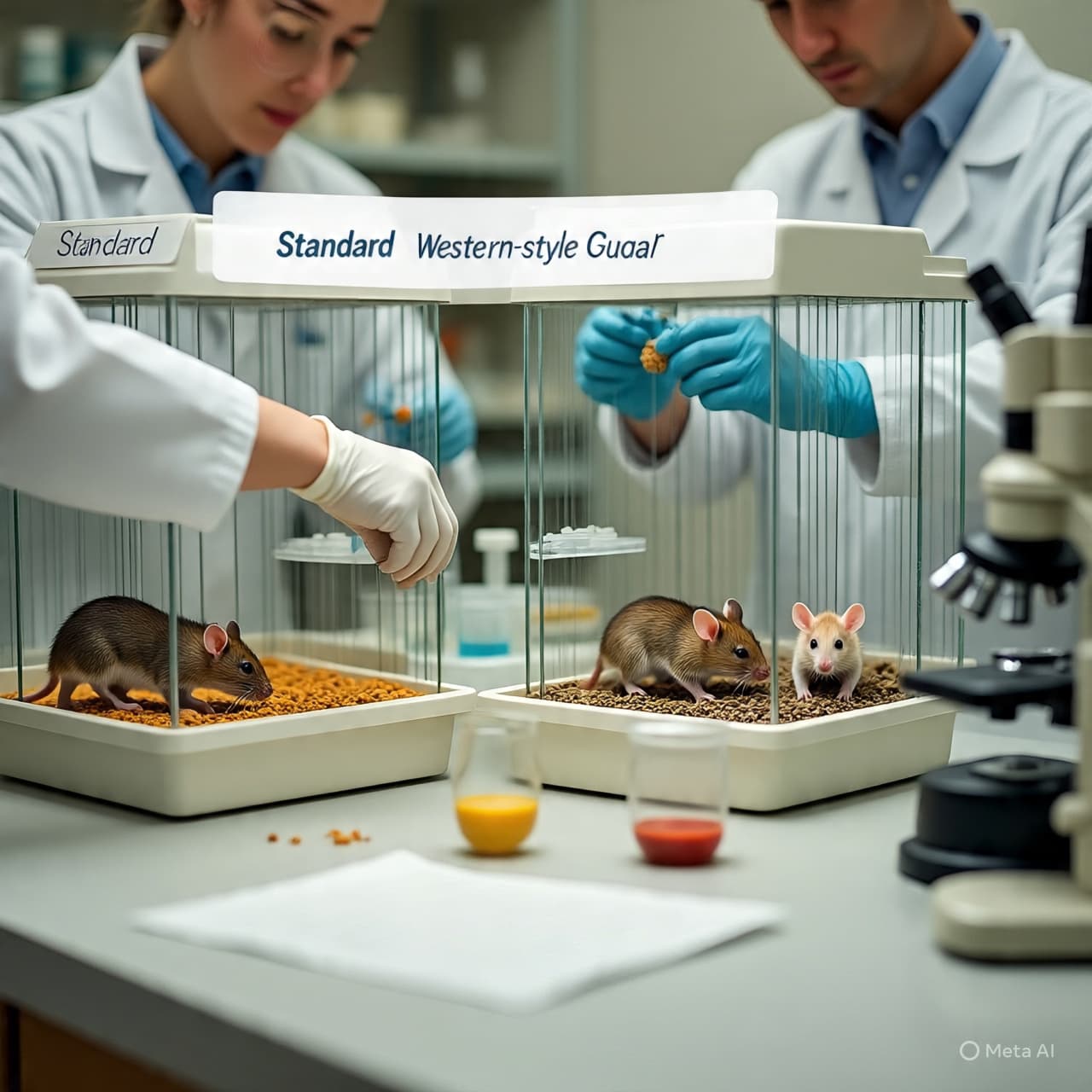
Low-dose nanoplastics changed gut and liver metabolism in mice, with diet influencing effects on microbiota and metabolic function, suggesting interactions worth further study.

A new preclinical strategy combining CDK2 and CDK4/6 inhibitors shows promise in overcoming resistance in breast cancer models, suggesting a potential path for future treatment options.

Labeling foods as “good” or “bad” attaches judgment and guilt to eating, undermines balanced habits, and can harm our relationship with food. Focus on context and balance instead.

Bill Foege’s belief in human potential and his innovative vaccination strategy helped eradicate smallpox, one of the deadliest diseases in history, marking a landmark public health achievement.

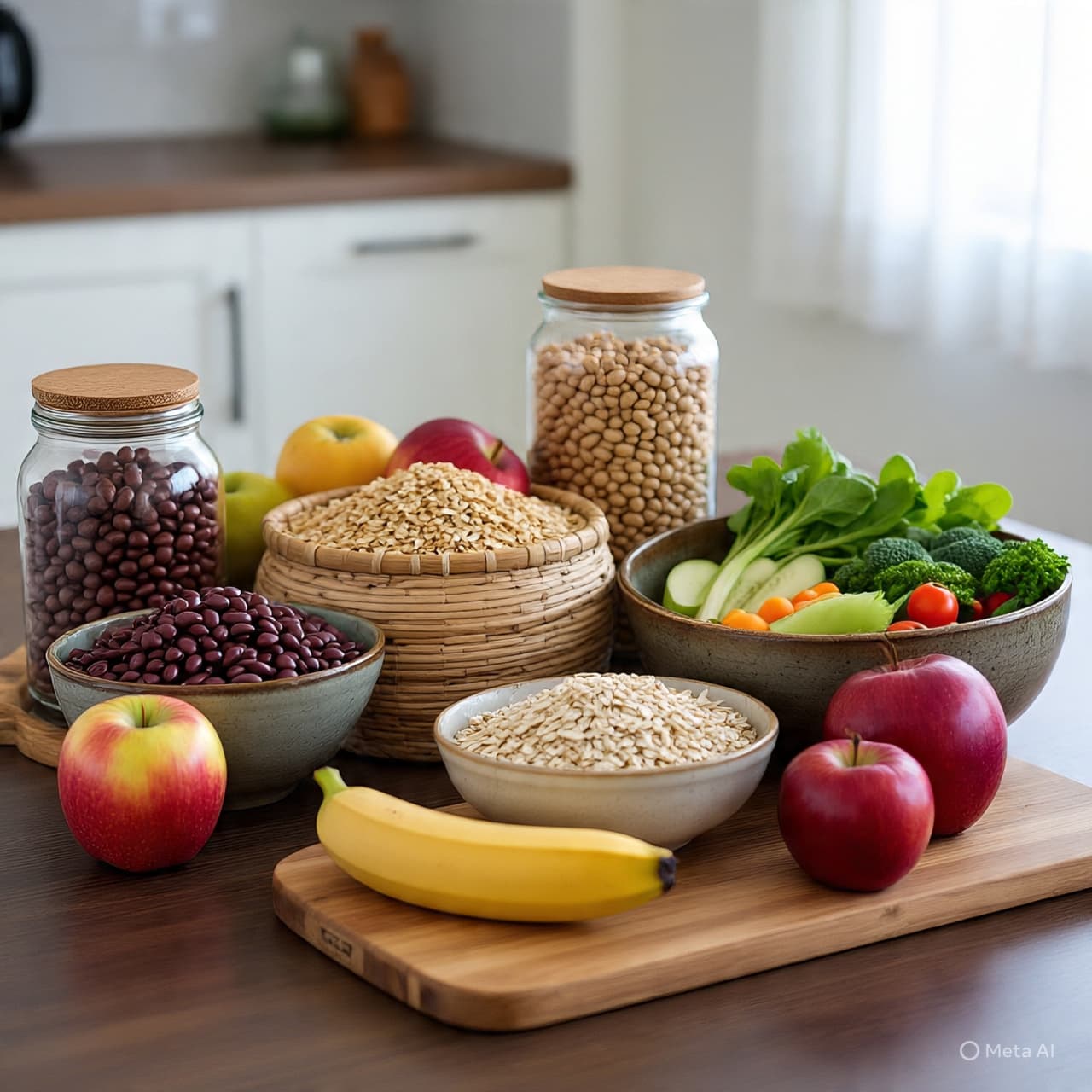
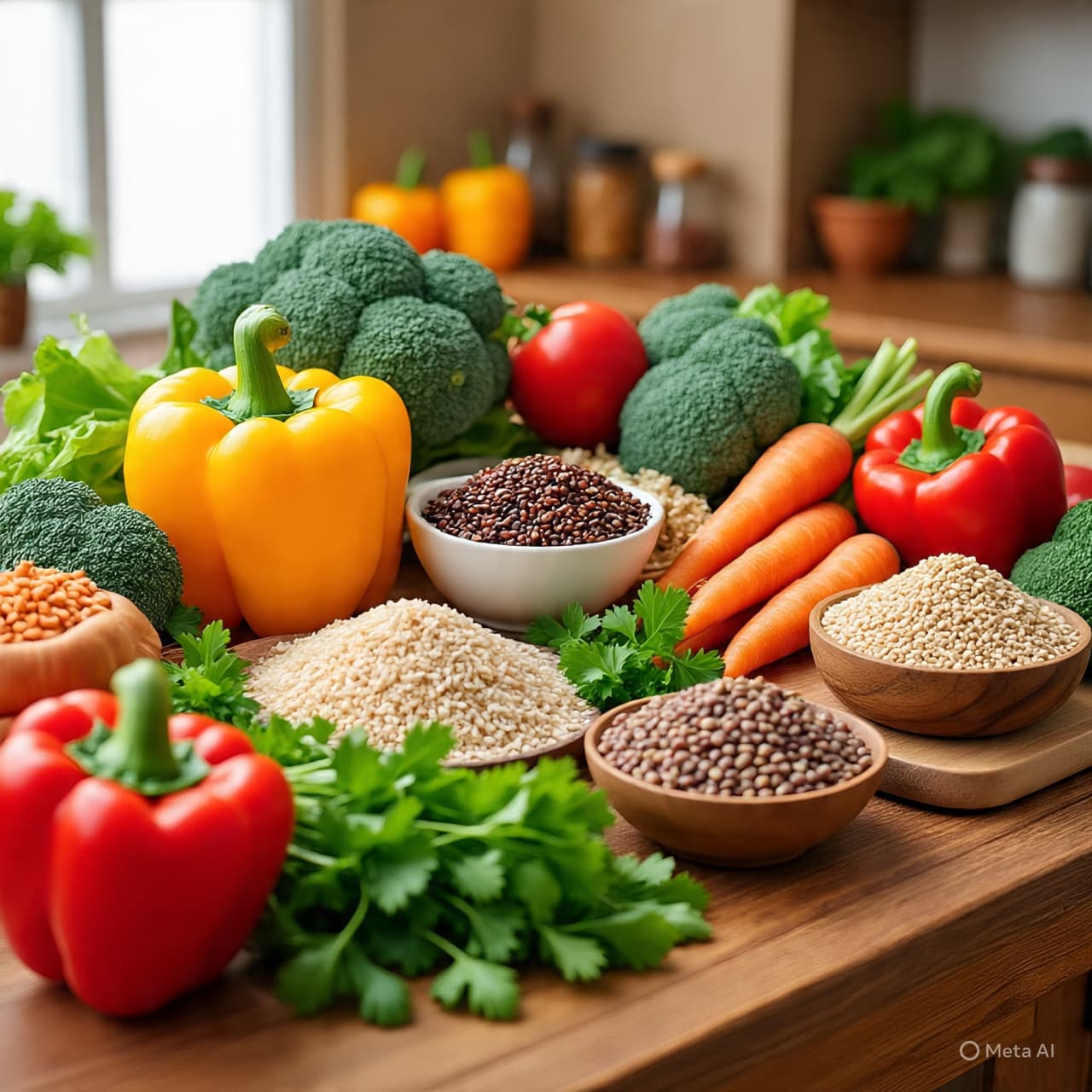
Fiber is emerging as the next major nutrition trend, driven by interest in gut health and functional foods, while companies and consumers shift focus beyond protein.

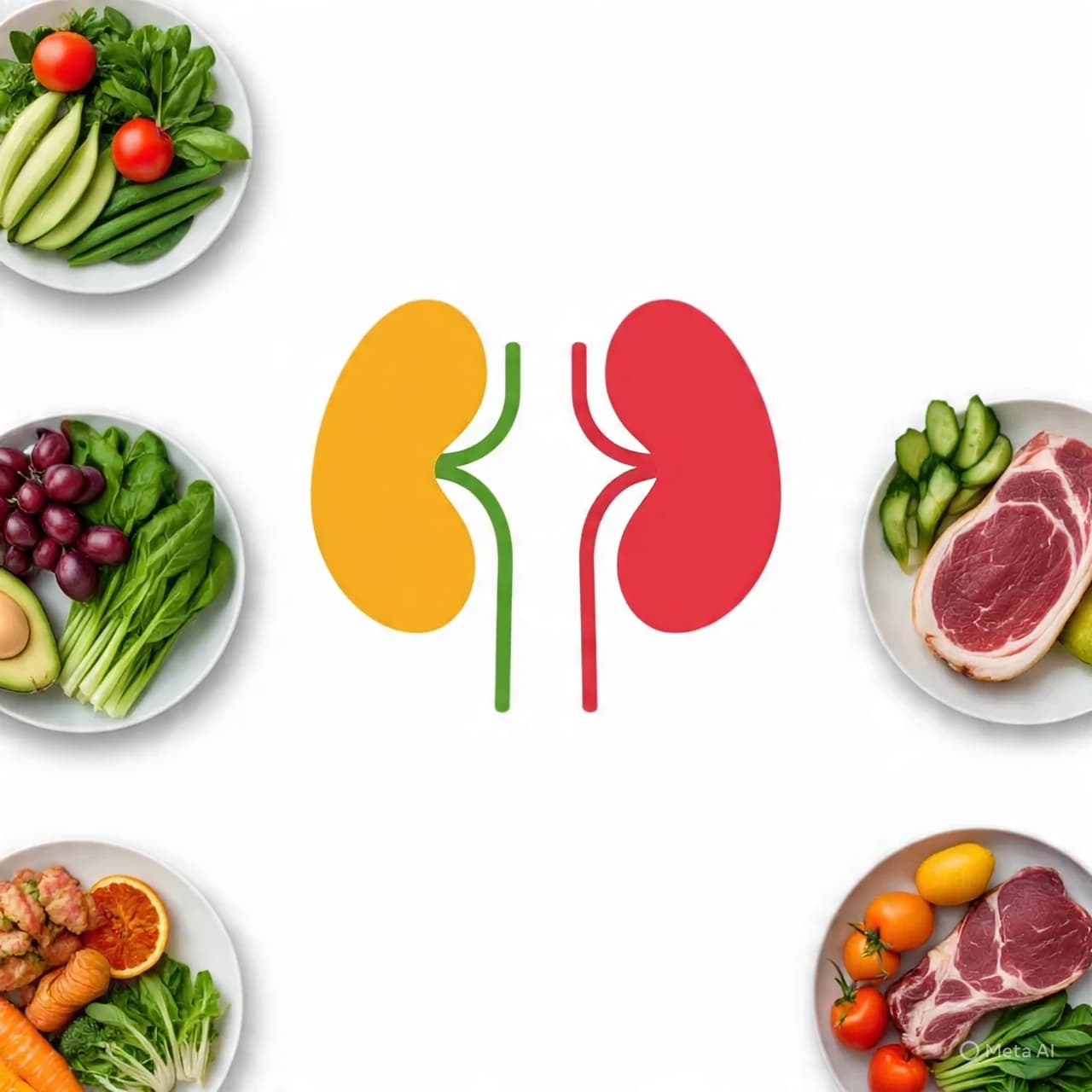
Studies suggest diets with more plant foods and less meat are linked to lower risk of chronic kidney disease and slower kidney function decline in long-term observations.

Shifting some childhood vaccines to shared clinical decision-making may create practical hurdles — longer appointments, lost reminders and added steps — that could reduce access to immunizations for many families.

William “Bill” Foege, a pioneering epidemiologist whose optimism and strategic insight helped eradicate smallpox, has died at age 89, leaving a lasting legacy in global public health.

A new American Heart Association report estimates nearly 90% of U.S. adults have at least one risk factor linked to cardiovascular‑kidney‑metabolic syndrome.

Researchers identify age‑linked epigenetic changes in gut stem cells that may raise colorectal cancer risk, hinting at early signs detectable long before tumors form.

Expanding “shared decision making” for childhood vaccines may unintentionally limit access by changing insurance coverage, adding delays, and reframing routine care as optional, experts warn.

Changes to childhood vaccine recommendations shift several shots to shared decision‑making, potentially slowing access and creating practical hurdles for families and clinicians.

Fiber is emerging as the next major nutrition trend, driven by gut health interest, social media buzz, and food companies adding fiber-forward products to meet changing consumer demand.

New U.S. vaccine guidance shifts several childhood shots into a shared decision-making category, seeking dialogue but potentially adding barriers that could slow access.

People with multiple sclerosis describe walking as a physical, emotional, and social challenge shaped by fatigue, stigma, and resilience, revealing how everyday movement can carry unseen complexity.

Experts warn that applying shared decision making to routine childhood vaccines may reduce clarity, delay immunization, and unintentionally limit access, especially for underserved families.

Bushfire smoke triggers health alerts in Mallee as record-breaking heat approaches 49°C, with authorities urging residents to take precautions.

India is monitoring new Nipah virus cases, a rare but deadly disease with no vaccine or treatment, prompting heightened surveillance and containment due to its epidemic potential.

A family unknowingly opened recalled Pecorino Romano cheese later linked to listeria risk, highlighting how easily dangerous products can remain unnoticed in everyday kitchens.

Creatine does not reduce key menopausal symptoms like hot flashes but may support muscle strength and cognitive energy when combined with exercise; evidence on direct relief is limited.

A final health report in New Brunswick finds no evidence that a mysterious brain disease exists, concluding symptoms align with known conditions and no new neurological syndrome was identified.

A 3‑year‑old in Northern Ireland is preparing for her second transplant due to a rare genetic condition she shares with her brother, highlighting the impact of organ donation and family resilience.

Local health officials confirm community spread of measles, identify additional public exposures, and urge awareness and vaccination as cases rise in nearby counties.