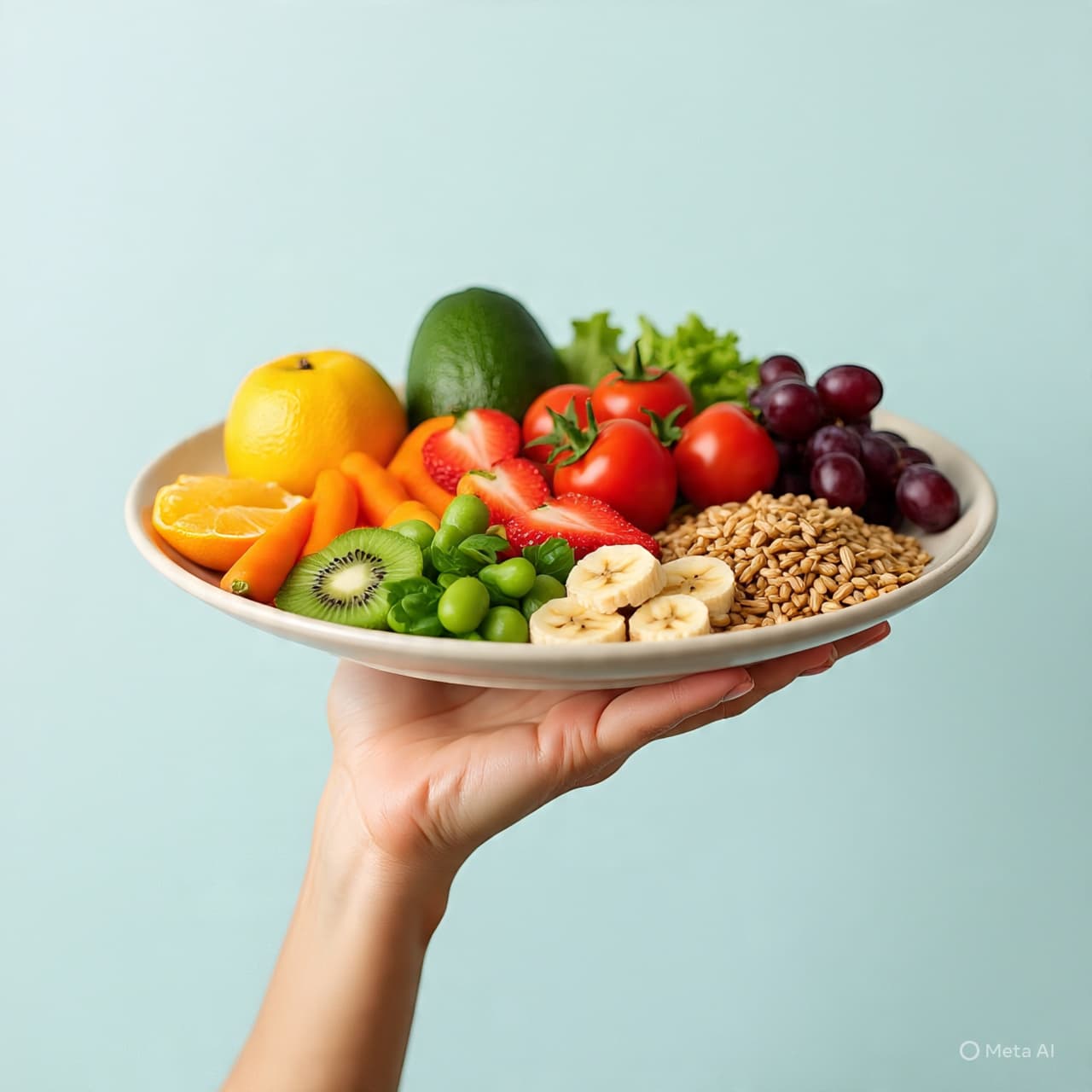
Article Food is woven into every part of life — culture, celebration, comfort, community, and nourishment. Yet so often we listen to an inner or outer voice that whispers this: “That’s good food,” or “That’s bad food.” These simple labels may seem helpful at first — a quick guidepost in a world full of choices — but as someone who studies nutrition and helps people form healthier relationships with eating, I’ve learned that this binary way of thinking often does far more harm than good.
At its heart, food is fuel and experience, not a moral decree. Every edible item provides some form of energy or nutrients your body can use, even if in different proportions. When we say a food is “bad,” we’re not just describing its nutrient profile — we’re attaching judgment, and that inevitably shapes how we feel about ourselves after eating it. This moralization of food can lead to cycles of guilt, restriction, and compensatory behaviors that don’t support long‑term wellbeing.
Consider this: many people instinctively categorize foods with low calories or trendy buzzwords as “good,” and everything else as “bad.” But nutritional value isn’t a moral badge, and labeling foods this way oversimplifies a complex science. A chocolate bar may be high in sugar and fat, but those ingredients don’t make anyone a bad person for enjoying it. Conversely, a “nutritious” food eaten in excess may not serve your body’s needs either. Strict binaries like “good vs. bad” often ignore the context of eating — how often, how much, and how balanced a person’s overall pattern of eating truly is.
Worse, when foods carry moral weight, people tend to develop anxiety around eating. Suddenly a slice of cake isn’t just a choice — it’s a failure or a cheat. This creates stress, shame, and even unhelpful diet cycles — restrict, then overeat, then restrict again — which research shows can undermine both mental health and sustainable nutrition habits.
A more helpful mindset is one of neutrality and balance. Instead of asking whether a food is inherently “good” or “bad,” ask: How does this fit into my needs, my day, and my enjoyment? Focus on diverse, nourishing meals most of the time, listen to your hunger and fullness cues, and include foods you enjoy without fear. This approach isn’t permission to eat anything in unlimited quantities — it’s an invitation to understand food as part of a larger relationship with your body and your life.
Ultimately, abandoning rigid labels frees us from guilt and opens space for curiosity, satisfaction, and sustainable choices. When food is seen as neutral fuel and pleasure rather than judgment, eating becomes an act of nourishment — not a test of character.
AI Image Disclaimer (Rotated Wording) Images in this article are AI-generated illustrations, meant for concept only.
Sources (Media Names Only) Washington Post Good Housekeeping Dietitian UK Nutrition Pathway Roper St. Francis Healthcare
Published by Banx Network. This article is part of the Banx decentralized media programme, powered by the BXE token on the XRP Ledger.