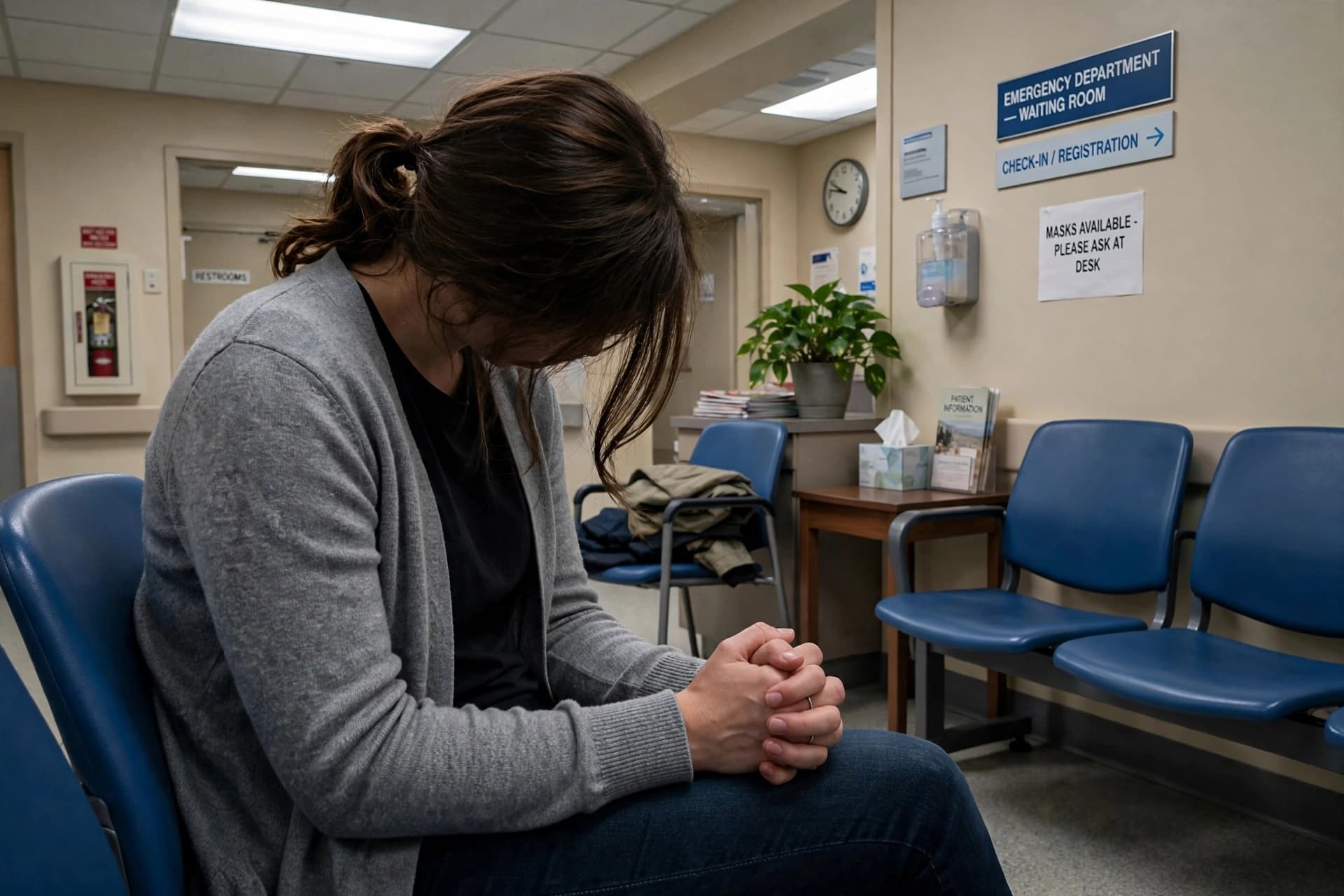
There are journeys that appear ordinary from a distance, yet feel endlessly complicated when lived step by step. Walking, for most people, belongs to the background of daily life, like breathing or blinking. But for those living with multiple sclerosis, each movement can carry weight far heavier than the body alone. It is not only about balance or strength, but about being seen, misunderstood, and quietly measured by strangers who do not know the story unfolding beneath the surface.
People with MS often describe walking as a negotiation rather than a habit. Some days feel steady, others unpredictable, shaped by fatigue, pain, or legs that do not always respond as expected. The frustration does not come only from physical limitation, but from its inconsistency. A person may walk unaided one day and need support the next, leaving observers confused and, at times, suspicious. This uncertainty can create a silent pressure to explain oneself, even when words feel insufficient.
Stigma frequently follows this uncertainty. Several people with MS have spoken about being questioned for using mobility aids one moment and not the next. Others describe uncomfortable stares, whispered comments, or assumptions that they are exaggerating their condition. The emotional toll of these moments can linger longer than physical discomfort. Walking becomes not just a physical act, but a public performance where legitimacy feels constantly tested.
Emotion weaves through these experiences in complex ways. There is grief for what once felt effortless, anger at bodies that no longer obey, and resilience built quietly over time. Many describe learning to pace themselves, to accept help without surrendering dignity, and to redefine independence on their own terms. These stories reveal that walking with MS is not simply about movement, but about identity, patience, and endurance.
As awareness grows, advocacy groups and researchers continue to emphasize listening to lived experience alongside clinical data. By sharing these personal accounts, people with MS are reshaping how disability is understood, reminding the public that not all struggles are visible and not all strength looks the same. Their words invite a gentler, more attentive way of seeing the everyday acts many take for granted.
AI Image Disclaimer
“Illustrations were produced with AI and serve as conceptual depictions.”
Sources
BBC News
The Guardian
The New York Times
Reuters Health
National Multiple Sclerosis Society
Published by Banx Network. This article is part of the Banx decentralized media programme, powered by the BXE token on the XRP Ledger.