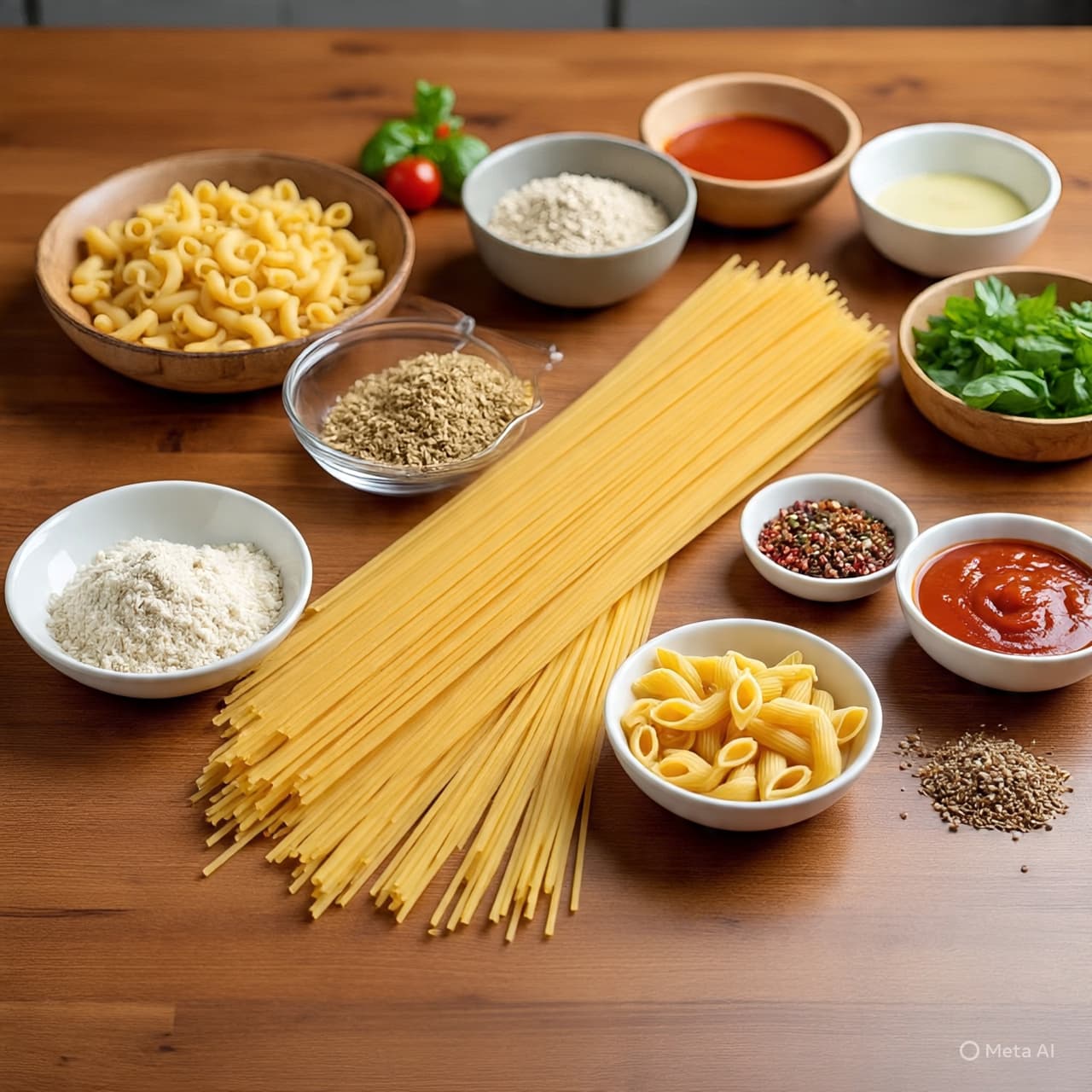
Evening routines often unfold without thought. A pot fills with water. A packet is opened. Dinner begins to take shape in familiar gestures learned through repetition rather than attention. In moments like these, food feels safe by default — an ordinary comfort built into daily life.
For one family, that quiet assumption shattered with the opening of a bag of grated cheese.
The Pecorino Romano, purchased with no sense of urgency or suspicion, had already been placed on a federal recall list. Unknown to those preparing the meal, health authorities had warned that the product carried a potential risk of listeria monocytogenes, a bacterium capable of causing severe — and in some cases fatal — illness.
Listeria is unlike many foodborne threats. It can survive refrigeration, remain undetected by taste or smell, and pose its greatest danger to pregnant women, newborns, the elderly, and people with weakened immune systems. In severe cases, infection can lead to bloodstream illness, neurological complications, miscarriage, or death.
The recalled cheese was part of a wider alert issued by the US Food and Drug Administration after routine testing detected possible contamination. Consumers were advised not to eat the product under any circumstances and to discard it immediately or return it to the place of purchase.
Yet recalls often move quietly through official channels — posted online, circulated through notices few households regularly check. Products already sitting in fridges can remain untouched by warnings, continuing to feel harmless simply because they look unchanged.
Public health officials consistently stress that listeria outbreaks are especially dangerous precisely because of this invisibility. Unlike spoiled food, contamination leaves no clear signal. The first indication may arrive not in the kitchen, but in a hospital.
In this case, the family became aware of the recall only after learning of the alert through subsequent media coverage. The meal was stopped before consumption, but the moment left a lasting unease — a reminder of how easily risk can pass unnoticed into ordinary spaces.
Authorities continue to urge consumers to monitor recall announcements and to treat them with urgency, even when symptoms are absent. Listeria infections can take weeks to appear, making early awareness crucial.
The incident serves as a quiet warning rather than a dramatic one. Not every danger announces itself loudly. Sometimes it sits silently in a refrigerator, wrapped in familiarity, waiting for the moment it is trusted.
AI IMAGE DISCLAIMER Visuals are created using AI tools and are intended for conceptual illustration only.
SOURCES FDA (Food and Drug Administration) CDC (Centers for Disease Control and Prevention) Associated Press CBS News NBC News
Published by Banx Network. This article is part of the Banx decentralized media programme, powered by the BXE token on the XRP Ledger.