

Key Highlights
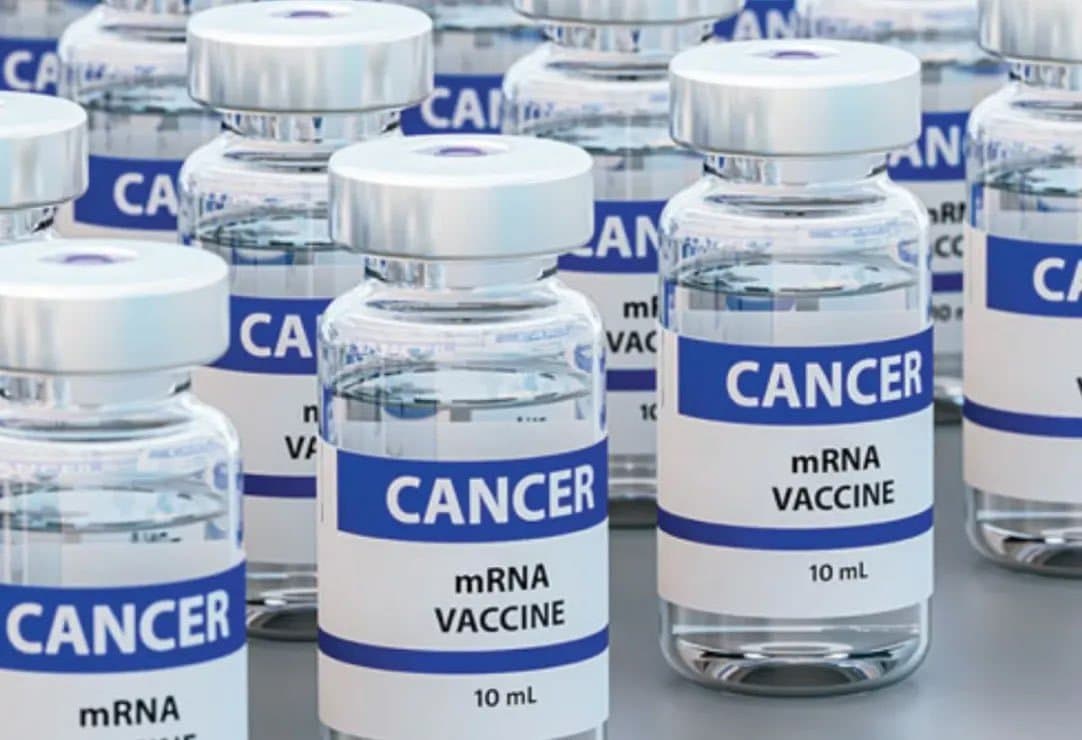
- First Patient:Russia has administered its first personalized mRNA cancer vaccine, Neoconvocat, to a melanoma patient.
- Treatment Approach:The vaccine is tailored to the patient's specific tumor biology, enhancing treatment precision.
- Future Implications:If successful, this could lead to broader applications across various cancer types.
In a landmark moment for precision oncology, Russia has administered its first personalized cancer vaccine, named Neoconvocat, to a melanoma patient at the National Medical Research Center for Radiology. The recipient is a 60-year-old from the Kursk region, who received the mRNA-based treatment alongside immunotherapy. This event marks a significant milestone in the ongoing battle against cancer, showcasing the potential of personalized medicine.
The development of Neoconvocat represents a substantial advance in cancer treatment methodologies. Unlike traditional therapies that apply a one-size-fits-all approach, this mRNA vaccine is specifically designed to target the unique biology of each patient's tumor. By training the immune system to recognize and attack only malignant cells, Neoconvocat aims to minimize the collateral damage often associated with conventional chemotherapy, which can harm healthy tissues and lead to severe side effects.
Russia's delivery of this personalized vaccine positions it among a select group of countries actively deploying next-generation cancer therapeutics. The global spotlight on mRNA technology surged during the COVID-19 pandemic, particularly with the success of the Pfizer-BioNTech and Moderna vaccines. However, the application of mRNA technology in oncology has been a long-sought goal for researchers, as personalized cancer vaccines focus on treating existing diseases rather than preventing infections. This shift signifies a transformative move from public health tools to precision medicine, potentially revolutionizing cancer care.
The 60-year-old melanoma patient receiving Neoconvocat, in conjunction with immunotherapy, could represent the first of many individuals benefiting from this innovative approach. If the treatment proves effective, it may pave the way for similar vaccines targeting other cancer types, offering renewed hope to millions of patients facing limited treatment options. The implications of this development extend beyond individual cases, as it could signify a broader shift in oncology towards more personalized and effective treatment strategies.
As the field of oncology enters this new era, Russia's administration of the first personalized mRNA cancer vaccine marks a significant step forward. The potential for personalized vaccines to change the landscape of cancer treatment is immense, and the medical community will be closely monitoring the outcomes of this groundbreaking initiative. With ongoing research and development, the future of cancer therapy may be brighter than ever, as personalized medicine continues to evolve and expand its reach.
Published by Banx Network. This article is part of the Banx decentralized media programme, powered by the BXE token on the XRP Ledger.




