

Key Highlights
- Health officials warn of leptospirosis risk following Hawaii floods.
- Contaminated floodwaters pose health threats to residents and cleanup crews.
- Precautionary measures advised to prevent exposure to bacteria.
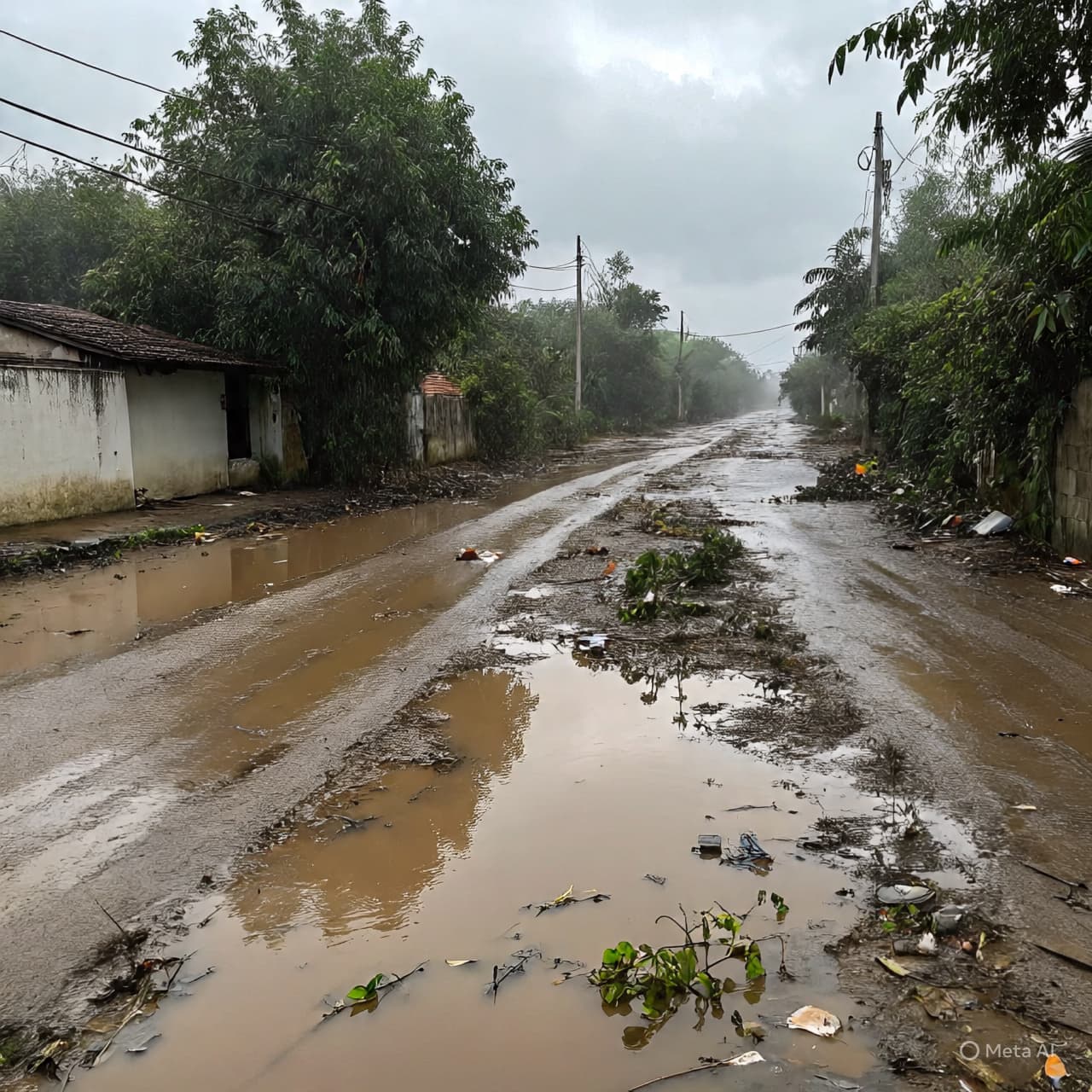
In the aftermath of recent flooding across Hawaii, health officials are sounding alarms about the potential rise of leptospirosis, a bacterial disease that can be transmitted through water contaminated with the urine of infected animals. While the immediate visual impact of flooding may seem to dissipate, the hidden dangers lurking in the floodwaters can pose significant health risks to those who come into contact with them.
Leptospirosis is particularly concerning in tropical regions like Hawaii, where warm temperatures and frequent rainfall create ideal conditions for the bacteria to thrive. Flooding exacerbates the situation by expanding the areas where contaminated water can be found. Individuals who wade through standing water, engage in cleanup efforts, or come into contact with wet soil are at heightened risk, especially if they have open cuts or abrasions. The bacteria can also enter the body through mucous membranes, making even brief exposure a potential health hazard.
Symptoms of leptospirosis can range from mild to severe, often starting with fever, headache, muscle aches, and nausea. While many cases are mild and resolve without treatment, severe cases can lead to complications affecting the liver, kidneys, or other organs, necessitating medical intervention. Health officials stress the importance of early recognition and treatment with antibiotics, which can significantly mitigate complications and improve outcomes.
In response to the flooding, public health messaging has focused on practical guidance for residents and visitors. Authorities advise avoiding contact with floodwaters whenever possible and recommend wearing protective clothing, such as boots and gloves, during cleanup activities. Maintaining proper hygiene after potential exposure is also crucial. These straightforward measures serve as a vital line of defense against leptospirosis, a disease that often goes unnoticed until it manifests in more severe forms.
The situation underscores the intricate relationship between climate, environment, and public health. As extreme weather events become more frequent, the conditions that facilitate the spread of waterborne diseases may evolve. In Hawaii, where natural beauty and ecological diversity coexist, public health responses must be vigilant, addressing both immediate health risks and the broader implications of changing environmental conditions.
For communities grappling with the aftermath of flooding, recovery is a multifaceted process. While the visible work of clearing debris and restoring homes is critical, the equally important task of safeguarding public health must not be overlooked. Information dissemination becomes essential, guiding individuals toward informed choices that minimize health risks while allowing daily life to gradually return to normal.
As officials continue to monitor the situation, updates regarding confirmed cases or changes in risk levels are anticipated. For now, the advisory remains a precautionary measure, urging residents to remain vigilant about the hidden dangers associated with floodwater exposure and to approach recovery efforts with both caution and care.
Published by Banx Network. This article is part of the Banx decentralized media programme, powered by the BXE token on the XRP Ledger.




