

Key Highlights
- Mosquitoes in South America are developing resistance to insecticides.
- This resistance threatens decades of progress in malaria control.
- Global health organizations are monitoring the situation closely.
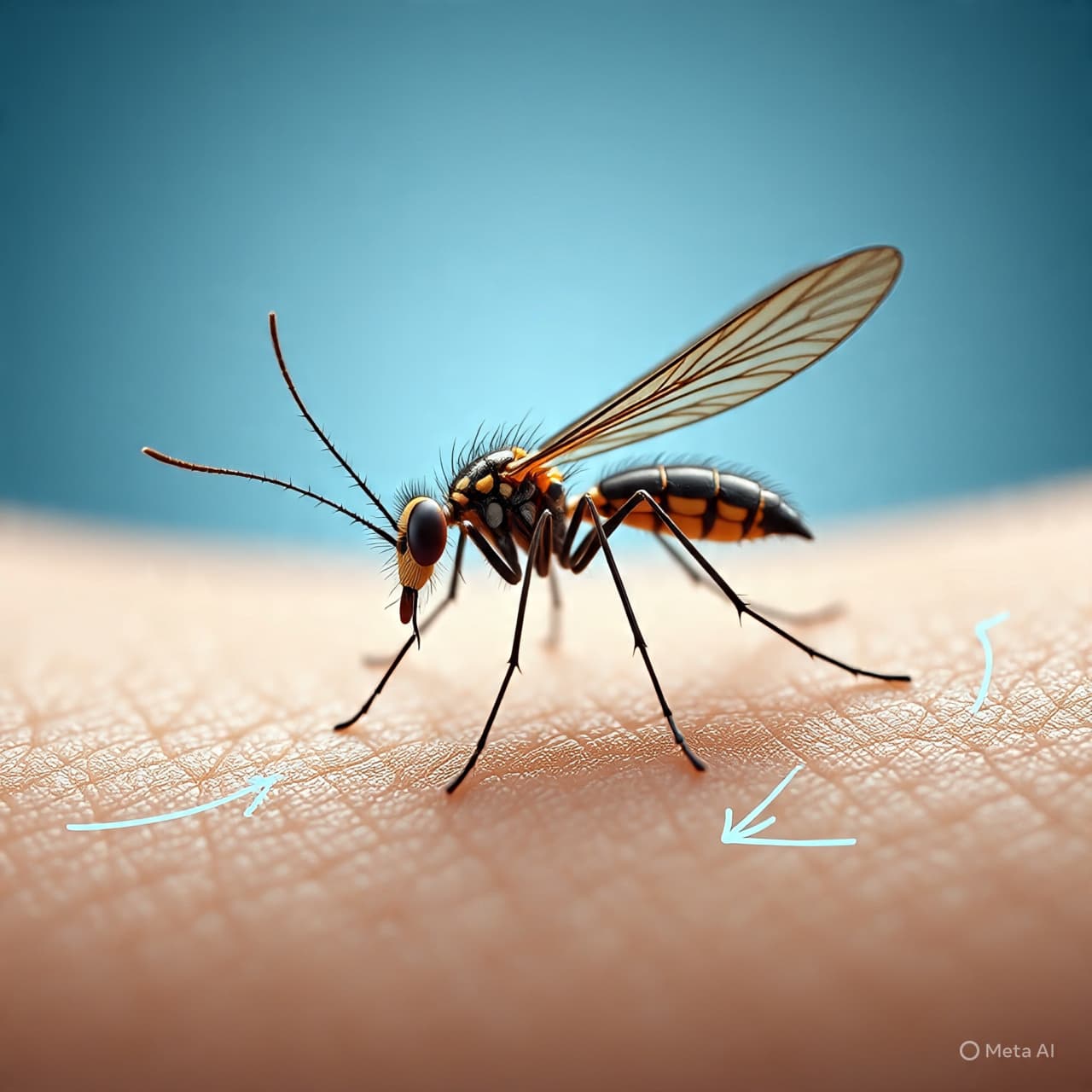
The ongoing battle against malaria faces a new and formidable challenge as mosquitoes in South America develop resistance to commonly used insecticides. This alarming trend has caught the attention of scientists and public health experts, who are now grappling with the implications of this resistance on malaria control efforts that have been in place for decades.
For years, strategies such as insecticide-treated nets and indoor residual spraying have been the cornerstone of malaria prevention. These methods have significantly reduced infection rates across various regions. However, their success hinges on the assumption that mosquito populations remain vulnerable to these chemical interventions. Recent studies indicate that this assumption is increasingly under threat as certain mosquito populations exhibit heightened resilience against the very insecticides designed to control them.
The emergence of insecticide resistance is not a sudden occurrence; it is a gradual process driven by natural selection and repeated exposure to these chemicals. In regions where insecticides are frequently used, mosquitoes that possess genetic mutations allowing them to survive exposure are more likely to reproduce, leading to a population that is increasingly resistant over time. This evolution poses a serious risk to malaria control, as the effectiveness of existing interventions may wane, potentially resulting in a resurgence of malaria cases.
The implications of this resistance extend beyond South America. Similar patterns have been documented in various parts of the world, highlighting a global public health concern. As resistance spreads, the challenge of controlling malaria becomes more complex, necessitating a multifaceted response from health authorities and researchers alike.
To combat this growing threat, experts advocate for a comprehensive approach that includes the development of new insecticides, the exploration of alternative control methods, and the enhancement of surveillance systems to monitor resistance patterns. Community engagement is also crucial, as local practices and awareness can significantly influence the effectiveness of malaria prevention strategies.
This situation serves as a stark reminder of the adaptive capacity of living organisms. The fight against malaria is not static; it requires continuous evolution and innovation. International organizations, including the World Health Organization, are actively tracking these developments and fostering collaboration among governments, research institutions, and health agencies to ensure that the progress made over the years is not undone.
While the emergence of resistance introduces uncertainty into malaria control efforts, it also emphasizes the need for sustained investment in research and innovation. By committing to the development of new tools and strategies, the global community can maintain momentum in the fight against malaria.
Ultimately, the unfolding story in South America underscores the importance of vigilance in public health. Recognizing early signs of change and responding proactively can help navigate the delicate balance between human intervention and nature's adaptability, ensuring that the fight against malaria continues effectively.
Published by Banx Network. This article is part of the Banx decentralized media programme, powered by the BXE token on the XRP Ledger.




