
Key Highlights
- Rising cancer survivorship rates are projected through 2045.
- Advances in screening technologies are crucial for early detection.
- Access to new screening methods raises equity concerns.
The future of cancer care is being shaped by a promising projection: rising survivorship rates through 2045, driven by advancements in early detection technologies. This forecast serves as a guiding map rather than a definitive conclusion, suggesting a transformative shift in how healthcare systems approach cancer treatment and patient management.
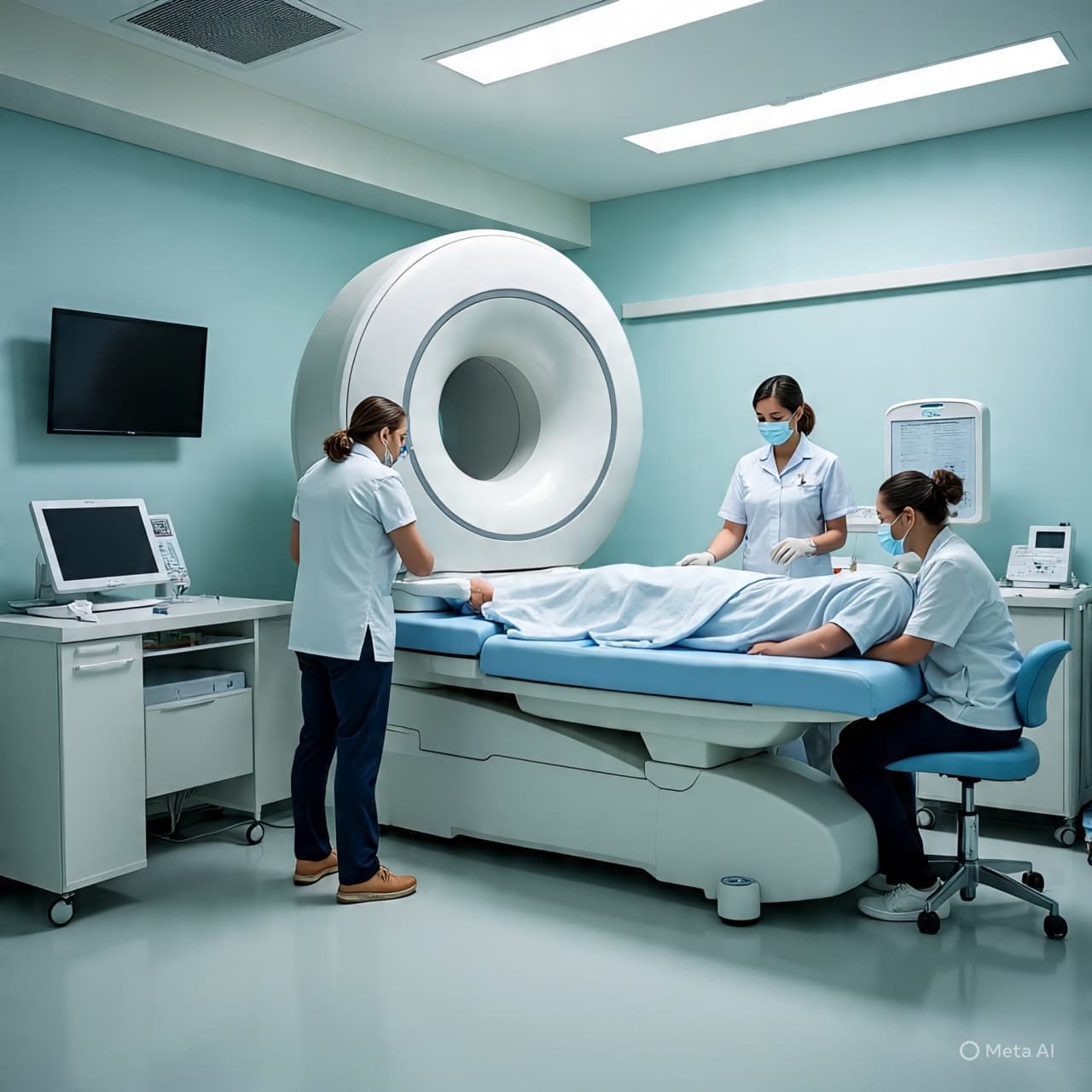
Cancer has long been understood in terms of treatment timing; the earlier it is detected, the more options become available for intervention. New screening technologies, including advanced imaging and genetic analyses, are enhancing the ability to identify risks at earlier stages. This shift emphasizes the importance of anticipation in healthcare, allowing for more precise and effective interventions.
As survivorship rates increase, the definition of survivorship itself is evolving. It now encompasses not just overcoming the illness but also the ongoing journey of monitoring and long-term health management. Healthcare systems are adapting to support this extended phase of care, focusing on both physical and emotional well-being as more individuals live beyond their initial diagnosis.
However, the interplay between technology and access cannot be overlooked. As new screening methods emerge, ensuring equitable access becomes paramount. The projection of rising survivorship is not merely a reflection of innovation but also a testament to how widely these advancements can be shared across diverse populations. Addressing these disparities is essential for translating medical progress into meaningful outcomes for all.
While the projections are grounded in current trends, they also depend on continued advancements in medical research and public health implementation. The effectiveness of new screening technologies must be matched by systems capable of delivering timely diagnoses and care, alongside efforts to raise awareness about the importance of regular health checks.
The journey toward higher survivorship rates is multifaceted, involving technology, policy, education, and access. Each element plays a critical role in how early detection translates into improved outcomes and how those outcomes are sustained over time. As we look toward 2045, this projection serves as both a forecast and an invitation to continue advancing screening technologies, expanding access, and deepening our understanding of cancer care.
In conclusion, the path to increased cancer survivorship is not defined by a single breakthrough but rather by a steady accumulation of improvements. Each advancement contributes to a more hopeful horizon for patients and healthcare providers alike, underscoring the importance of ongoing innovation in the fight against cancer.
Published by Banx Network. This article is part of the Banx decentralized media programme, powered by the BXE token on the XRP Ledger.



