When Thailand Becomes Part of the AI Supply Chain: Electronics Find New Purpose Beneath Digital Expansion
Thailand is gaining a stronger role in the AI supply chain through power, cooling, optical, networking, server, and storage equipment.

Thailand is gaining a stronger role in the AI supply chain through power, cooling, optical, networking, server, and storage equipment.

Thailand is expanding industrial robotics and automation as manufacturers seek greater productivity, precision, and competitiveness in regional supply chains.

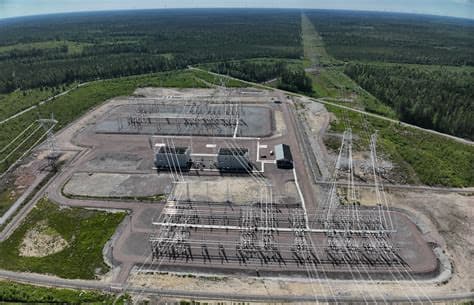
Thailand's expanding data-center sector is increasing demand for reliable electricity, encouraging greater attention to renewable energy and sustainable infrastructure.

Thailand is exploring digital and AI technologies for maritime operations as ports and shipping companies seek greater efficiency and connectivity.

Thailand is pursuing a larger semiconductor role by attracting higher-value investment, developing skilled workers, and expanding research, design, testing, and advanced electronics.

Thailand is strengthening its electronics industry as demand for AI hardware, data-center equipment, advanced components, and connected technologies continues to rise.

Thailand's manufacturing sector is increasingly adopting AI and automation to improve productivity, quality control, maintenance, and supply-chain efficiency.

Thailand's fintech sector continues expanding through digital payments, mobile banking, financial platforms, and new technology connecting consumers with financial services.

Thailand's expanding e-commerce sector is adapting to stronger digital-commerce rules as online shopping, payments, and platform services continue to grow.

Thailand's growing digital investment is connecting data centers, electronics manufacturing, cloud services, and traditional industries within a broader technology ecosystem.

Thailand's data-center investment is expanding rapidly, strengthening its position in Southeast Asia's digital infrastructure and AI ecosystem.

Thailand's technology rules are evolving around AI, cybersecurity, fintech, and digital platforms as digital business and investment continue expanding.

Mitsubishi Motors plans to invest 16 billion baht in Thailand by 2030, focusing on electric vehicle technology and production.

Thailand approved nine investment projects worth $1.99 billion in July, covering AI, advanced electronics, aviation, clean energy, and food.

Thailand is tightening data-center investment screening as AI demand increases pressure on electricity, water, environmental resources, and infrastructure.

Shein’s Vietnam warehouse trial reportedly underperformed, pushing the fast-fashion giant to double down on China operations.

China’s growing PV presence is increasingly threatened by India’s rapid solar expansion, reshaping China’s strategy.

Thailand's private sector has raised its 2026 growth outlook, citing technology exports, AI investment, and digital reforms as important economic opportunities.

Thailand is gaining ground in the AI supply chain through electronics used in data centers, including power, cooling, networking, optics, and storage

Thailand attracted $43.6 billion in investment applications during the first half of 2026, led by digital infrastructure and AI data centers.

Singapore's equity market is preparing for a potentially more active listing environment as companies and investors look toward renewed capital-market activity.

Razer and the National University of Singapore are collaborating on AI research focused on gaming, intelligent systems, and new digital experiences.

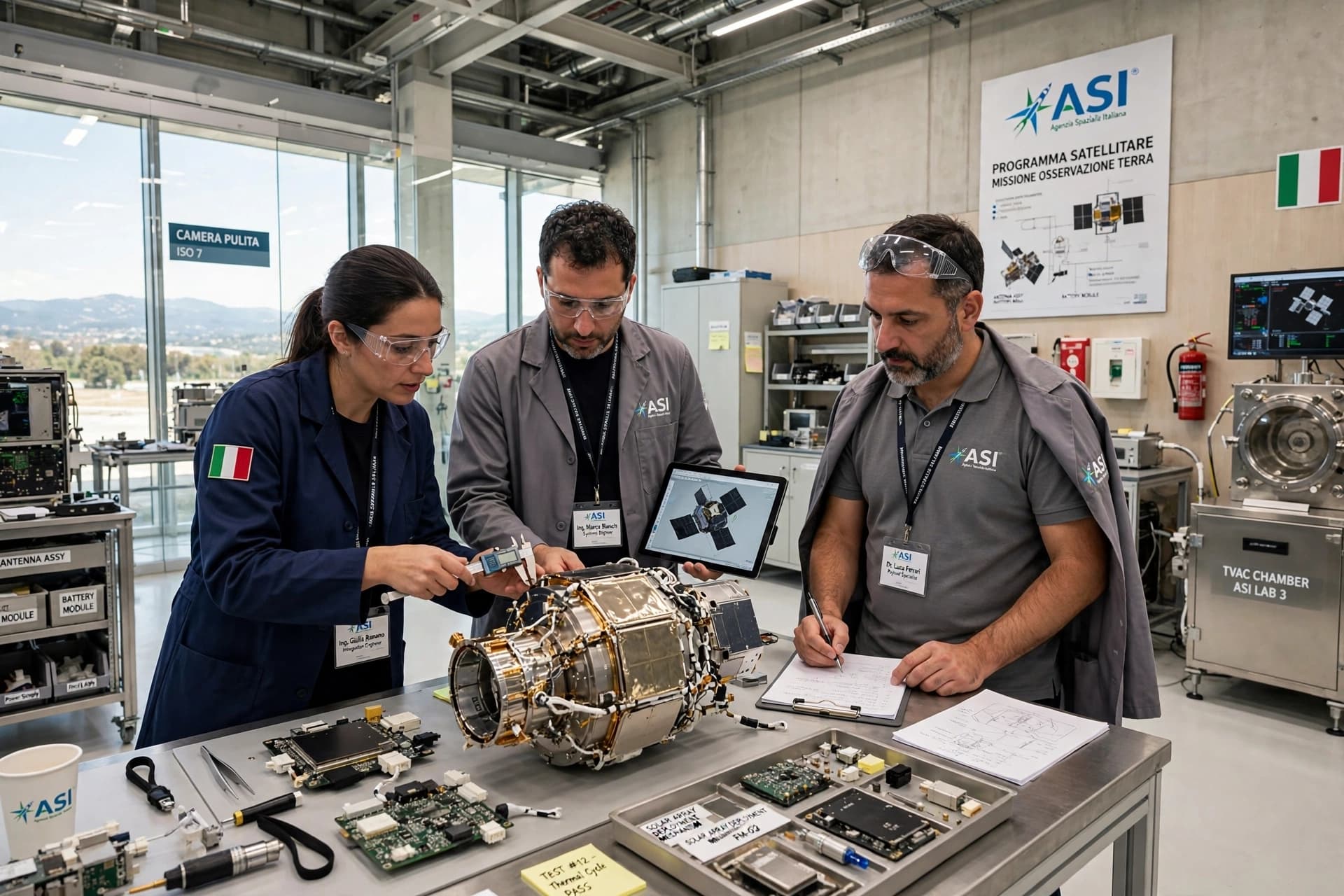
Singapore is broadening its technology strategy beyond AI by developing quantum technology, space systems, semiconductors, and advanced manufacturing capabilities.

Grab raised its 2026 outlook after second-quarter revenue rose 22% to $997 million, while AI and affordability initiatives supported growth.