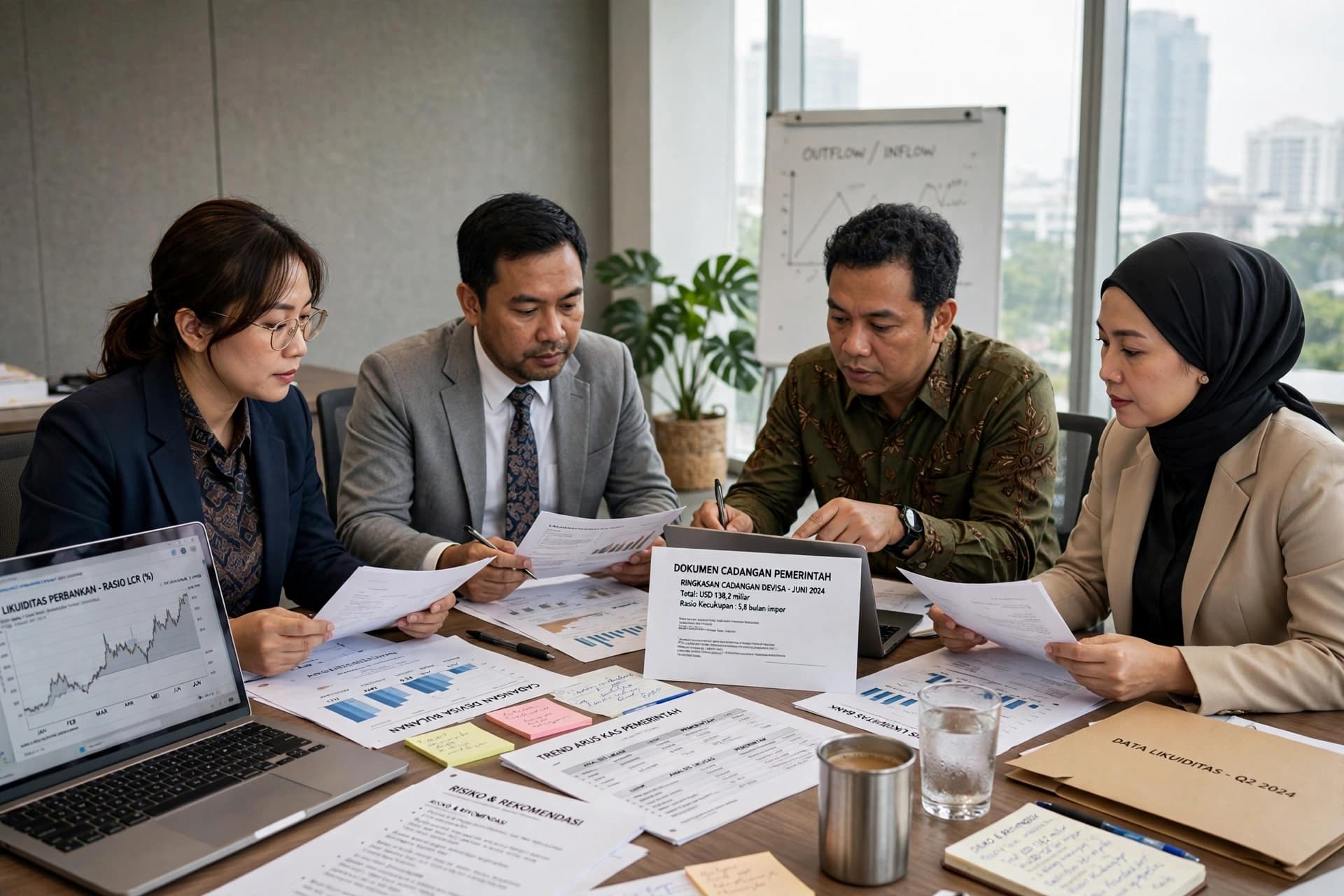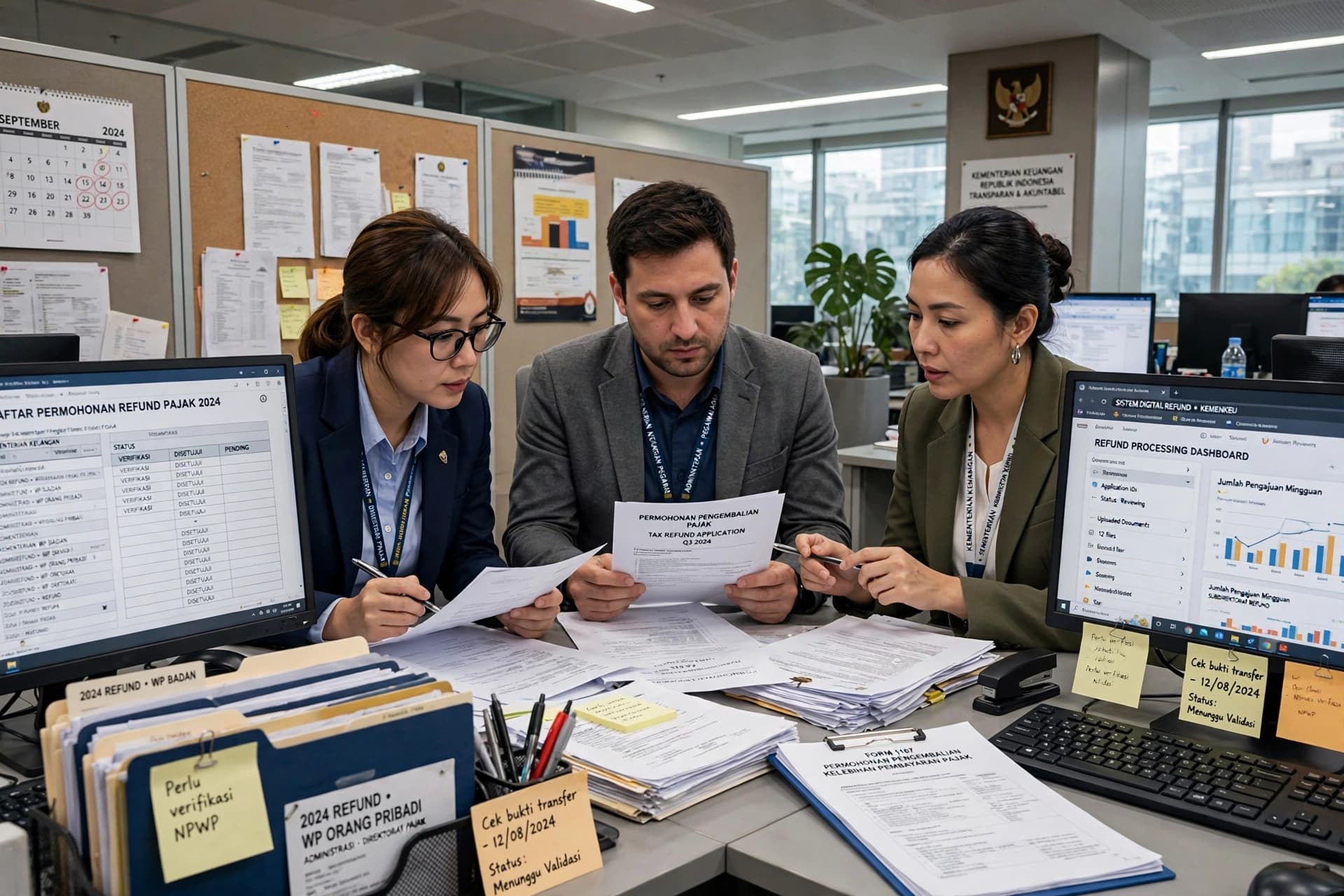
In the quiet architecture of tax offices, money often moves through paperwork before it moves through banks. A refund may begin as a figure on a form, pass through reviews and audits, and eventually return to the person or company that paid more than required. In Indonesia, that process is now receiving renewed attention.
New Finance Minister Suahasil Nazara said Friday that taxpayers who have overpaid would receive refunds in accordance with existing regulations. His statement came during his first days in office after replacing Purbaya Yudhi Sadewa as finance minister.
The issue emerged after the previous administration increased audit requests related to tax refunds. Those additional reviews contributed to delays in processing payments to taxpayers who were eligible to receive money back. Suahasil said the ministry would proceed with refunds according to the applicable rules.
Tax refunds are a routine part of a functioning tax system. Businesses and individuals can sometimes pay more tax than ultimately required because of differences between preliminary payments and final calculations. Once the relevant conditions are met, the excess amount can be returned.
The question of timing, however, becomes particularly important when refunds accumulate. For businesses, delayed payments can affect cash flow and working capital. For individuals, the amounts may be smaller, but the principle remains the same: money paid beyond the final tax obligation is expected to be reconciled through the administrative process.
Suahasil’s remarks came as the Finance Ministry entered a period of transition. His appointment followed the removal of Purbaya earlier in the week, making the handling of tax administration one of the early practical issues facing the new minister.
The ministry is also dealing with a wider fiscal picture. Government revenue through August had risen 25.4% from a year earlier, while spending increased 17.1%. The budget deficit stood at 240.1 trillion rupiah, equivalent to 0.93% of GDP.
Against that background, tax administration carries significance beyond individual refund cases. The collection of revenue, processing of refunds and timing of government payments all contribute to the way businesses and households experience the fiscal system in everyday life.
For taxpayers waiting for refunds, the announcement is therefore less about a change in the basic rules than about the movement of existing claims through the administrative system. The government has indicated that eligible overpayments should be returned in accordance with regulations rather than remaining delayed indefinitely.
The coming period will show how quickly the renewed approach translates into actual payments. For now, the Finance Ministry has put tax refunds back into clear view, with the new minister stating that taxpayers who have overpaid will receive what they are entitled to under existing rules.
AI Image Disclaimer The accompanying images were generated through AI and are intended to visually represent the tax administration context described in this report.
Sources Reuters The Jakarta Post Indonesia Ministry of Finance
Published by Banx Network. This article is part of the Banx decentralized media programme, powered by the BXE token on the XRP Ledger.