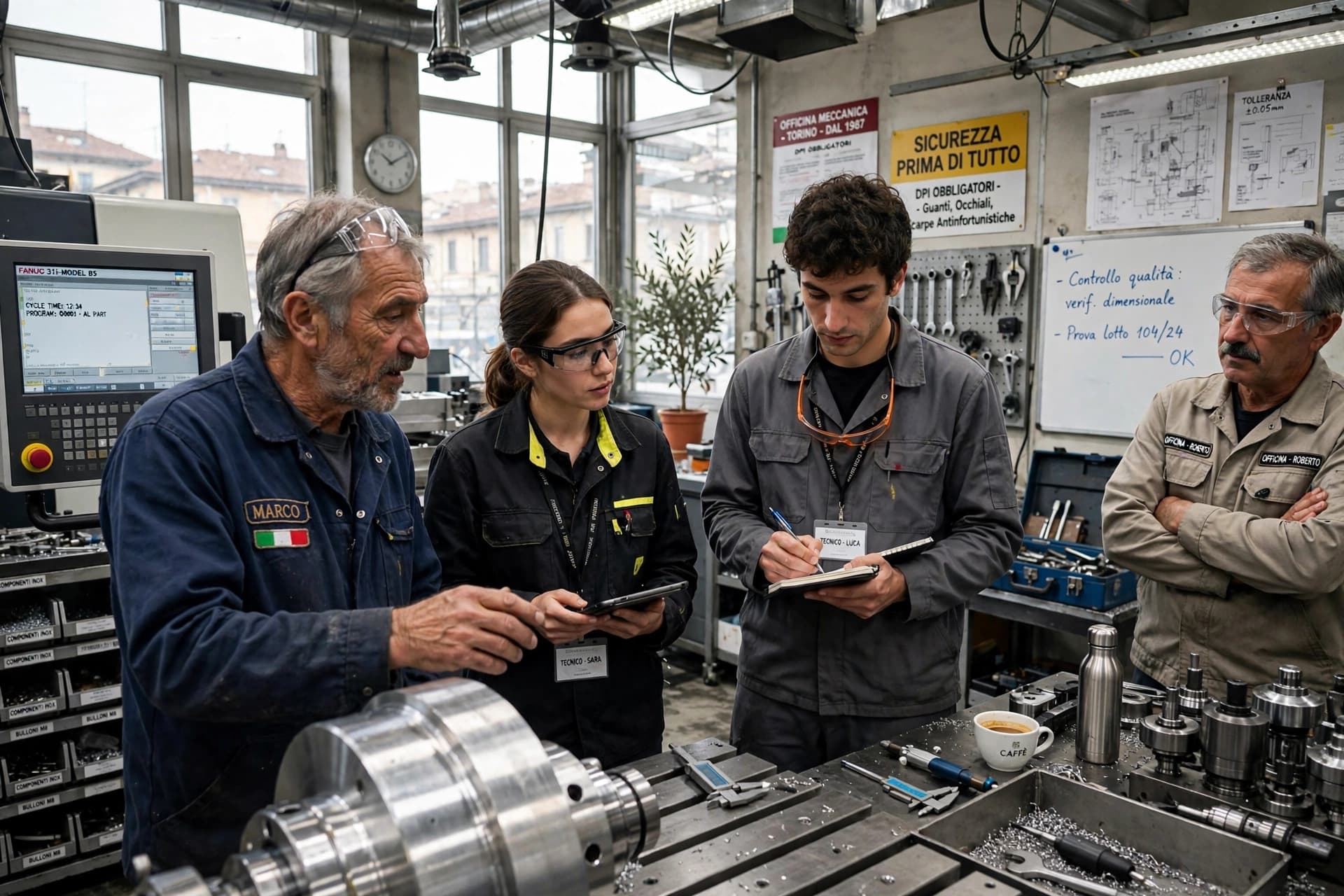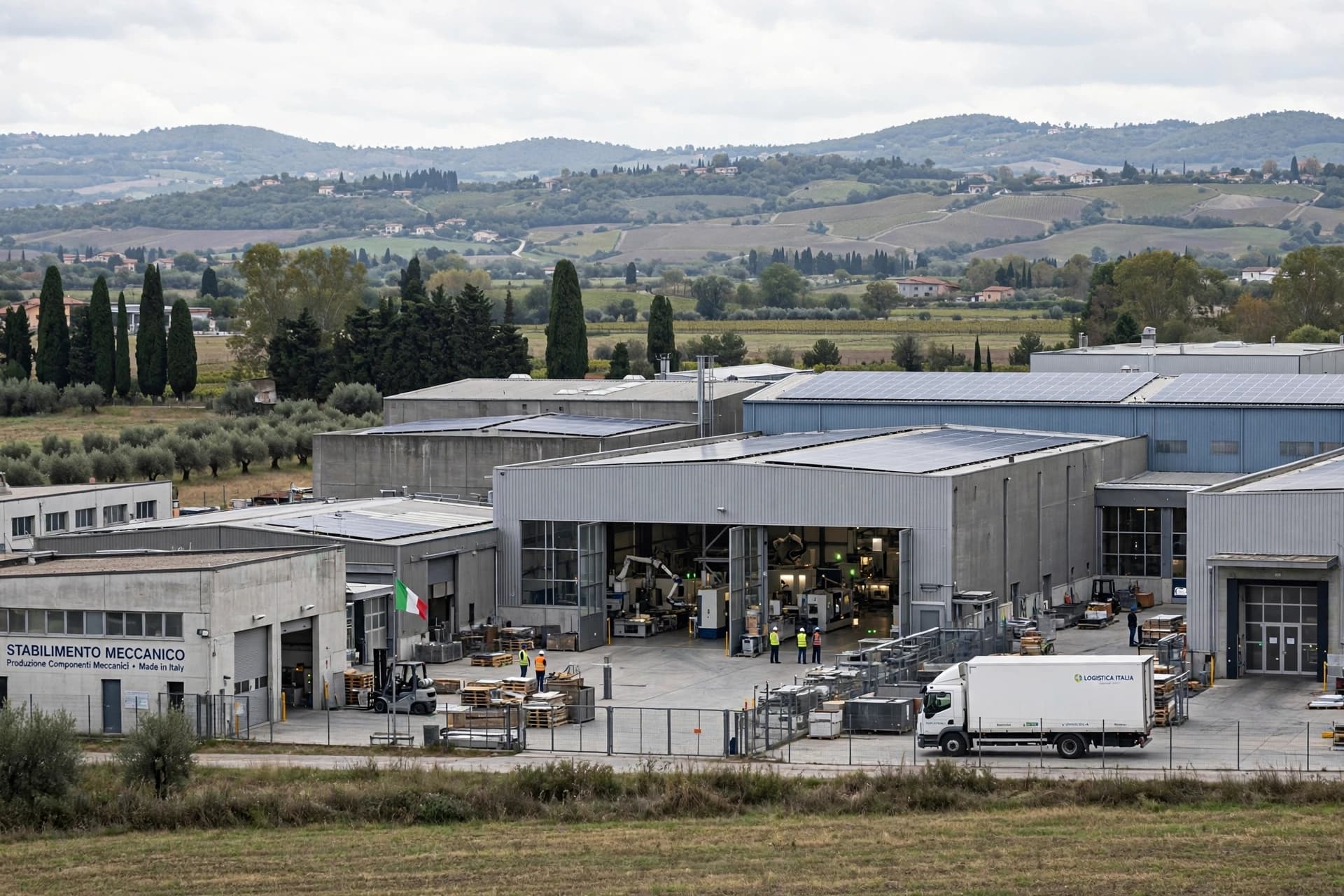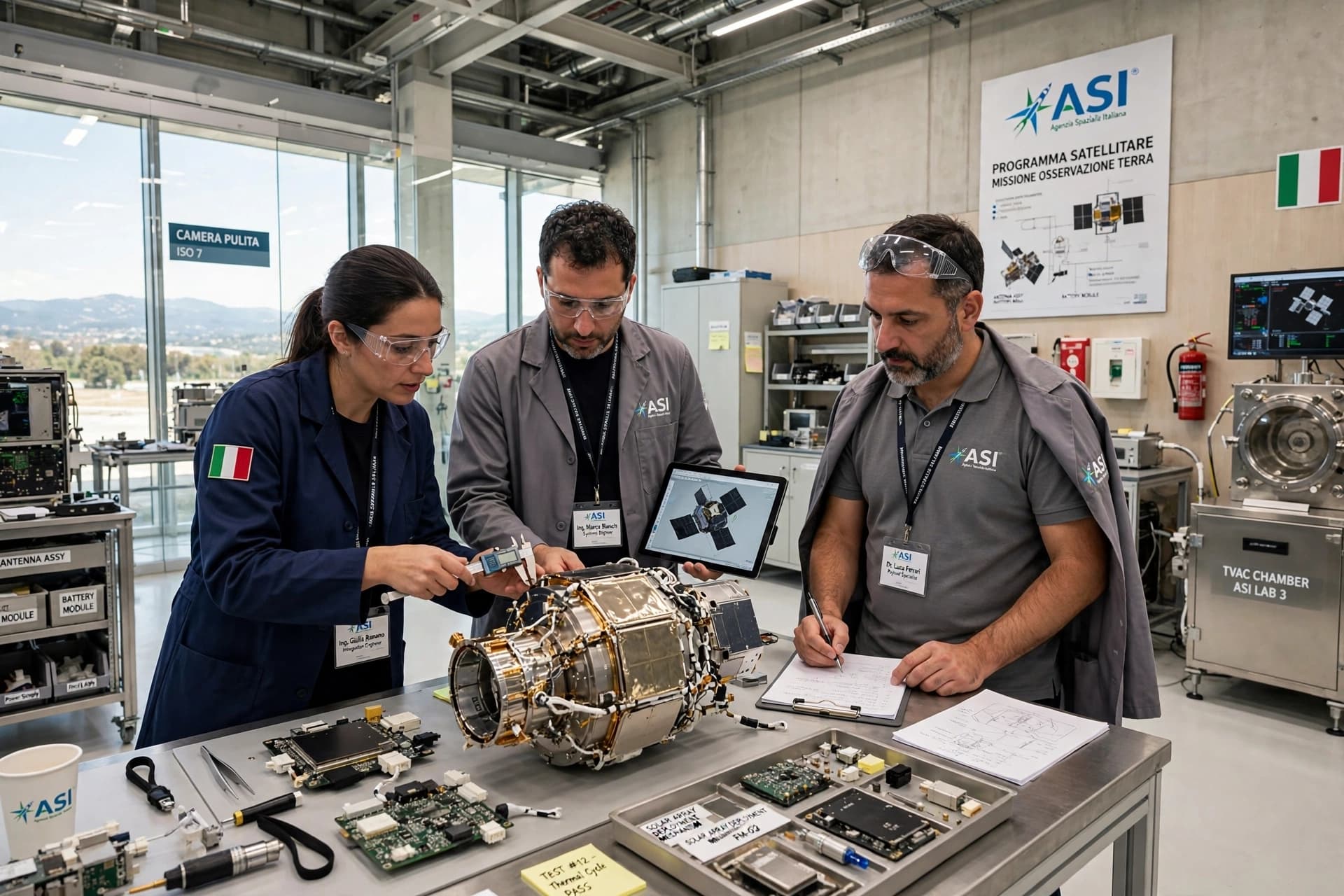
Italy’s space industry is entering a period in which technological achievement must be matched by industrial scale. The country has long maintained expertise in satellites, aerospace engineering, launch-related systems, and advanced research. Yet as Europe places greater importance on space infrastructure, the structure of Italy’s own sector is receiving renewed attention.
The space economy is no longer limited to distant scientific missions or symbolic achievements. Satellites support communications, navigation, weather monitoring, agriculture, environmental observation, and security systems. The growing dependence on these services has made space infrastructure an increasingly important part of national and regional resilience.
Italy possesses a broad network of companies, research institutions, universities, and specialized manufacturers. This diversity has helped the country develop capabilities across several areas. At the same time, a fragmented industrial landscape can make it difficult to coordinate large projects, combine investment, or compete with larger international groups.
Scale has become especially important as space missions grow more complex. Modern projects often require cooperation between software developers, materials specialists, satellite manufacturers, launch providers, data analysts, and public institutions. A company may have deep expertise in one area while lacking the resources to manage an entire system independently.
European cooperation offers one possible response. Joint programs can distribute costs, connect national capabilities, and provide access to larger markets. For Italy, partnerships with other European countries may help strengthen its position while allowing domestic companies to participate in projects that would be difficult to undertake alone.
The sector is also being influenced by the rapid growth of commercial space activity. Private companies are developing new satellite services, earth-observation platforms, communication systems, and launch technologies. This environment can create opportunities for Italian firms, particularly those able to combine specialized engineering with flexible business models.
However, the expansion of the space economy requires more than technical skill. Long-term funding, reliable procurement, skilled workers, and a stable regulatory environment are also essential. Research institutions may develop promising technologies, but turning those discoveries into commercially viable systems can take years of sustained investment.
The strategic importance of space is becoming more visible at a time when Europe is reconsidering its industrial independence. Dependence on external suppliers can create vulnerabilities in communications, navigation, and critical infrastructure. Strengthening domestic and regional capabilities may therefore be viewed not only as an economic goal, but also as a matter of resilience.
Italy’s space sector now stands at an important crossroads. Its existing expertise provides a strong foundation, but the next phase may depend on closer coordination and the ability to transform individual strengths into shared capacity. Above the Earth, where distance can make borders appear small, the future of the industry may be shaped by how effectively institutions and companies learn to work together.
AI IMAGE DISCLAIMER:
This article’s illustrations are AI-generated visual concepts created for editorial presentation. They do not represent exact photographs of specific space missions, facilities, or companies.
SOURCES:
Reuters European Space Agency Italian Space Agency European Commission Italian Ministry of Enterprises and Made in Italy
Published by Banx Network. This article is part of the Banx decentralized media programme, powered by the BXE token on the XRP Ledger.