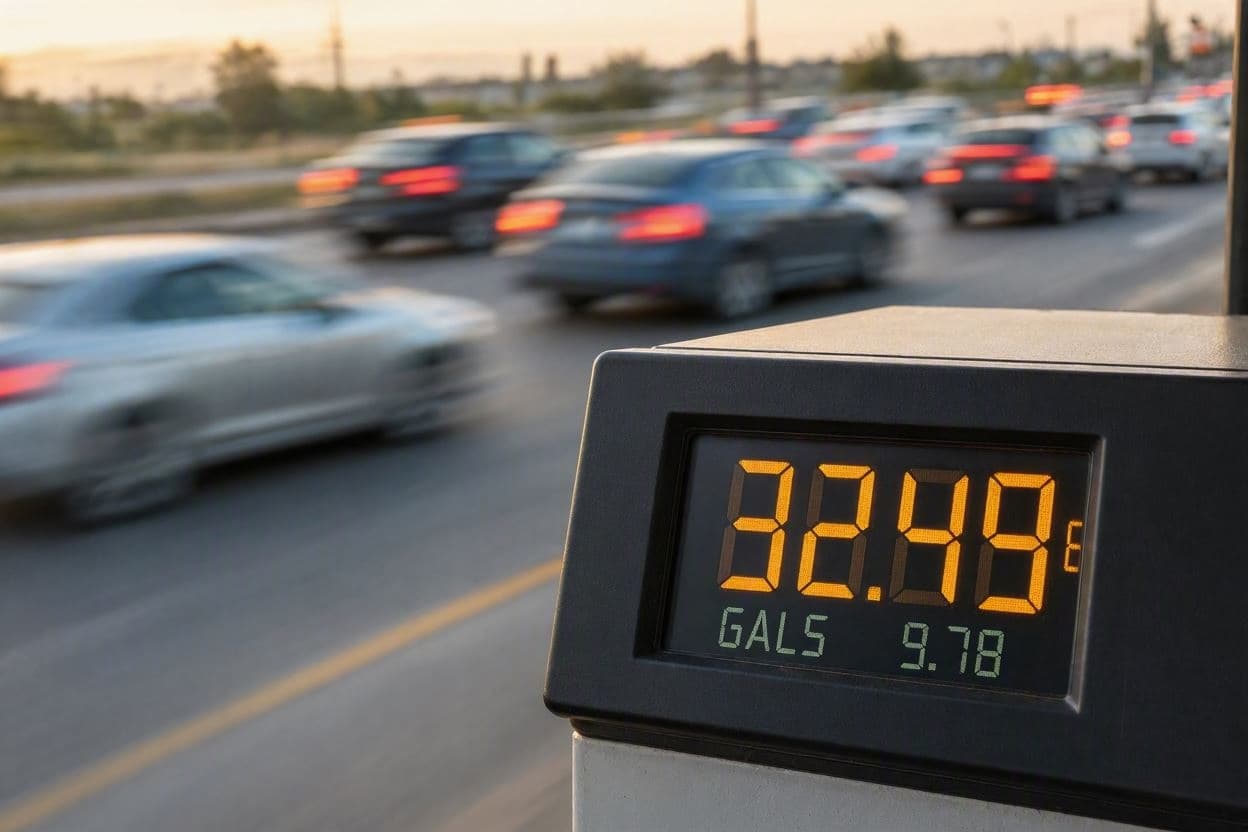
The hum of an engine is a familiar sound in modern life, a rhythm that powers our daily commutes and connects our world. Yet, when geopolitical tensions flare in distant lands, that rhythm can stumble, replaced by the anxious glance at a gas pump display. The ongoing conflict involving Iran has sent shockwaves through global energy markets, causing oil prices to surge and leaving consumers worldwide feeling the pinch. This economic ripple effect reminds us how interconnected our lives are with the stability of far-off regions.
Since the escalation of hostilities, crude oil prices have experienced sharp fluctuations, driven by fears of supply disruptions in the Middle East. The Strait of Hormuz, a critical chokepoint for global oil shipments, has become a focal point of anxiety. Any threat to this vital waterway sends traders into a frenzy, pushing benchmarks like Brent Crude higher. For ordinary drivers, this translates directly into higher prices at the pump, affecting household budgets and consumer confidence.
In the United States, the national average for gasoline has climbed significantly, crossing the $4 per gallon mark in some periods. This increase is not merely a statistic; it represents real financial strain for families already dealing with inflation. Diesel and jet fuel prices have seen even steeper rises, impacting the cost of transporting goods and traveling. The ripple effect extends to grocery bills, as higher transportation costs are passed down to consumers in the form of more expensive food and essentials.
The impact is felt globally, not just in major economies. Developing nations, which spend a larger portion of their income on energy, are particularly vulnerable. Higher fuel costs can lead to increased inflation, social unrest, and economic stagnation. The war in Iran has thus become a global economic issue, transcending borders and affecting people who have no direct connection to the conflict. It highlights the fragility of our energy-dependent world.
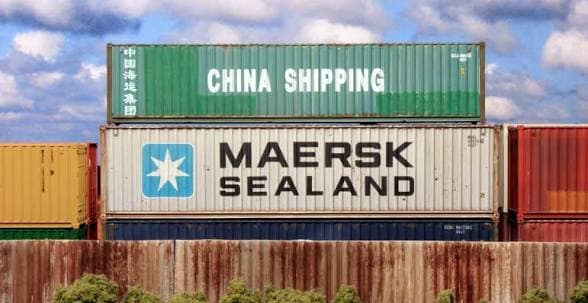
Analysts warn that the worst may yet be ahead if the conflict drags on or expands. Supply chain disruptions could deepen, leading to prolonged high prices. While strategic petroleum reserves and increased production from other countries may offer some relief, they are not infinite solutions. The market remains sensitive to any new developments, keeping prices volatile and unpredictable. This uncertainty makes long-term planning difficult for businesses and households alike.
Governments are grappling with how to mitigate the impact on their citizens. Some have considered subsidies or tax cuts, while others urge conservation and efficiency. However, these measures often come with their own economic trade-offs. The dilemma lies in balancing immediate relief with long-term fiscal health. The political pressure to act is immense, as voters feel the pain at the pump and demand solutions.
Beyond the economic numbers, there is a human element to this crisis. The stress of rising costs adds to the general anxiety of living in uncertain times. People are modifying their behavior, driving less, combining trips, or seeking alternative transportation. This shift, while practical, also reflects a growing awareness of our dependence on fossil fuels and the need for more sustainable energy sources. The war, in a tragic way, is accelerating the conversation about energy independence.
The global pain at the pump caused by the Iran war is a stark reminder of the interconnectedness of geopolitics and everyday life. As oil prices remain volatile, consumers and governments must navigate a challenging economic landscape. The situation underscores the urgent need for diversified energy strategies and greater resilience in the face of international instability.
AI Image Disclaimer: Visuals associated with this article are AI-generated representations intended to visualize the historical context and should not be considered photographic evidence.
Sources: Associated Press Reuters CNBC NBC News
Published by Banx Network. This article is part of the Banx decentralized media programme, powered by the BXE token on the XRP Ledger.