
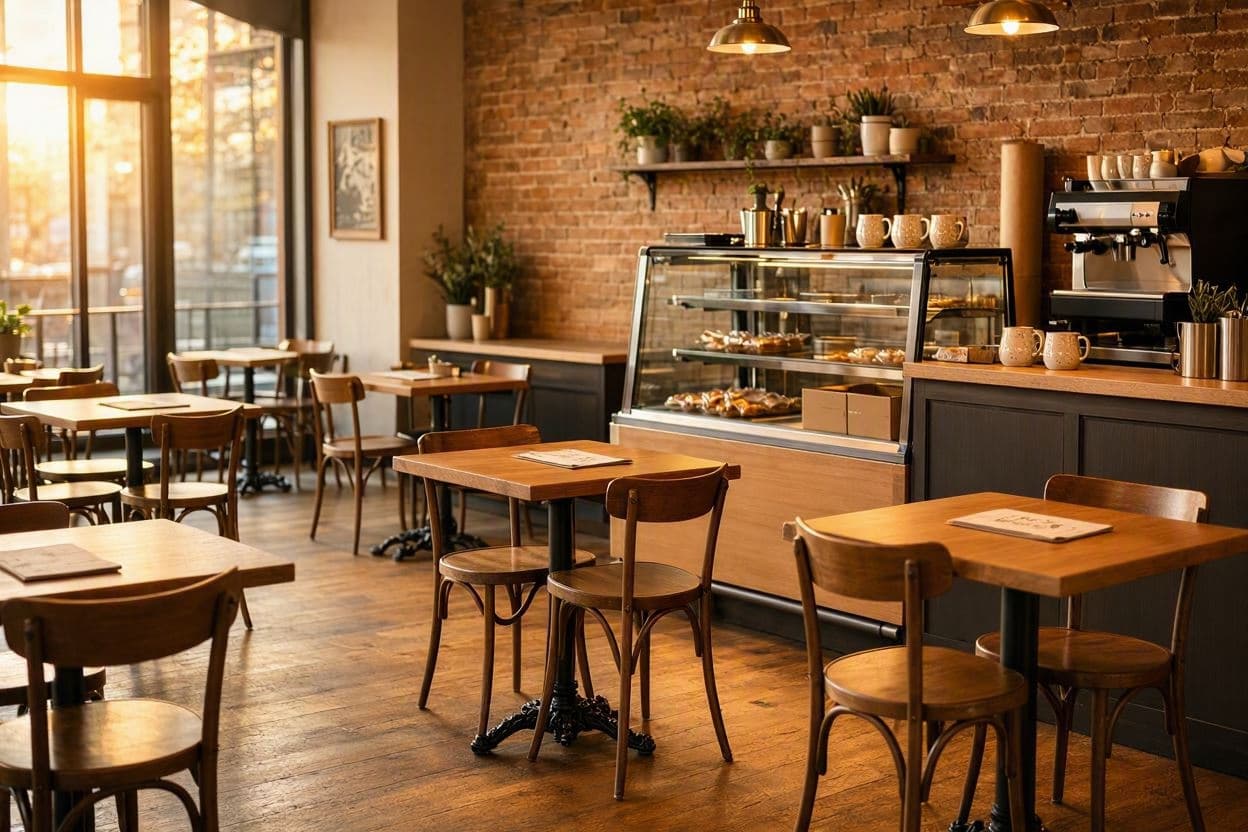
In the vibrant heart of Hamilton, where Locke Street buzzes with the energy of local commerce and community interaction, the closure of Democracy café left a void that was felt deeply by patrons and staff alike. The sudden shutdown, following the unionization of its workers, sparked a debate about labor rights and business sustainability. Now, as a new chapter begins, the question of ownership and future direction offers a moment to reflect on the resilience of local enterprises and the evolving landscape of hospitality in the city.
Democracy, a beloved fixture on Locke Street, closed its doors in December 2025, shortly after its staff successfully unionized. The owner, Chris Mindorff, cited staffing issues and management resignations as the reason for the closure, a decision that drew criticism from former employees and supporters who viewed it as a retaliation against collective bargaining. The incident highlighted the tensions that can arise when traditional business models intersect with modern labor movements, raising questions about fairness and adaptation.
However, the story did not end with the closure. Reports indicate that the space has been acquired by a new entity, though details about the specific identity of the new owner remain part of the ongoing narrative of renewal. In many cases, such transitions involve existing local entrepreneurs who see potential in the location and wish to continue serving the community. The continuity of service, even under new management, suggests a commitment to the neighborhood’s vitality and the enduring appeal of the site.
The transition period is often one of uncertainty for employees and customers. Former staff members, some of whom faced financial hardship due to the sudden layoff, have received support from community fundraising efforts. This outpouring of generosity underscores the strong social fabric of Hamilton, where neighbors rally around those in need. It also serves as a reminder of the human cost of business closures and the importance of ethical practices in employment.
For the new owners, the challenge lies in rebuilding trust and establishing a fresh identity while honoring the legacy of the space. They must navigate the expectations of a community that is increasingly aware of labor issues and values transparency. Success will depend on their ability to create a workplace that is both profitable and respectful of employee rights, balancing economic viability with social responsibility.
The broader implication of this event is a shift in how small businesses operate in Canada. Unionization, once rare in the hospitality sector, is becoming more common as workers seek better conditions and stability. This trend encourages employers to engage in constructive dialogue with their staff, fostering environments where collaboration replaces confrontation. It is a positive evolution that benefits both workers and businesses in the long run.
Local experts note that the survival of independent cafés depends on adaptability and community support. By embracing change and prioritizing fair labor practices, new owners can thrive in a competitive market. The story of Democracy, therefore, is not just about a closure but about the potential for renewal and improvement. It offers lessons for other businesses facing similar transitions.
As the new shop opens its doors, it carries with it the hopes of a community eager for stability and quality service. The transition from Democracy to its successor is a testament to the resilience of Hamilton’s local economy. It reminds us that while businesses may change hands, the spirit of community endures, supported by those who value fairness, dignity, and connection.
AI Image Disclaimer: Images included in this piece are AI-generated artistic renditions created for illustrative purposes and do not depict actual photographs of the café or its new owners.
Published by Banx Network. This article is part of the Banx decentralized media programme, powered by the BXE token on the XRP Ledger.



