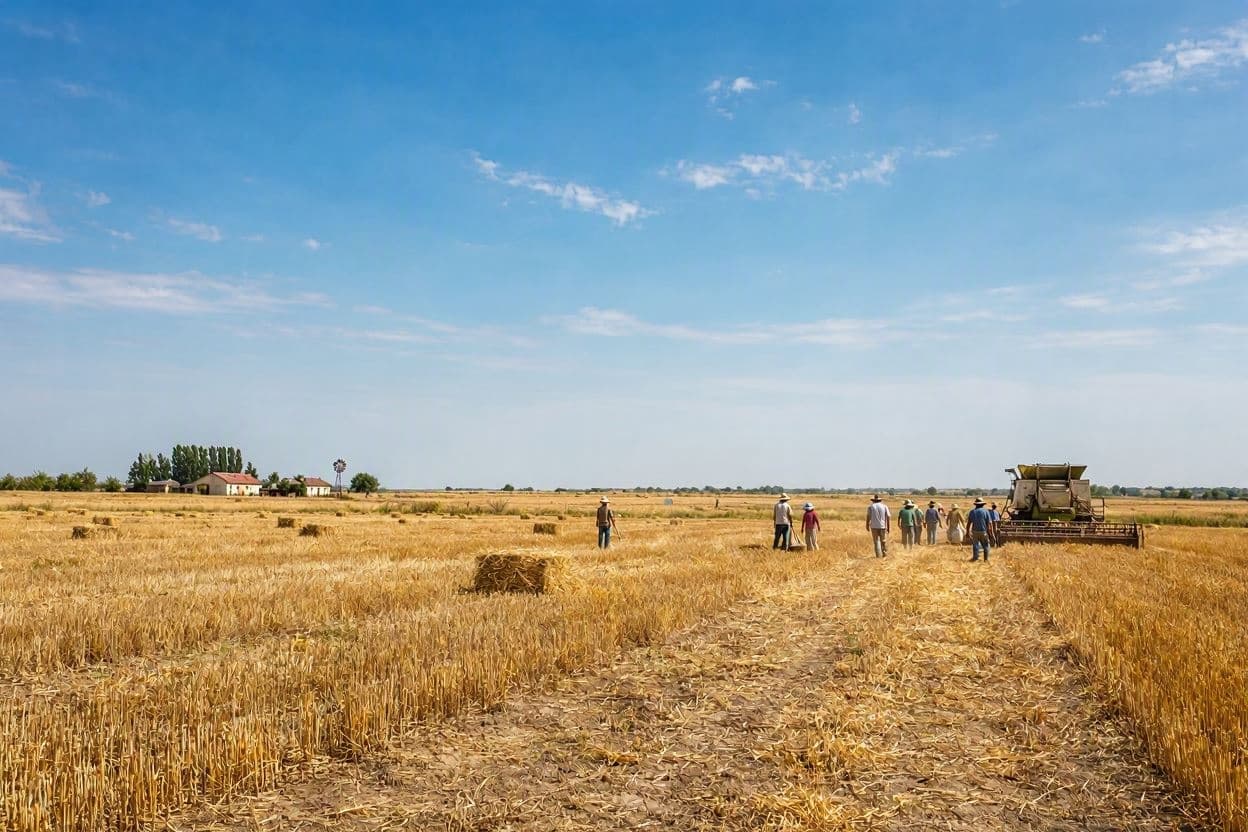
In the vast, sun-drenched fields that feed nations, the rhythm of harvest is dictated by both nature and labor. For many farmers, the backbone of this workforce has long been the Working Holiday Maker (WHM) program, which brings young travelers from abroad to help with seasonal tasks. Now, proposed changes to visa regulations have sparked concern across the agricultural sector. Farmers fear that restricting these visas could lead to significant worker shortages, threatening not just their livelihoods but the broader stability of the food supply chain.
The WHM program has been a vital source of flexible labor for industries that struggle to attract local workers due to the physical demands and seasonal nature of the work. Pickers, packers, and farmhands from overseas fill gaps that are often difficult to plug domestically. With potential caps on visa numbers or stricter eligibility criteria, farmers worry that they will be left without the hands needed to bring crops to market. The uncertainty hangs over the industry like a cloud, obscuring the path forward.
The implications extend beyond individual farms to the national economy. If crops go unpicked, waste increases, prices rise, and food security becomes a pressing issue. Australia, like many developed nations, relies on a steady flow of produce to keep supermarkets stocked and exports flowing. A disruption in this flow could have ripple effects, impacting consumers and businesses alike. The fear is not just of economic loss but of systemic fragility in the face of policy shifts.
Farmers argue that the local labor market cannot simply absorb the shortfall. Despite efforts to recruit domestic workers, retention rates remain low, and the skills required for efficient harvesting are often learned through experience. WHMs bring not just labor but a willingness to engage in hard, temporary work that supports the agricultural cycle. Removing this pillar without a viable alternative risks collapsing the structure that holds up the industry.
Government officials state that the changes aim to prioritize local employment and ensure fair wages. However, critics suggest that the transition needs to be gradual and supported by robust training programs for domestic workers. Without adequate preparation, the sudden removal of WHMs could cause immediate damage. The dialogue between policymakers and farmers is crucial to finding a balance that protects workers’ rights while maintaining productivity.
For rural communities, the stakes are high. Many towns rely on the influx of WHMs not just for labor but for economic vitality. These travelers spend money in local shops, cafes, and services, supporting small businesses. A decline in their numbers could hollow out these communities, leading to broader social and economic challenges. The impact is felt far beyond the farm gate, touching the heart of regional life.
Advocacy groups are calling for a review of the proposed changes, urging the government to consider the unique needs of the agricultural sector. They highlight the success of the current system and the dangers of disrupting it without a clear plan. The hope is that evidence-based decision-making will prevail, ensuring that policies support both fairness and functionality. It is a plea for pragmatism in the face of complex realities.
In the end, the fear of worker shortages is a reflection of the delicate balance that sustains our food systems. Farmers are not just producers but stewards of a critical resource. By listening to their concerns and working together, society can ensure that the fields remain productive and the tables remain full. The conversation about visas is ultimately a conversation about sustainability, resilience, and the value of labor.
AI Image Disclaimer: The images accompanying this article are AI-generated artistic interpretations of agricultural settings and labor themes, not actual photographs of specific farms or visa documentation processes.
Sources: National Farmers Union ABC Rural The Guardian Australia
Published by Banx Network. This article is part of the Banx decentralized media programme, powered by the BXE token on the XRP Ledger.