When Diagnostics Become Destiny: Abbott Moves Toward a New Precision Frontier
Abbott is reportedly nearing a deal to acquire Exact Sciences, signaling a major step toward expanding its role in early cancer detection and precision diagnostics.

Abbott is reportedly nearing a deal to acquire Exact Sciences, signaling a major step toward expanding its role in early cancer detection and precision diagnostics.

New research shows that small-scale ocean motions beneath Antarctica significantly accelerate submarine melting, shaping the future stability of major ice shelves.

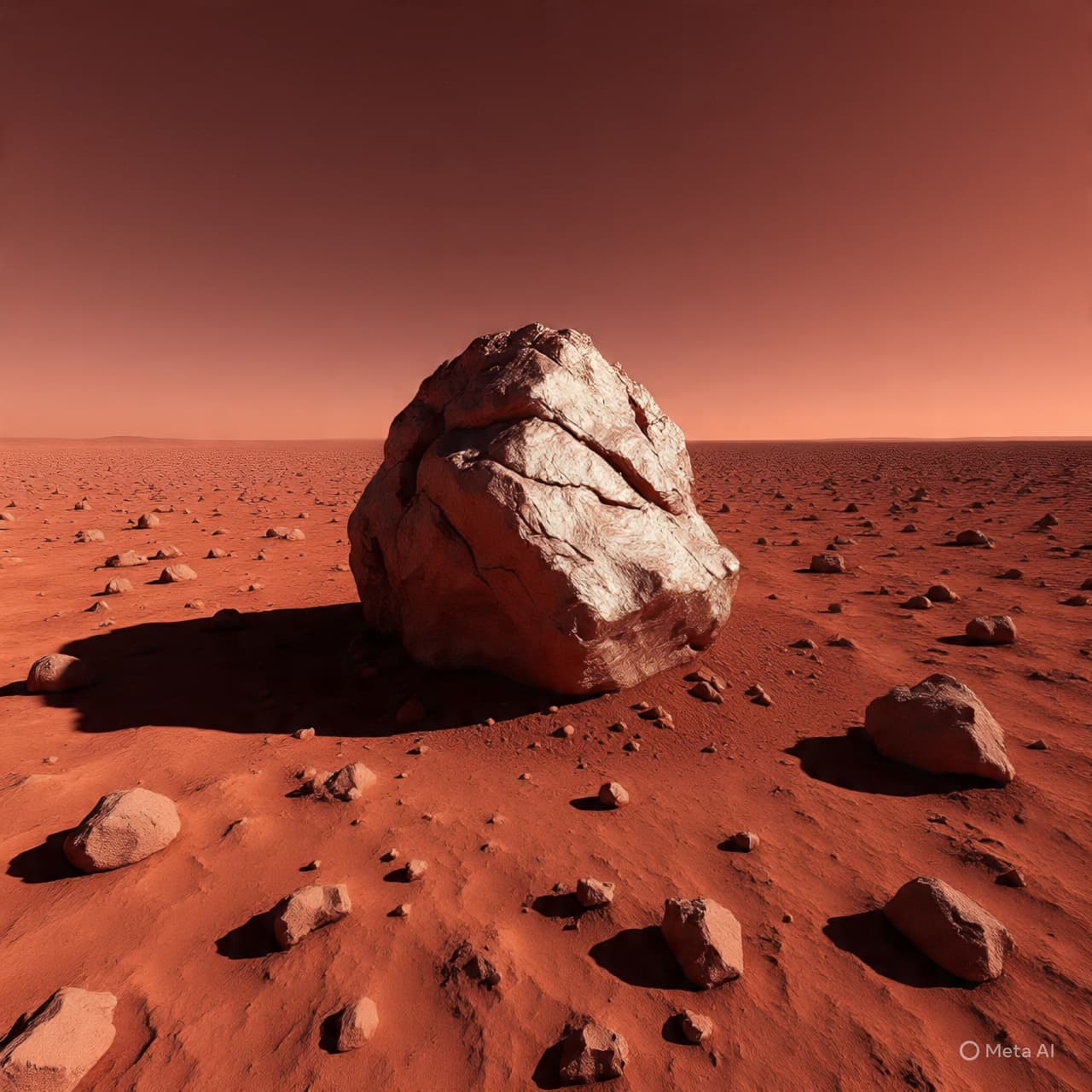
Perseverance has identified a shiny, oddly shaped rock on Mars called “Phippsaksla” with high iron and nickel—suggesting it may be a meteorite, possibly from an ancient asteroid.

Cambridge named “parasocial” the Word of 2025, reflecting the rise of one-sided digital relationships shaping modern connection and online culture.

Physicists are revisiting an old quantum-gravity idea — quadratic gravity — where a “ghost” particle once doomed the theory. New work suggests the ghost may not break unitarity, offering a revived path for quantum gravity.

A massive cyanobacteria bloom, visible from space, has turned Pyramid Lake’s waters dark green — health warnings issued over toxic nodularin.

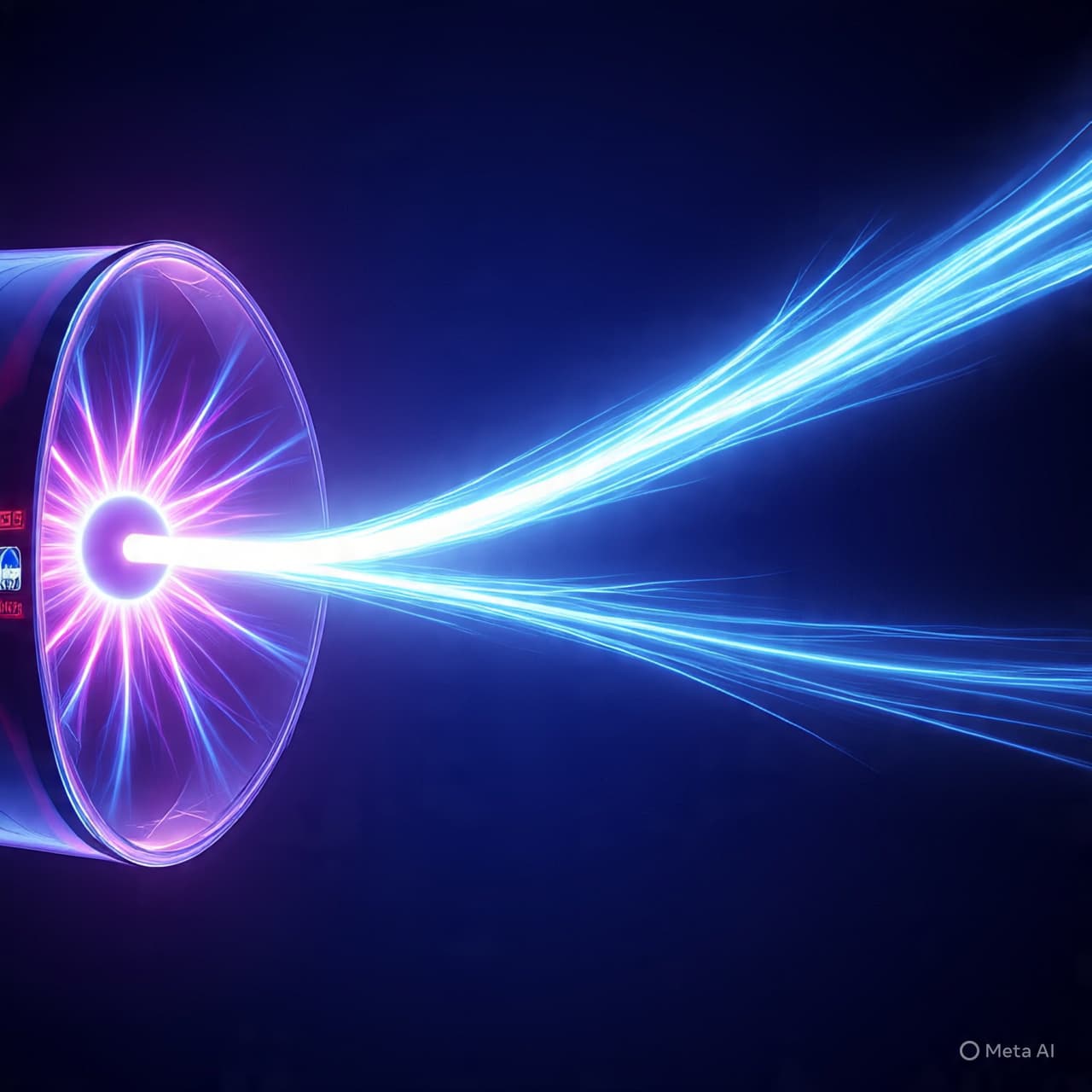
A radical new type of particle accelerator — using plasma waves, twisted light, and nanotubes — promises to shrink massive machines into tabletop or microchip-scale devices. This could democratize access to high-energy X-rays for medicine, materials science, and research.

India’s AQI is officially capped at 500, marking a “severe plus” hazard. Independent platforms often report values much higher. The cap reflects both public-health messaging and technical limitations in India’s monitoring methodology.

Sequencing the oldest known RNA has revealed biological clues about a mammoth’s final hours 40,000 years ago, offering a rare glimpse into the last moments of an Ice Age giant.

New Glenn completed its second mission, deploying NASA’s ESCAPADE spacecraft into loiter orbit and landing its reusable first stage on *Jacklyn* in the Atlantic.

A new targeted assay unveiled at AMP 2025 detects TAF1 variants linked to a rare X-linked movement disorder that standard genetic panels often miss.

Research shows subtle genetic patterns linked to different educational fields, highlighting how biology interacts with environment to shape academic interests.

New analyses of cosmic background radiation suggest the solar system may be moving faster than expected, revealing a puzzling mismatch in large-scale cosmological models.

URI researchers launch a study to ease neurological disease of a rare Genetic Disorder, building on new diagnostic advances and offering families cautious but meaningful hope.

Archaeologists have uncovered remarkably old tools – stone and bone – that challenge conventional beliefs about when and by whom the first “civilized” behaviors began.

On remote Port Island (Chek Chau), palaeontologists uncovered the first dinosaur fossils in Hong Kong — a surprising find in red, volcanic-era rocks.

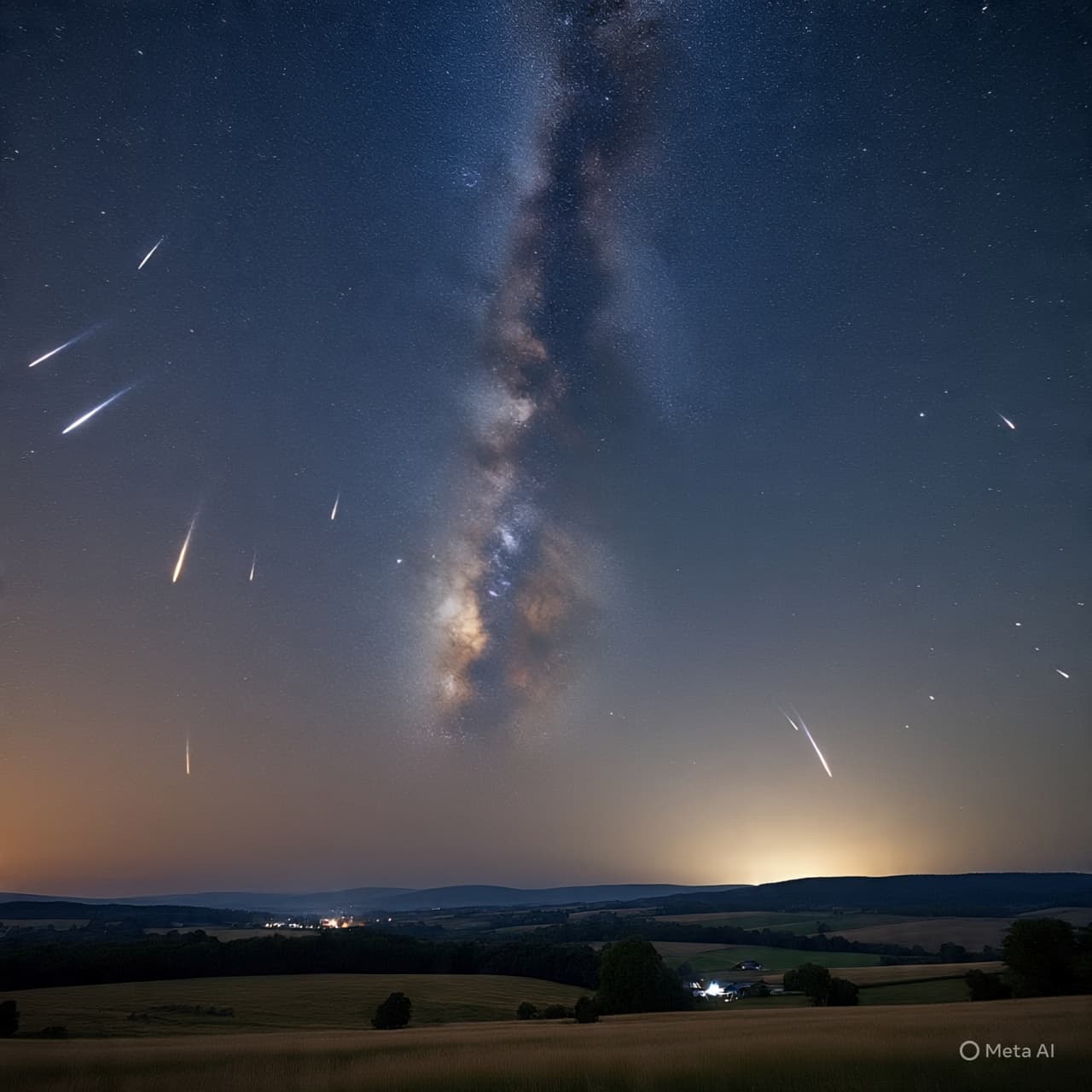
The Leonid meteor shower peaks this weekend with possible “fireball” meteors, while a mild geomagnetic storm could also bring northern lights to northern U.S. skies under dark, clear conditions.

A strong solar event in early November 2025 has led to a G2–G4 geomagnetic storm watch for 11-13 November. Visible auroras beyond typical latitudes may appear while satellite, radio and grid systems remain on alert.

Blue Origin’s heavy-lift New Glenn rocket achieved its first successful booster landing and carried a pair of NASA Mars-bound spacecraft — a milestone in reusable launch and planetary science.

Children’s mental health depends more on how they use screens than how long; quality and context of engagement outweigh duration.

Scientists have captured, for the first time, a supernova tearing open its host star, providing real-time insight into the violent death of a star and cosmic element formation.

The Sun unleashed the second-strongest flare of 2025, triggering radio blackouts across Africa and highlighting vulnerabilities in communication systems to space weather.

Researchers recovered and sequenced 39,000-year-old RNA from a Siberian woolly mammoth named Yuka, revealing active genes linked to muscle function and stress — offering a rare, dynamic glimpse into the animal’s biology moments before death.

Chinese astronauts returned safely from the Tiangong space station after a precautionary delay caused by nearby space debris, highlighting the risks of orbital travel.