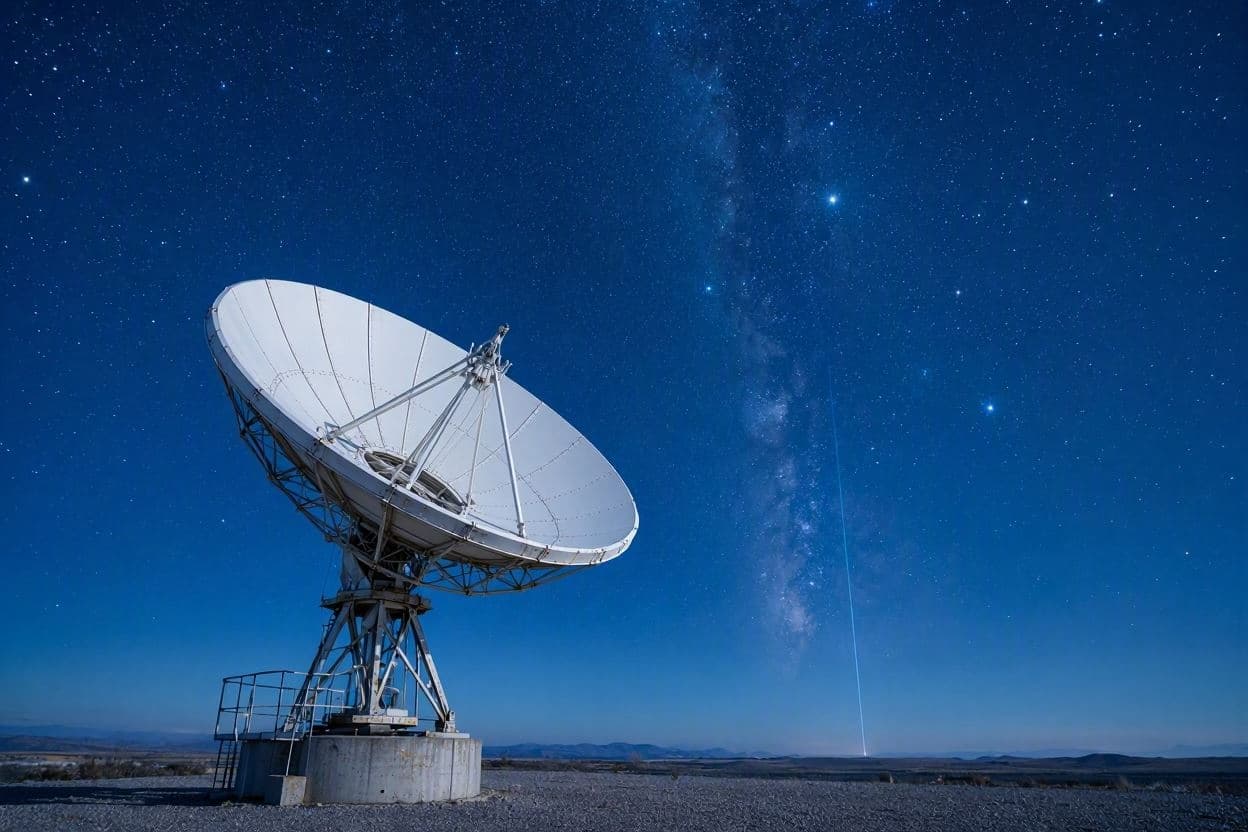
In the vast silence of space, communication is the thread that binds humanity to its explorers. As we venture further from Earth, the need for a robust and reliable network becomes not just a technical requirement but a lifeline. NASA is currently undertaking a significant upgrade to its deep space communication infrastructure, ensuring that the voices of astronauts and the data from distant probes remain clear and uninterrupted.
The initiative focuses on expanding the Deep Space Network (DSN), a global array of giant radio antennas that support interplanetary spacecraft missions. With an increasing number of missions heading to the Moon, Mars, and beyond, the current system faces growing demand. The upgrades involve installing new, more sensitive receivers and enhancing signal processing capabilities to handle higher data rates. This evolution is critical for the success of future Artemis missions and robotic explorers.
One of the key components of this strengthening effort is the integration of optical communications, also known as laser comms. Unlike traditional radio waves, laser signals can transmit data at much higher speeds, similar to fiber-optic internet on Earth. Recent tests have demonstrated the potential of this technology to send high-definition video and large scientific datasets back to Earth in a fraction of the time previously required. It represents a leap forward in how we interact with the cosmos.
The geographic distribution of the DSN stations—in California, Spain, and Australia—ensures that as Earth rotates, there is always an antenna pointing toward the spacecraft. However, maintaining this continuity requires precise coordination and constant modernization. The new upgrades aim to reduce downtime and improve the reliability of connections, which is crucial for real-time decision-making during critical mission phases. It is a testament to international cooperation and engineering precision.
Beyond supporting government missions, the enhanced network will also facilitate commercial space activities. As private companies launch their own lunar and Martian ventures, the demand for shared communication resources will grow. NASA’s investment in infrastructure thus serves a dual purpose: advancing scientific discovery and fostering a burgeoning space economy. It creates a foundation upon which multiple actors can build their own ambitions.
Challenges remain, including the need to manage spectrum interference and ensure cybersecurity in an increasingly connected space environment. Engineers are working on advanced encryption methods and frequency management strategies to protect the integrity of the data. These efforts reflect a proactive approach to security, recognizing that space assets are vital national and global resources. The goal is to create a resilient system that can withstand both natural and human-made disruptions.
For the scientists waiting on Earth, these improvements mean faster access to the secrets of the universe. Every byte of data received from a distant planet brings us closer to understanding our place in the cosmos. The strengthening of the communication network is, therefore, not just about hardware; it is about expanding the horizons of human knowledge. It ensures that no discovery is lost in the void.
As the upgrades continue over the coming months, NASA officials have expressed confidence in the network’s ability to meet future demands. The agency remains committed to maintaining its leadership in deep space communication, ensuring that humanity’s reach into the stars is supported by a voice that is always heard.
AI Image Disclaimer: Please note that any accompanying illustrations for this article are AI-generated and intended for representational purposes only.
Sources: NASA.gov SpaceNews Scientific American The Verge
Published by Banx Network. This article is part of the Banx decentralized media programme, powered by the BXE token on the XRP Ledger.