SCIENCE81% credibility
Navigating the universe with a click
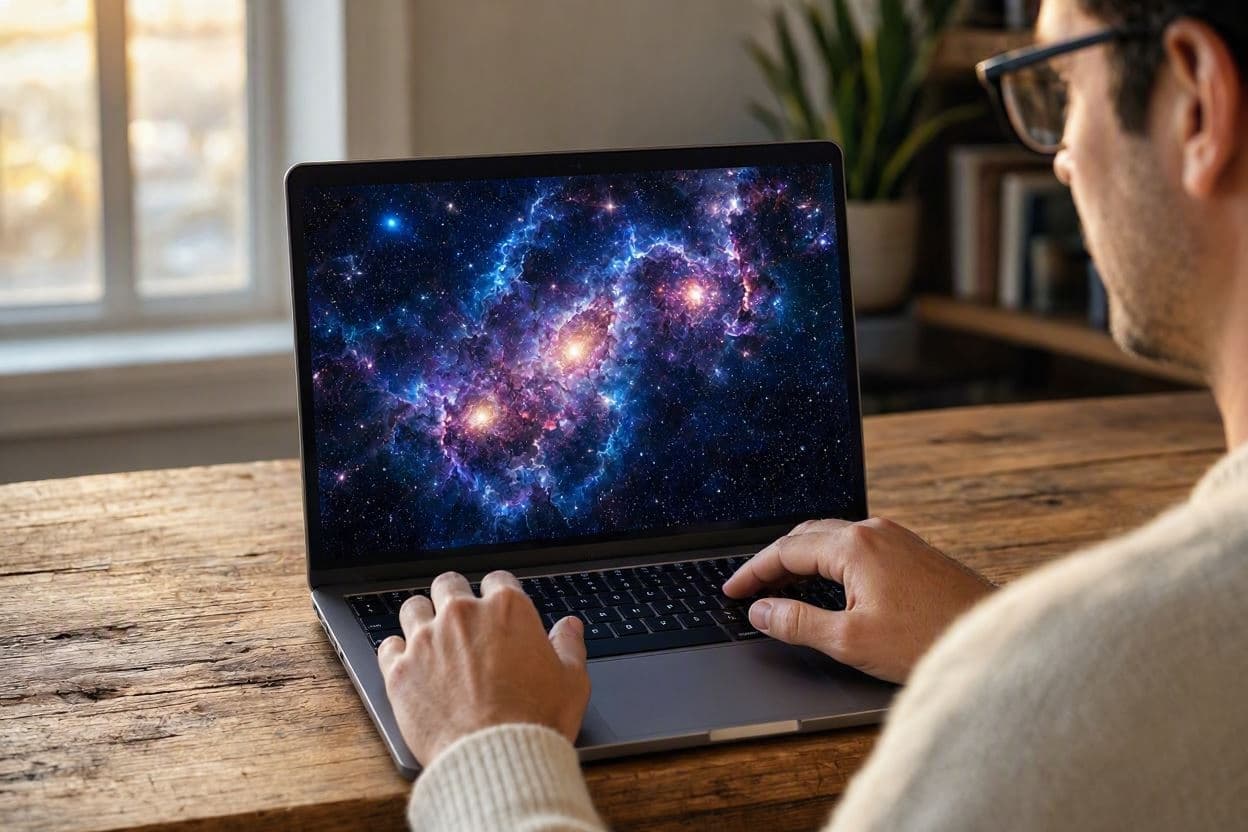
The Legacy Survey Sky Viewer has launched, allowing the public to explore a catalog of four billion cosmic objects through an interactive browser-based interface.
3 min read

The Legacy Survey Sky Viewer has launched, allowing the public to explore a catalog of four billion cosmic objects through an interactive browser-based interface.
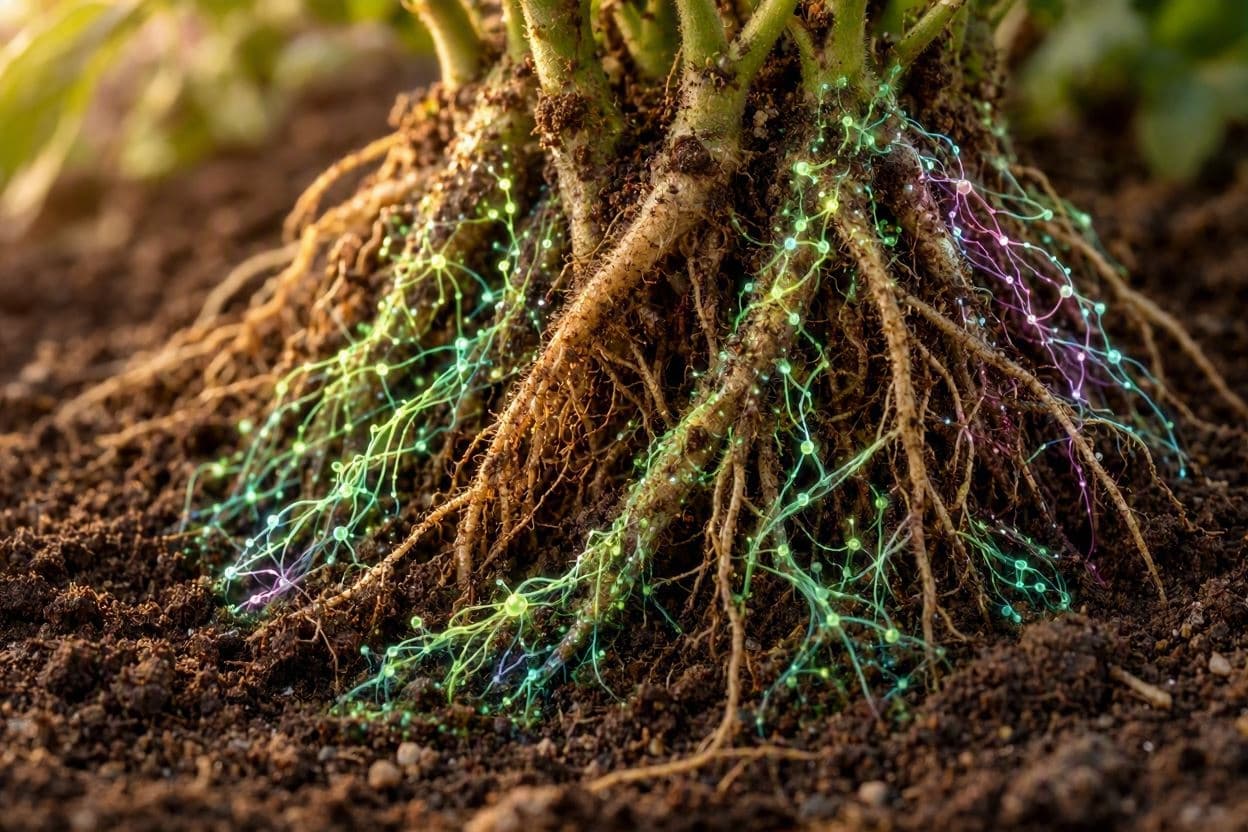
Research shows that beneficial soil microbes can significantly enhance tomato plant growth, nutrient uptake, and disease resistance, offering a sustainable alternative to chemical fertilizers.
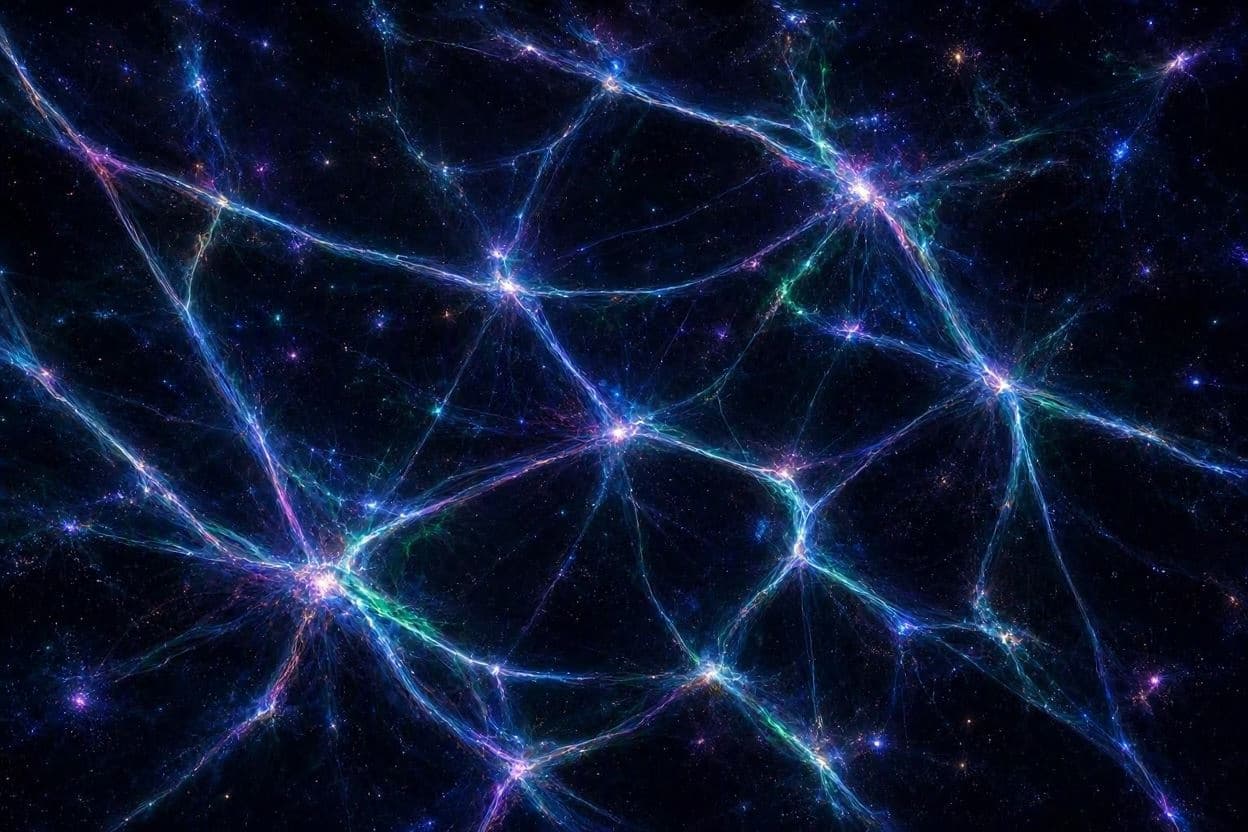
Scientists are using Fast Radio Bursts to map the distribution of hidden matter in the universe, providing new constraints on models of galaxy formation and solving the missing baryon problem.
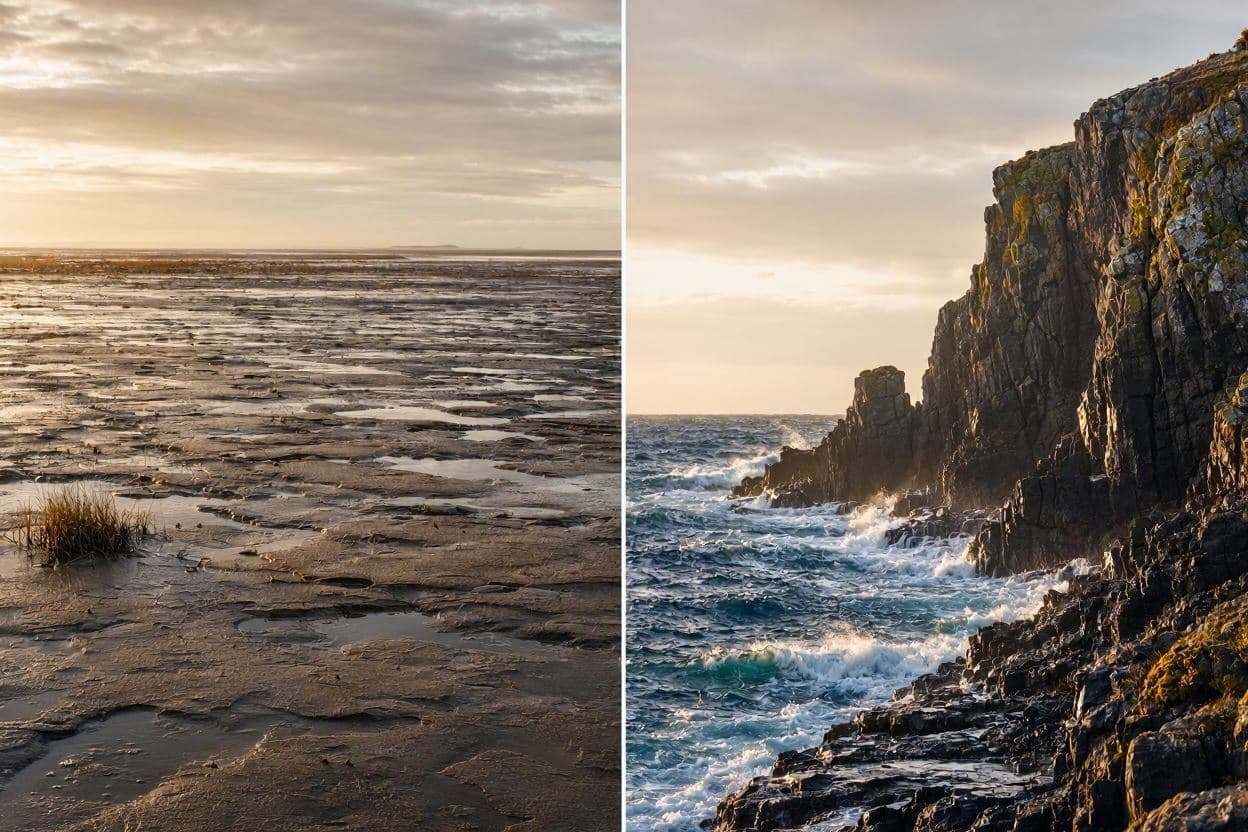
Tidal ranges can vary significantly between nearby beaches due to local geography, shelf shape, and resonance, highlighting the importance of local knowledge for safety and ecology.
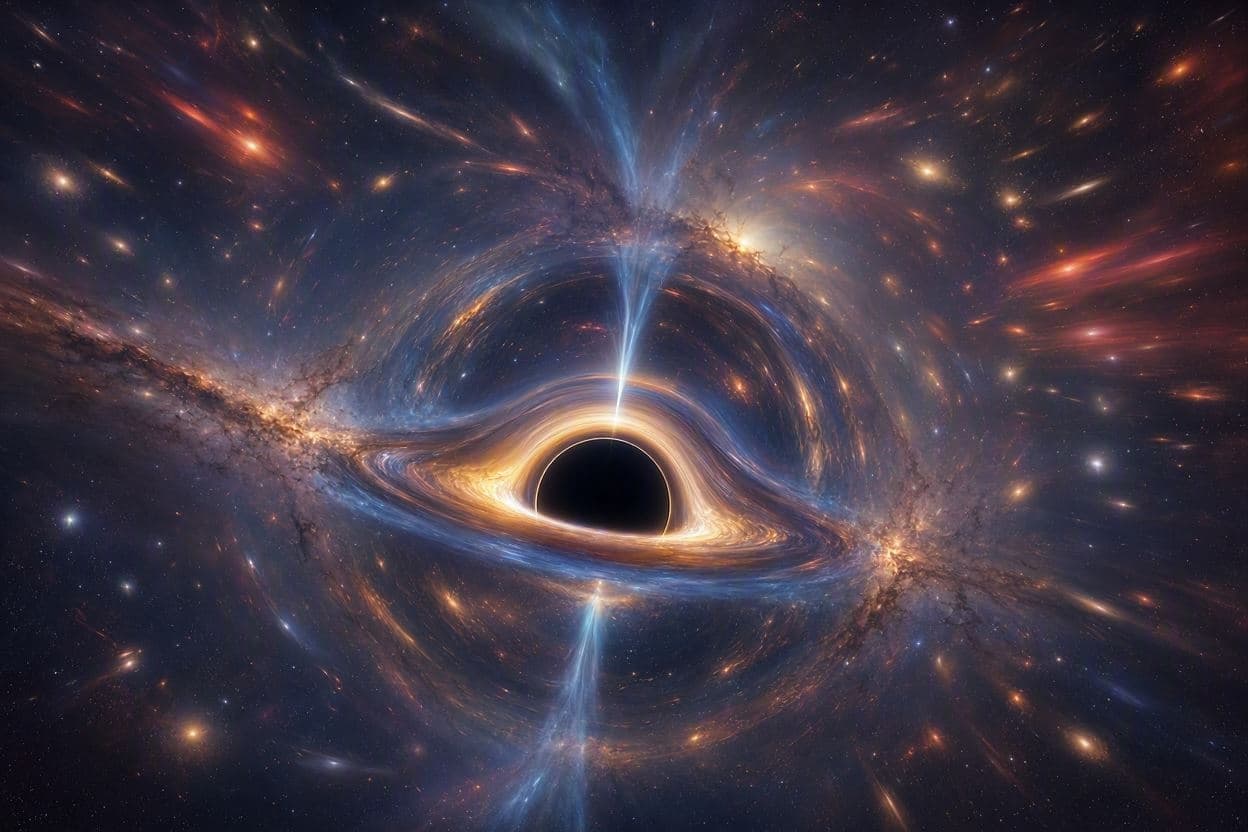
A new study suggests that supermassive black holes grow in mass as the universe expands, potentially offering a new explanation for the nature of dark energy.
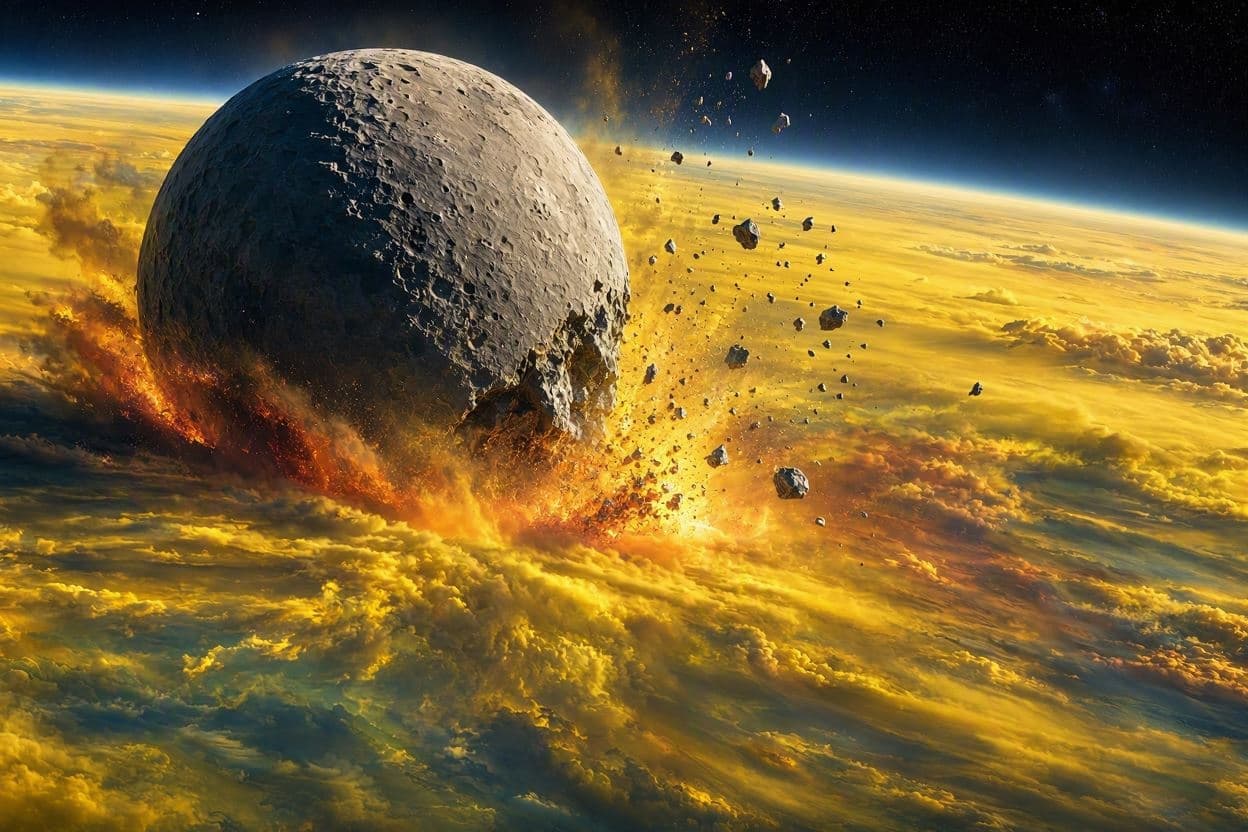
Scientists hypothesize that Venus may have once had a moon that spiraled into the planet due to atmospheric drag and tidal forces, explaining its current lack of satellites.
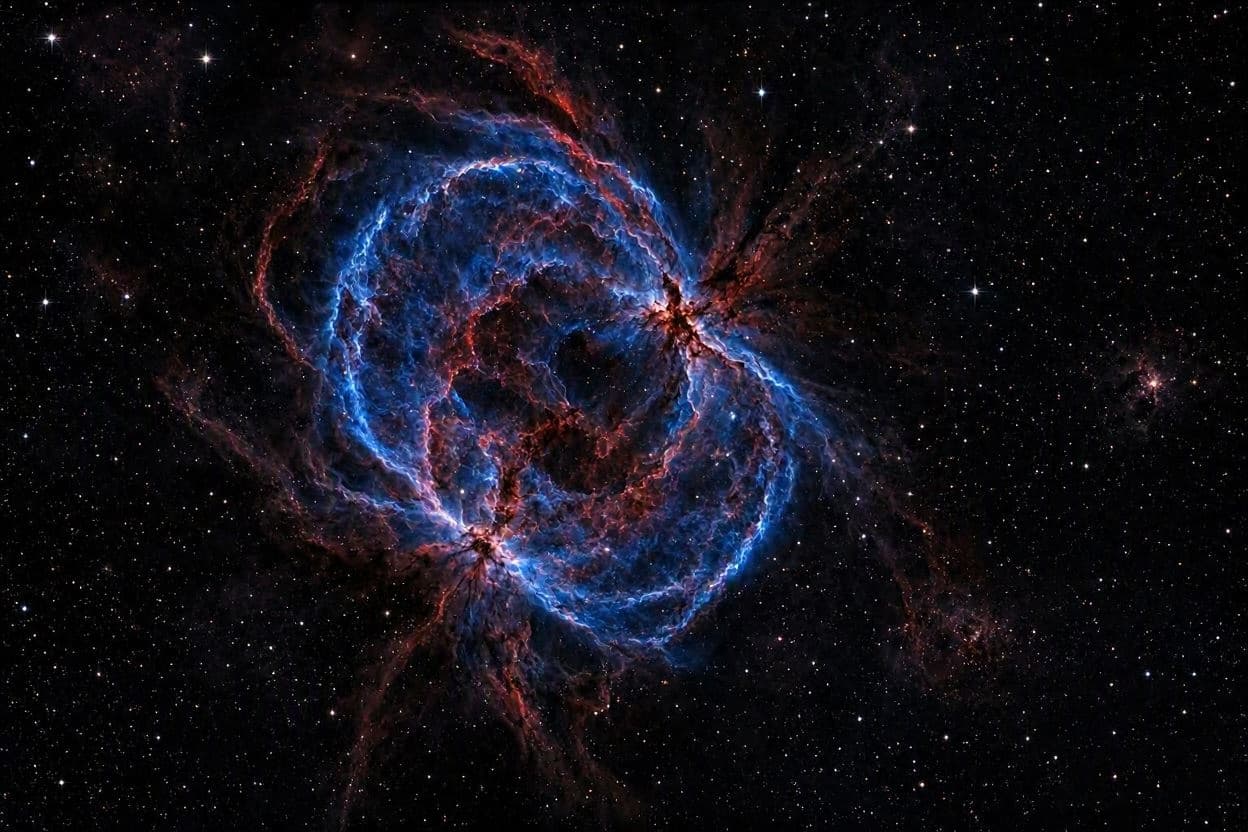
An astrophotographer has captured a stunningly detailed image of the Crescent Nebula, revealing the intricate structures formed by the winds of a dying Wolf-Rayet star.
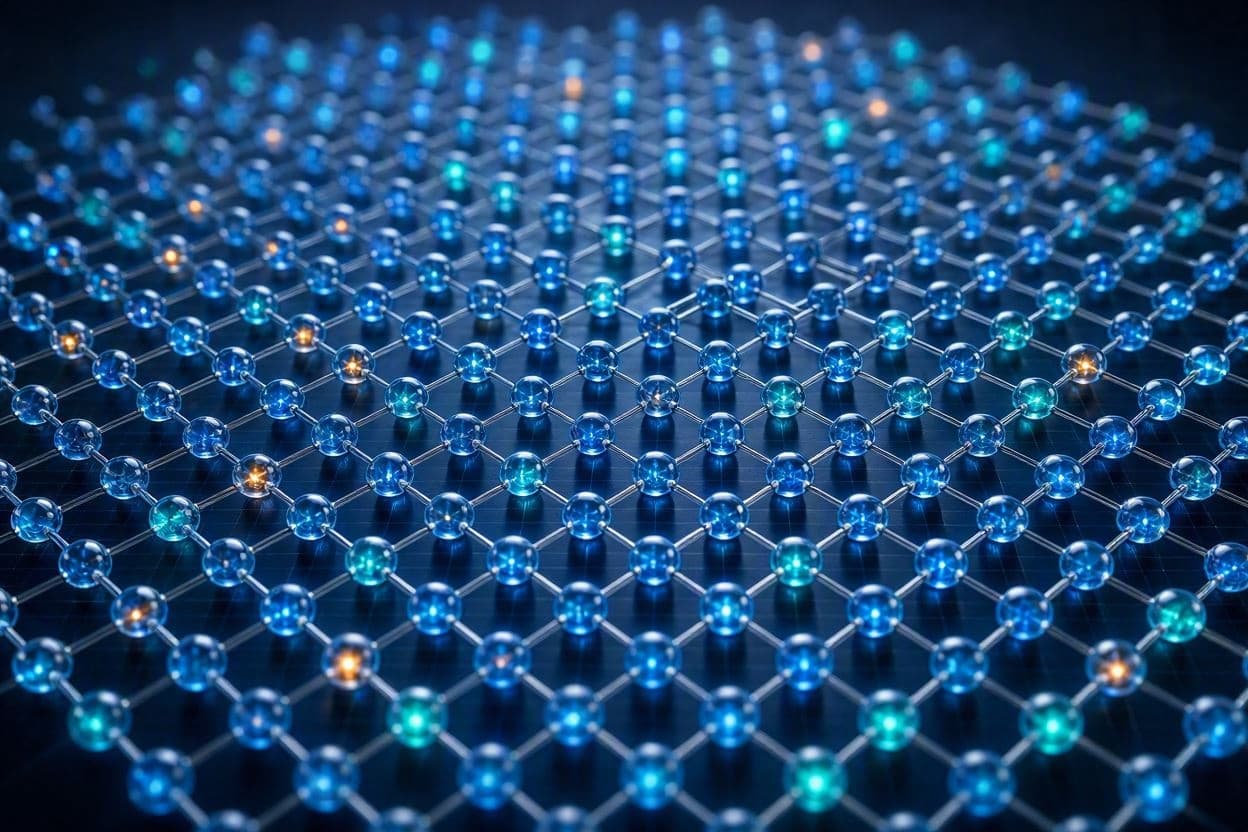
Researchers have developed a new molecular magnet design that improves stability and performance, paving the way for ultra-high-density data storage and advanced spintronic applications.
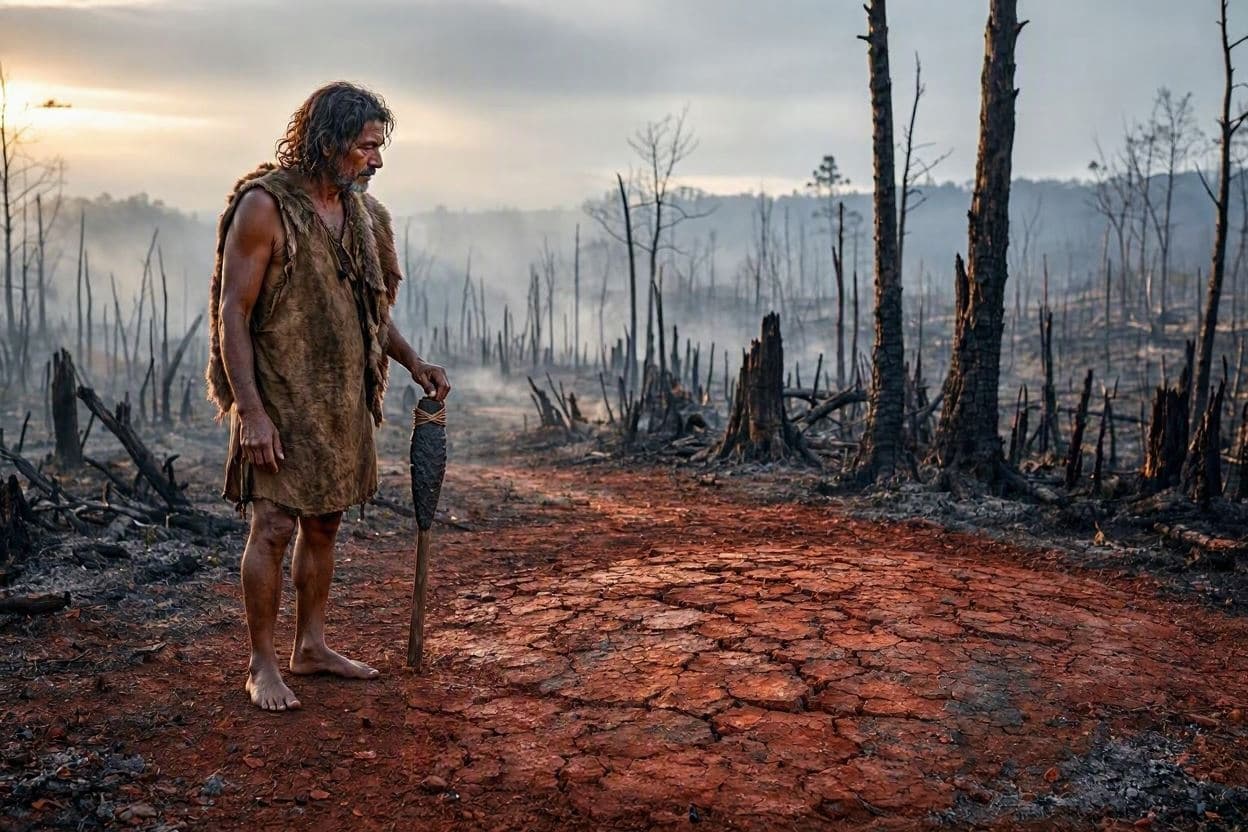
A new theory suggests that observing how wildfires hardened clay may have inspired early humans to invent pottery, marking a significant step in technological and societal development.
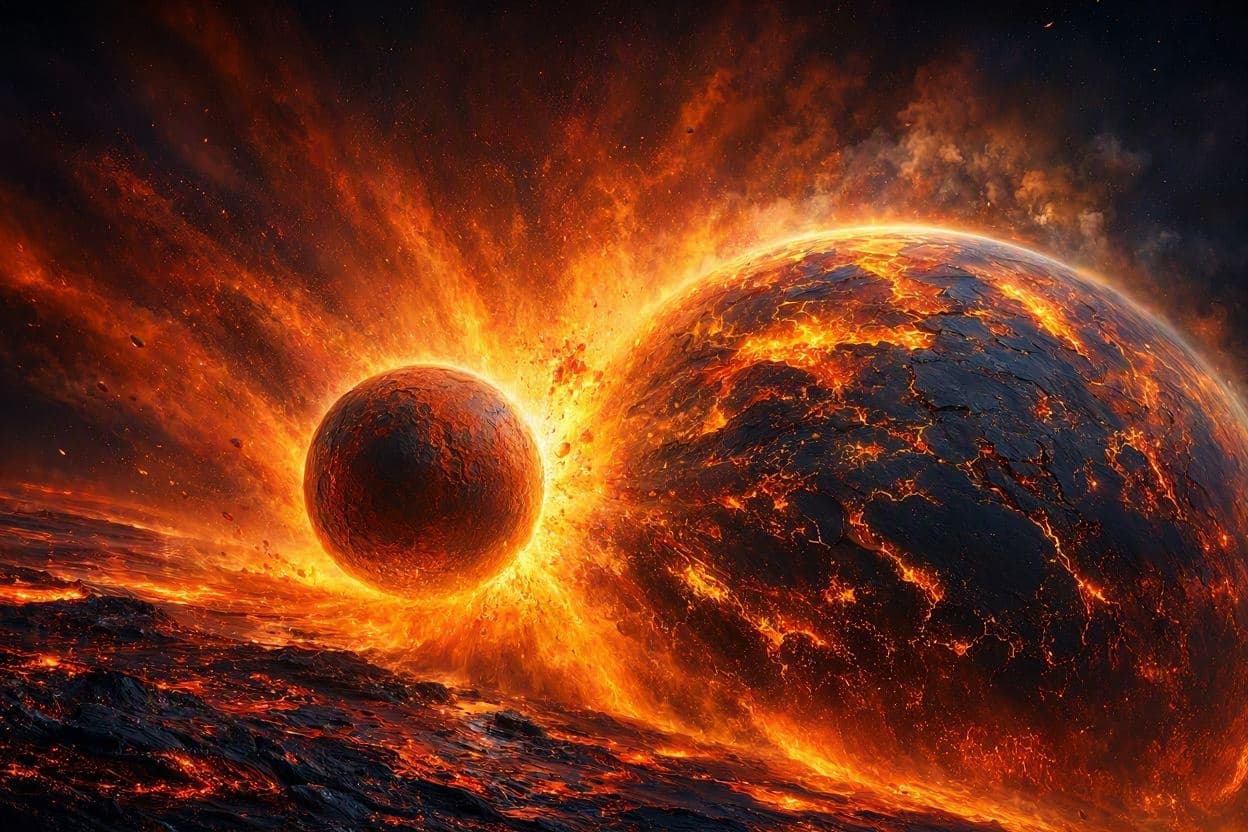
A new modeling study suggests that the early Earth’s physical consistency, whether soft or solid, played a key role in the formation of the Moon following a giant impact.

Scientists used a private jet to observe two satellites burning up in Earth's atmosphere, aiming to measure the chemical pollution caused by reentering space debris.
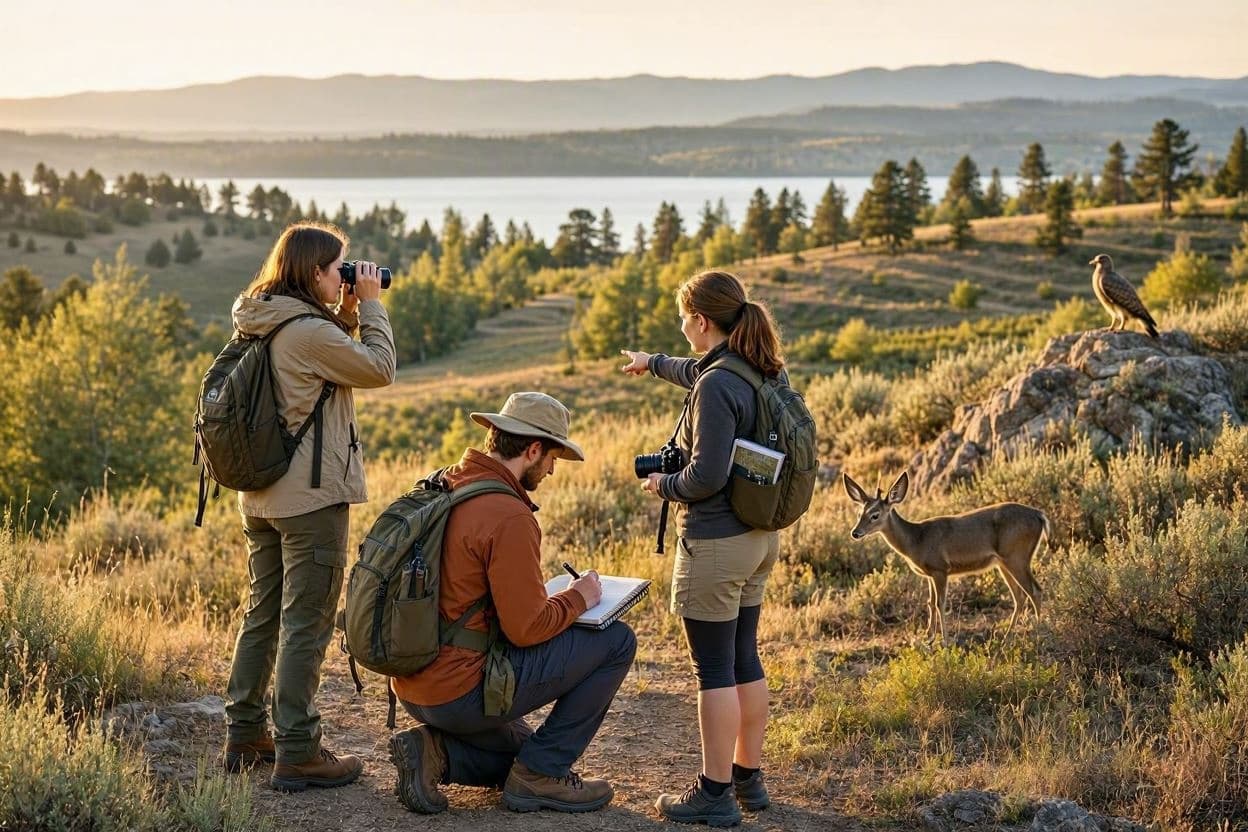
Three graduate students from the Okanagan region won significant awards for their research contributions to wildlife conservation, highlighting the importance of supporting young scientists.
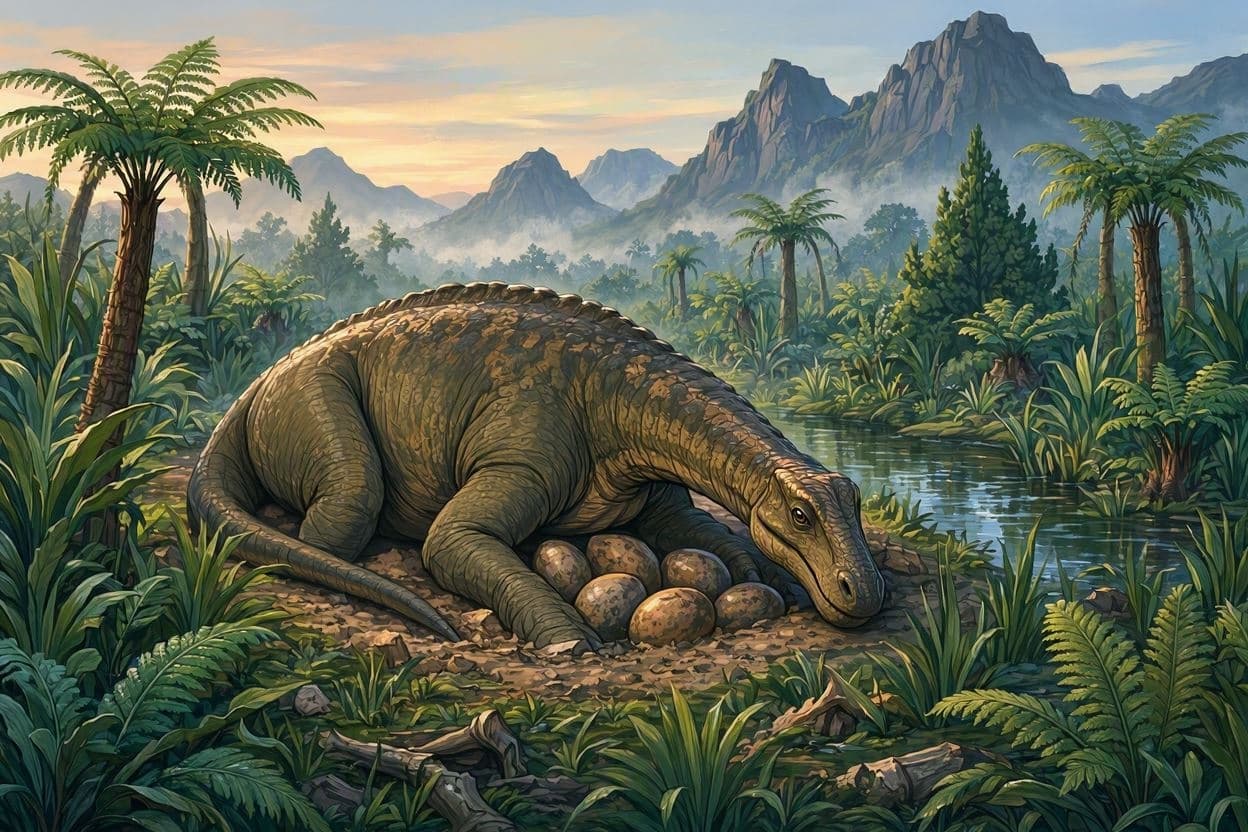
A Canadian researcher helped discover that titanosaurs nested further south than previously known, challenging assumptions about dinosaur climate preferences and habitat ranges.
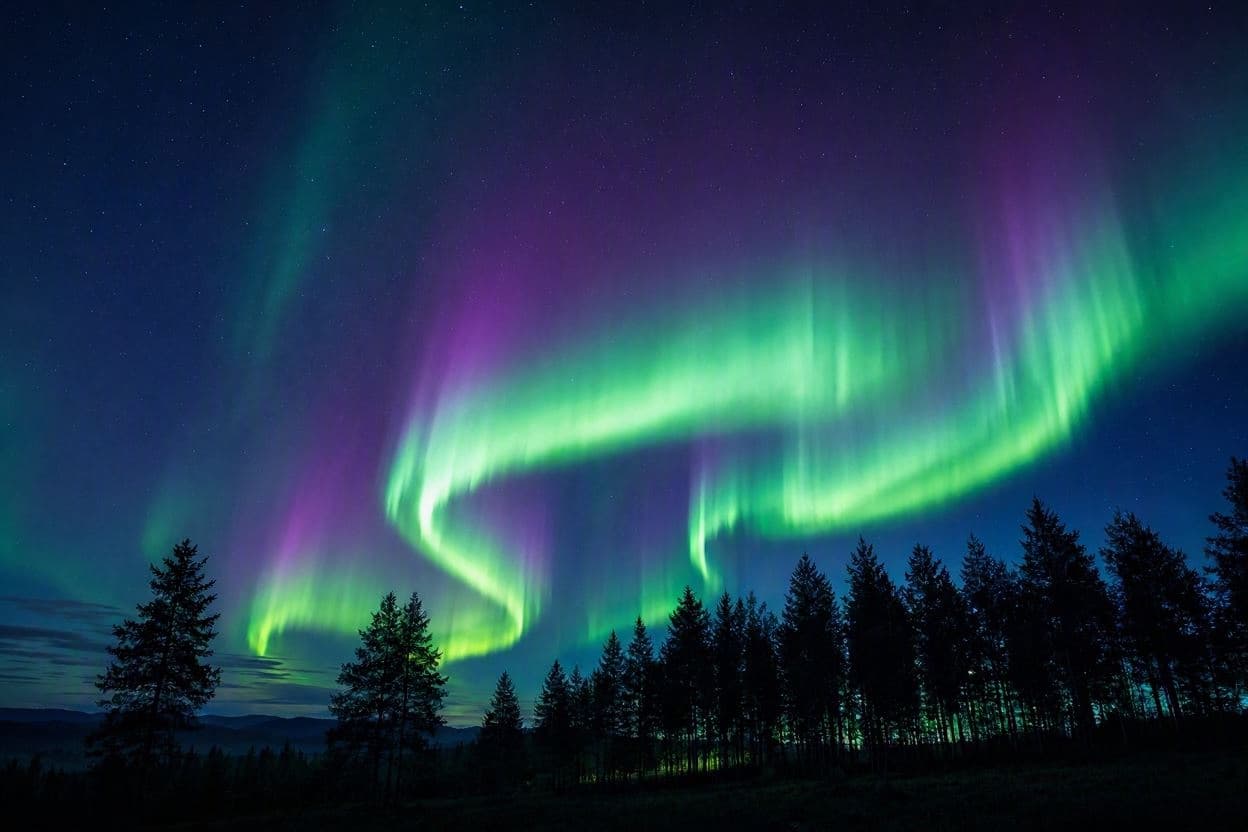
A strong geomagnetic storm may make the Northern Lights visible in up to 20 U.S. states this Tuesday night, offering a rare viewing opportunity for southern residents.
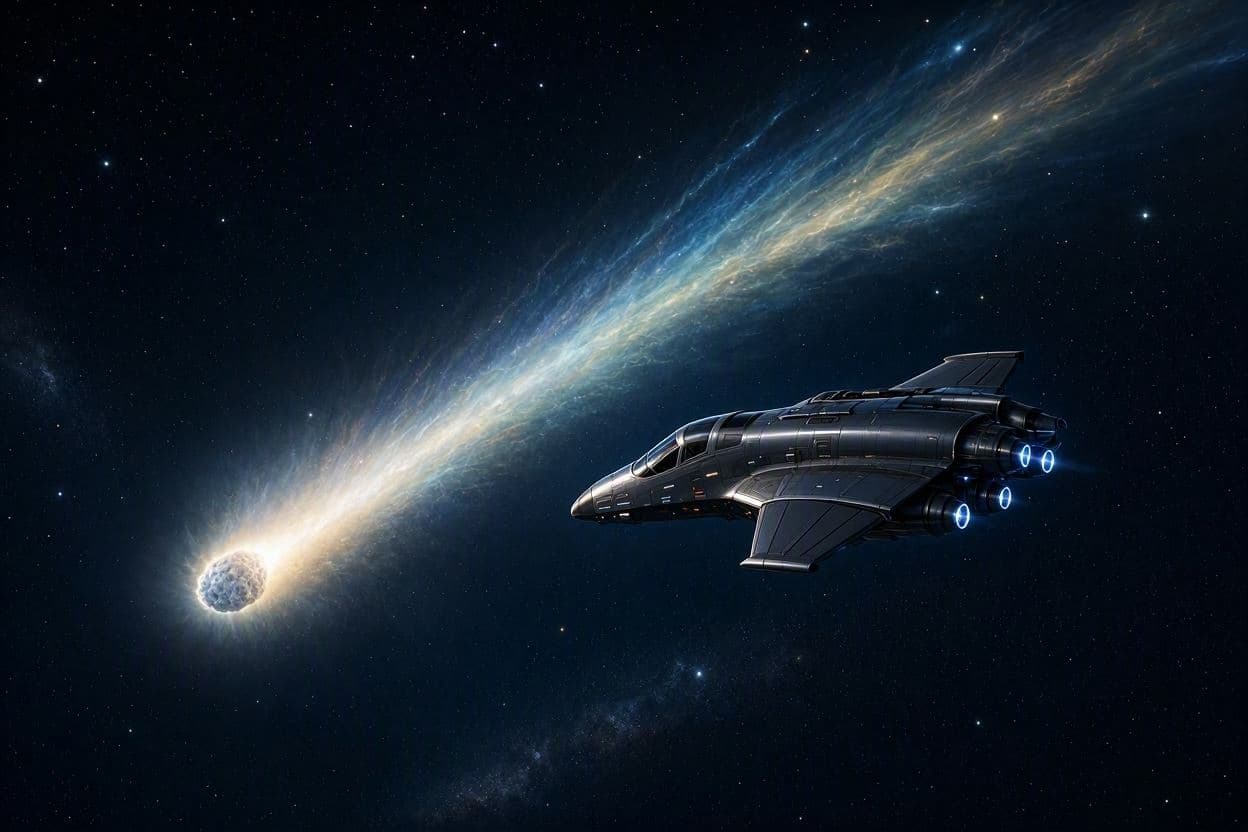
A new space mission is being planned to rendezvous with Halley’s Comet during its 2061 return, aiming to study its composition and behavior up close.
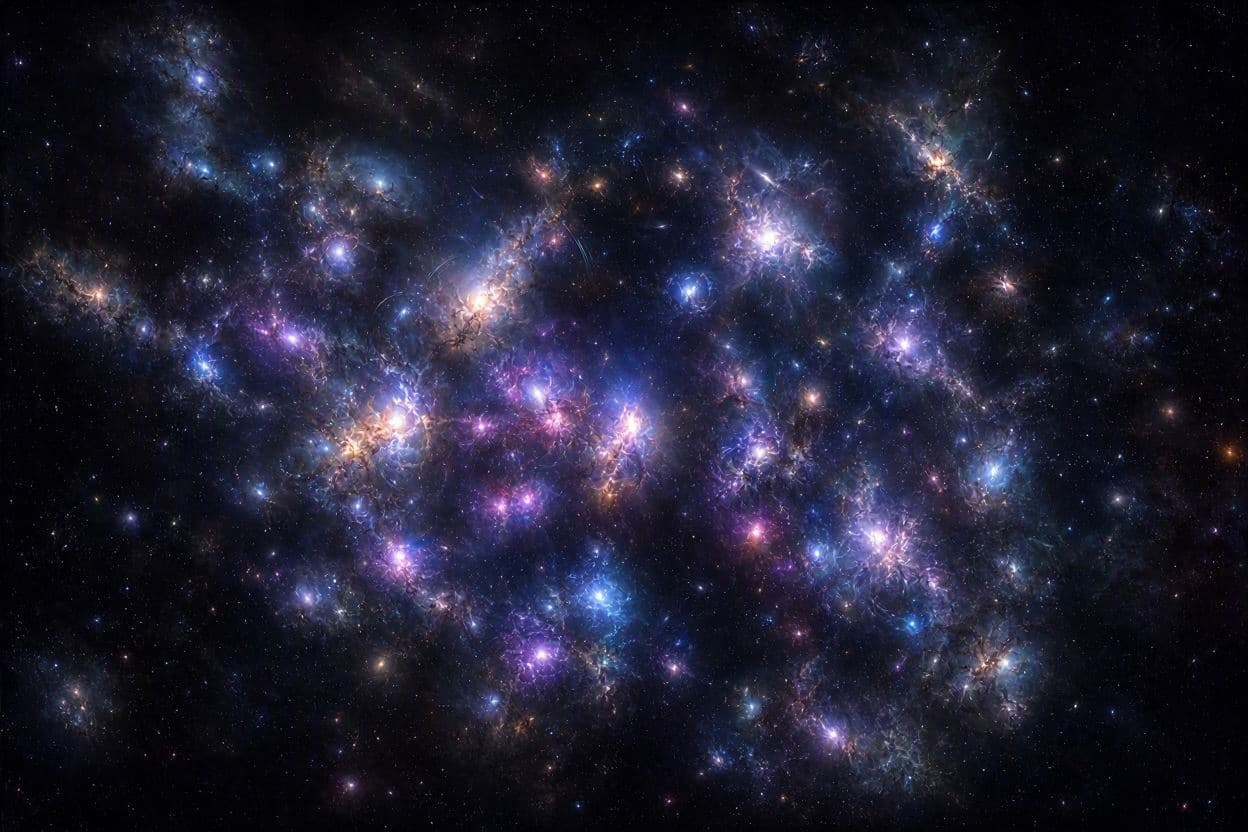
Astronomers have discovered z66OD, a massive galaxy proto-supercluster at a record distance, challenging models of how quickly large structures formed in the early universe.
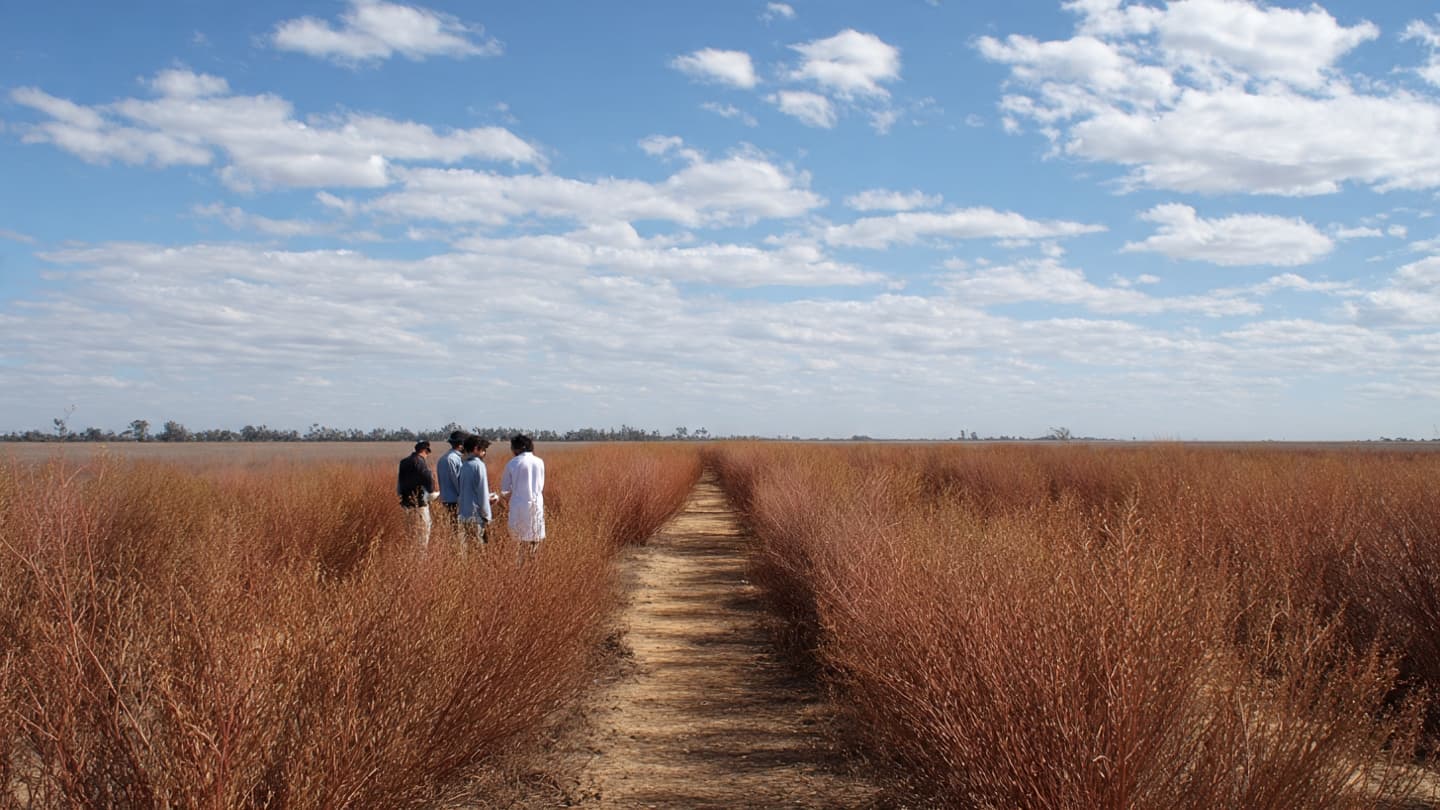
Argentine scientist Raquel Chan has gained international recognition for research into crops engineered to better withstand drought and other environmental stresses.
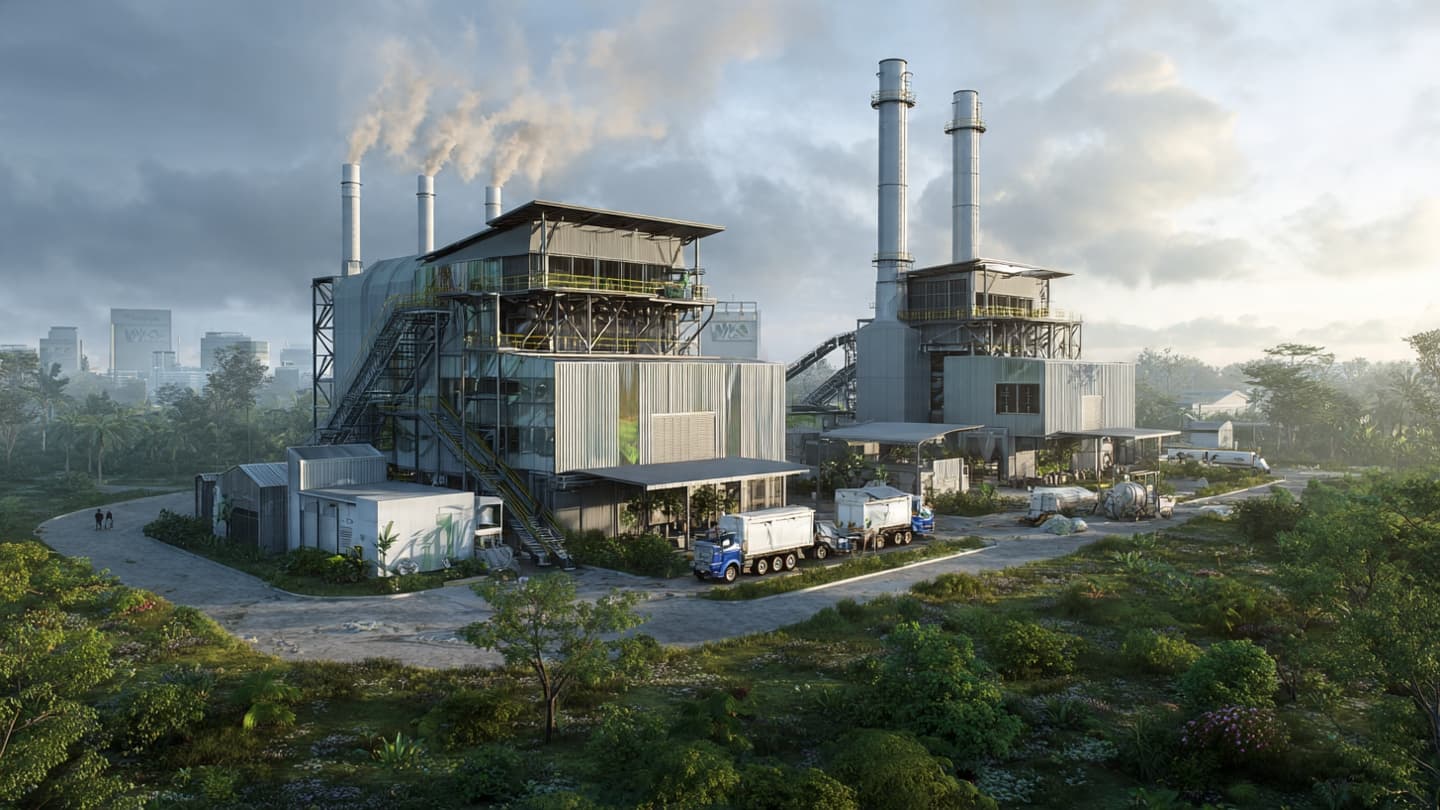
Indonesia is developing a waste-to-energy system with Chinese technical expertise as cities face growing waste-management demands.
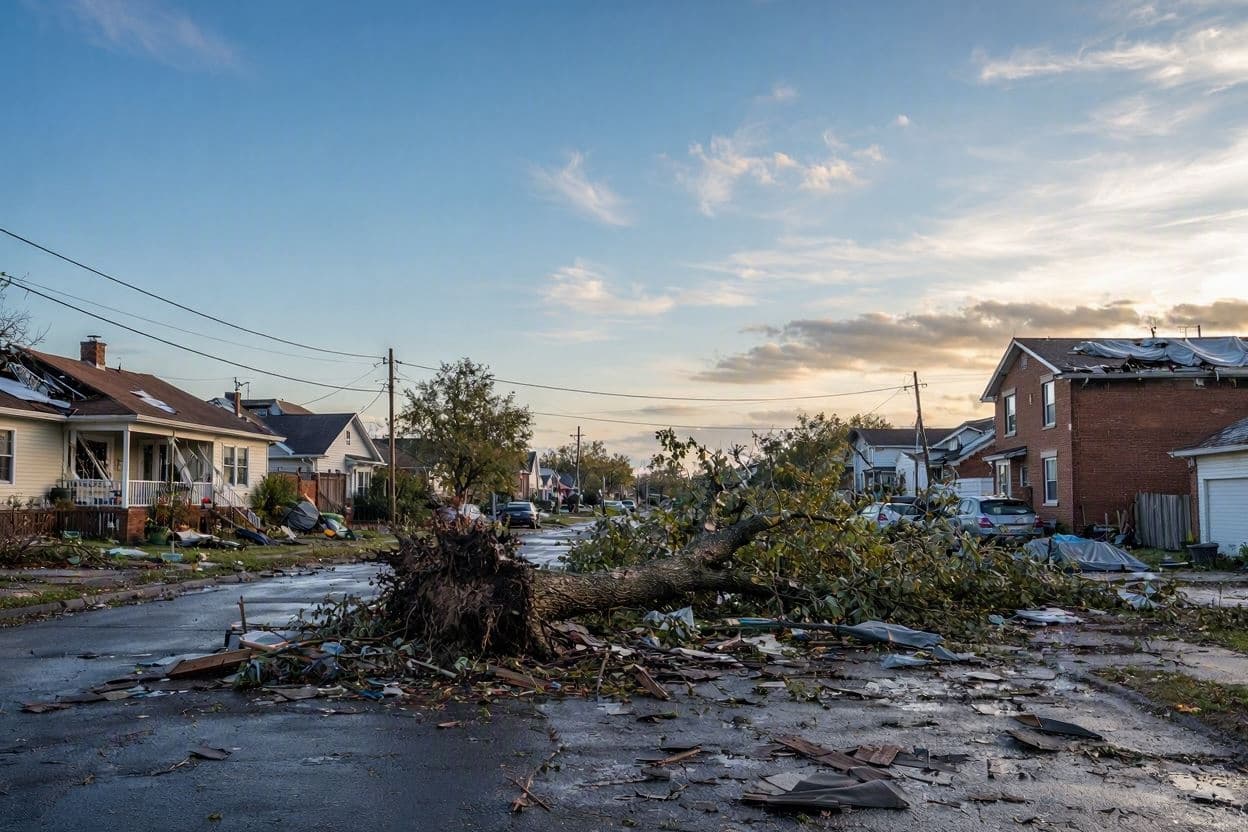
The Northern Tornadoes Project has confirmed that tornadoes struck Windsor and Wheatley on Thursday, causing damage and highlighting the need for severe weather preparedness in the region.
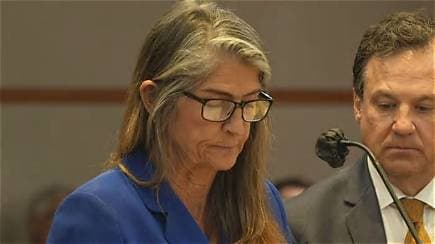
Former laboratory analyst receives a 10-year sentence after manipulating DNA data, undermining evidence integrity and raising concerns about justice systems.
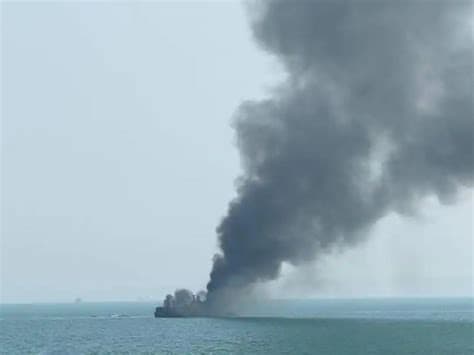
U.S. forces struck Iranian tankers after missile attacks on a Navy warship, escalating tensions and raising fears of wider conflict.
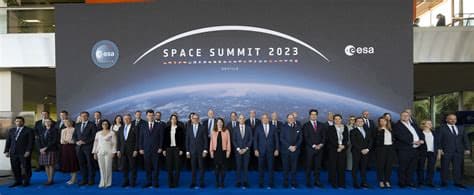
Europe’s space future is under discussion at the International Space Summit, with leaders examining investment, security, innovation and cooperation today.
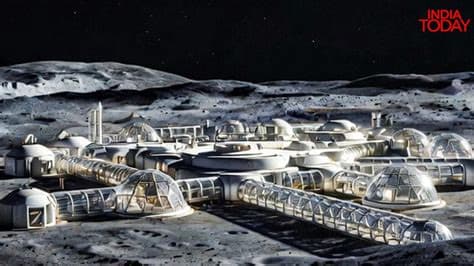
India and the United States plan to cooperate on a lunar base, expanding partnerships and opportunities in the space economy.
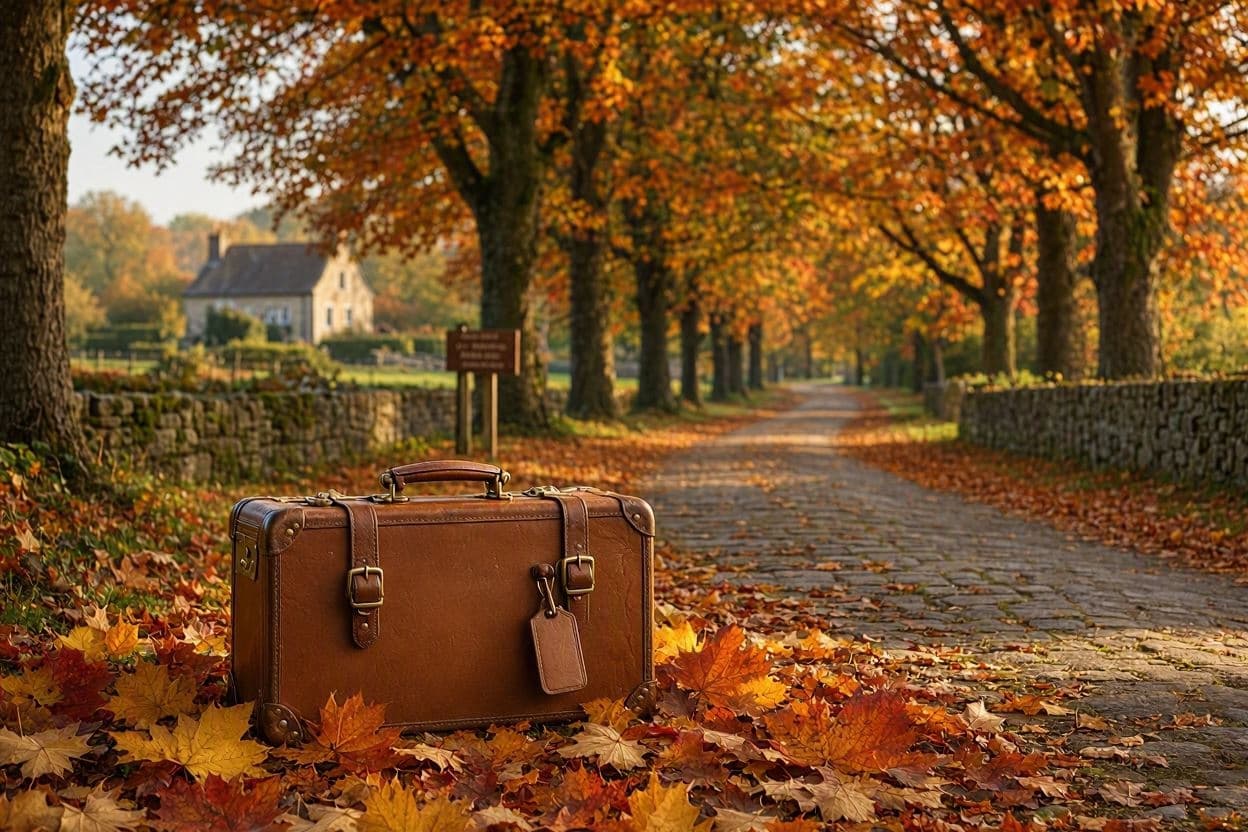
Canada has issued travel advisories for nine popular fall vacation spots, citing health, political, and safety concerns, urging travelers to stay informed and prepared.