A Breath Held at the Launchpad: Artemis II and the Subtle Language of Helium
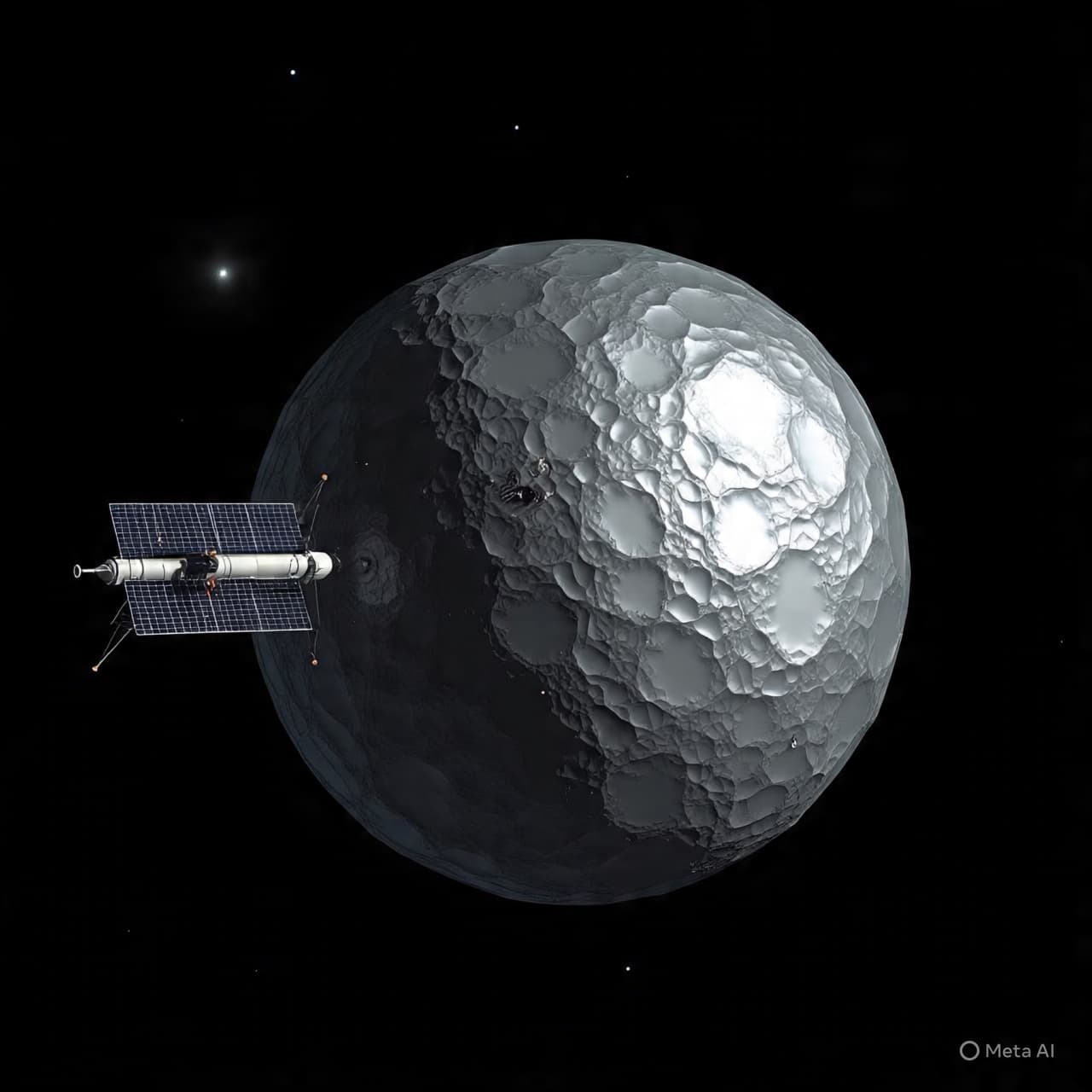
NASA is reviewing a helium flow irregularity in the Artemis II rocket, potentially adjusting the crewed lunar mission’s launch schedule as engineers assess the system.

NASA is reviewing a helium flow irregularity in the Artemis II rocket, potentially adjusting the crewed lunar mission’s launch schedule as engineers assess the system.

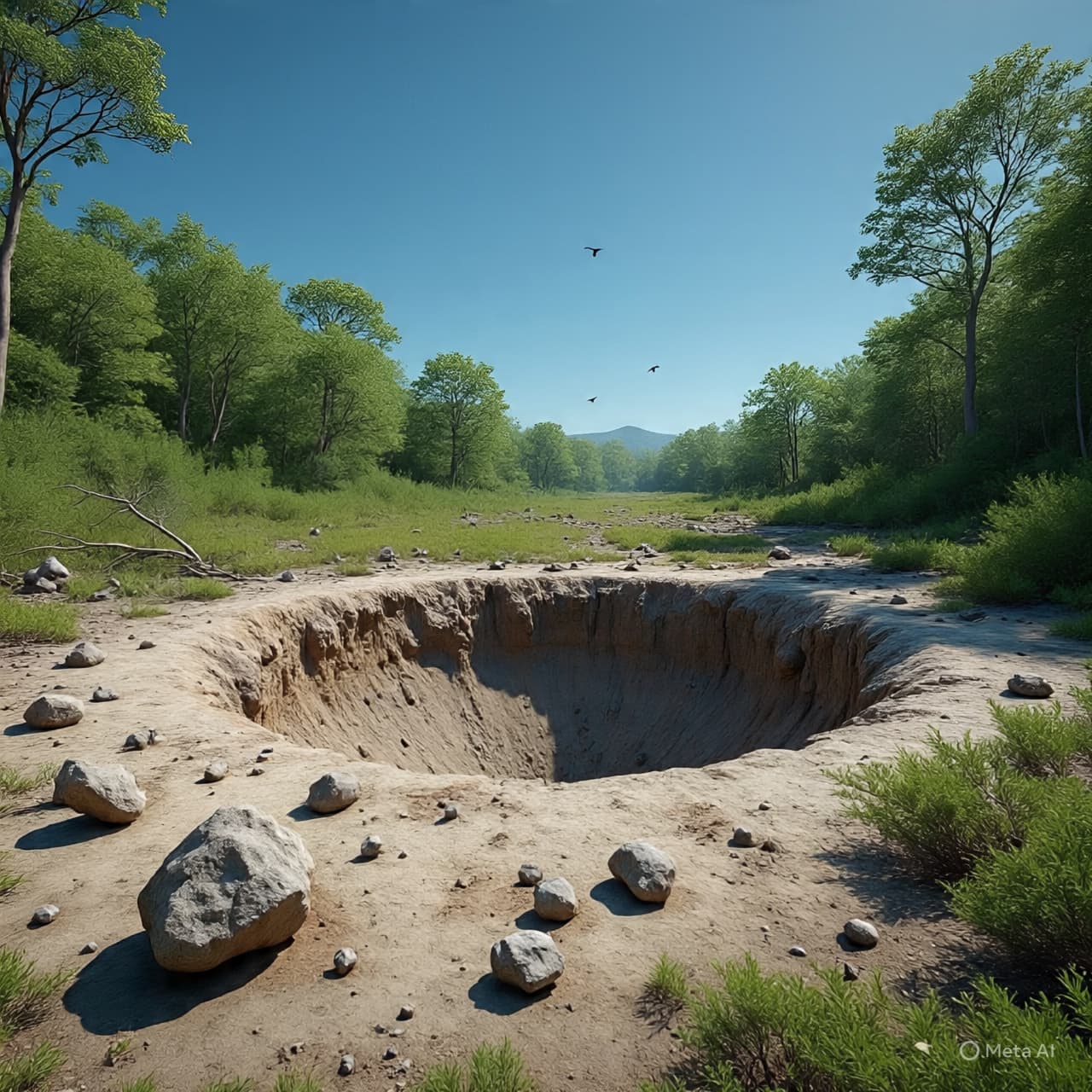
Scientists link unusual ground uplift in southern Poland to a hidden fault line, revealing evidence of powerful ancient earthquakes in a region long considered low risk.

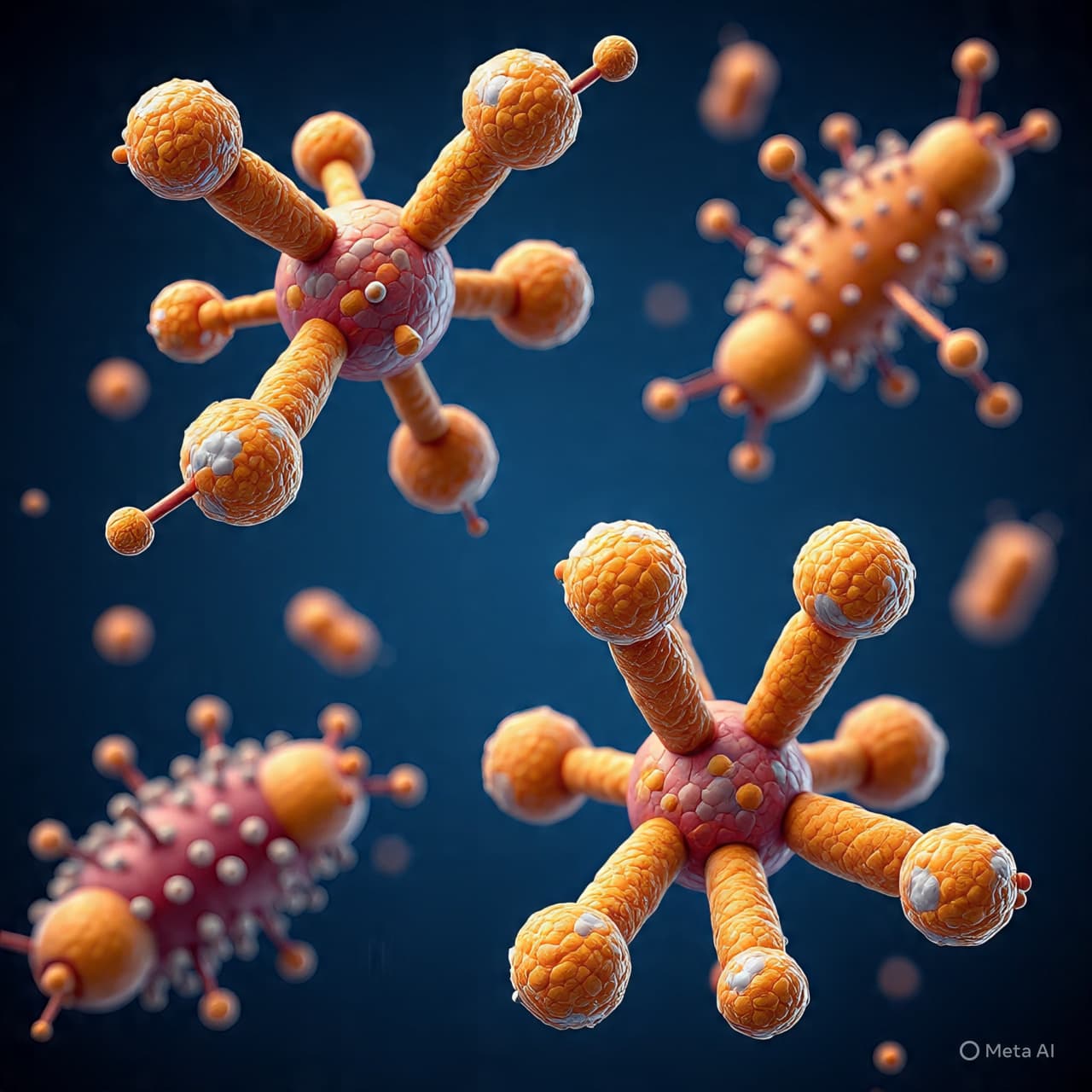
New research reveals protein-making viruses, a reimagined swimming Spinosaurus, and strong evidence that exercise reduces anxiety—reshaping how we see life, past and present.

Research shows Australian sea lion pups learn diving and foraging skills by closely following their mothers, highlighting the importance of maternal guidance in survival.

A distant planetary system shows unexpected features that challenge aspects of traditional planet-formation models, prompting scientists to refine existing theories.

Simulations suggest the early universe behaved like a strongly interacting fluid, or “cosmic soup,” refining our understanding of quark-gluon plasma after the Big Bang.

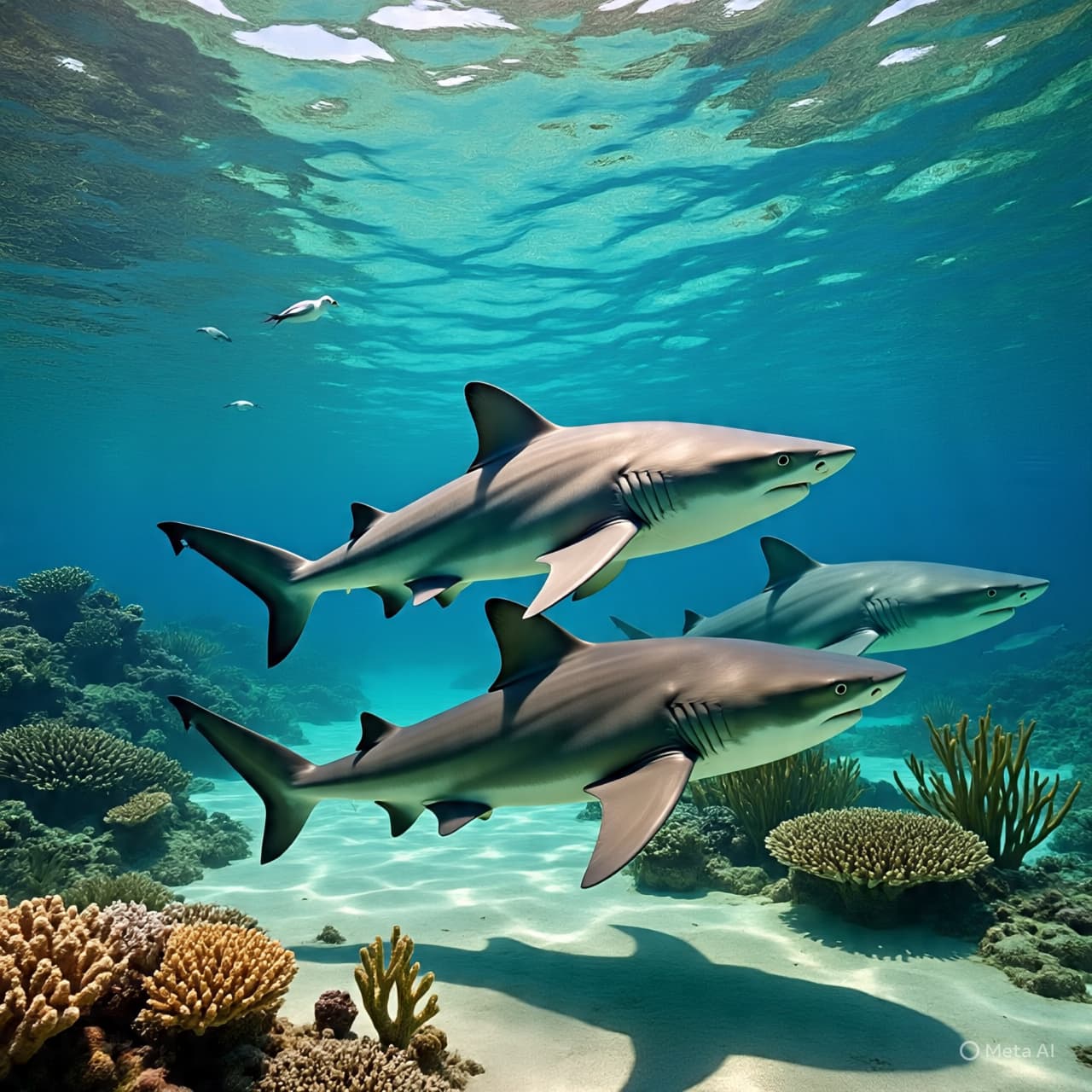
A new study suggests great white shark disappearances cannot be explained solely by orca predation, pointing instead to complex ecological and environmental factors.

Sediment beneath Antarctic ice reveals evidence of major ice retreat millions of years ago, helping scientists refine projections for future sea level rise.

Australians are invited to submit symbolic messages marking Voyager’s 50th anniversary, honoring the Golden Record and humanity’s enduring dialogue with the cosmos.

Manchester researchers developed a modelling tool that integrates satellite mission requirements with collision risks to help prevent orbital crashes before they occur.

Ultrafast laser pulses may enhance cryo-electron tomography by refining sample preparation and targeting, potentially improving resolution and structural clarity.

New imaging and molecular research clarify how cell membranes organize into dynamic microdomains, refining the classic fluid mosaic model and explaining long-standing mysteries.

New research suggests immunomediator expression in human periodontal ligament MSCs varies based on CD146 surface expression, highlighting cellular diversity in immune regulation.

February 2026 will bring a visible planetary alignment, with several bright planets appearing in a line. New images and simulations preview what this “planet parade” may look like.

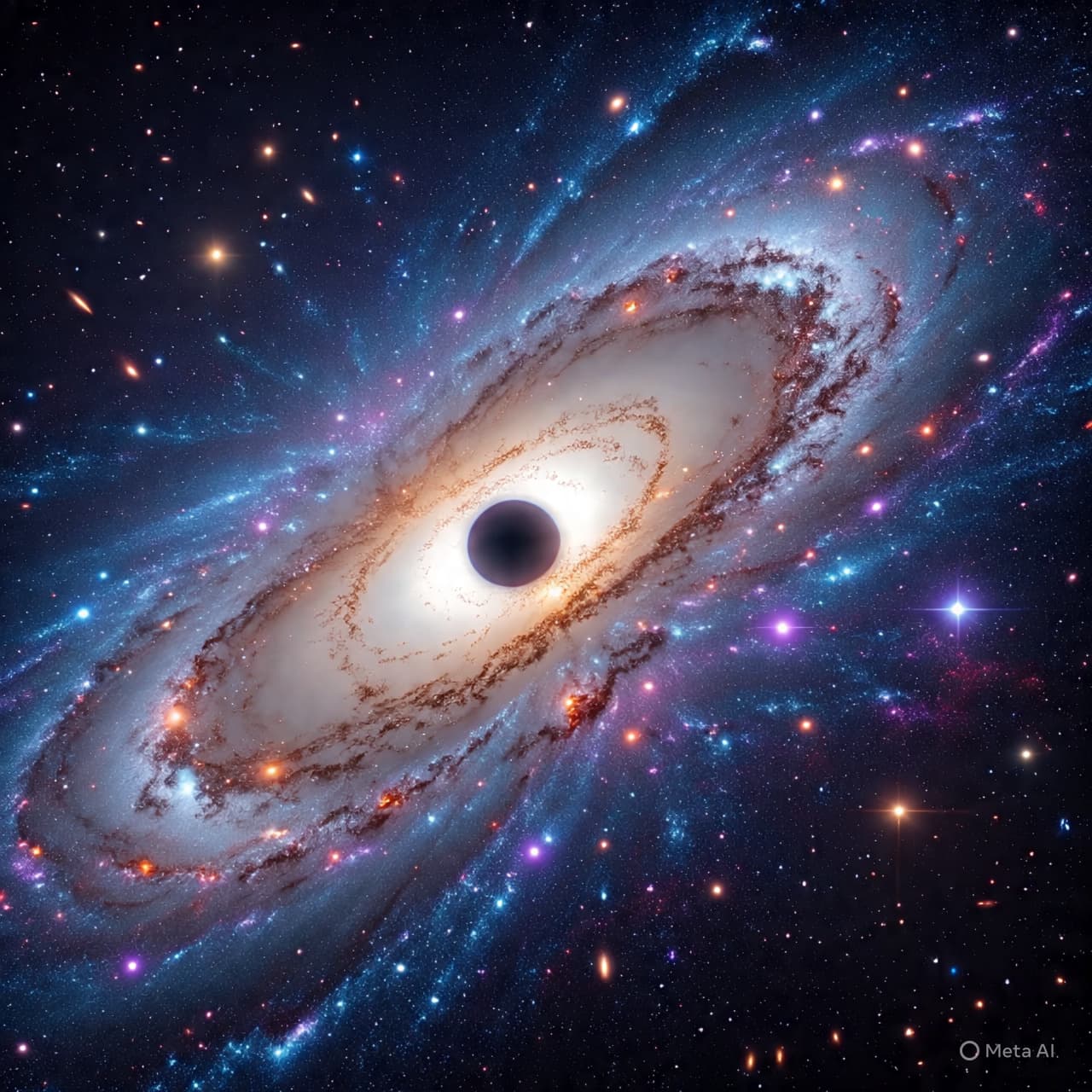
Astronomers have detected a repeating signal near Sagittarius A*, the Milky Way’s supermassive black hole. The rhythmic emissions may reveal new insights into extreme gravity and black hole physics.

The James Webb Space Telescope captured new infrared data showing how Uranus’ unusual magnetic field shapes its auroras and magnetosphere.

Studies suggest some flea and tick treatments for pets may contaminate waterways and harm aquatic insects. Experts call for responsible use and further environmental review.

AI analysis of plasma data has revealed unexpected patterns and instabilities, offering fresh insight into the physics of the fourth state of matter.

New dating at a Jordan Valley site suggests humans migrated from Africa earlier than previously believed, refining the timeline of early dispersals.

Scientists report that the Southern Indian Ocean has lost about 30% of its salinity over 60 years — an unprecedented freshening that could disrupt ocean circulation and reshape climate forecasts.

Astronomers confirm the discovery of CDG-2 — a galaxy in the Perseus cluster composed almost entirely of dark matter, revealed through faint globular clusters instead of starlight.

NASA’s Artemis II lunar flight now faces uncertainty for a March launch after engineers found a helium flow issue, potentially rolling the rocket back for further testing.

NASA’s Artemis II moon mission is likely delayed due to a helium issue in its rocket, potentially shifting the crewed lunar flight beyond March 2026.

NASA is targeting March 6, 2026, for the Artemis II lunar mission launch after a successful rocket rehearsal. Four astronauts may soon circle the Moon in the first crewed deep‑space flight in decades.