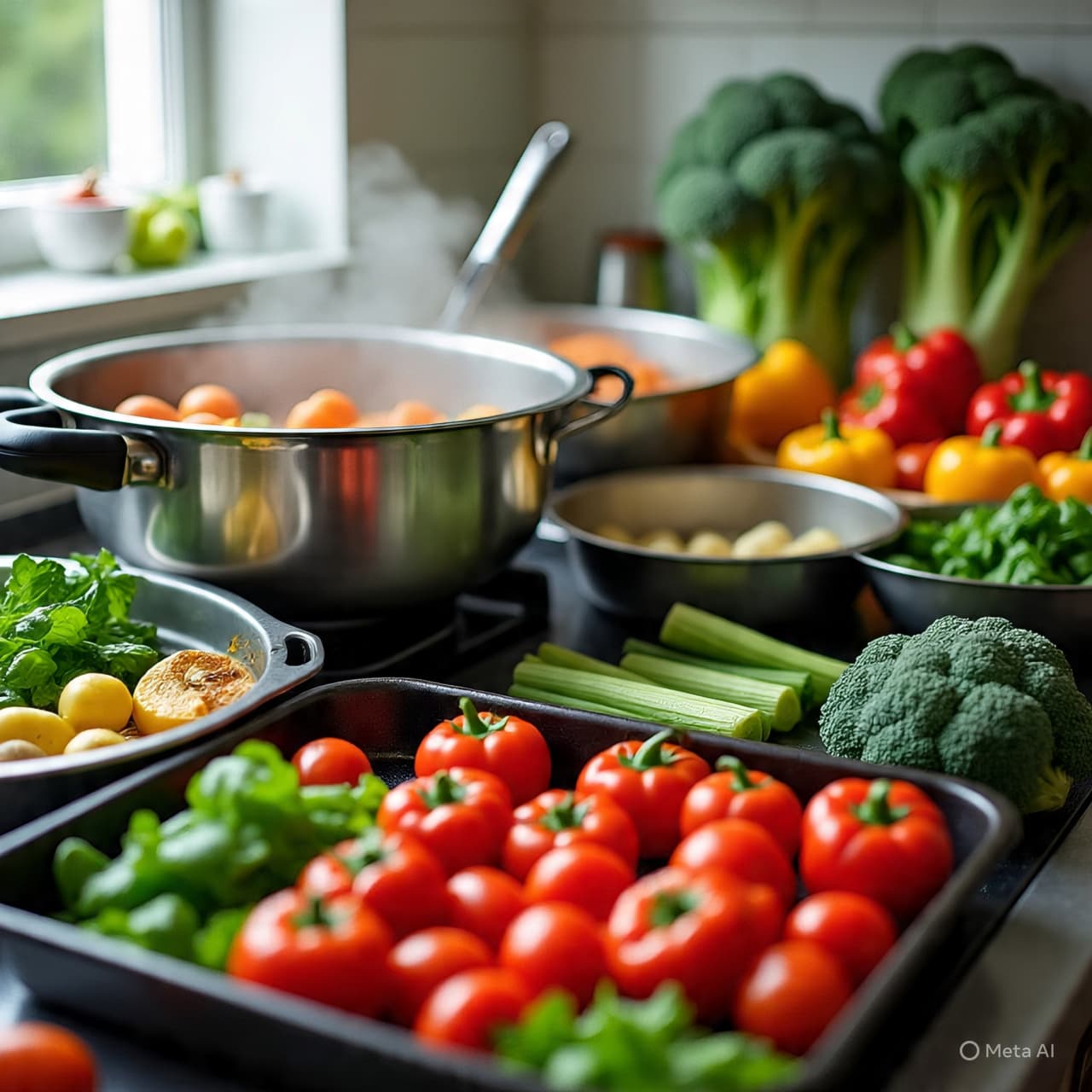
In the quiet ritual of preparing a meal, there is often a sense that something more than food is taking shape. Heat rises, colors deepen, textures soften—and somewhere within this transformation, nutrients begin a journey of their own. Cooking, long seen as both art and necessity, may also be a kind of conversation between fire and biology, shaping not just flavor but the way our bodies receive nourishment.
Recent research has begun to look more closely at this conversation, suggesting that the way we cook our food can significantly influence how well our bodies absorb its nutrients. It is not merely a matter of what we eat, but how we prepare it. Beneath the surface of boiling, steaming, roasting, or frying lies a subtle interplay of chemistry, where vitamins, minerals, and antioxidants are either preserved, released, or, at times, quietly diminished.
Scientists have found that certain cooking methods can unlock nutrients that would otherwise remain less accessible. For example, gentle heating can break down plant cell walls, allowing compounds like carotenoids—found in vegetables such as carrots and tomatoes—to become more bioavailable. In this sense, cooking becomes less about loss and more about transformation, a process that can enhance the body’s ability to draw value from what it consumes.
At the same time, the research does not ignore the fragility of some nutrients. Water-soluble vitamins, such as vitamin C and certain B vitamins, can leach into cooking water or degrade under high heat. Boiling, while simple and familiar, may sometimes carry these nutrients away, dissolving them into the liquid that is later discarded. Steaming or microwaving, by contrast, often preserves more of these delicate elements, offering a quieter, more careful approach to heat.
There is also growing interest in how combinations of cooking techniques and ingredients can work together. The addition of healthy fats, for instance, can improve the absorption of fat-soluble vitamins like A, D, E, and K. A drizzle of oil over roasted vegetables is not just a culinary choice—it may be a biological one, supporting the body’s ability to make use of what is present on the plate.
What emerges from this research is not a rigid set of rules, but a gentle reframing of everyday habits. Cooking is no longer seen simply as a step between raw ingredients and a finished dish, but as an active participant in nutrition itself. The kitchen becomes, in a quiet way, a place of subtle optimization, where small choices—how long to cook, how much water to use, whether to pair certain ingredients—can shape the nutritional outcome.
Yet, the findings also carry a note of balance. No single method is universally superior, and the diversity of cooking techniques reflects the diversity of nutrients themselves. What benefits one compound may diminish another, and so the answer lies not in strict adherence but in variety and awareness. A mix of raw and cooked foods, of different methods and flavors, may offer the most complete picture of nourishment.
As this area of research continues to unfold, it gently invites a reconsideration of familiar routines. The act of cooking, often guided by taste and tradition, may also become guided by a quiet understanding of how the body receives what is prepared.
For now, scientists suggest that thoughtful cooking choices—such as favoring steaming over boiling for certain vegetables or combining foods with complementary nutrients—can support better nutrient absorption. While further studies are ongoing, the emerging evidence points toward a simple idea: that how we cook can meaningfully influence how well we are nourished.
AI Image Disclaimer Illustrations were produced with AI and serve as conceptual depictions.
Sources BBC The New York Times Harvard Health Publishing Nature Food The Guardian
Published by Banx Network. This article is part of the Banx decentralized media programme, powered by the BXE token on the XRP Ledger.