SCIENCE94% credibility
From Orbit to Ocean: The Story Held in Artemis II’s Descent
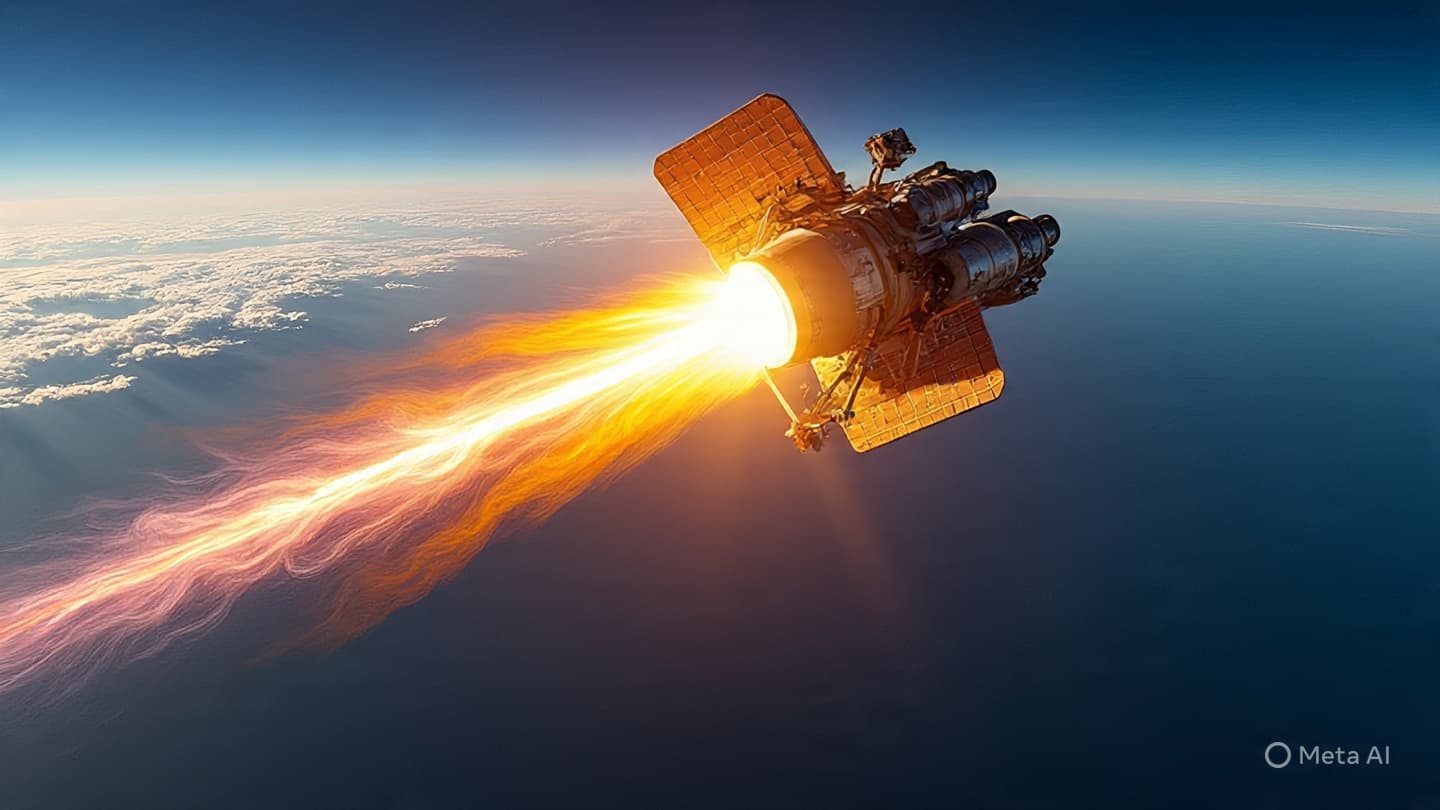
Artemis II prepares for a critical return to Earth, marking a key milestone in NASA’s efforts to advance human space exploration.
2 min read

Artemis II prepares for a critical return to Earth, marking a key milestone in NASA’s efforts to advance human space exploration.

Researchers observed coordinated violent behavior between chimpanzee groups, resembling organized conflict. The findings reveal complex social dynamics and raise questions about the roots of aggression.

New research shows supervolcanic magma may originate from the shallow mantle, improving scientific understanding and helping refine volcanic monitoring systems.

NASA’s Artemis missions continue to deliver scientific discoveries, improving understanding of the Moon, space environment, and future human exploration.

A rare mummified reptile fossil reveals early respiratory evolution, offering new insights into how breathing mechanisms developed millions of years earlier than previously believed.

A 500-million-year-old predator fossil found in Utah is reshaping scientific understanding of spider evolution and early arthropod diversity.

Vietnam’s new leader meets Xi Jinping on his first overseas trip, signaling strategic balance in a complex relationship shaped by cooperation and tension.

Julius Malema has been sentenced to prison over a firearm incident, raising questions about law, symbolism, and accountability in South African politics.

Port Moresby has launched a 30-million Kina "Healthy Capital" campaign with the WHO to reduce malaria by 40% through community-led vector control and expanded medical diagnostics.

A marine survey by the Marine Institute has discovered an extensive 20-kilometer deep-sea coral reef system 800 meters beneath the surface off the coast of Kerry, Ireland.

Astronomers have measured black hole jets for the first time, revealing near-light speeds and immense energy shaping galaxies.

Ancient DNA studies reveal widespread directional selection across West Eurasia, showing how human populations adapted to diet, disease, and environment over time.

The "Coral Sea 2" subsea fiber optic cable has officially landed in Port Moresby, establishing a 20-terabit connection that will significantly enhance Papua New Guinea's digital infrastructure and internet capacity.

Honduran coffee farmers in Marcala and Copán have transitioned 15,000 hectares to shade-grown practices, a sustainable move designed to curb soil erosion and enhance biodiversity while improving crop quality.

The 2026 Lyrid meteor shower peaks in April, offering modest but meaningful celestial displays visible best before dawn under dark skies.

Researchers in Honduras have discovered extensive pre-Columbian agricultural terraces hidden beneath the jungle canopy, revealing sophisticated ancient soil management and sustainable farming techniques.

NASA’s new space telescope enhances observation capabilities, helping scientists explore distant cosmic phenomena and deepen understanding of the universe.

NASA’s Perseverance rover has identified unusual features in ancient Martian rocks, offering new insights into the planet’s geological past and possible habitability.
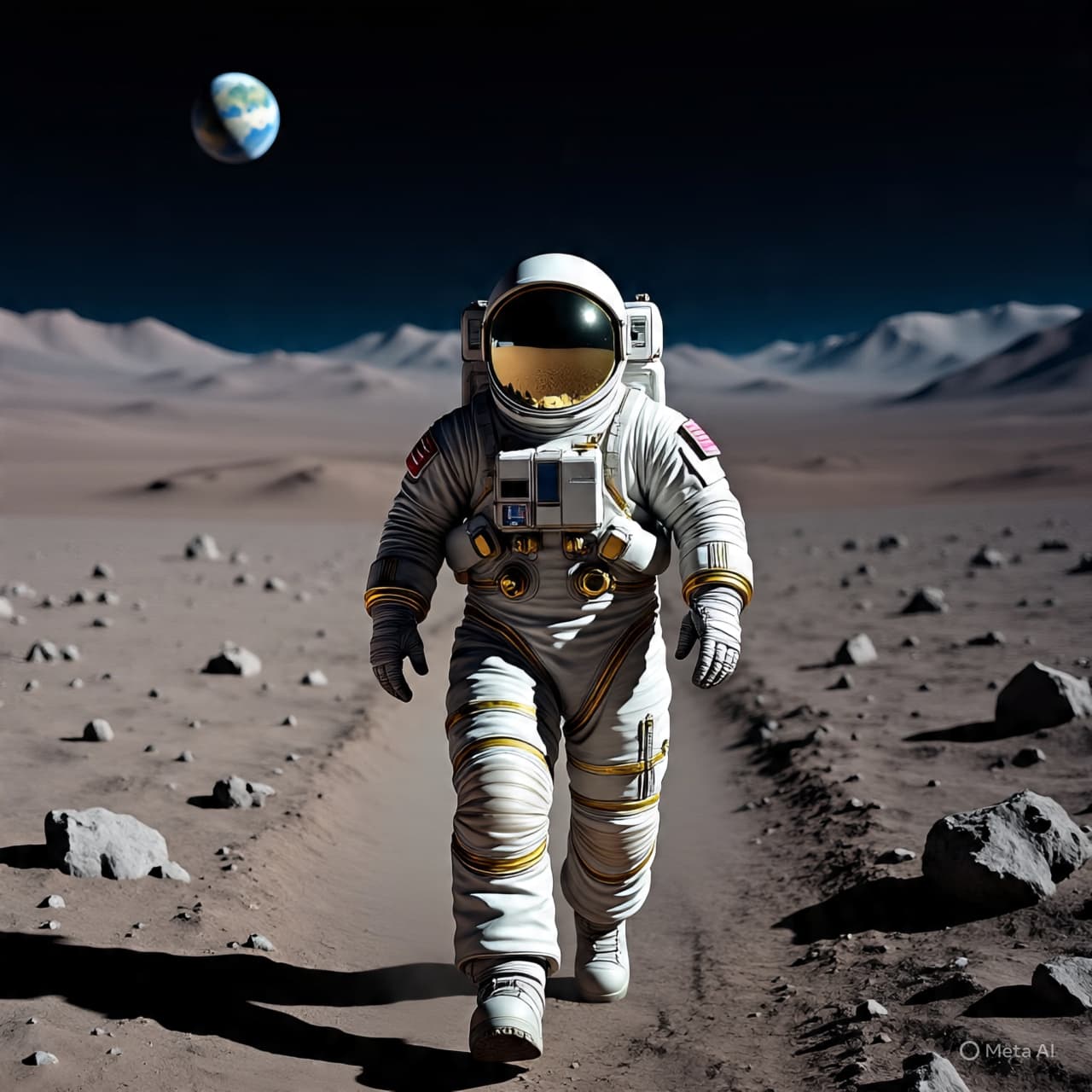
Axiom Space plans to test a next-generation spacesuit in 2027, focusing on improved mobility, durability, and readiness for future lunar missions.
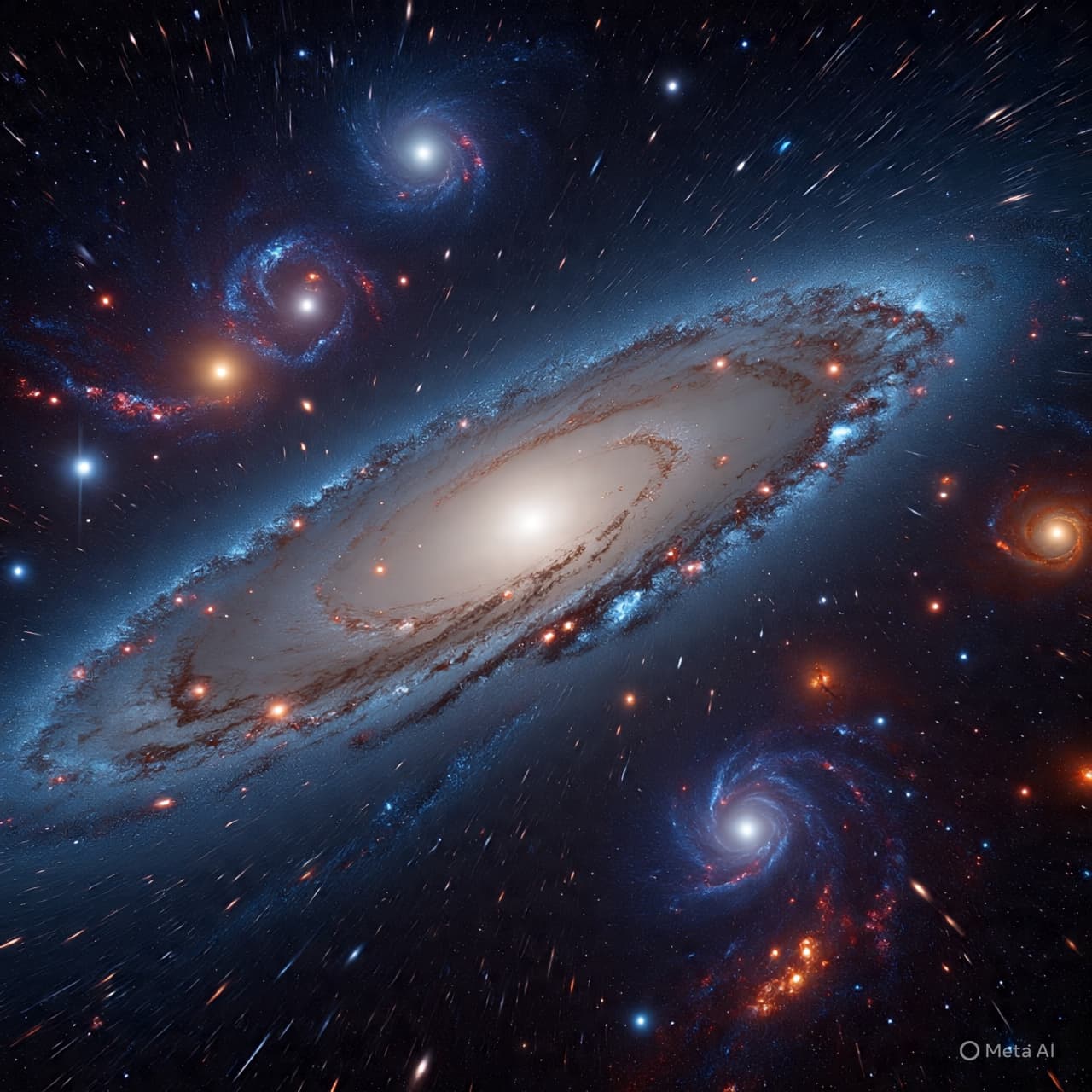
New observations confirm that gravity behaves according to Newton and Einstein even at cosmic scales, though mysteries like dark matter and dark energy remain unresolved.
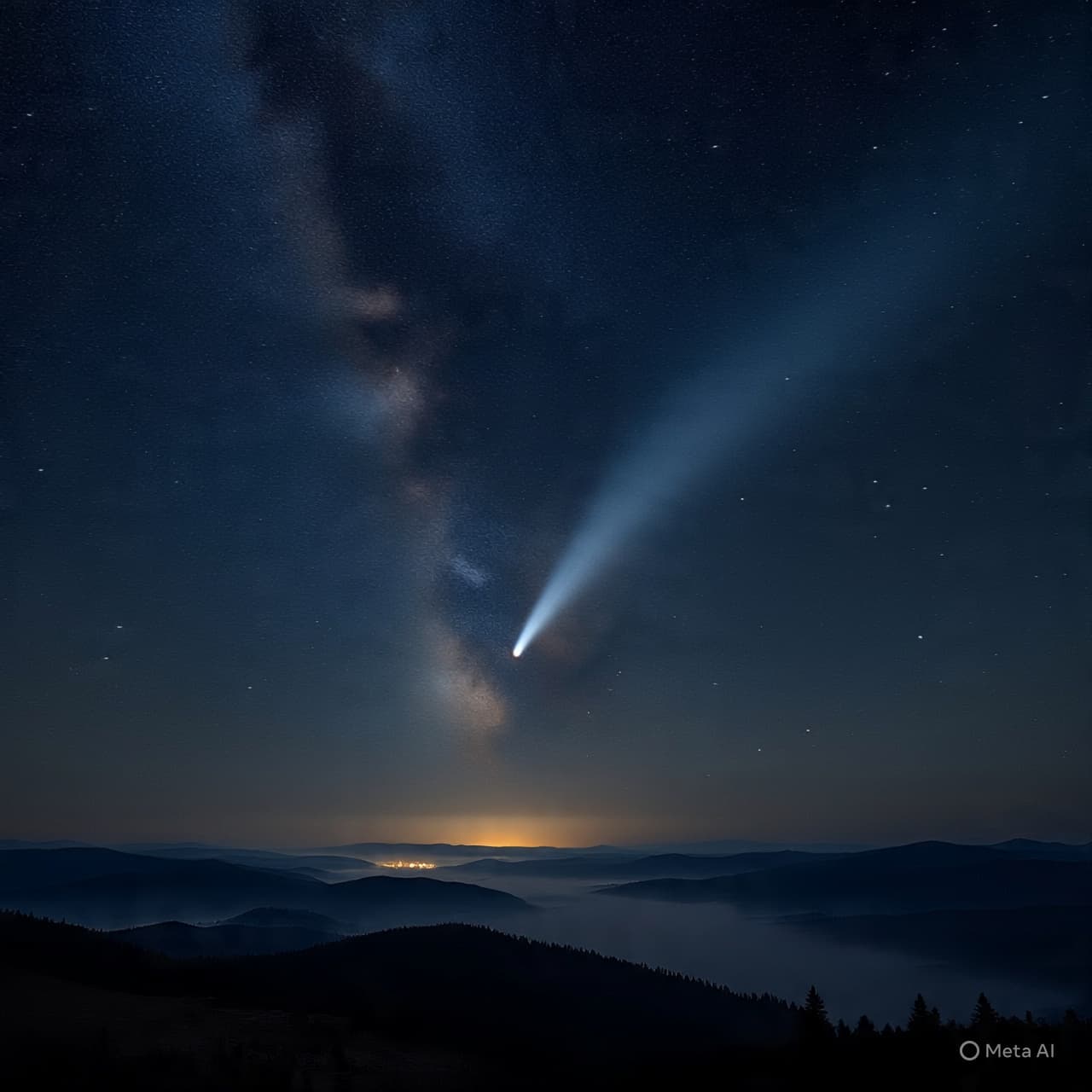
Comet PanSTARRS, visible briefly in the night sky, offers a rare viewing opportunity before disappearing for about 170,000 years, carrying insights into early solar system history.
James Webb observations suggest supergiant exoplanets may form through rapid gravitational collapse rather than slow accumulation, offering new insight into planetary formation processes.
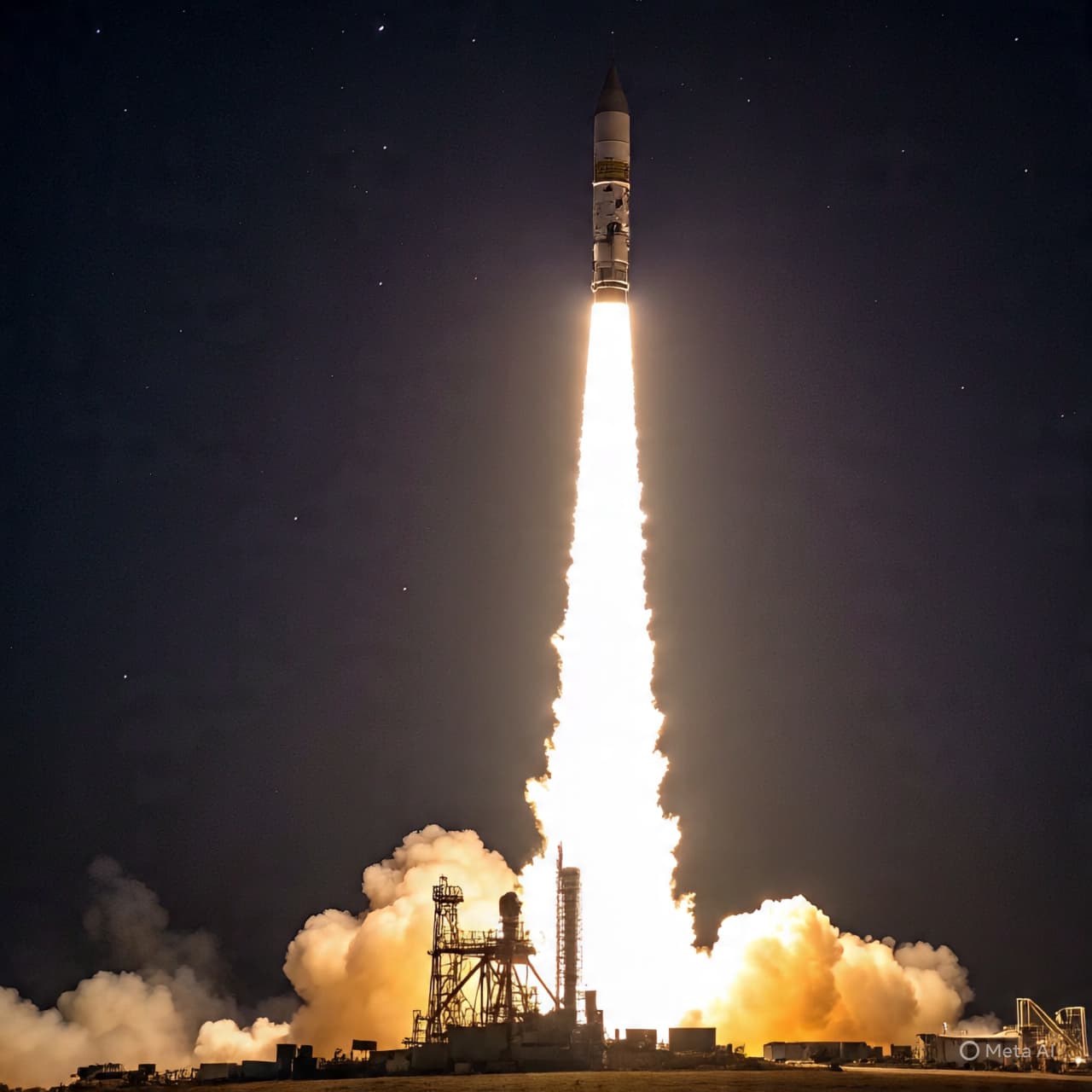
SpaceX launched two Starlink satellite groups within 19 hours, highlighting rapid advancements in space operations while raising questions about orbital congestion and environmental impact.
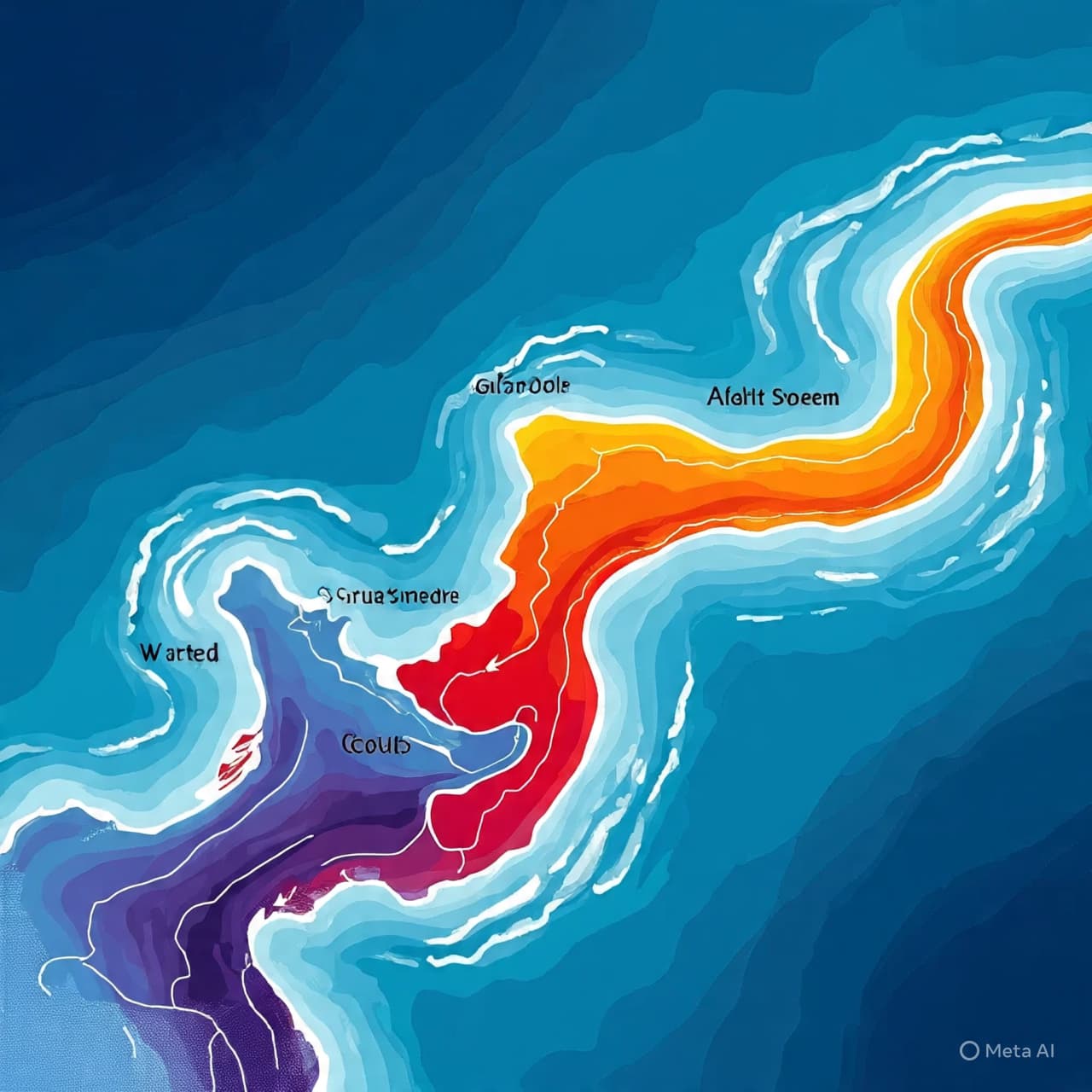
New research suggests the Atlantic ocean current system may be more vulnerable to collapse than previously believed, raising concerns about long-term climate impacts worldwide.