SCIENCE94% credibility
The Breath of the Heavy Lift: When the Barge Carries the Dreams of a Generation
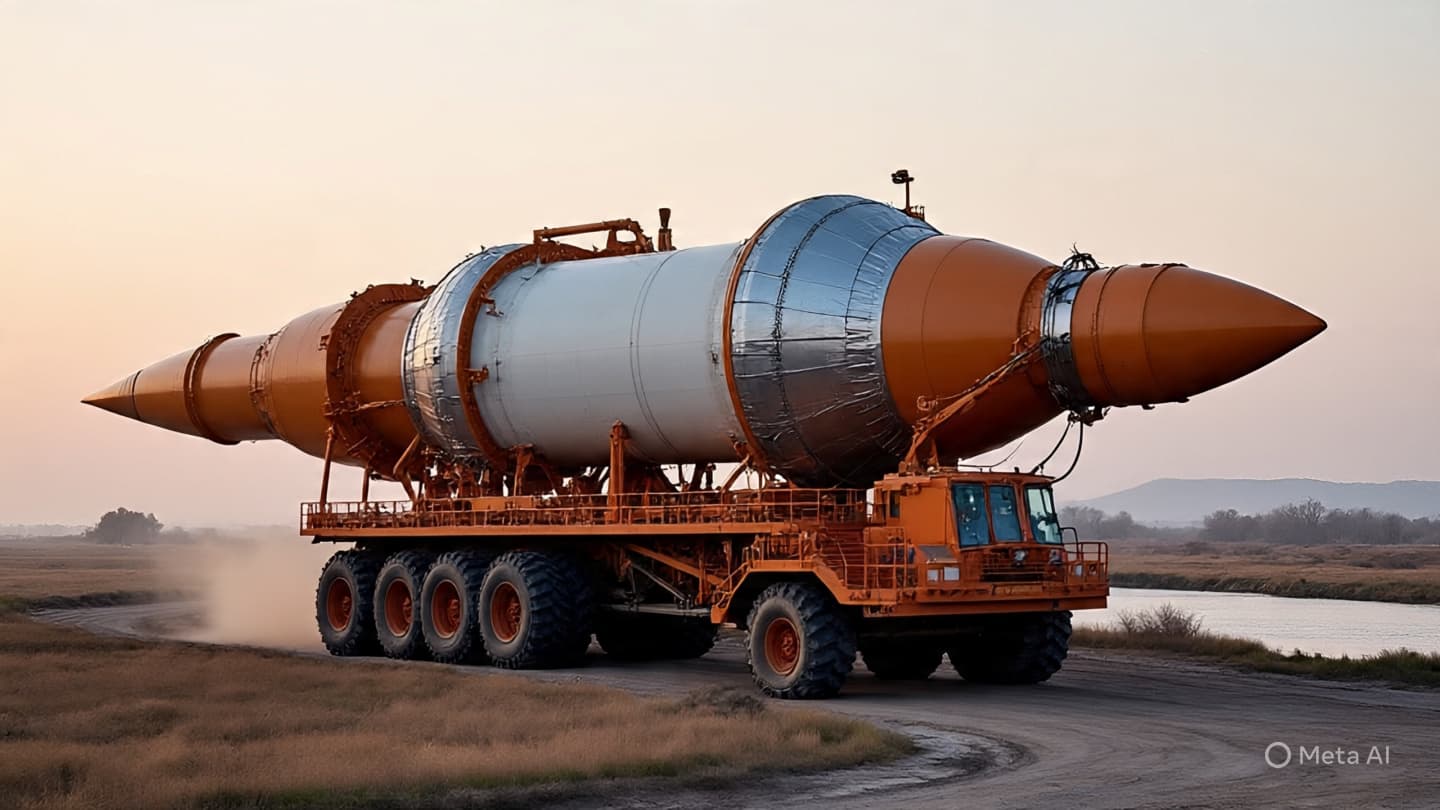
NASA ships the massive core of the Artemis III SLS rocket on April 20, 2026, marking a critical leap toward the mission’s 2027 launch.
3 min read

NASA ships the massive core of the Artemis III SLS rocket on April 20, 2026, marking a critical leap toward the mission’s 2027 launch.
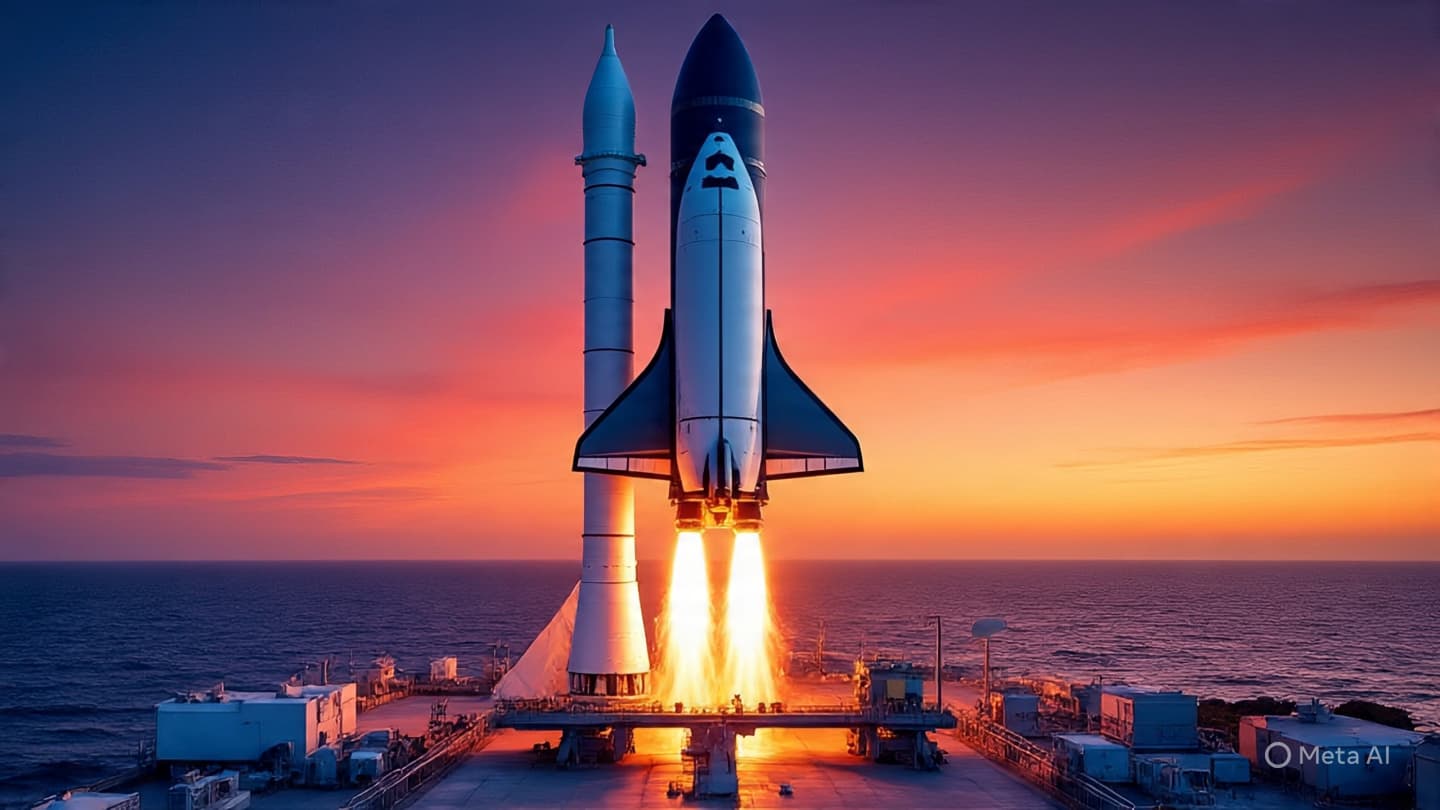
Blue Origin prepares for a historic New Glenn launch on April 19, 2026, signaling the end of heavy-lift monopolies in space.
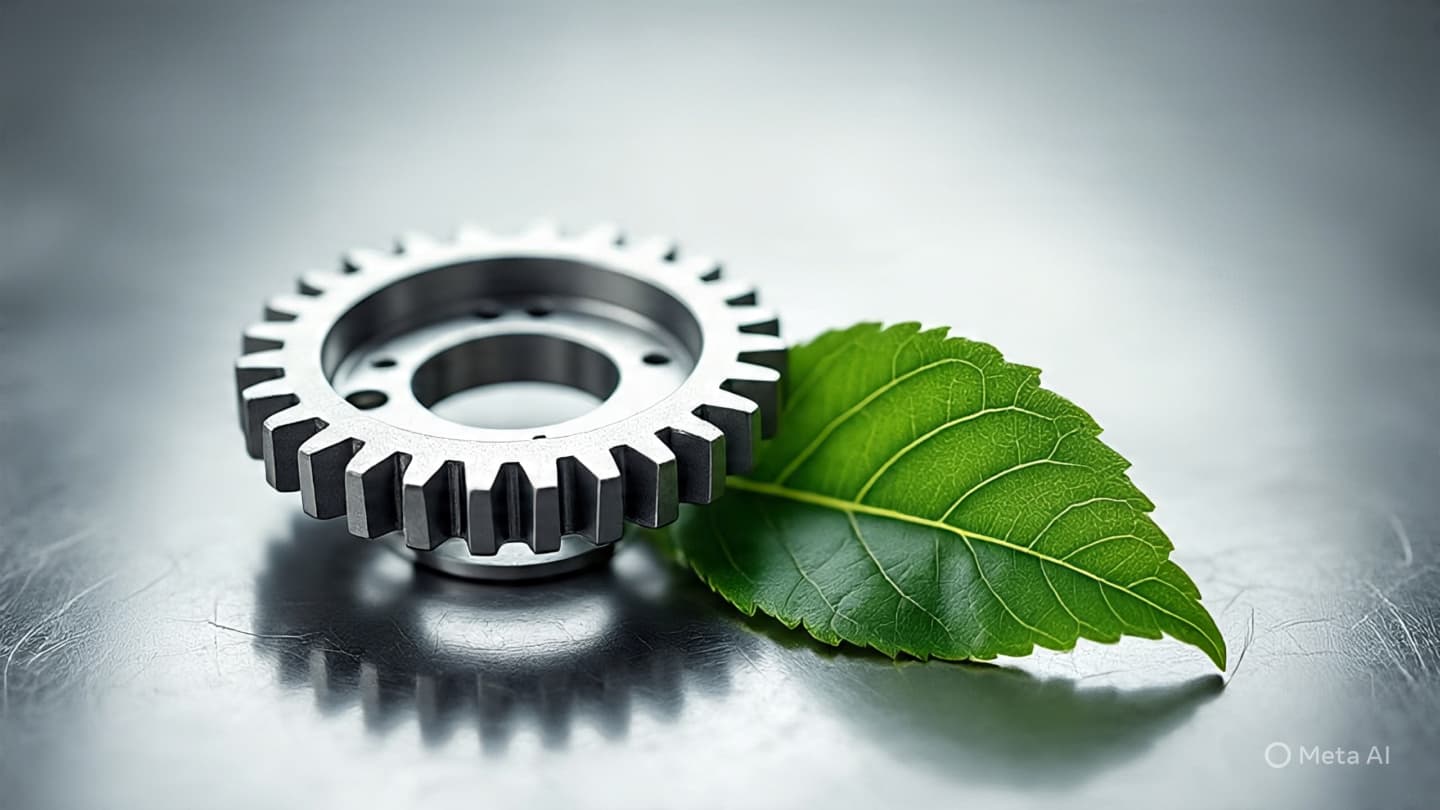
The International Conference on Structural Materials in Salto, Uruguay, concluded with significant breakthroughs in sustainable alloys and new global research partnerships in material science.

Rwanda is nearing the full-scale production of mRNA vaccines at its new Kigali facility, a major step toward African health sovereignty and regional disease prevention
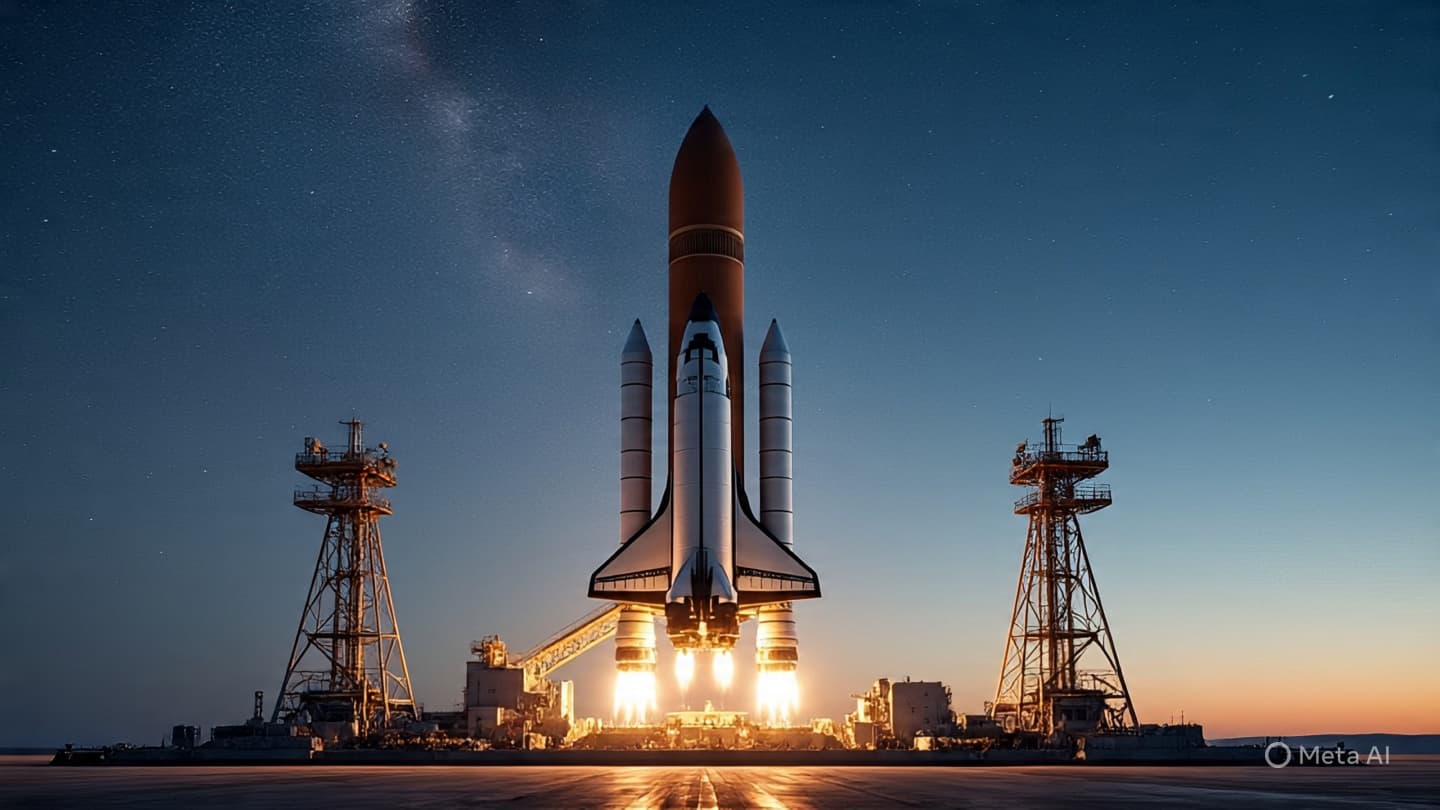
Roscosmos has confirmed the late April launch schedule for the Rassvet-3 communication satellites, aiming to bolster high-orbit connectivity and national broadband infrastructure.
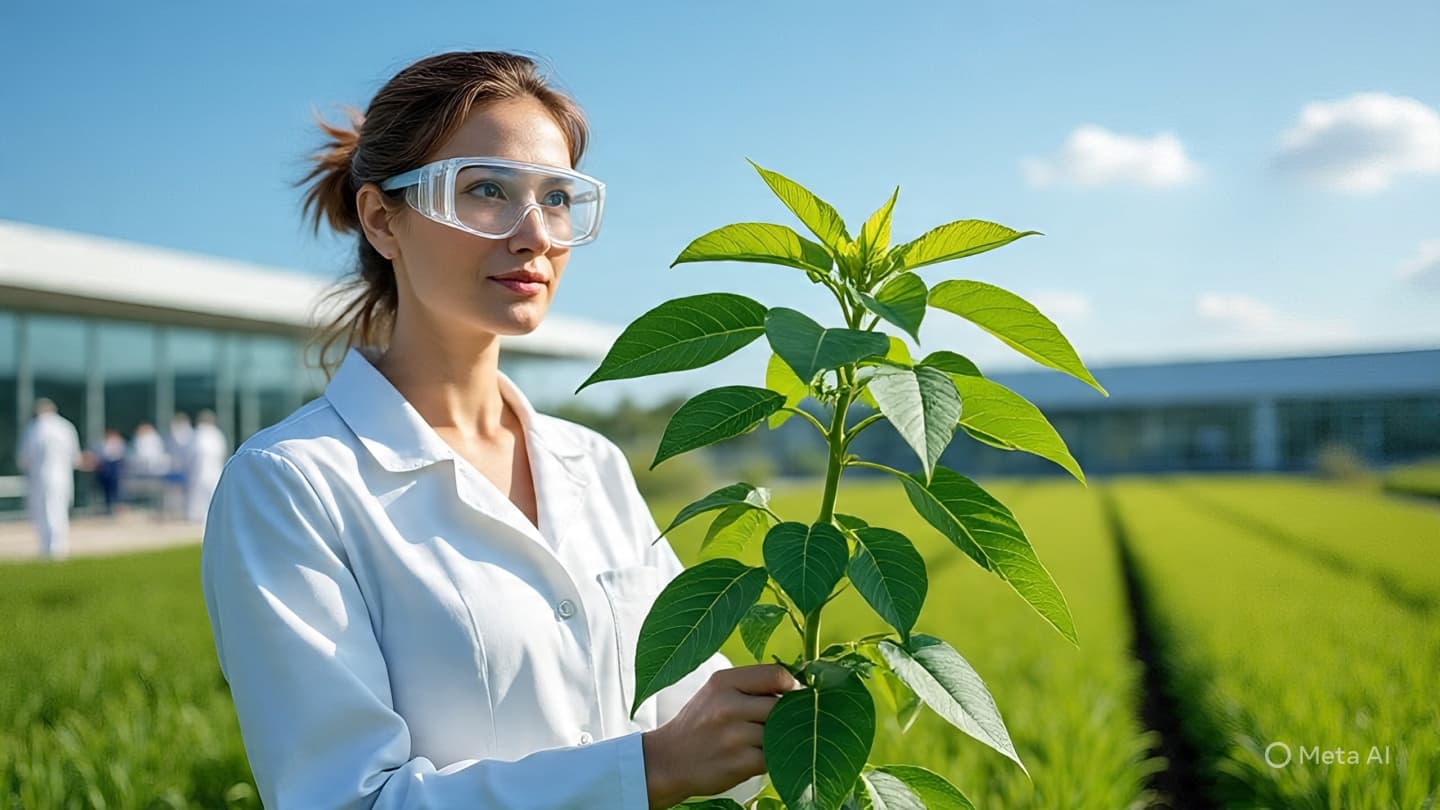
Rwanda has launched the BioCap Project in partnership with the IAEA, utilizing nuclear biotechnology to develop disease-resistant crops and strengthen regional food security through science.

Russian researchers at HSE University have pioneered a generative synthesis method for microwave filters, reducing design time from days to minutes through advanced machine learning integration.
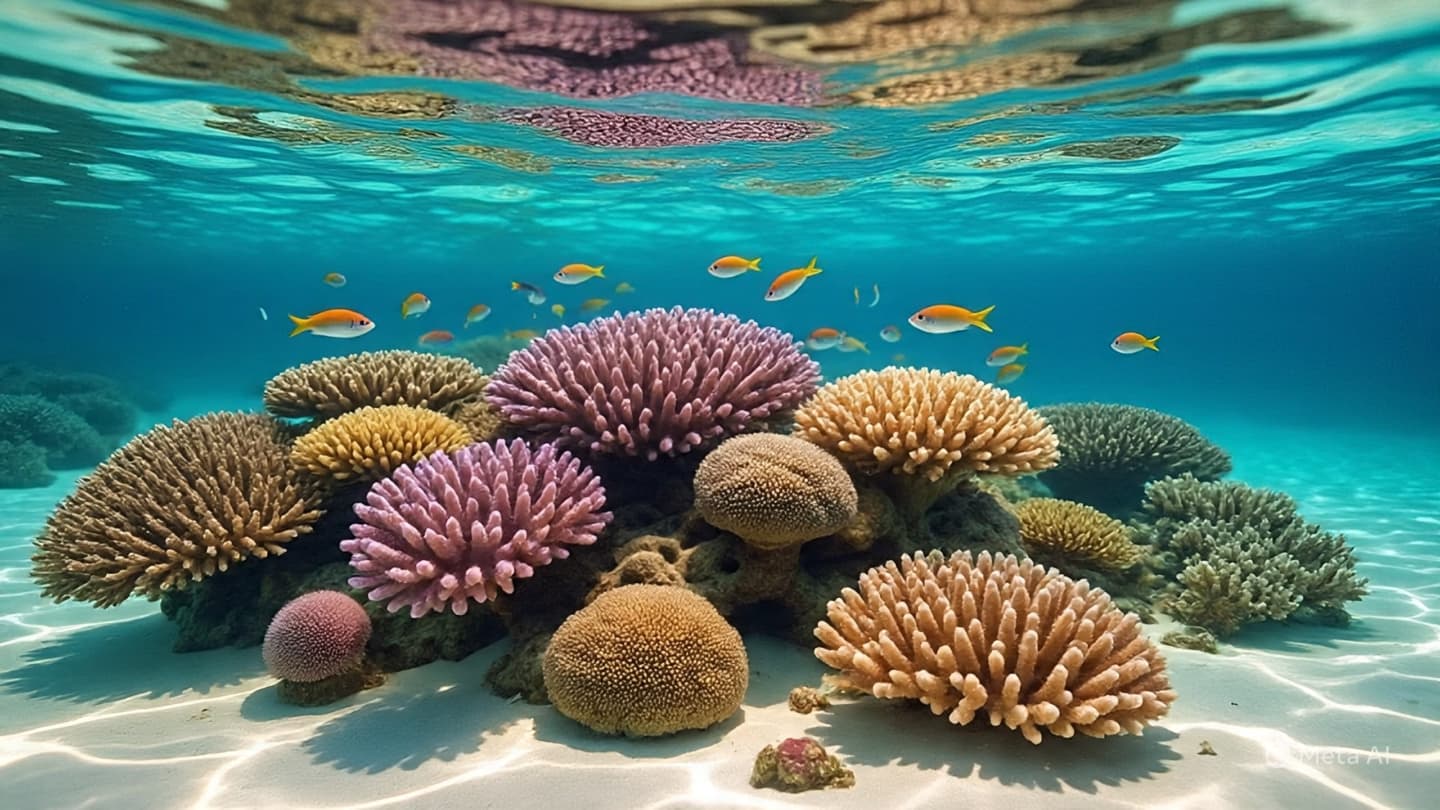
Mexico and Caribbean nations have formed a strategic alliance to protect marine ecosystems, focusing on reef conservation and sustainable practices across their shared territorial waters.
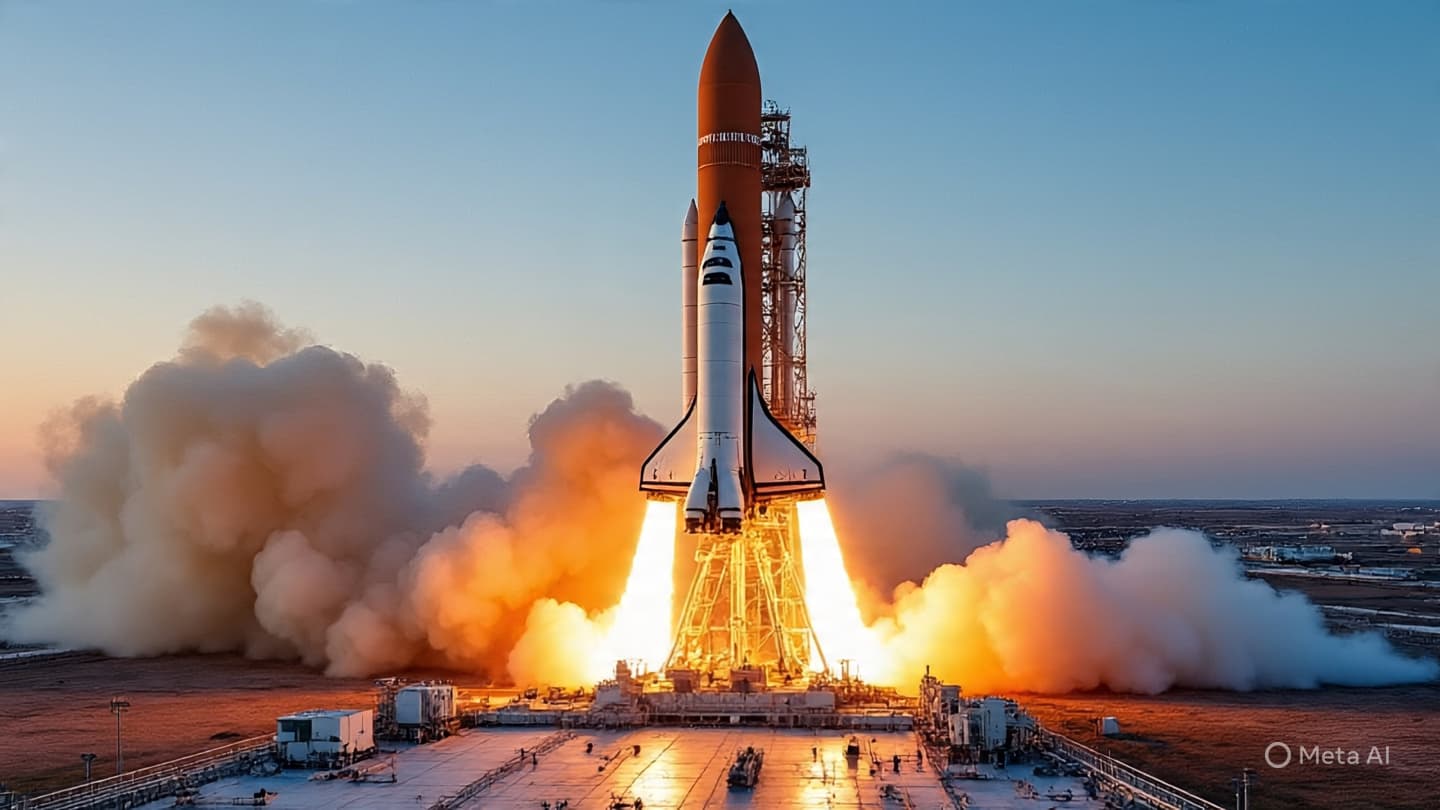
Blue Origin successfully hot-fired a previously flown booster, marking progress in reusable rocket technology ahead of an upcoming launch.
China’s Shenzhou-21 crew will remain in space an extra month, enabling more research and signaling confidence in its growing space station capabilities.
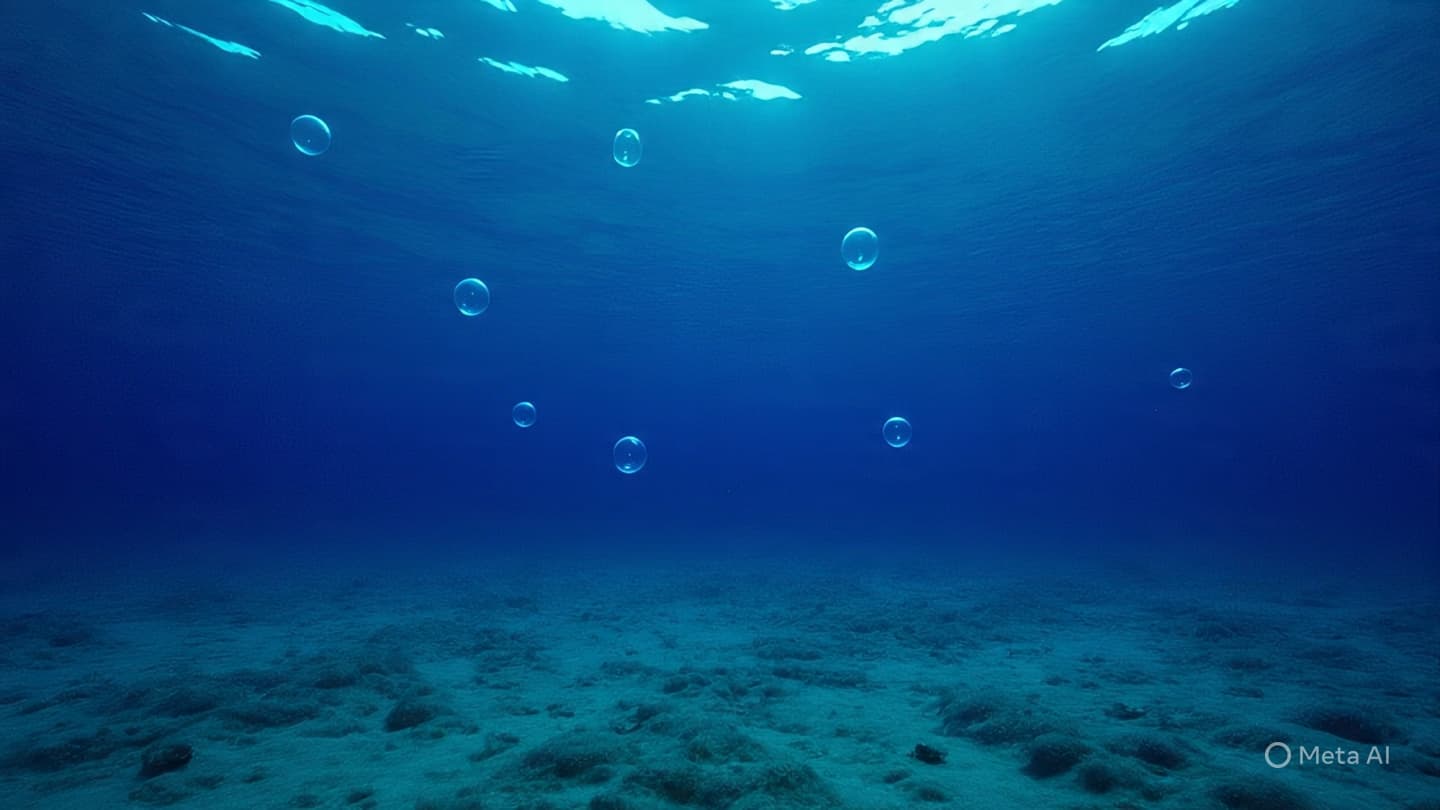
Scientists have identified a new ocean methane source that may contribute to climate warming. The finding could reshape climate models and highlights gaps in understanding ocean-driven emissions.

A large coronal hole on the Sun may trigger strong auroras visible across several U.S. states, offering a rare opportunity to witness northern lights beyond polar regions.

New research reveals the Grand Canyon formed through multiple geological phases, with some sections far older than previously believed, reshaping understanding of Earth’s erosion processes.
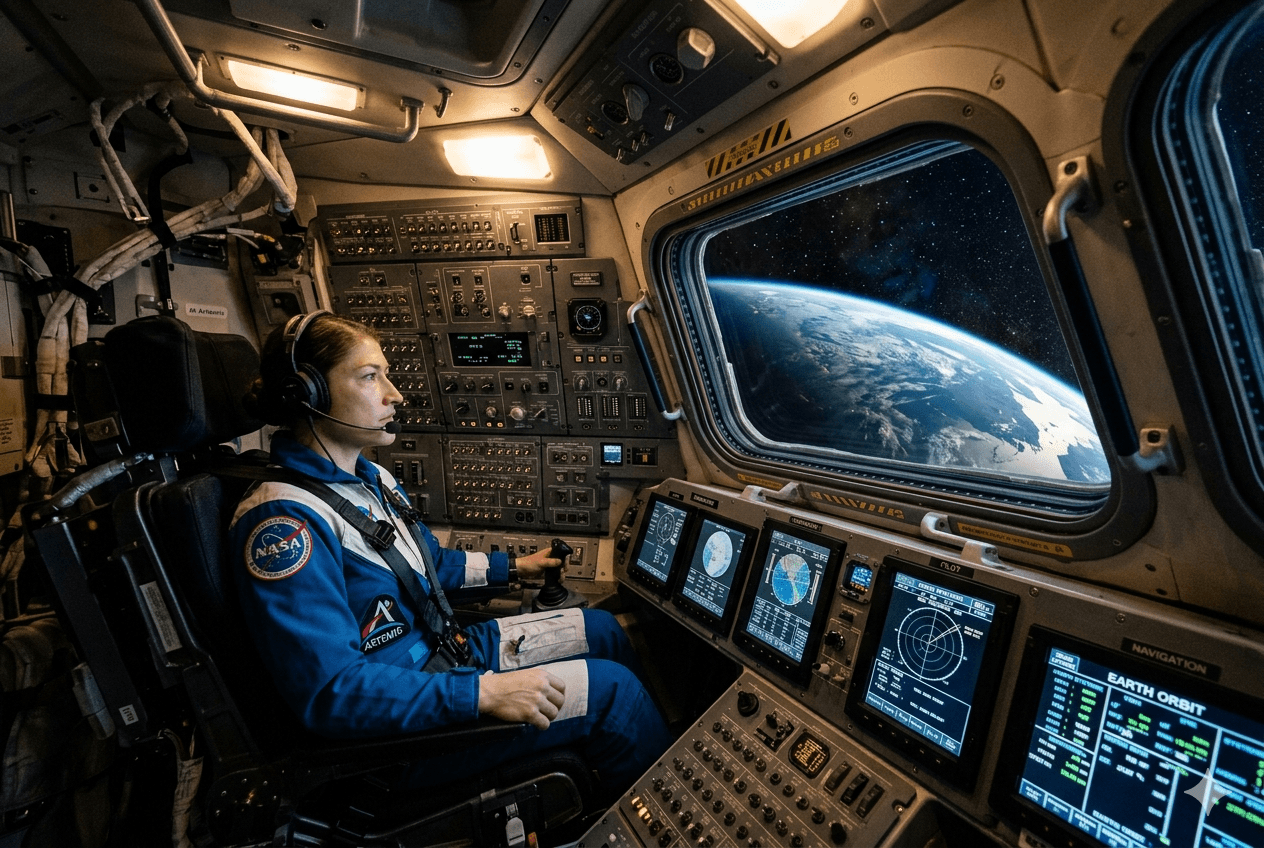
An Artemis II pilot shares the lived experience of flying and landing Orion, revealing the balance between precision engineering and human perception in deep-space missions.

Scientists have uncovered where the Colorado River flowed during a 5-million-year gap in the geological record, revealing it was redirected rather than vanished.
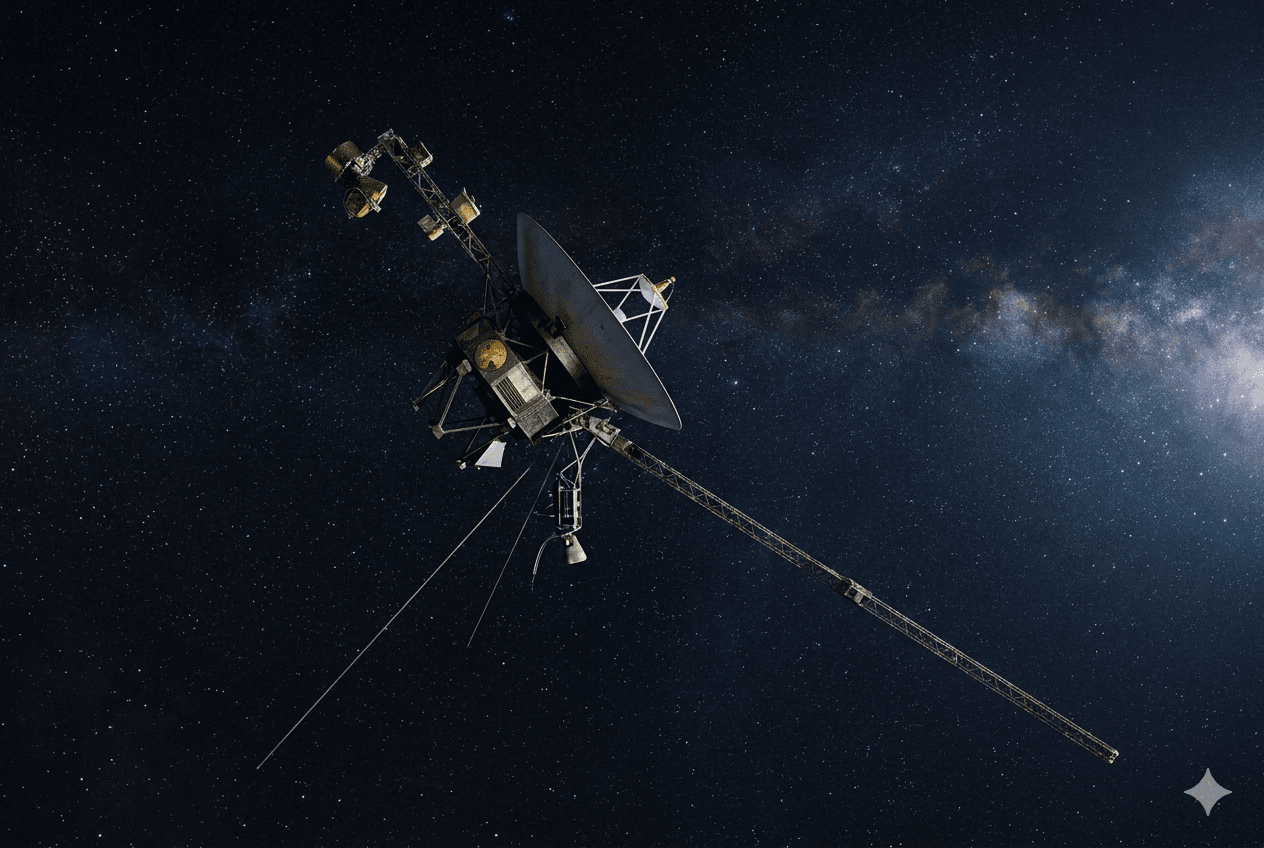
NASA has shut down an instrument on Voyager 1 to conserve power, extending the spacecraft’s ability to operate and send data from interstellar space.
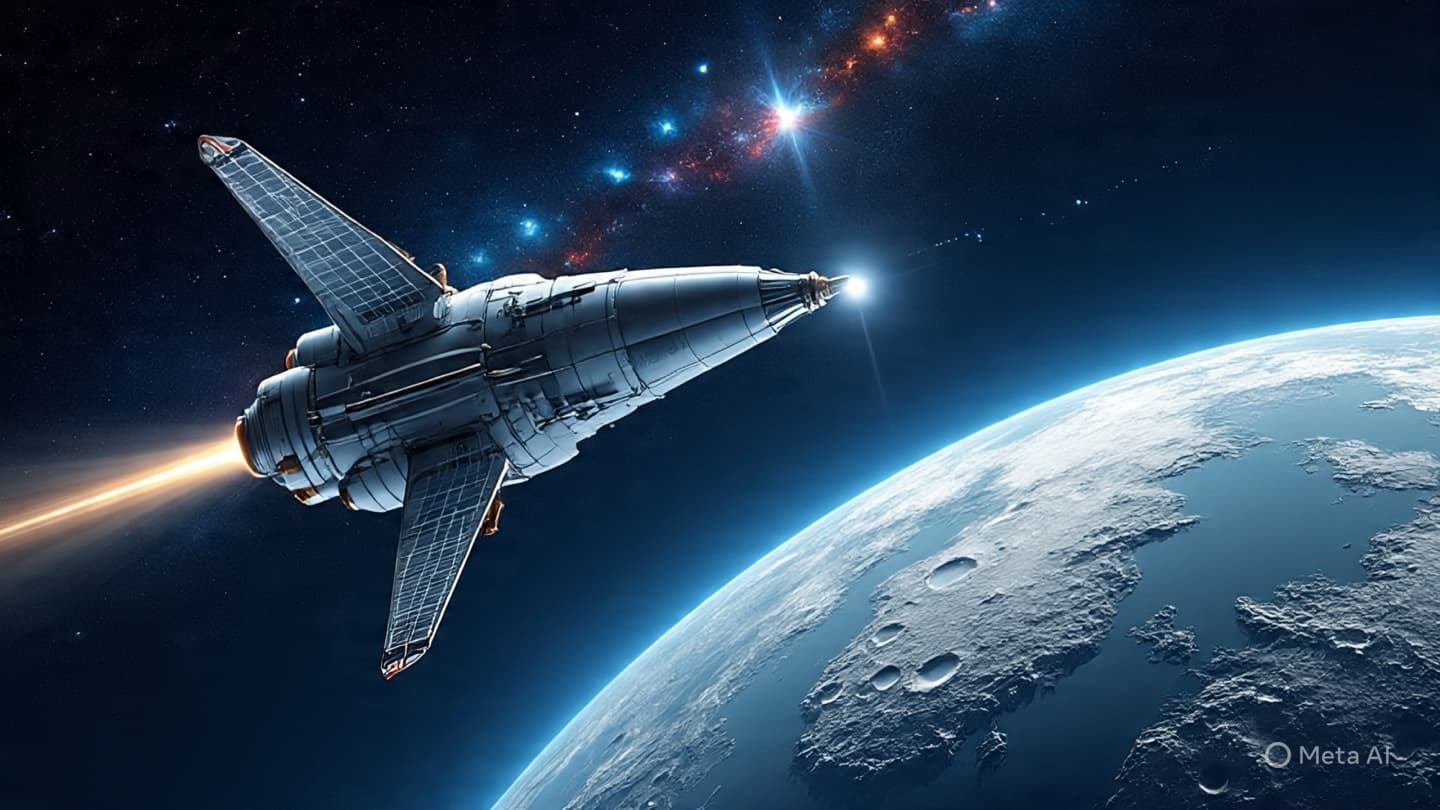
Astronaut Jeremy Hansen highlights Artemis II as proof of Canada’s growing role in lunar exploration and global space cooperation.
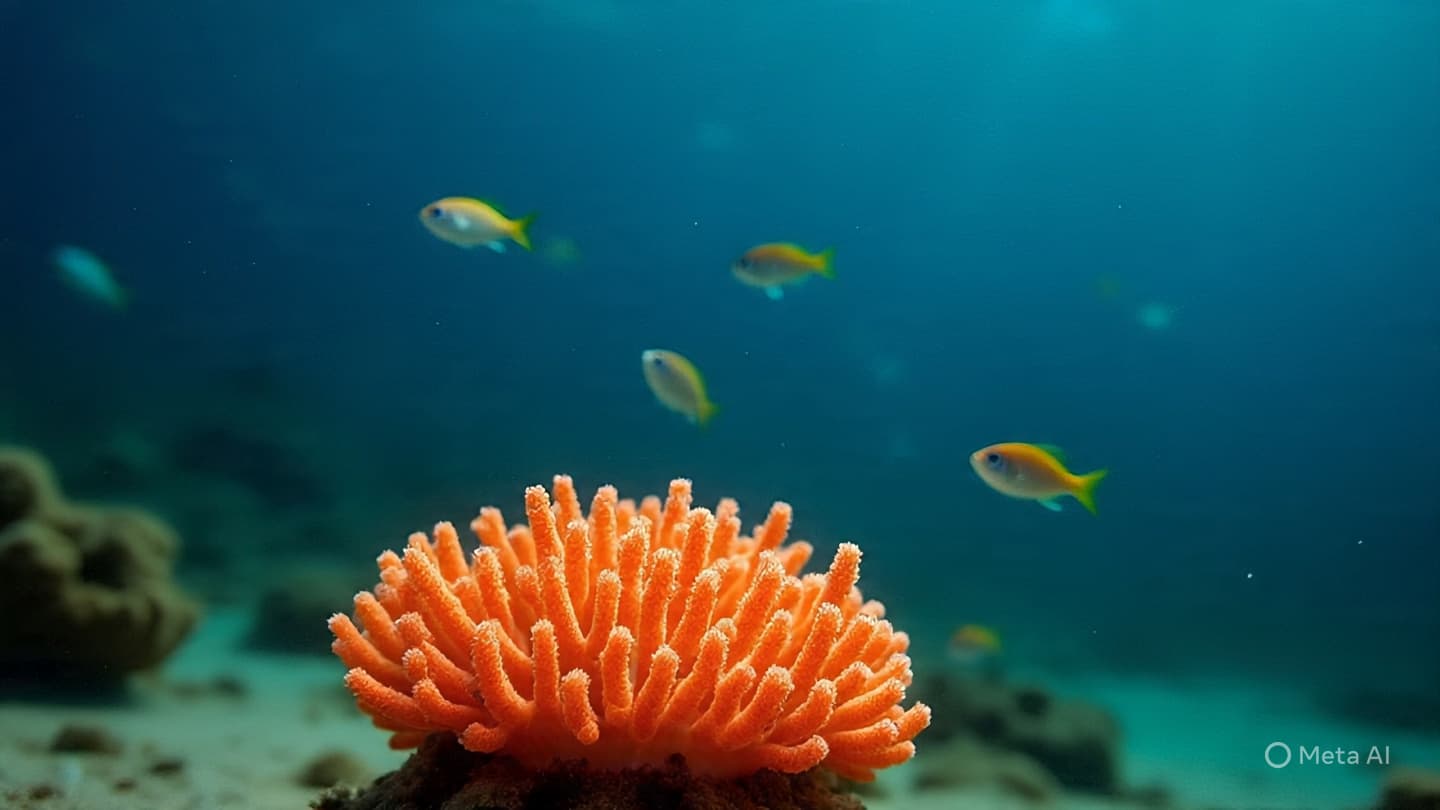
Monaco scientists reveal the secrets of coral resilience in April 2026, providing a vital shield for Mediterranean reefs in a warming world.

Monaco's yachting industry embraces green ammonia in April 2026, marking a historic transition toward zero-emission luxury on the high seas.
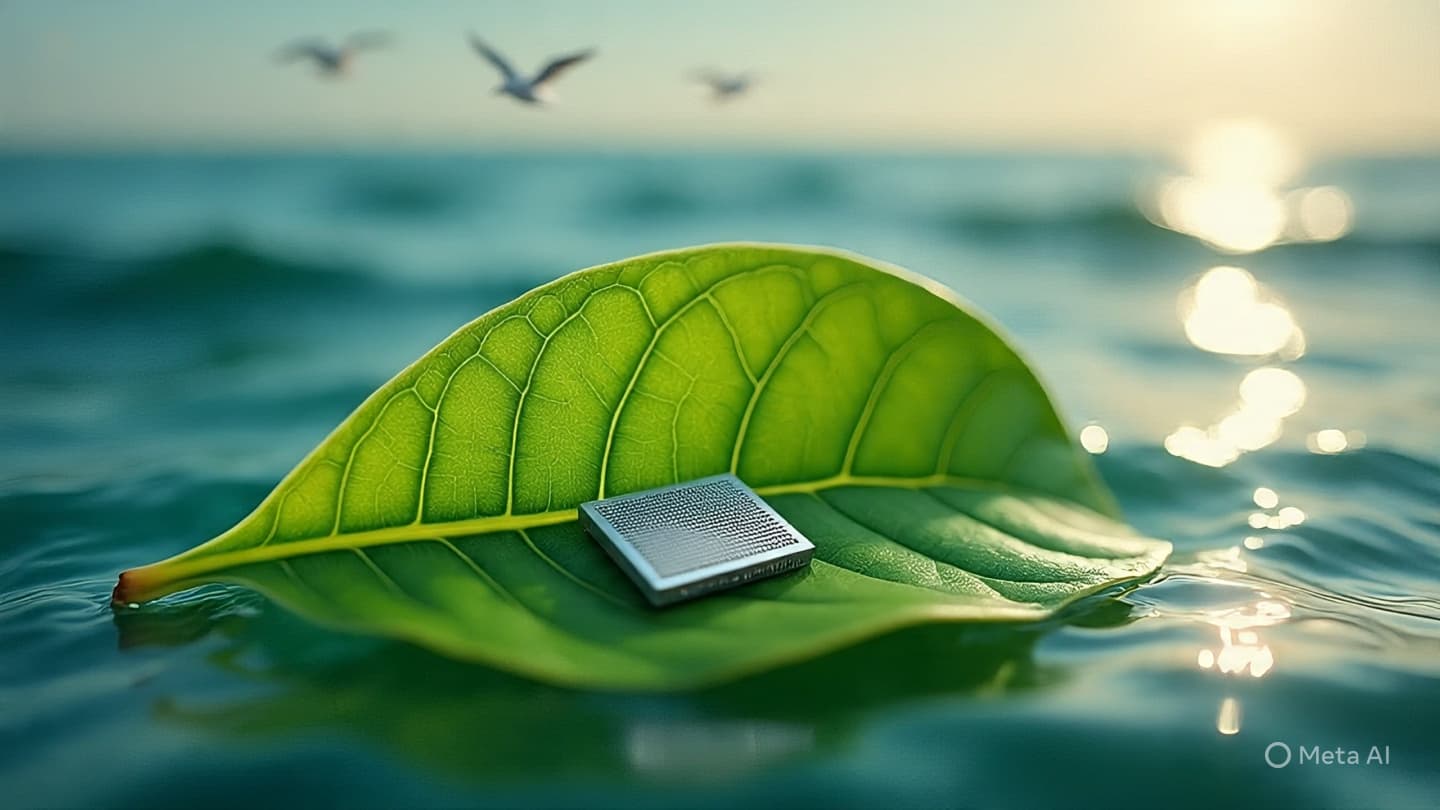
Monaco hosts a landmark sustainable tech summit in April 2026, positioning itself as a global laboratory for AI-driven ecological preservation and innovation.

Cardiff University researchers have developed a blood test capable of detecting Alzheimer's markers a decade before symptoms appear, offering a significant breakthrough for early intervention.
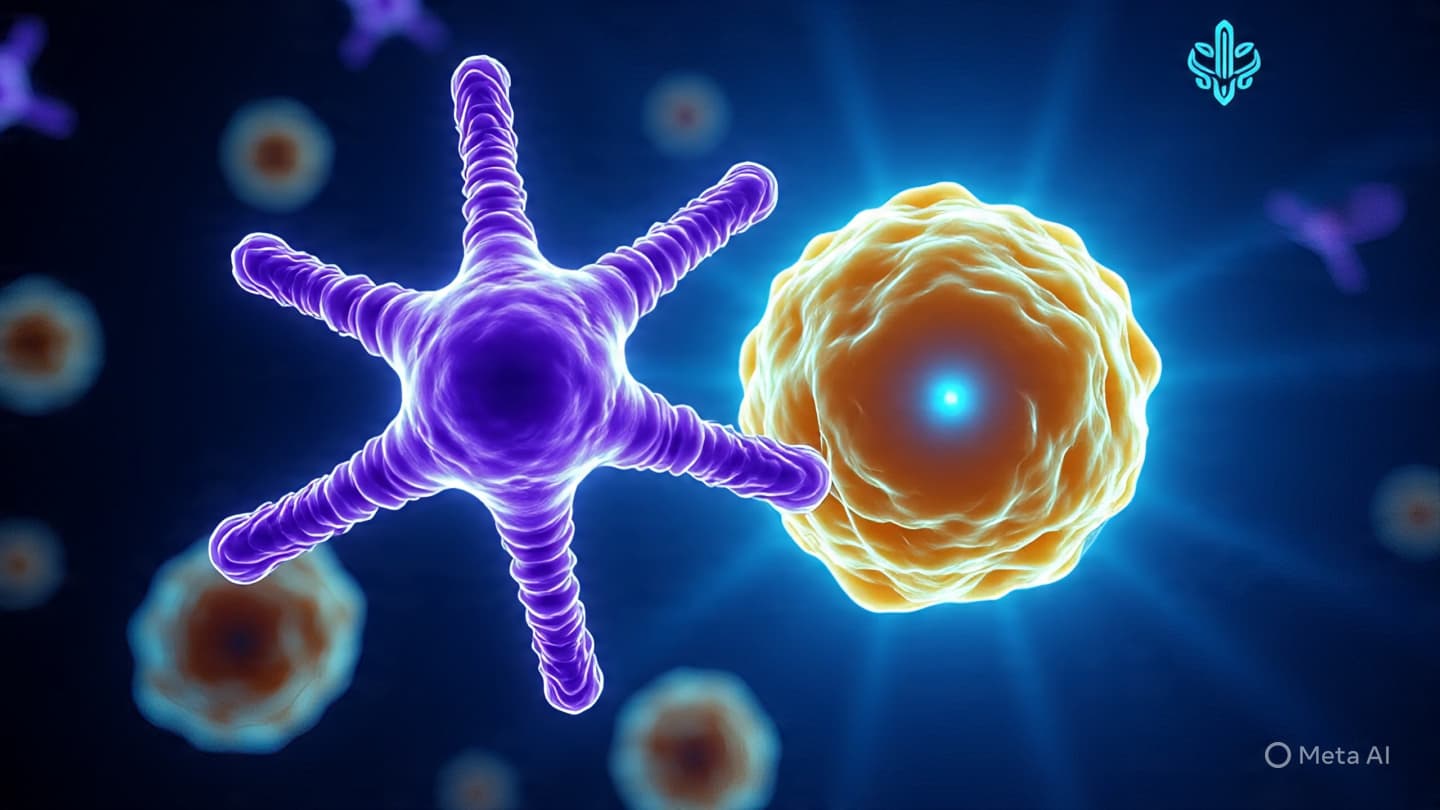
Heidelberg researchers receive top honors in April 2026 for revolutionary cancer immunotherapies, turning the immune system into a precision tool for healing.
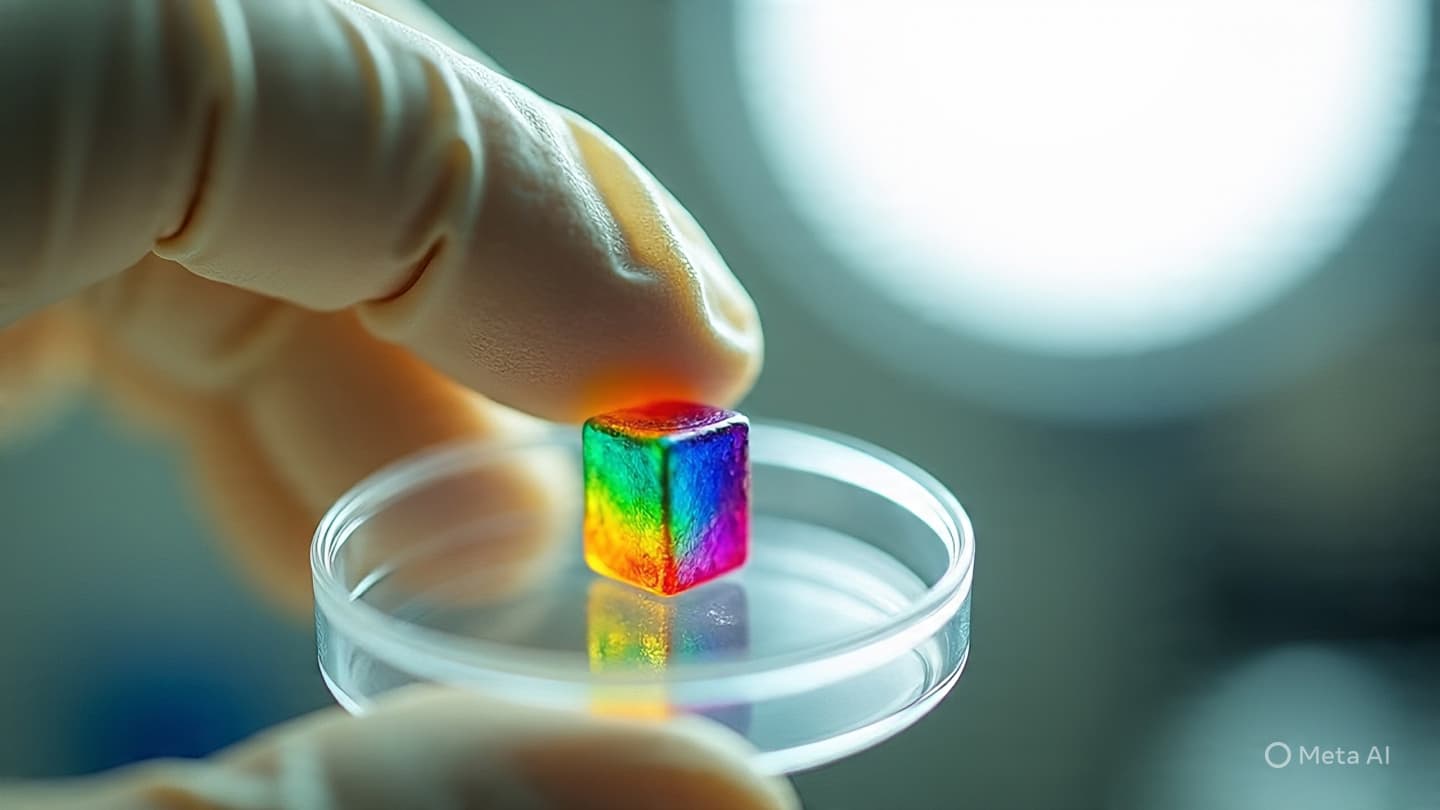
German researchers achieve a record 24% solar efficiency in April 2026, using tandem cell technology to rewrite the future of renewable energy.

Berlin cements its status as Europe's AI capital in April 2026, with billions in funding driving a new wave of human-centric automation.