Where Rumor Meets the Silence of Space: A Claim Without Trajectory
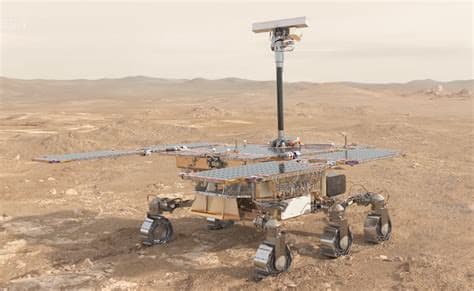
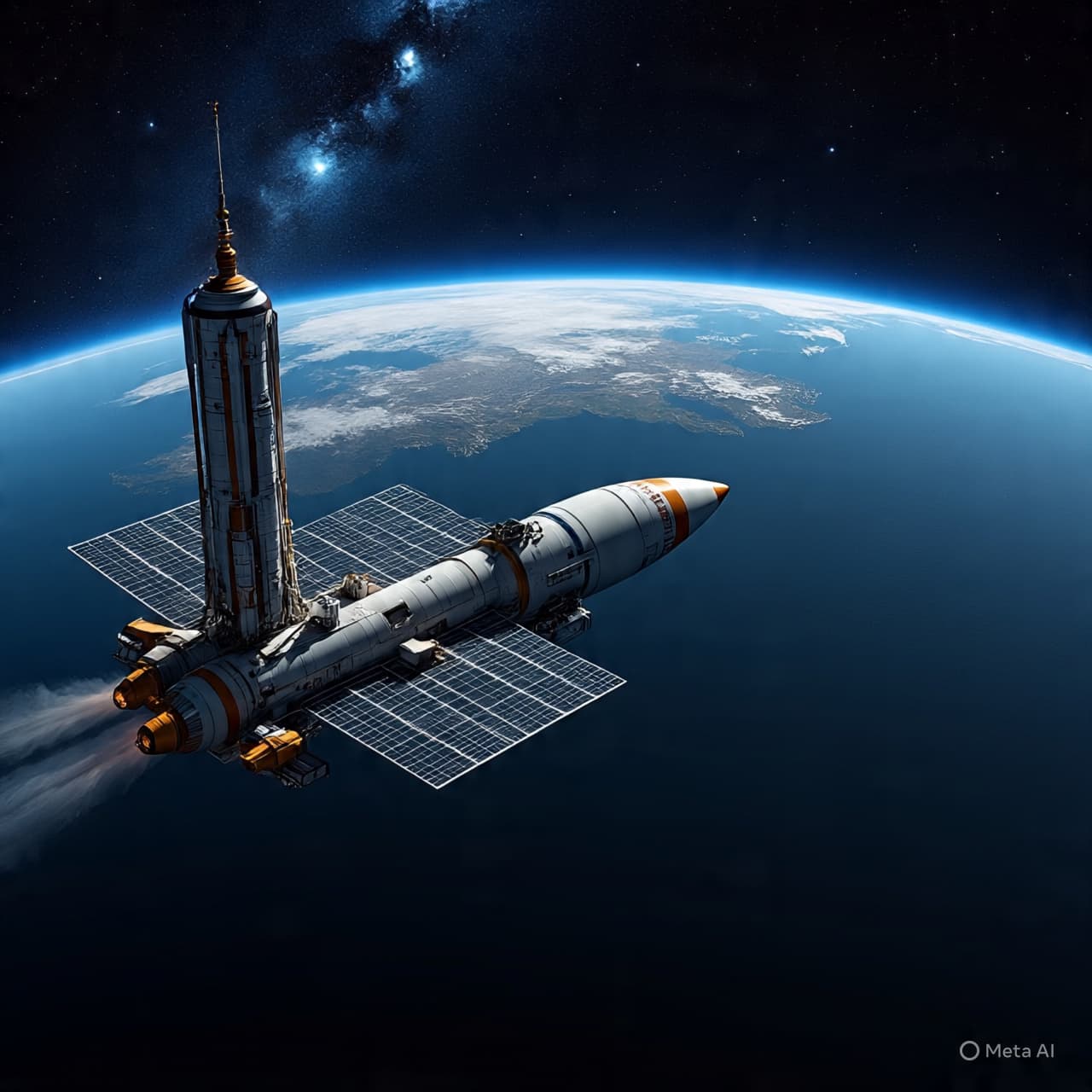
Claims that NASA will “nuke” Gateway and send it to Mars are unfounded; no credible sources support this idea.

Claims that NASA will “nuke” Gateway and send it to Mars are unfounded; no credible sources support this idea.

Some urban birds use cigarette butts in nests, which may reduce parasites, though potential toxic effects remain uncertain.

NASA has outlined coverage plans for Artemis II, the first crewed Artemis mission, which will send astronauts around the Moon aboard Orion.

Scientists found about 100 new exoplanets by reanalyzing NASA Kepler and TESS data, revealing hidden worlds in existing observations.

Silicon nanospheres boost WS₂ second-harmonic generation up to 40× while preserving polarization, advancing nanoscale photonic control.

Scientists have identified a new species of steamer duck in southern Chile, distinguished by unique physical and genetic traits.

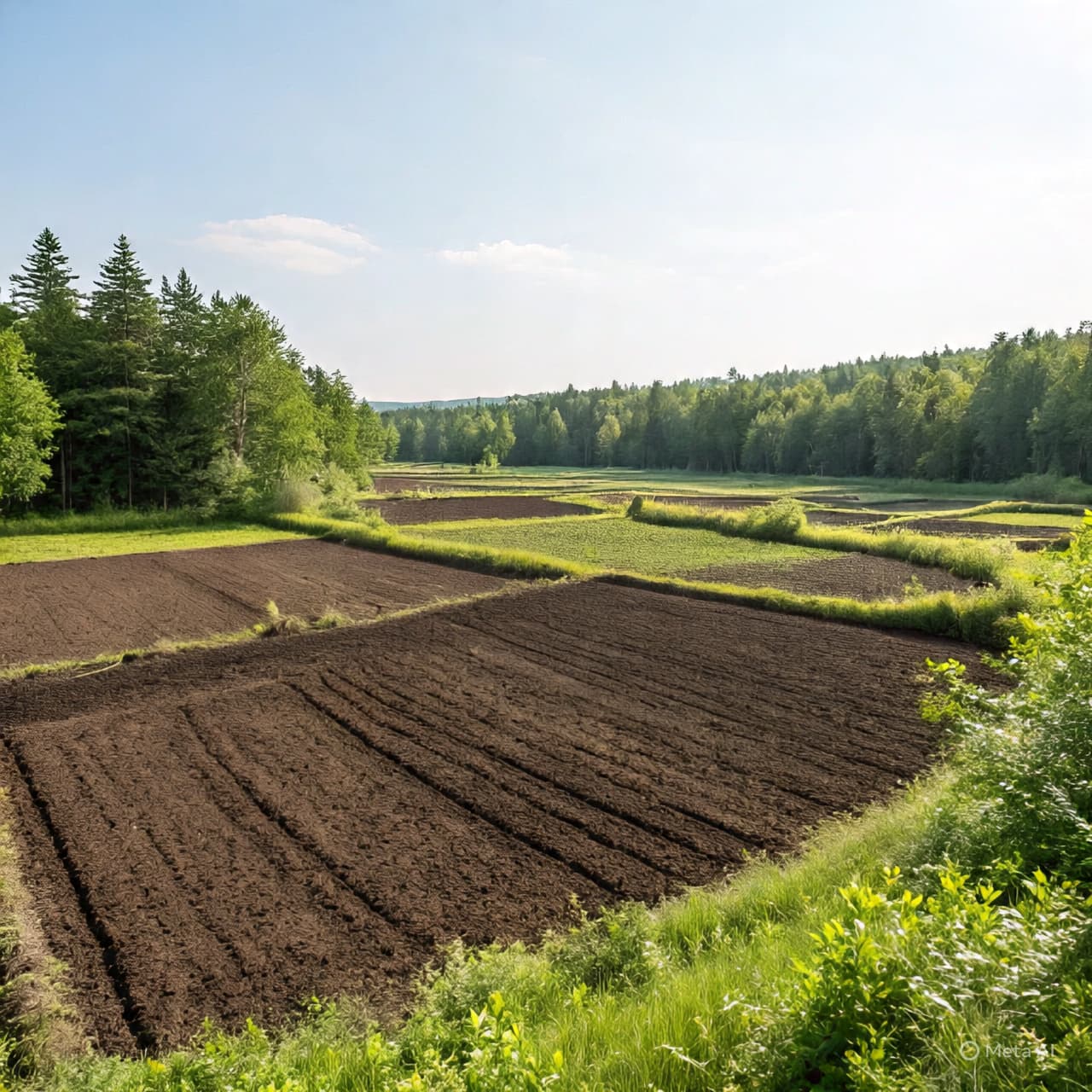
Self-organization in marsh soils creates diverse microhabitats, fostering biodiversity and enhancing the resilience of wetland ecosystems.

Dendrite growth in solid electrolytes is linked with electrochemical corrosion, affecting stability and performance in next-generation solid-state batteries.

Webb and Hubble combined observations of Saturn, offering a multi-wavelength view that reveals new details about its atmosphere and rings.

Scientists developed a chip-scale frequency comb using topological solitons, improving stability and enabling compact, high-precision photonic technologies.

Shell-cracking turtles survived the Cretaceous extinction, likely due to freshwater habitats and flexible diets, offering insight into resilience during mass extinction.

Astronomers directly observed two forming planets around a young Sun-like star, revealing early stages of planetary formation within a protoplanetary disk.

Astronomers detected a chirp signal from a supernova, offering new clues about internal dynamics and hidden physics during stellar explosions.

Cold sensitivity arises from changes in structural energetics, where lower temperatures alter molecular flexibility, stability, and function in biological and material systems.

Perseverance’s radar has revealed layered subsurface deposits in Jezero Crater, offering new evidence of Mars’ ancient and complex water history.

Scientists have developed RNA-guided CRISPR systems that activate gene expression without altering DNA, offering new possibilities for research and therapy.

Studies suggest California’s seismic activity varies seasonally, influenced by rainfall and groundwater changes, though major earthquakes remain unpredictable.

Canada has canceled its first lunar rover mission planned for the moon’s south pole, though scientists hope the work and expertise gained will benefit future space exploration.

New scientific reflection questions classic oxygen‑driven explanations for the extinction of prehistoric giant dragonflies, suggesting a more complex interplay of factors shaped their rise and fall.

SpaceX’s 10,000th satellite highlights improved global internet access while raising concerns about growing light pollution and its impact on the night sky.

NASA’s ROSES-25 D.4 astrophysics network program update remains pending, leaving researchers awaiting details on future theoretical and computational research opportunities.

Optical-fiber sensors are being used to monitor soil health in real time, offering new insights into moisture, temperature, and agricultural conditions.

Scientists have identified a pneumonia-linked enzyme whose dynamic structure is essential to its function, offering a potential new target for antibiotics.

A photographer captured a rare blood moon rising over the South China Sea, describing the moment as unforgettable after careful planning and timing.