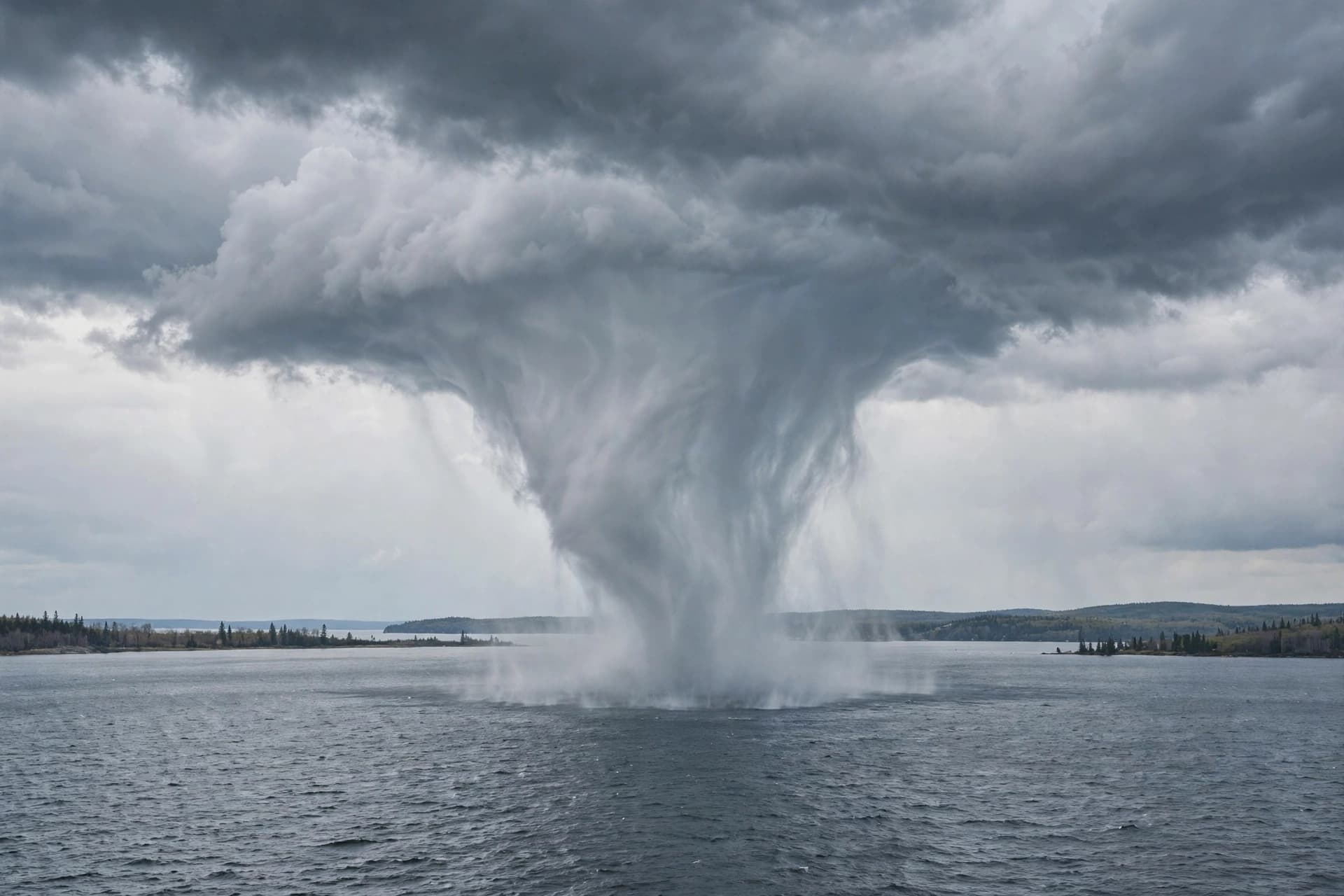
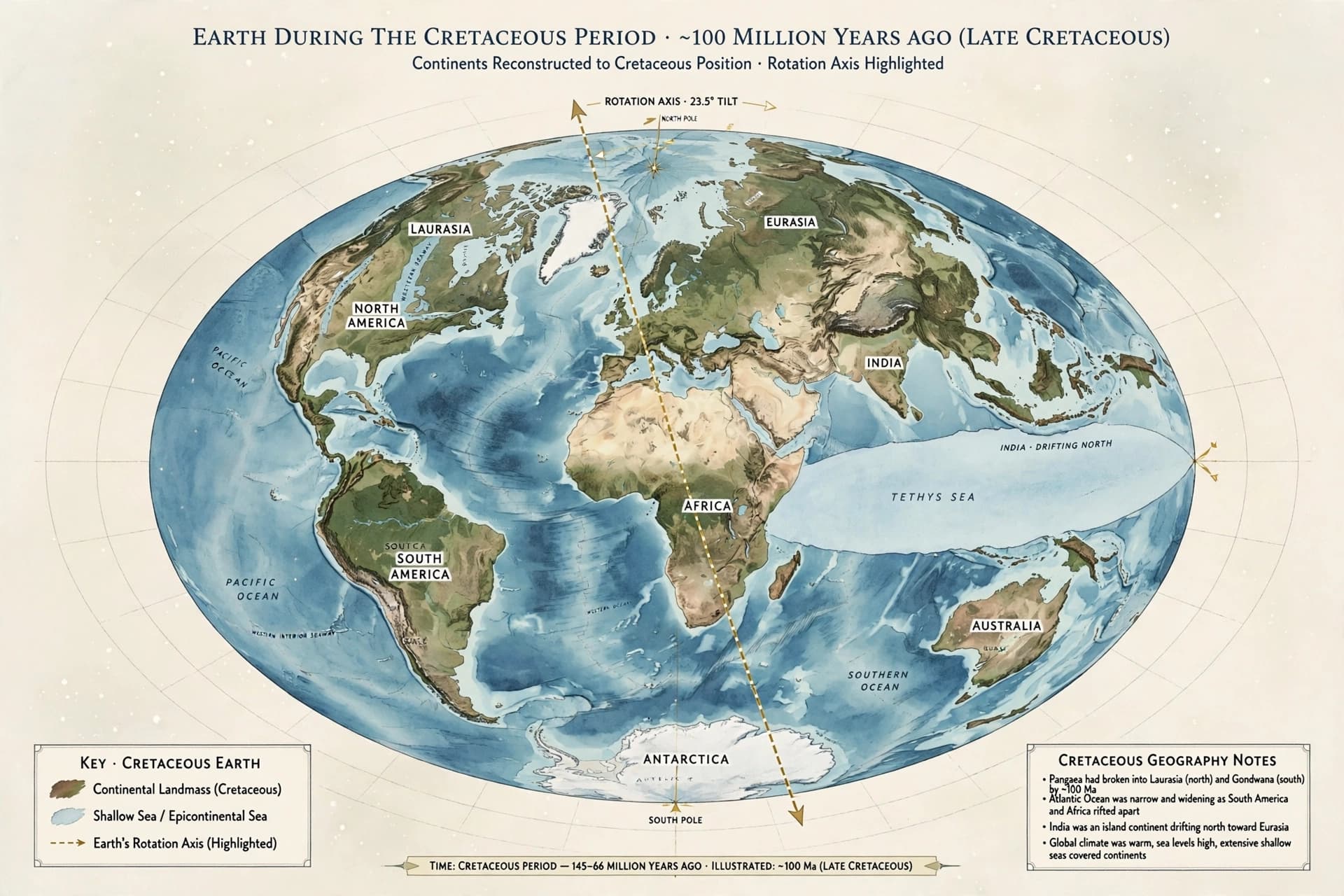
Antarctica often appears distant from everyday life, a continent of ice and silence resting at the edge of the world. Yet the frozen waters surrounding it remain deeply connected to the global climate system, influencing ocean circulation, weather patterns, and sea levels far beyond the polar regions. Scientists now report that meltwater flowing from Antarctic ice shelves is changing nearby ocean conditions in ways that may accelerate additional melting.
Researchers studying the region found that freshwater released from melting ice shelves alters the structure of the surrounding ocean. Because freshwater is less dense than salty seawater, it tends to remain near the surface, affecting how heat moves through polar waters. These changes can influence ocean circulation and temperature distribution near vulnerable ice formations.
Scientists say the process may create a feedback loop in some areas. As ice shelves melt, they release more freshwater, which then changes ocean behavior in ways that can expose additional ice to warmer water below. Over time, this interaction may contribute to faster rates of ice loss in certain regions of Antarctica.
Ice shelves play an important role in stabilizing glaciers flowing from the Antarctic continent into the ocean. When shelves weaken or thin significantly, inland ice can move more rapidly toward the sea, potentially contributing to global sea-level rise. Researchers therefore view changes beneath and around these shelves as particularly significant.
The findings emerged through a combination of satellite observations, ocean measurements, and climate modeling. Advances in remote sensing technology now allow scientists to monitor subtle shifts in ice thickness, water temperature, and ocean salinity across remote polar environments with increasing precision.
Researchers caution that Antarctica remains an exceptionally complex system influenced by atmospheric conditions, ocean currents, and regional geography. While the new study improves understanding of ice-ocean interactions, scientists continue working to refine projections regarding future melting patterns and long-term climate impacts.
The research also underscores the importance of polar science in broader climate discussions. Processes occurring beneath Antarctic ice shelves may seem geographically remote, yet they influence coastlines and marine systems across the globe. Understanding these interactions has become increasingly important for long-term environmental planning.
As scientists continue observing Antarctica’s evolving conditions, the latest findings add to growing evidence that changes within the polar oceans can reinforce one another over time. In the quiet waters beneath floating ice shelves, researchers are witnessing processes that may shape the future behavior of one of Earth’s largest frozen regions.
AI Image Disclaimer: Some visuals related to this article were produced using AI-generated imagery for editorial illustration.
Sources Verified: Nature Climate Change, NASA, British Antarctic Survey, Reuters, NOAA
Published by Banx Network. This article is part of the Banx decentralized media programme, powered by the BXE token on the XRP Ledger.