SCIENCE97% credibility
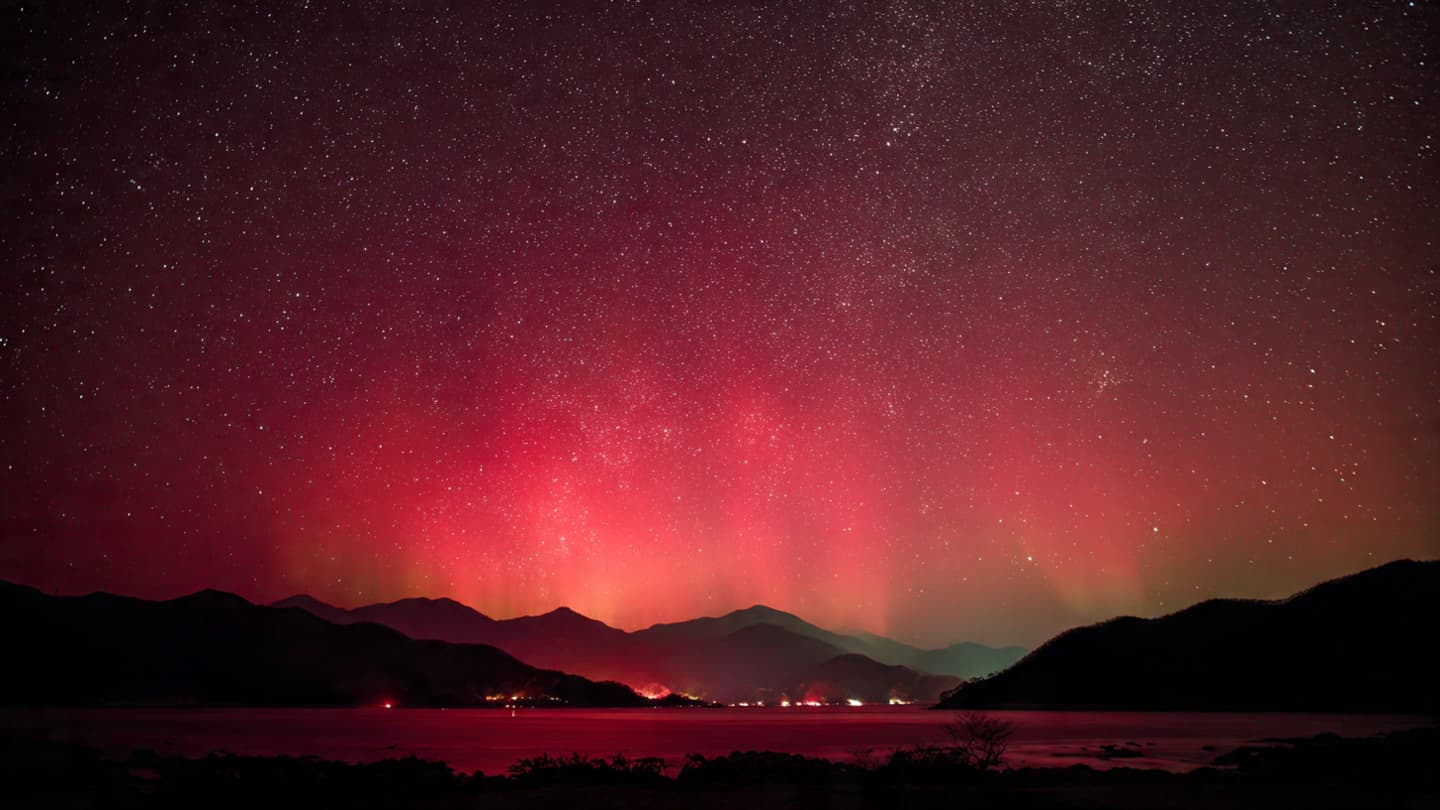
A Crimson Glow Above Japan Reveals Another Secret of the Sky
Scientists study a rare high-altitude red aurora over Japan linked to increased solar activity and geomagnetic storms.
2 min read

Scientists study a rare high-altitude red aurora over Japan linked to increased solar activity and geomagnetic storms.
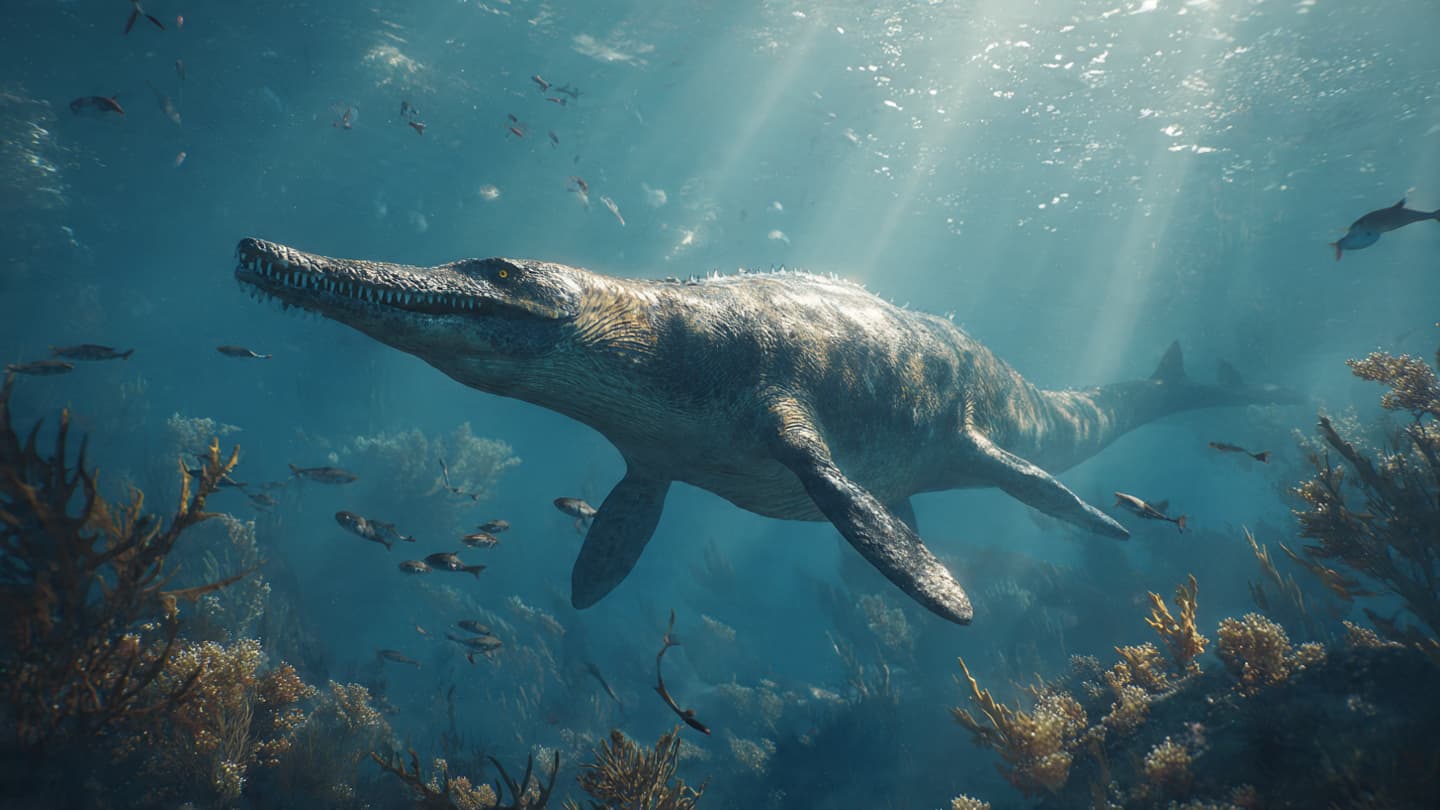
Scientists identified a giant new mosasaur species nicknamed the “T. rex of the seas,” revealing more about prehistoric oceans.

China launched astronauts for a year-long space mission as part of its expanding ambitions in orbital and lunar exploration.
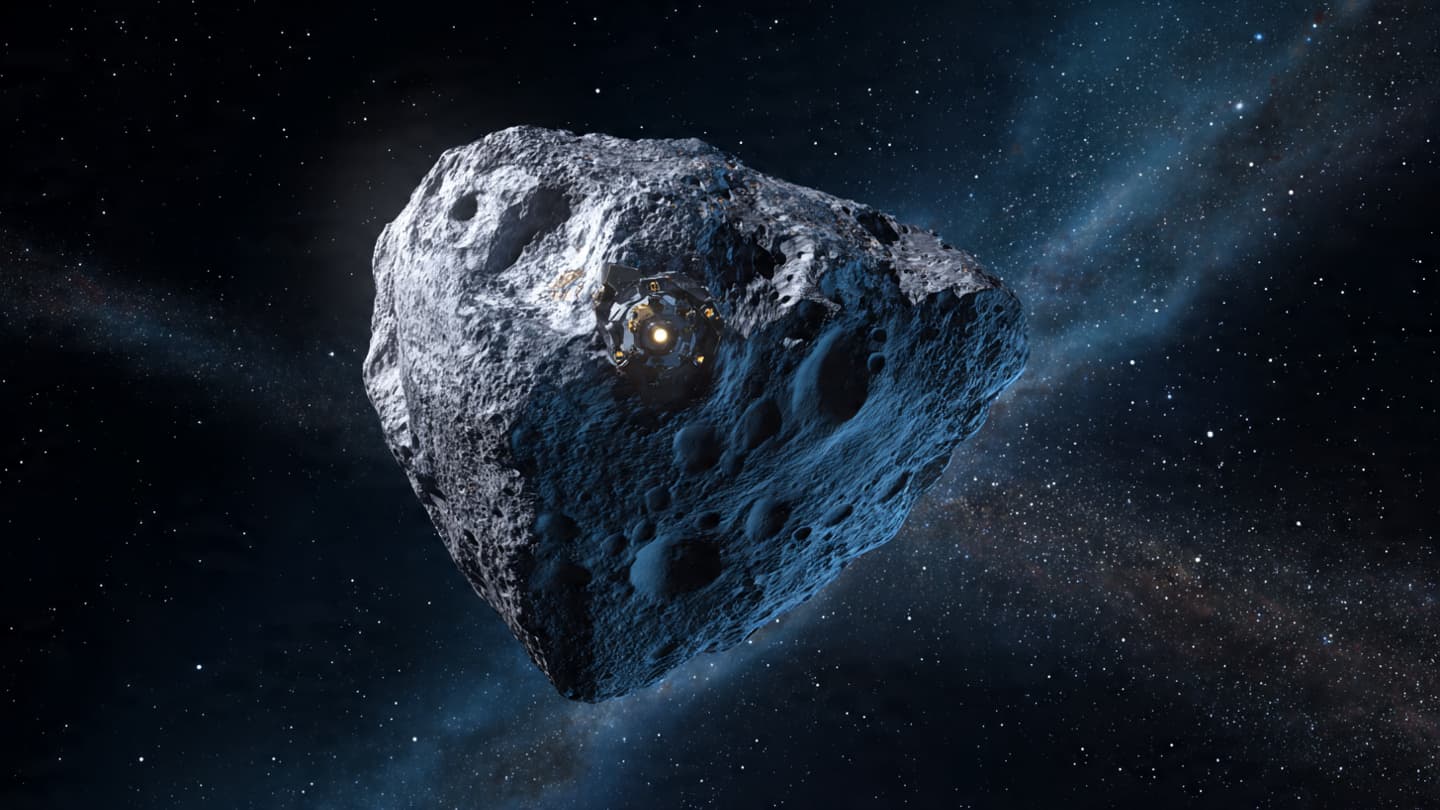
NASA’s Psyche mission advances toward a rare metal-rich asteroid believed to reveal secrets about planetary formation.

Scientists warn the Arctic may have crossed a critical climate tipping point as warming accelerates environmental changes.
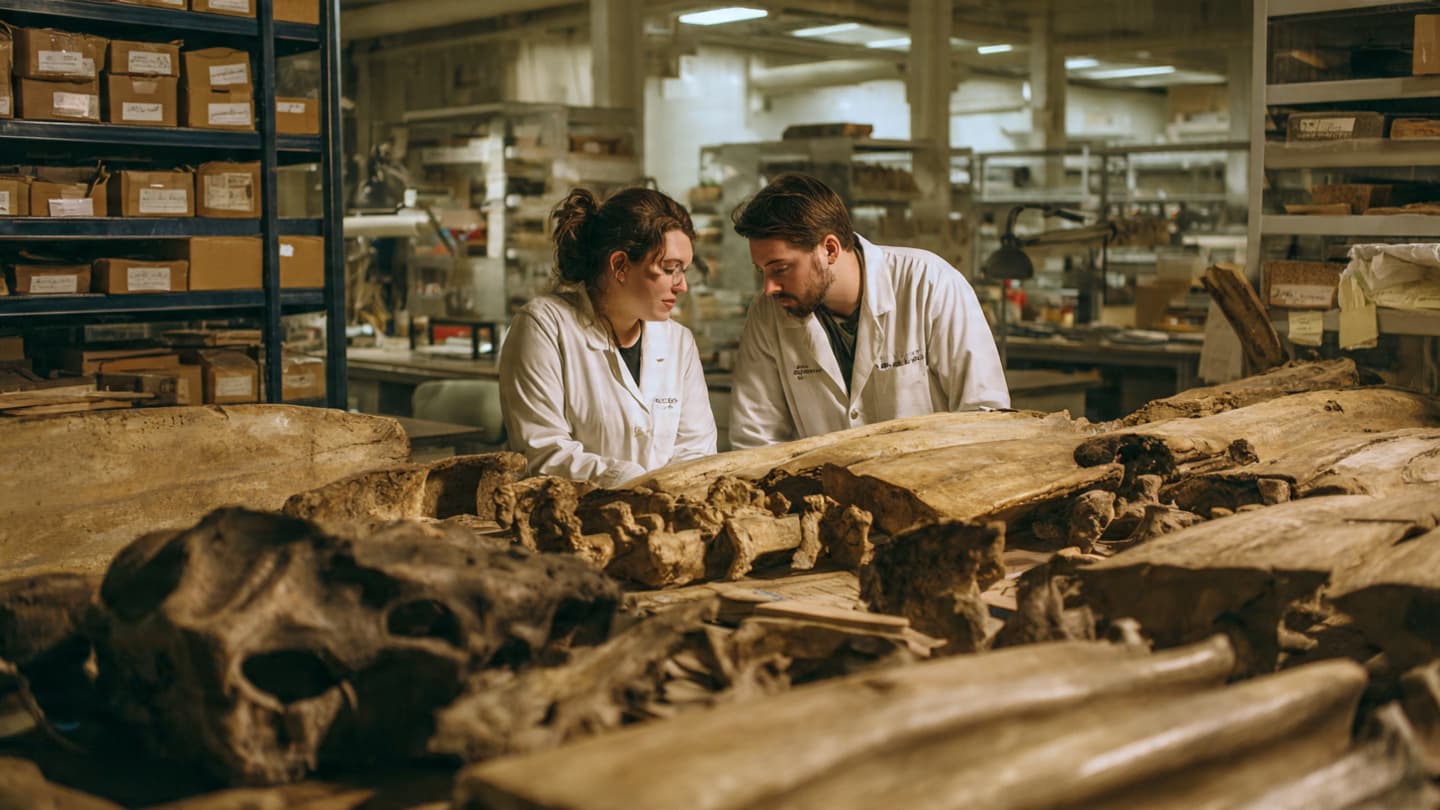
Bones long believed to belong to woolly mammoths were reidentified as whale remains after modern DNA and radiocarbon analysis.
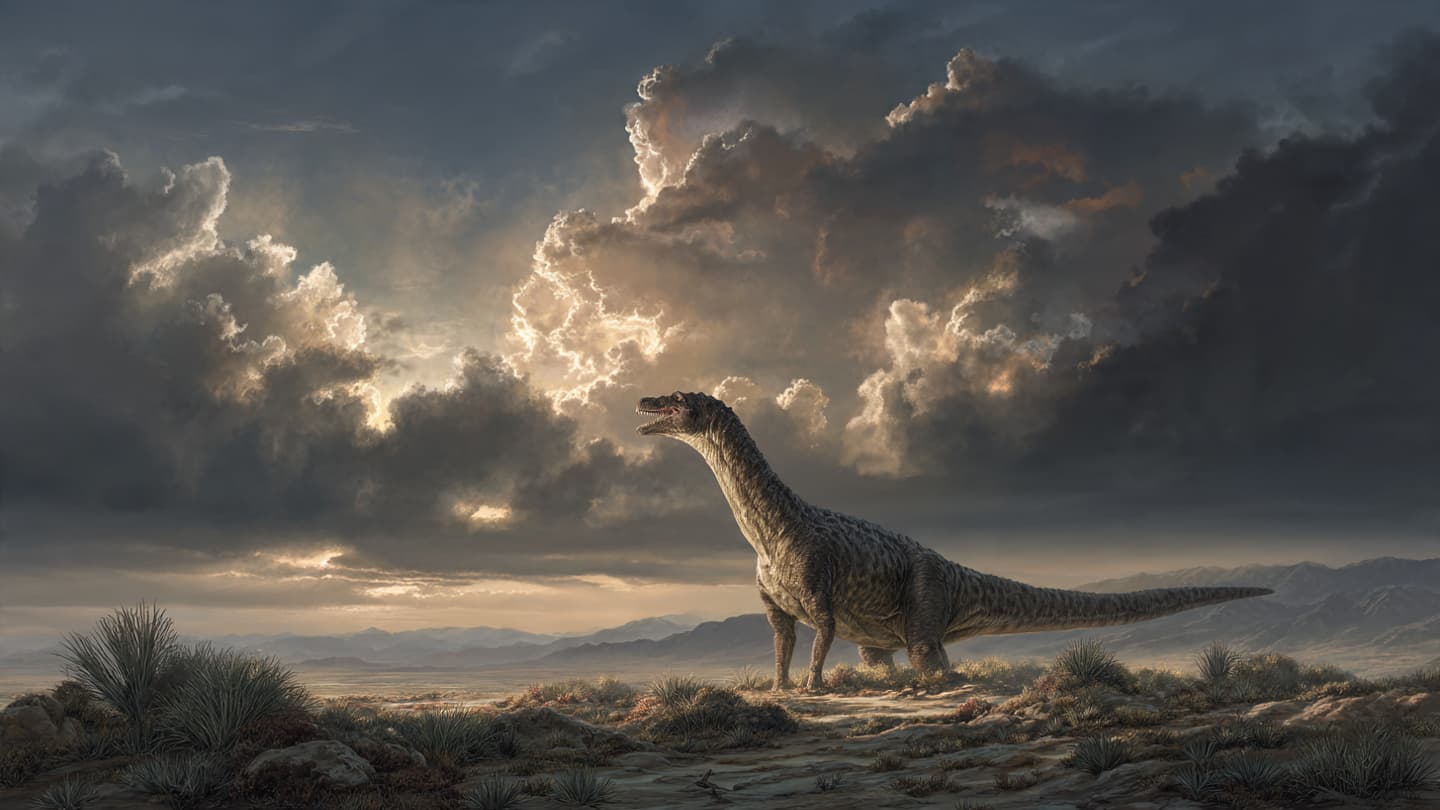
Scientists identified a strange beaked reptile from New Mexico as a distant crocodile relative that walked upright during the Late Triassic period.

Russian cosmonauts completed a six-hour ISS spacewalk to install a solar telescope designed to improve understanding of solar flares and magnetic storms.

Researchers say AI still struggles to accurately predict major scientific breakthroughs despite rapid advances in machine learning.

Researchers identified a protein that may contribute to Parkinson’s disease progression, offering new insight into brain degeneration.
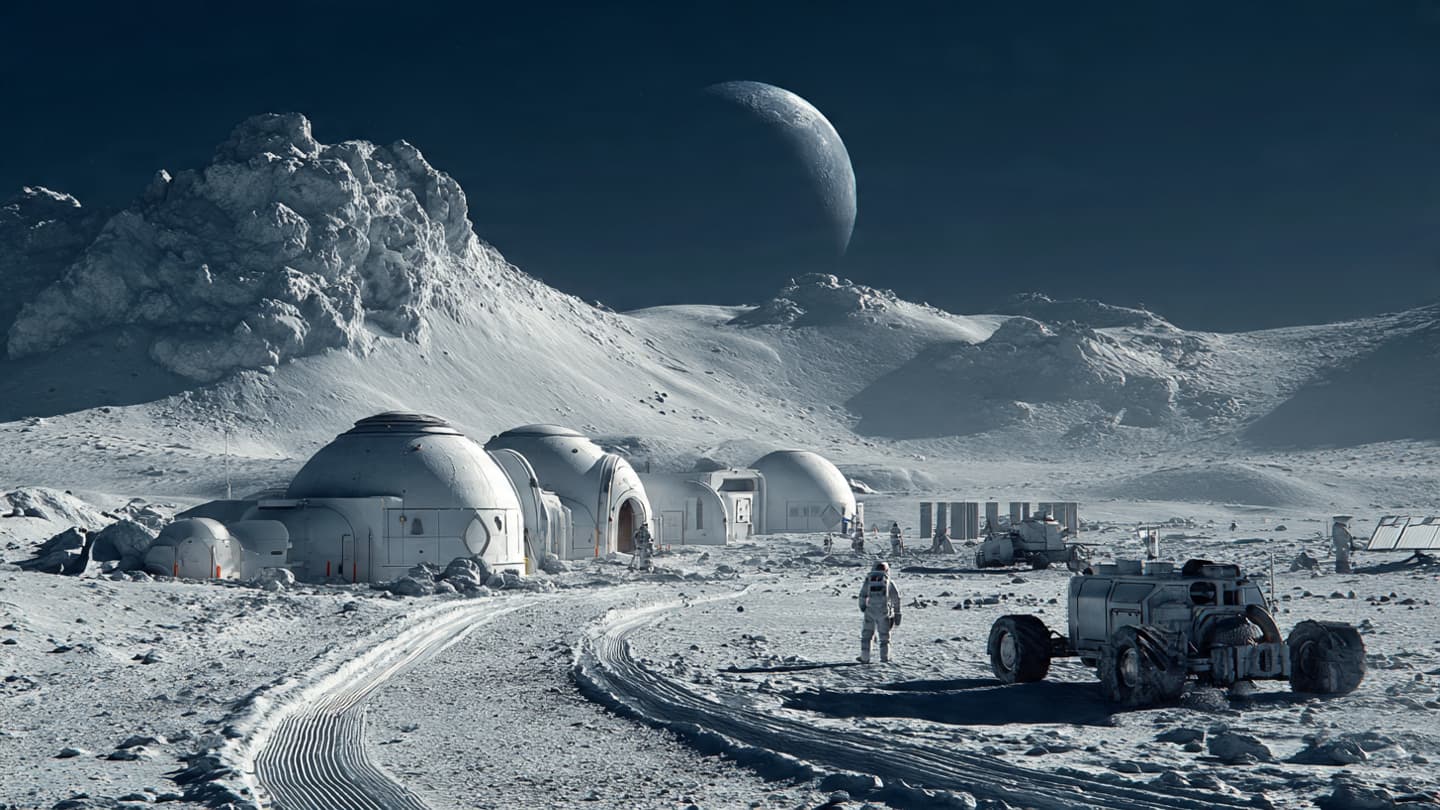
NASA unveiled updated Moon Base plans and described a new era of lunar exploration involving robotic missions and long-term human presence.
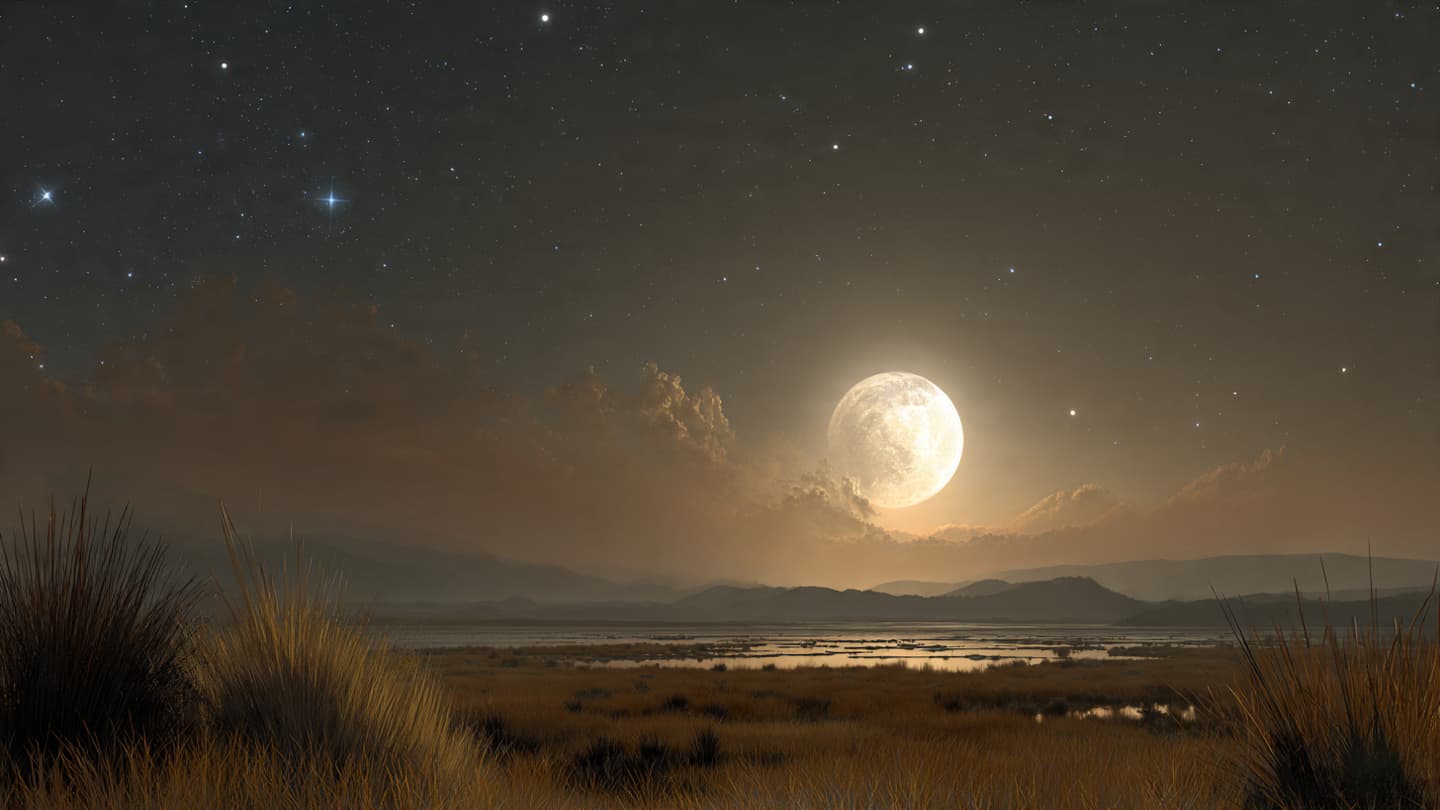
A rare blue micromoon will appear this weekend, combining two lunar events before the phenomenon returns again in late 2028.
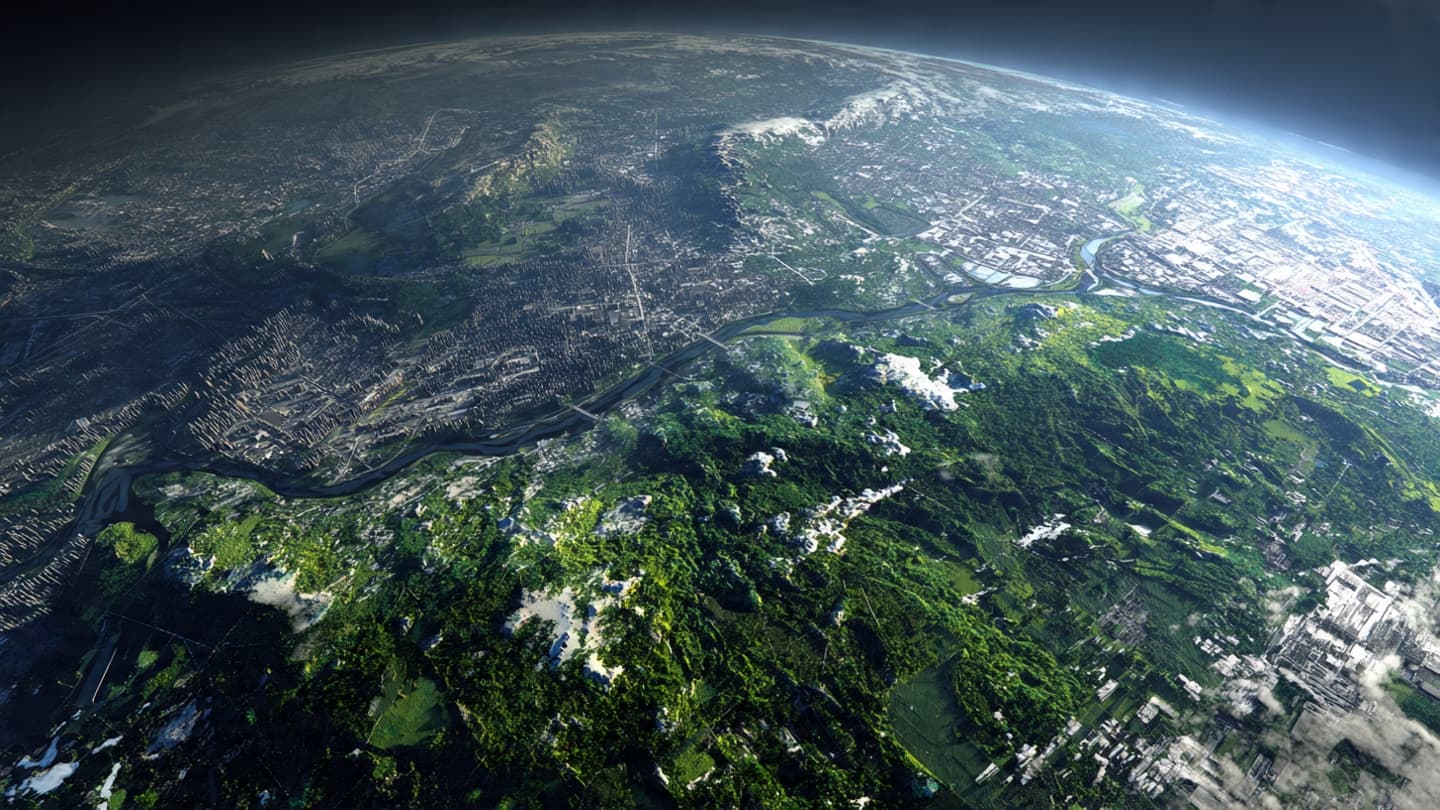
Studies suggest humanity may be exceeding Earth’s ecological carrying capacity, driven by resource consumption, biodiversity loss, and environmental degradation.

UNESCO and scientists highlight tsunami risk in the Mediterranean due to tectonic activity, emphasizing preparedness and improved early warning systems.

New studies suggest sea level rise is accelerating faster than earlier models predicted, driven by ice melt, ocean warming, and improved satellite measurements.
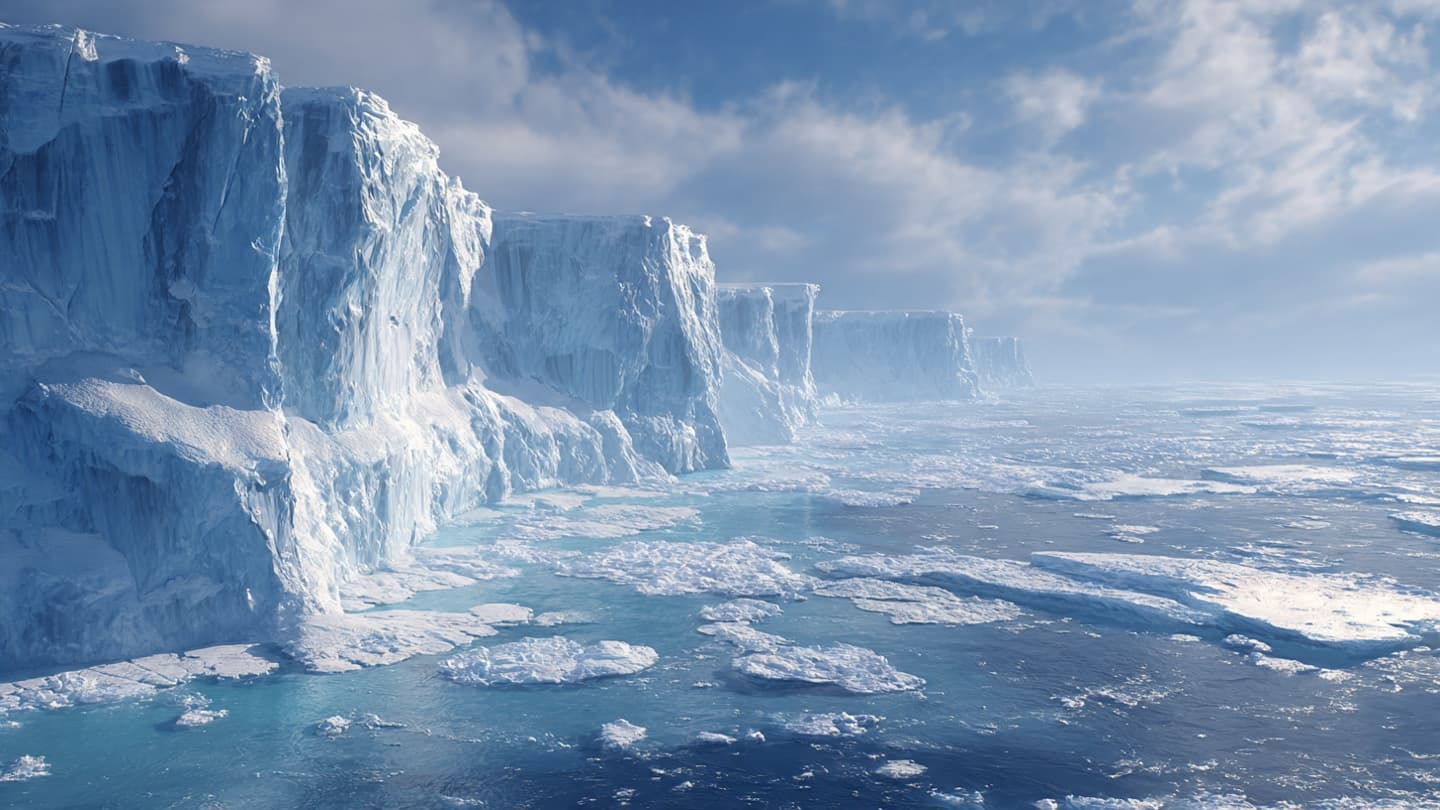
Thwaites Glacier in Antarctica shows increasing ice shelf instability, raising concerns about long-term sea-level rise and slow but significant polar change.
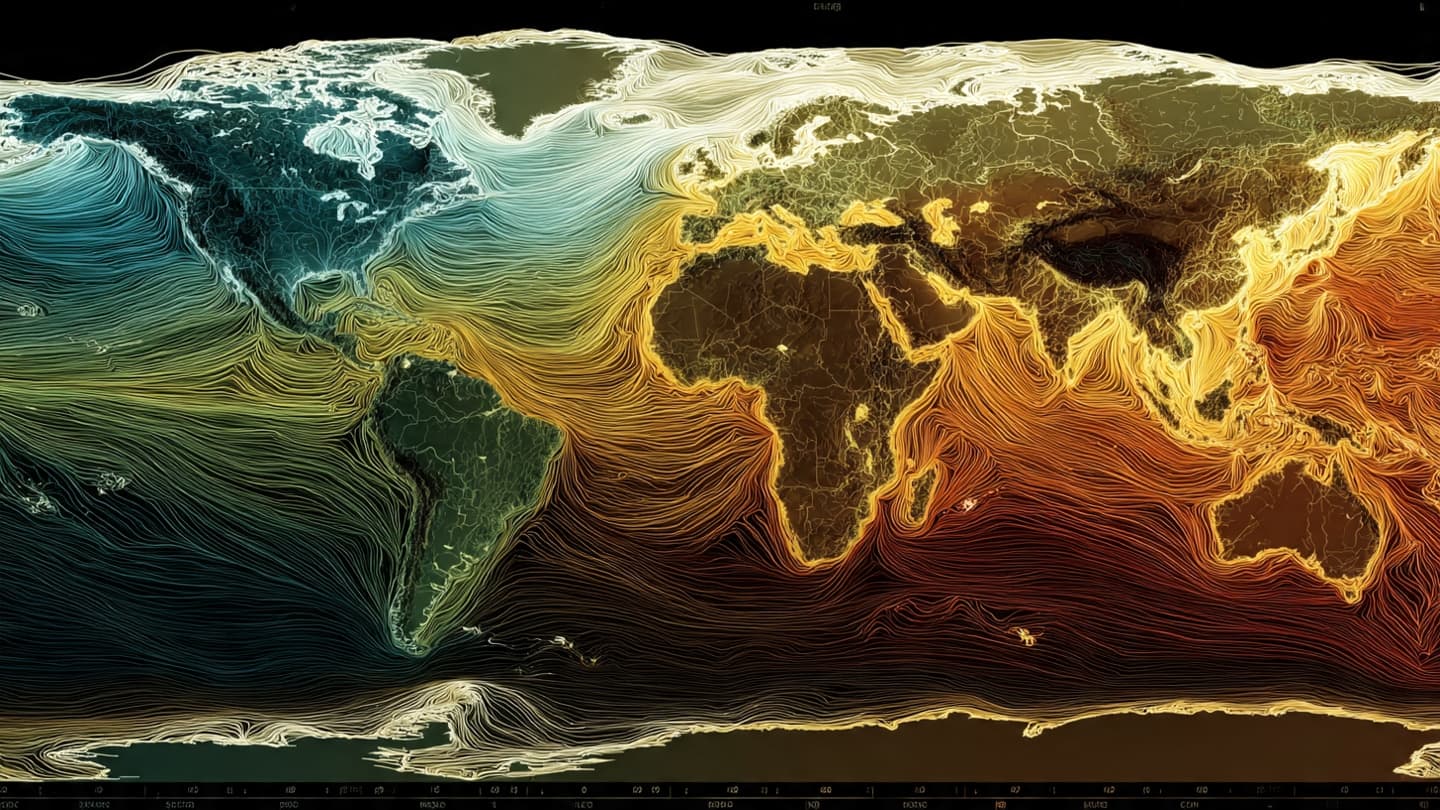
Climate models predict 2026–2030 will remain among the warmest periods on record, driven by greenhouse gases, ocean heat, and long-term atmospheric trends.

Global climate assessments indicate a high likelihood of record-breaking heat before 2030, driven by long-term warming trends and persistent greenhouse gas accumulation.

Researchers have identified the biological pathways that allow genome-doubled (polyploid) cells to evade apoptosis, providing new insight into tissue resilience and the origins of disease.
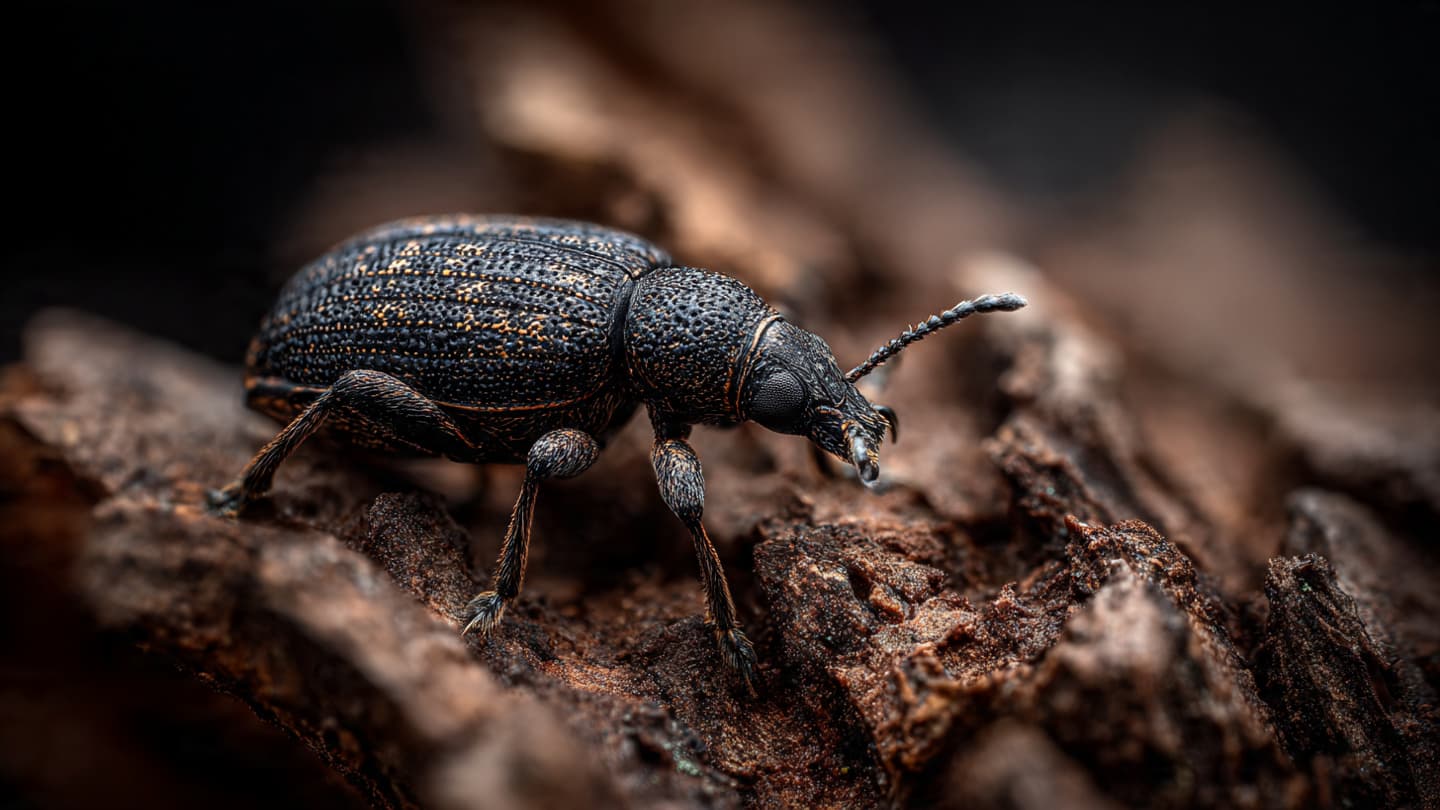
Researchers are investigating how bark and ambrosia beetles act as "tiny taxis" for fungi, identifying potential biosecurity risks to New Zealand’s native forests, orchards, and plantations.

This weekend, a rare "blue micromoon"—the smallest full moon of the year—will rise, temporarily eclipsing the star Antares for viewers across the South Pacific and Southern Hemisphere.

The 2026 Beef + Lamb New Zealand Awards celebrated excellence in the red meat sector, highlighting innovations in technology, environmental footprinting, and leadership development across New Zealand.
After sixty-five years, the Australian bee Leioproctus launcestonensis has been confirmed in Christchurch, rediscovered through citizen science and verified by DNA testing in local labs.

GenomNZ’s 2026 Science New Zealand Supreme Award win marks a pivotal integration of genomic technology into livestock farming, driving productivity and economic growth through precise breeding tools.