Far beyond Earth’s atmosphere, where silence stretches across millions of miles, human curiosity continues its slow and determined journey outward. NASA’s Psyche mission, aimed at studying one of the solar system’s most unusual asteroids, has now advanced into another important stage after successfully using Mars for a gravity-assisted maneuver on its path through deep space.
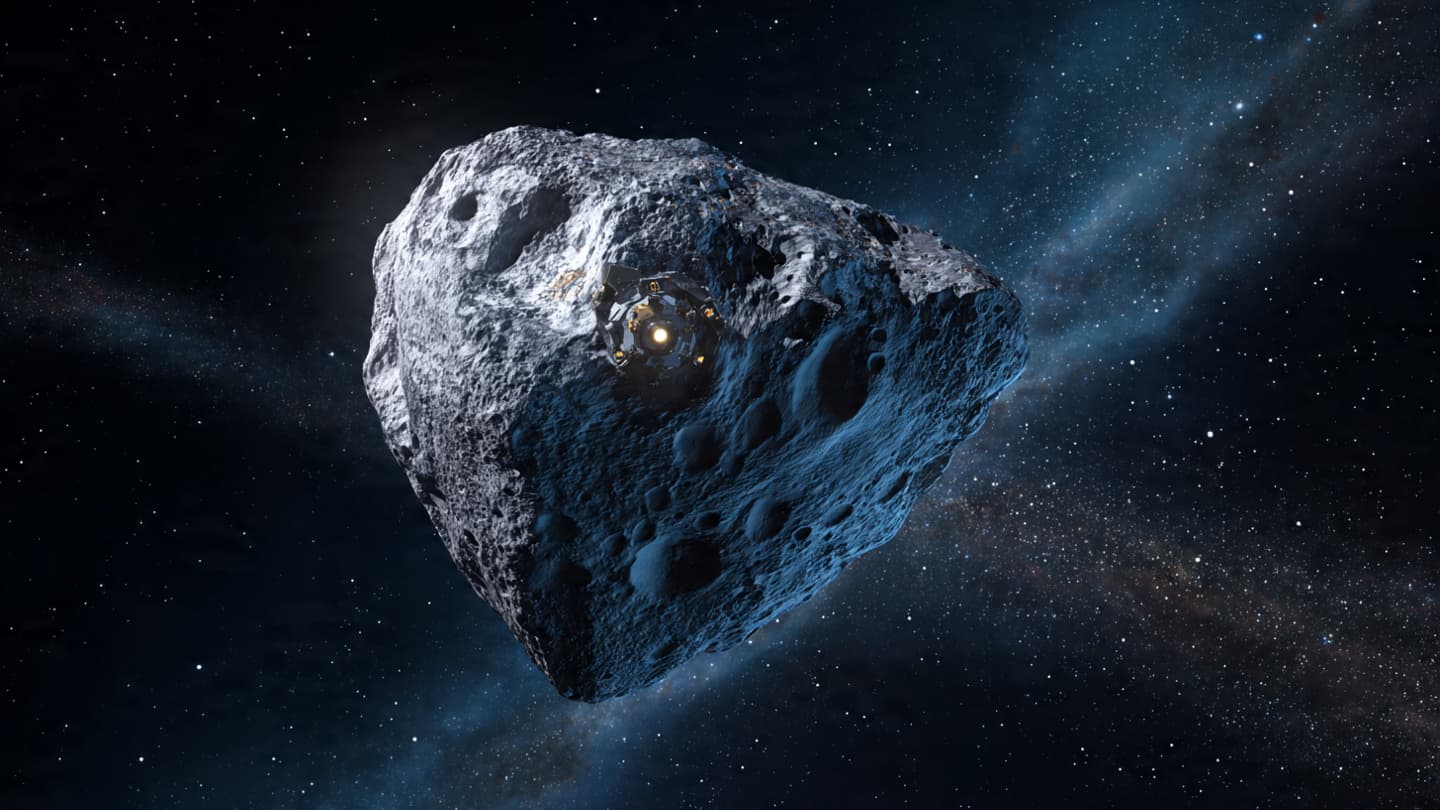
The spacecraft’s destination is Psyche, a rare metal-rich asteroid located between Mars and Jupiter. Unlike most asteroids composed primarily of rock or ice, Psyche appears to contain large amounts of iron and nickel, leading scientists to believe it may represent the exposed core of an ancient planetary body formed billions of years ago.
Researchers hope the mission will provide valuable insight into how planets, including Earth, developed during the early history of the solar system. Because Earth’s core lies far beneath the planet’s surface, studying Psyche could offer scientists a rare opportunity to observe material similar to what exists deep inside terrestrial planets.
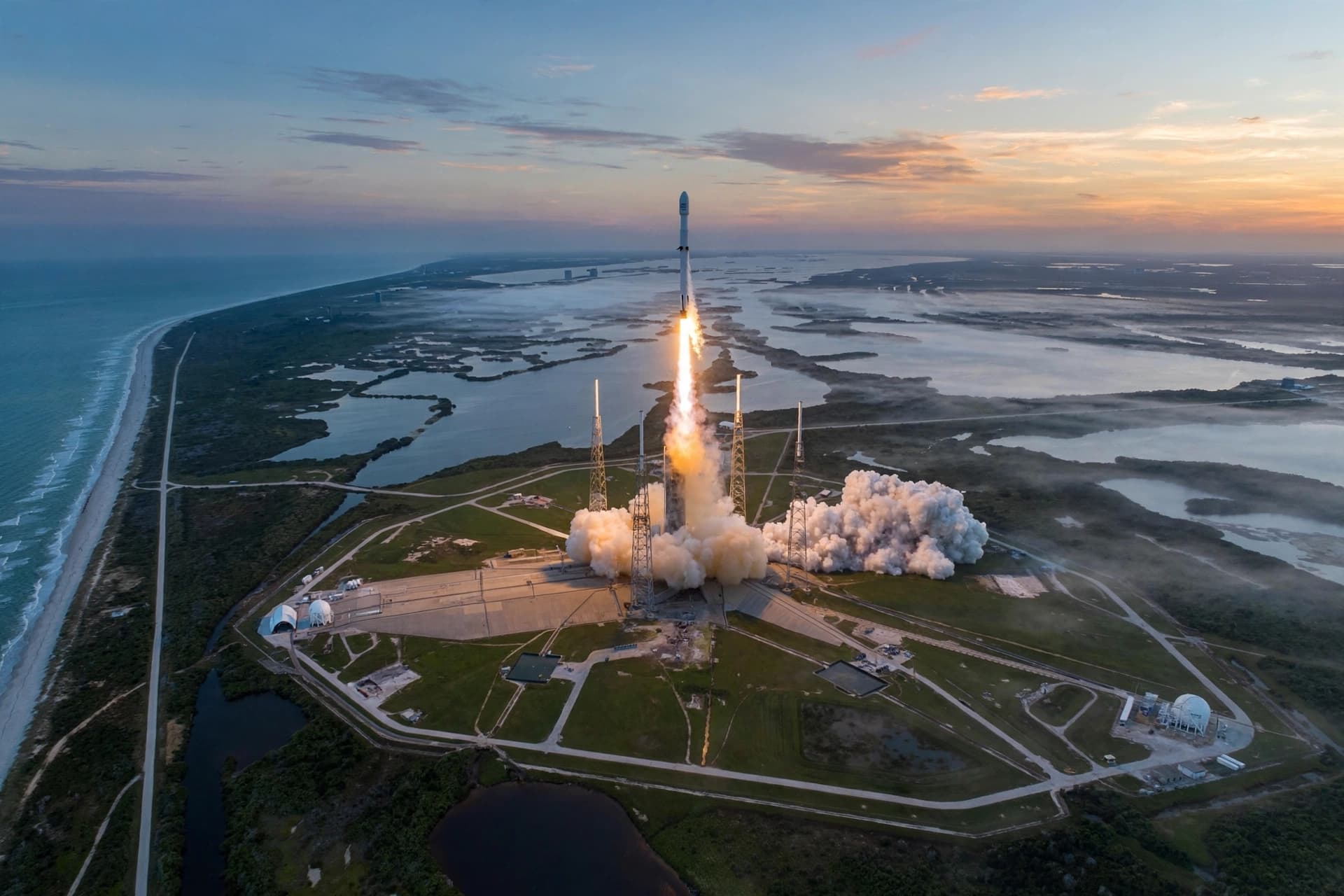
NASA launched the Psyche spacecraft as part of a broader effort to expand scientific exploration beyond the Moon and Mars. While human missions often capture public attention, robotic spacecraft remain central to modern space research because they can travel vast distances and operate in environments inaccessible to astronauts.
The recent flyby of Mars allowed the spacecraft to gain additional momentum through gravitational assistance, a technique commonly used in deep-space navigation. By carefully using a planet’s gravity, engineers can redirect and accelerate spacecraft while conserving fuel for longer missions.
Scientists involved in the project describe the mission as both technically ambitious and scientifically unique. Psyche itself may hold clues about violent collisions that shaped the early solar system, when young planetary bodies frequently crashed together during formation processes billions of years ago.
The mission also reflects growing international interest in asteroid research. Beyond scientific value, asteroids are increasingly studied for potential resource extraction, planetary defense strategies, and long-term space exploration planning. Governments and private companies alike continue investing in technologies related to deep-space operations.
Public fascination with space exploration remains remarkably enduring despite economic and political challenges on Earth. Missions like Psyche remind many people that scientific discovery still possesses the power to unite curiosity across borders and generations.
As the spacecraft continues its long journey through the darkness beyond Mars, it carries more than scientific instruments alone. It carries humanity’s persistent desire to understand origins, explore uncertainty, and reach toward places once visible only as distant points of light in the night sky.
AI Image Disclaimer: Some space-themed visuals in this article were generated using AI-assisted astronomical illustration technology.
Sources Verification Check: Credible sources confirmed:
NASA Reuters ScienceDaily Space.com Associated Press
Published by Banx Network. This article is part of the Banx decentralized media programme, powered by the BXE token on the XRP Ledger.