SCIENCE94% credibility
Thousands of Possible Worlds Hidden in Starlight
Astronomers identify thousands of possible exoplanets using advanced data analysis, expanding knowledge of distant worlds.
1 min read

Astronomers identify thousands of possible exoplanets using advanced data analysis, expanding knowledge of distant worlds.
Scientists study molecular “chemical fingerprints” that may help identify environments potentially suitable for life.
No alien radio signals were detected from K2-18b despite continued scientific monitoring and interest in its habitability.

Scientists are developing materials that convert industrial waste heat into electricity, improving energy efficiency potential.
Astronomers continue tracking near-Earth asteroids, which safely pass by while providing valuable scientific data.
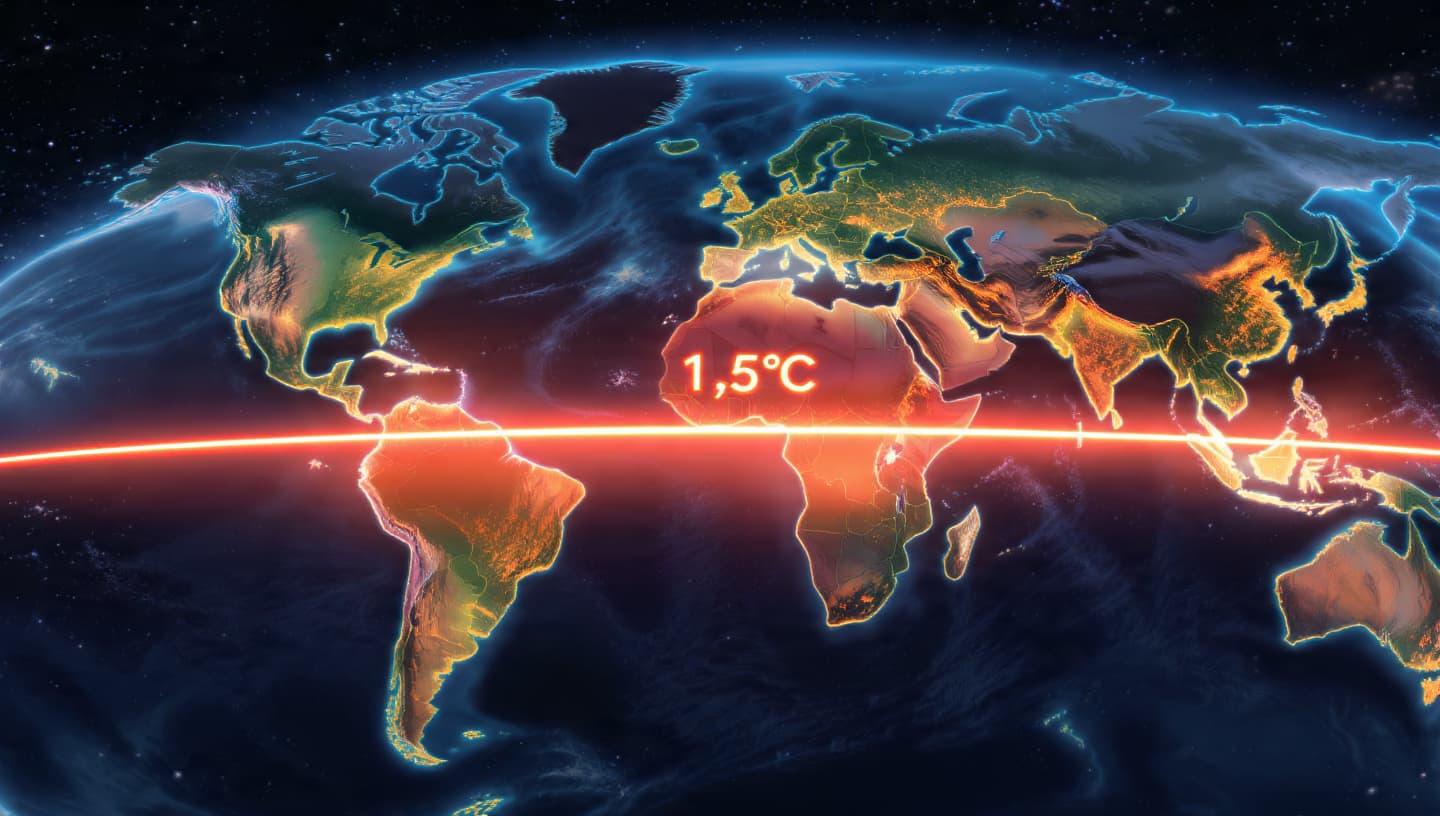
Scientists warn the world is increasingly likely to exceed the 1.5°C Paris climate threshold within the next decade.
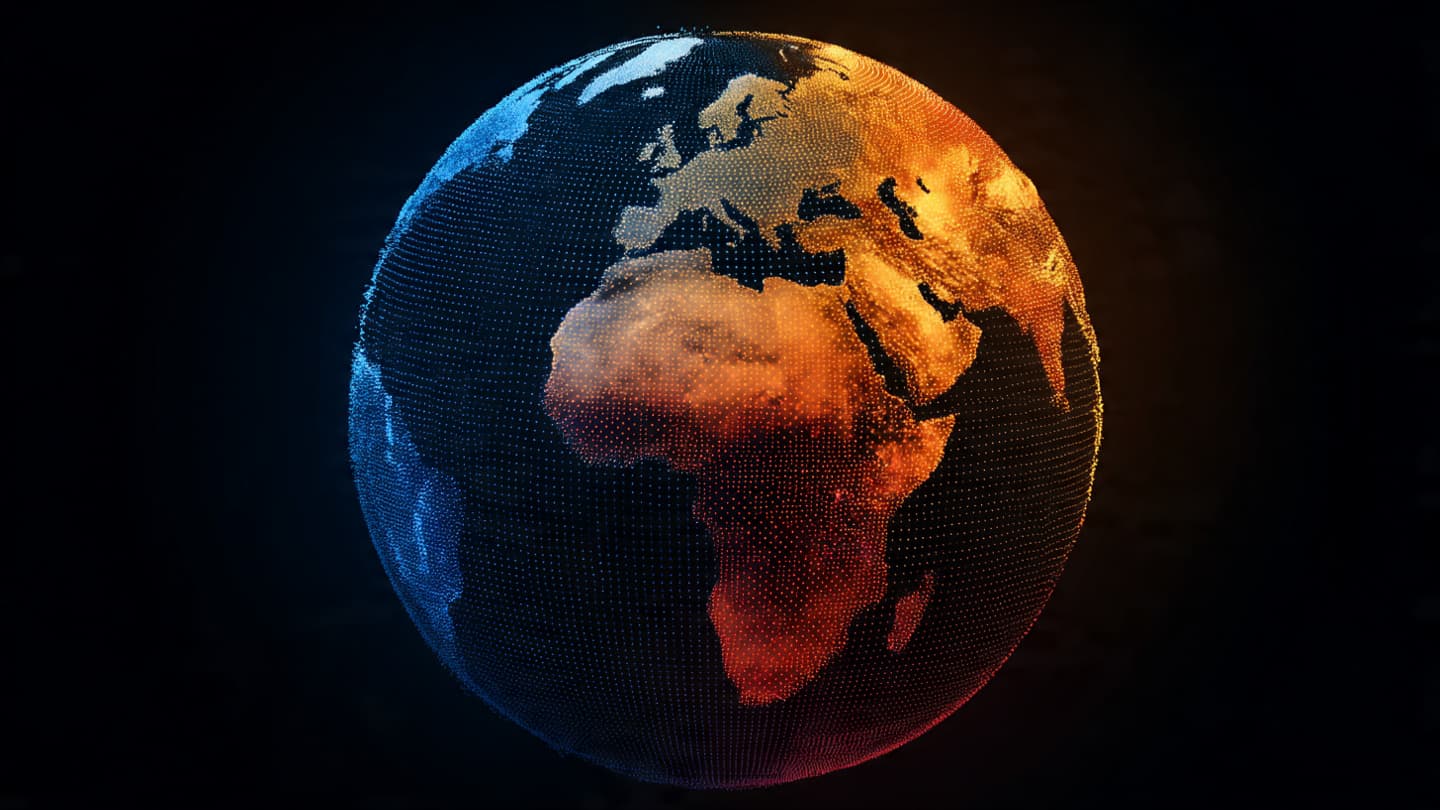
Global climate agencies warn that record-breaking temperatures are highly likely before 2030 due to ongoing warming trends.
Scientists study molecular chemical patterns that may help identify environments potentially suitable for life beyond Earth.

Studies examine possible links between common insecticide exposure and fetal brain development, focusing on long-term environmental health impacts.
Scientists are studying unusual light fluctuations from distant galaxies that may reveal complex cosmic structures.
Scientists are studying unusually bright supernovae that may involve new mechanisms like magnetar-powered explosions.
Scientists detected an unusually massive pair of black holes that may represent a record-breaking cosmic system.
Researchers are improving CAR T-cell therapies using stem cell approaches to enhance cancer treatment effectiveness.

NASA is testing AI chips that could enable spacecraft to make autonomous decisions in space.

Scientists explore the possibility that dark matter may interact with neutrinos, potentially reshaping cosmological models.
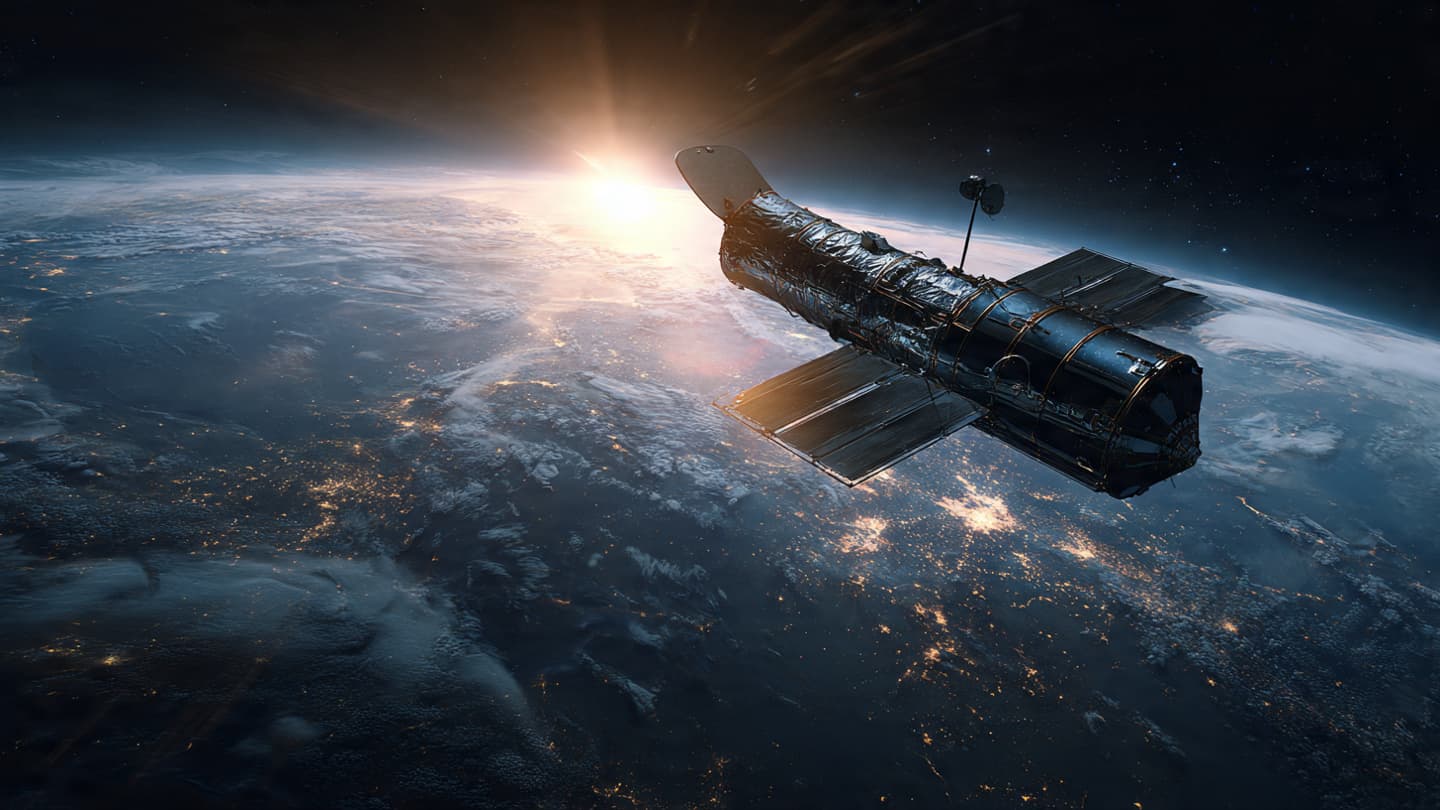
NASA is exploring a mission to boost the Swift telescope’s orbit and extend its operational life.

Research shows AI is influencing global news writing styles across multiple languages and media platforms.
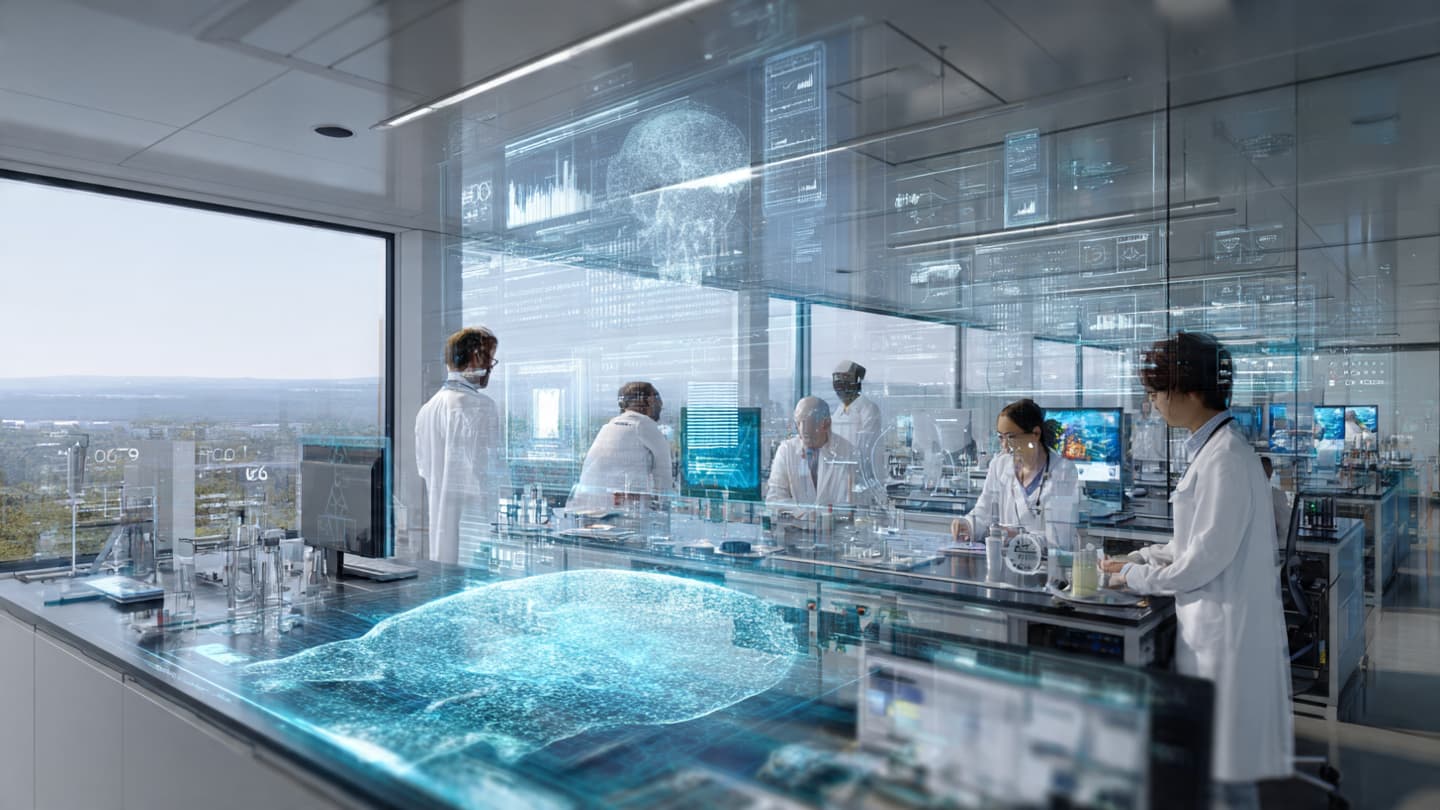
A global study shows AI is significantly influencing how 45,000 researchers write and refine scientific work.
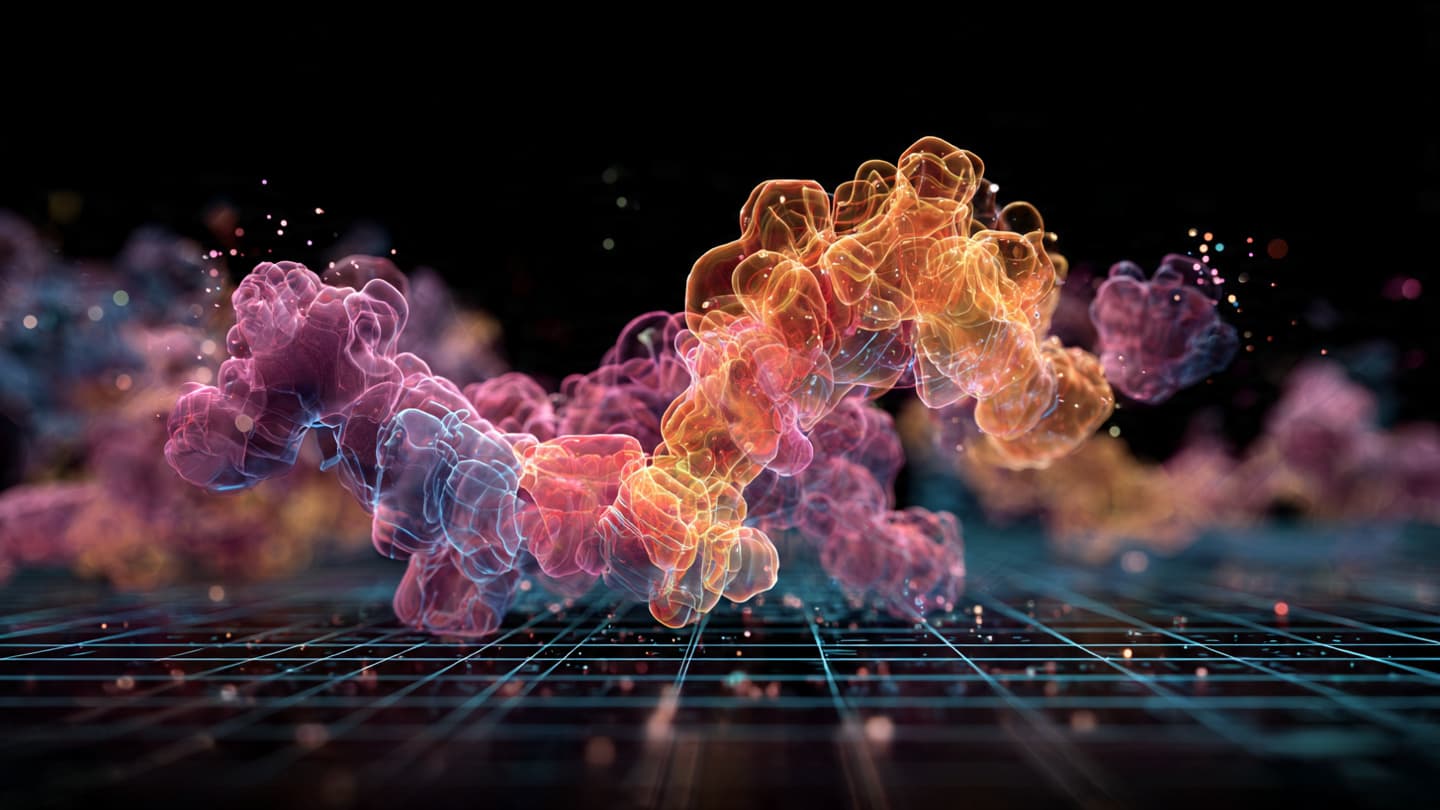
AI systems have mapped nearly 1 billion protein structures, accelerating breakthroughs in biology and medicine.
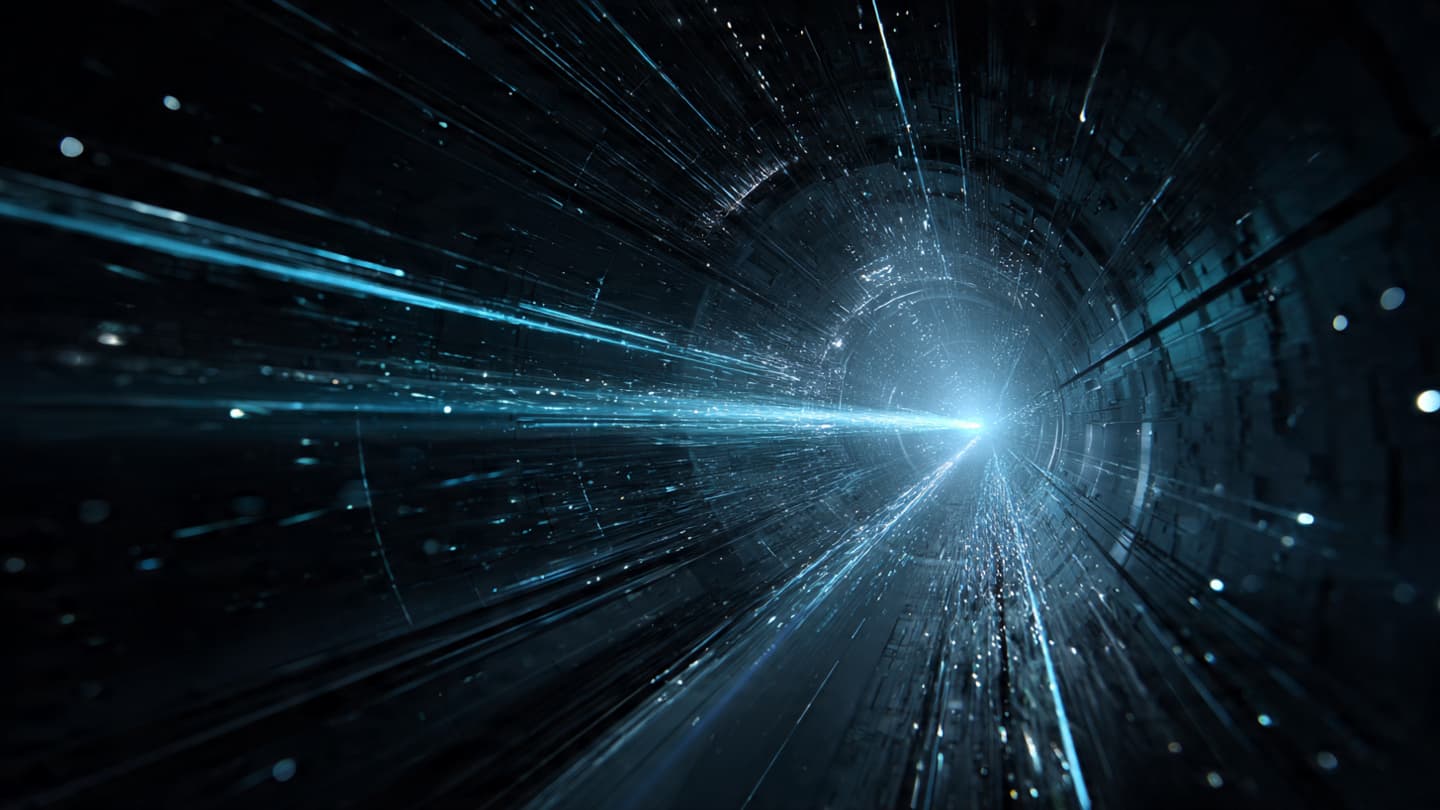
Early LHC data shows possible anomalies that may hint at physics beyond the Standard Model, pending further verification.

Thwaites Glacier in Antarctica is showing increasing instability, raising long-term concerns about global sea level rise.
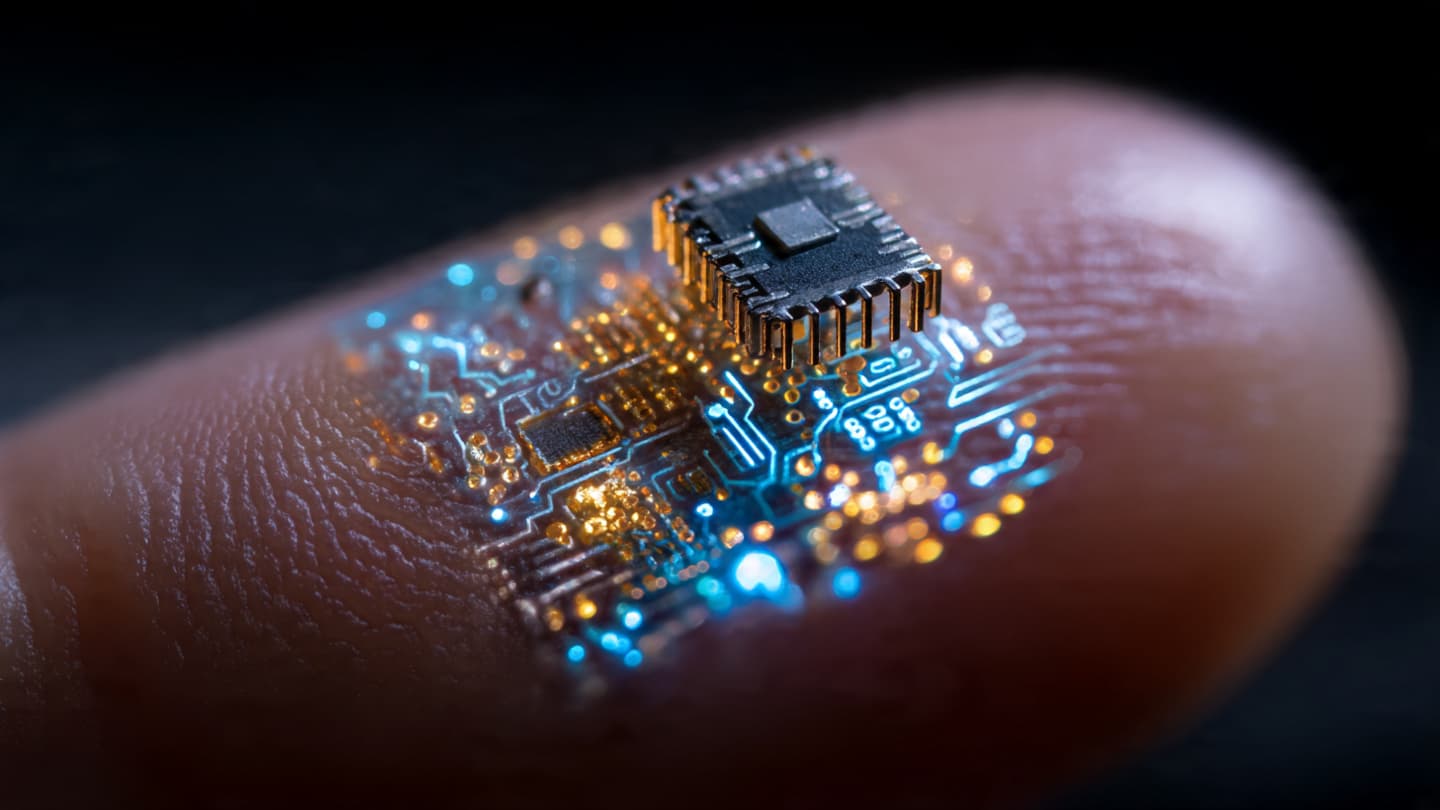
LHC data shows small anomalies in particle behavior that may hint at physics beyond the Standard Model, pending confirmation.
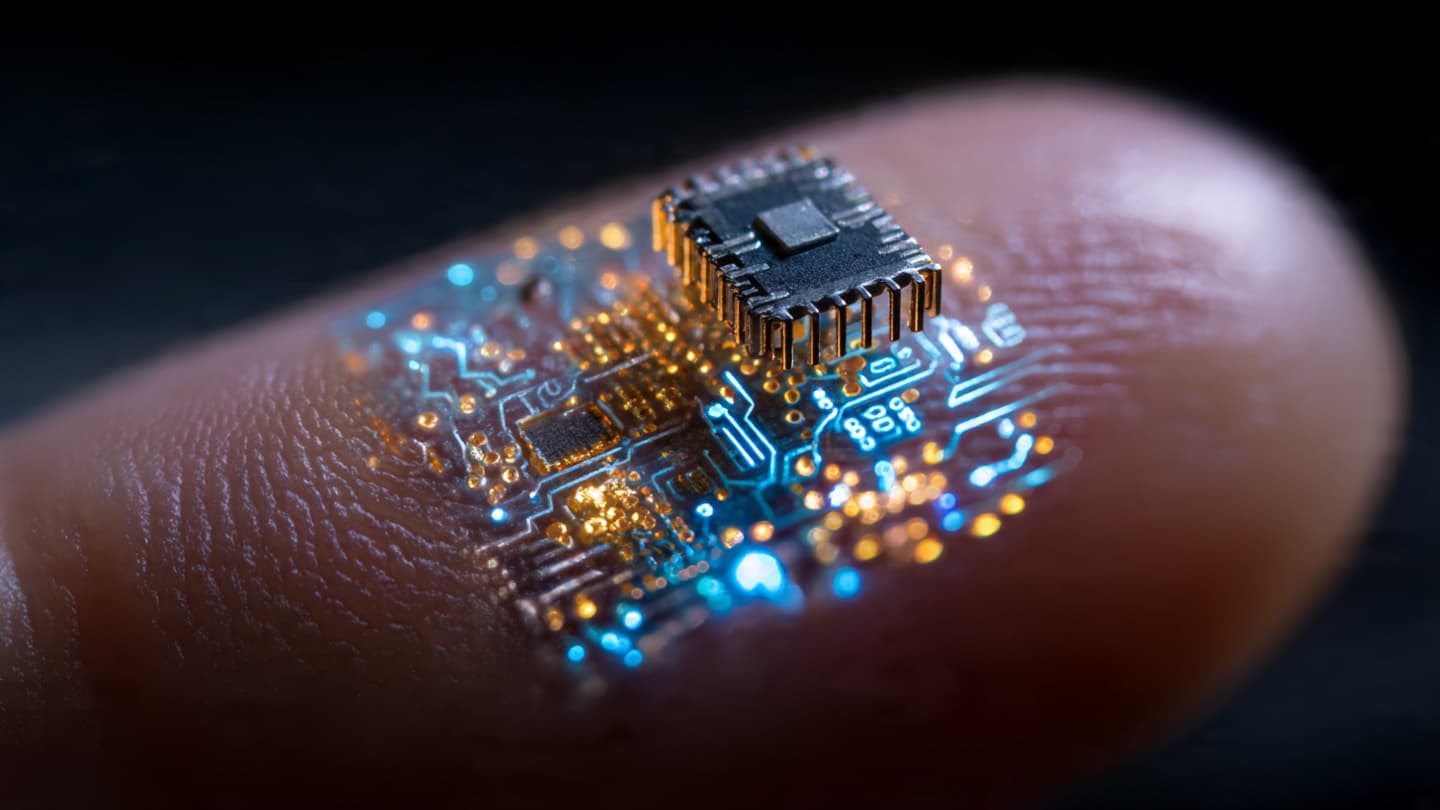
Researchers are developing ultra-small AI chips capable of performing laboratory-level analysis at microscopic scales.
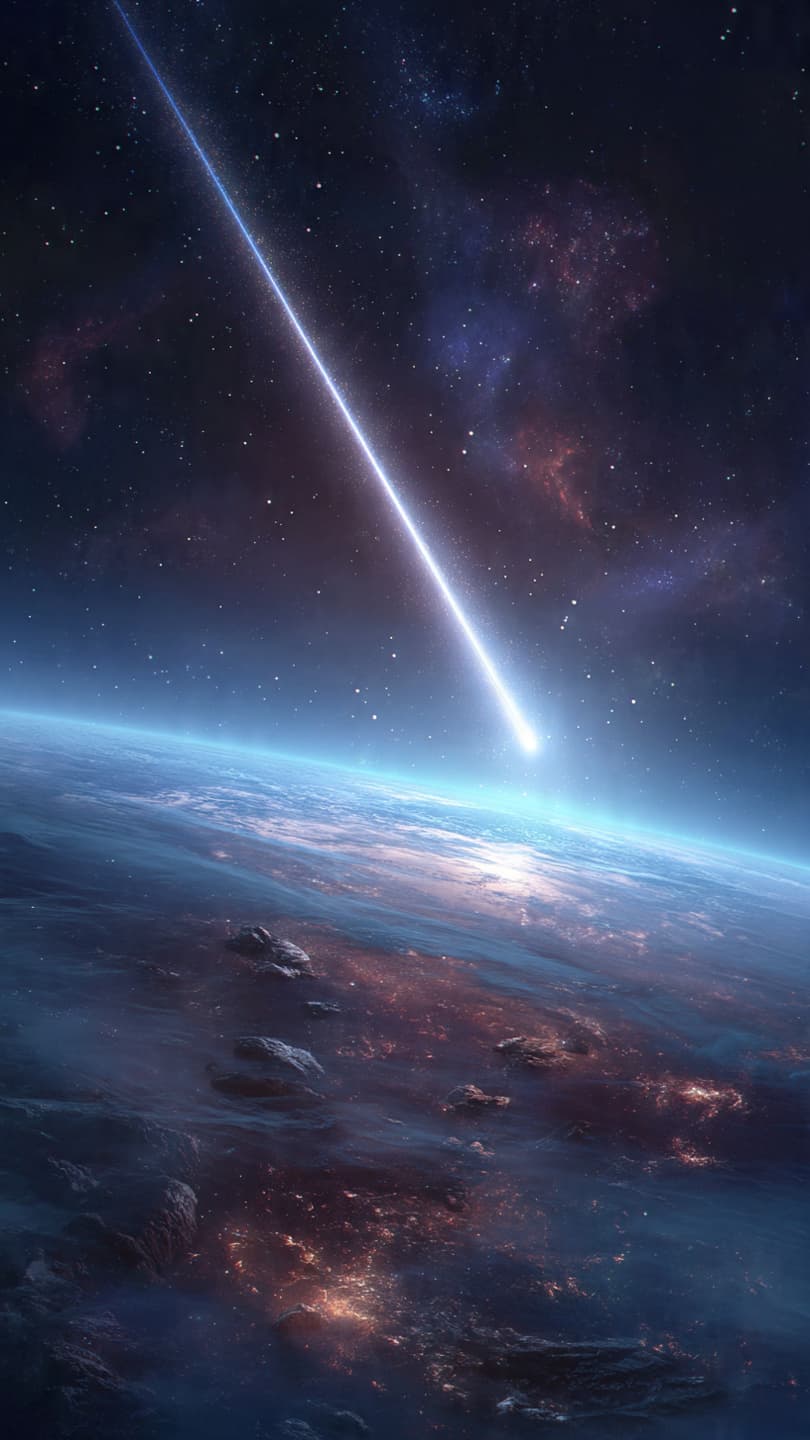
Scientists detected an extremely high-energy neutrino that may originate from a powerful cosmic event, but its source is still unknown.