
SCIENCE94% credibility
Nature's Oldest Energy Lesson May Help Shape Tomorrow's World.
Researchers have developed a battery-free artificial photosynthesis system that could support future clean energy technologies.
2 min read

Researchers have developed a battery-free artificial photosynthesis system that could support future clean energy technologies.
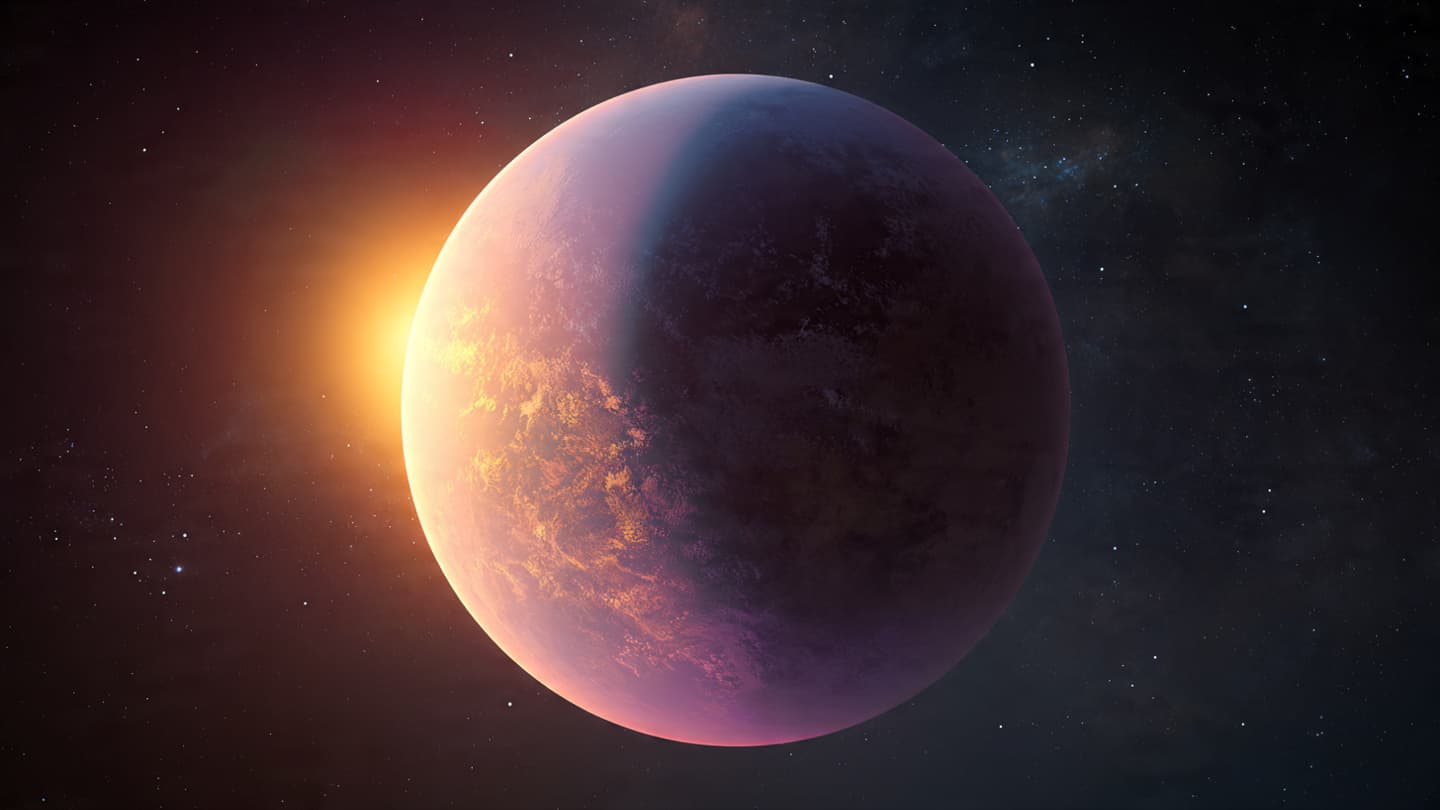
James Webb observations reveal dramatic atmospheric differences on a distant exoplanet, providing new insights into planetary science.
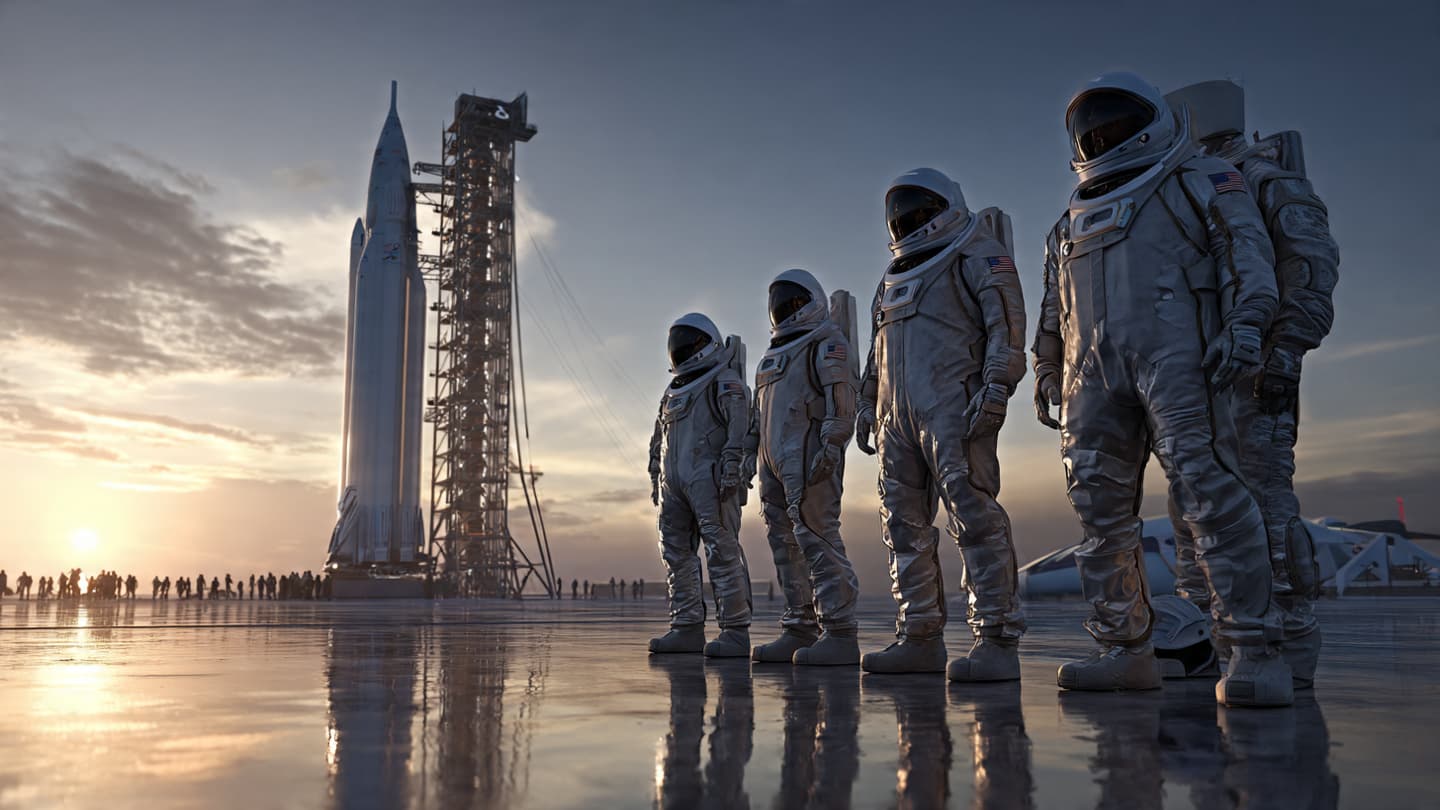
NASA's Artemis III mission continues preparations for a future crewed lunar landing and scientific exploration.

The life and work of Professor Richard Scolyer are being remembered for significant contributions to cancer research and medical science.
Australia's entry into Horizon Europe expands international opportunities for scientific research and innovation.

A large-scale study suggests AI-assisted research may help increase scientific creativity and support innovative discoveries.
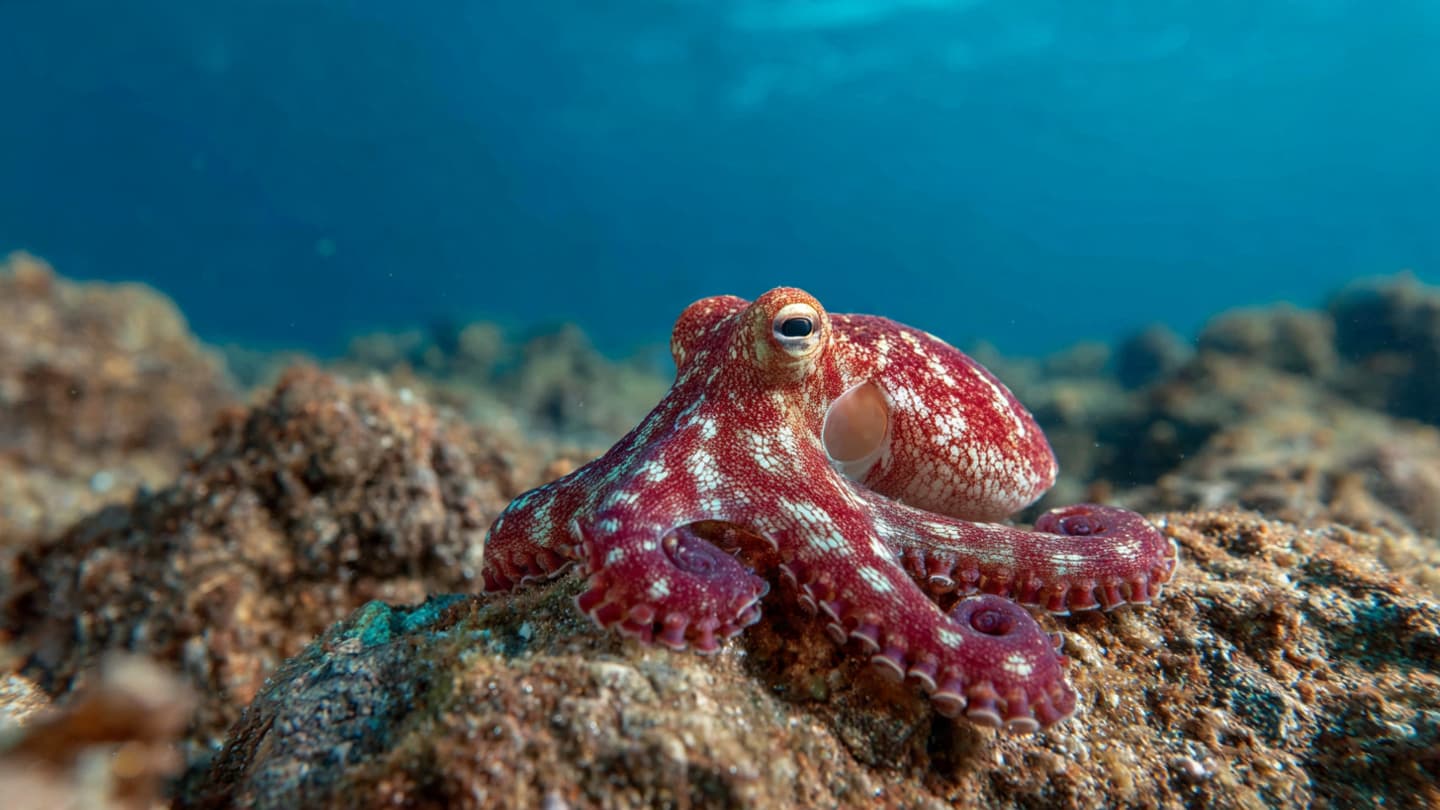
Scientists have identified a new miniature octopus species in the Galapagos Islands, expanding knowledge of marine biodiversity.

Researchers are developing new technologies, biomarkers, and digital tools that may improve the early detection of Parkinson's disease.
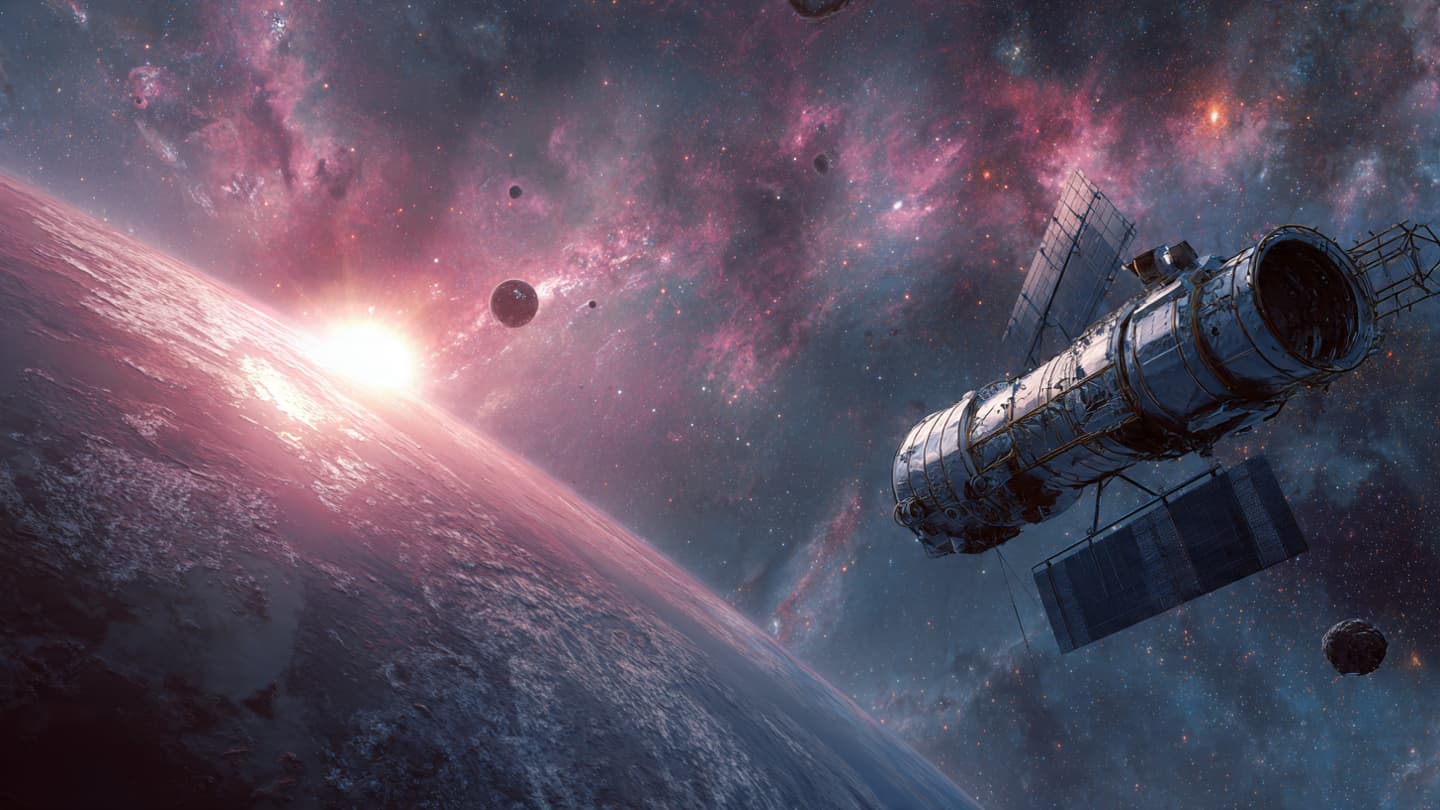
NASA's Roman Space Telescope could discover up to 100,000 exoplanets, significantly expanding knowledge of planetary systems beyond the solar system.

African and European research institutions have launched a partnership to strengthen efforts against antimicrobial resistance through collaboration and scientific innovation.

AMD and Imperial College London have launched a partnership focused on using AI and advanced computing to accelerate scientific research.
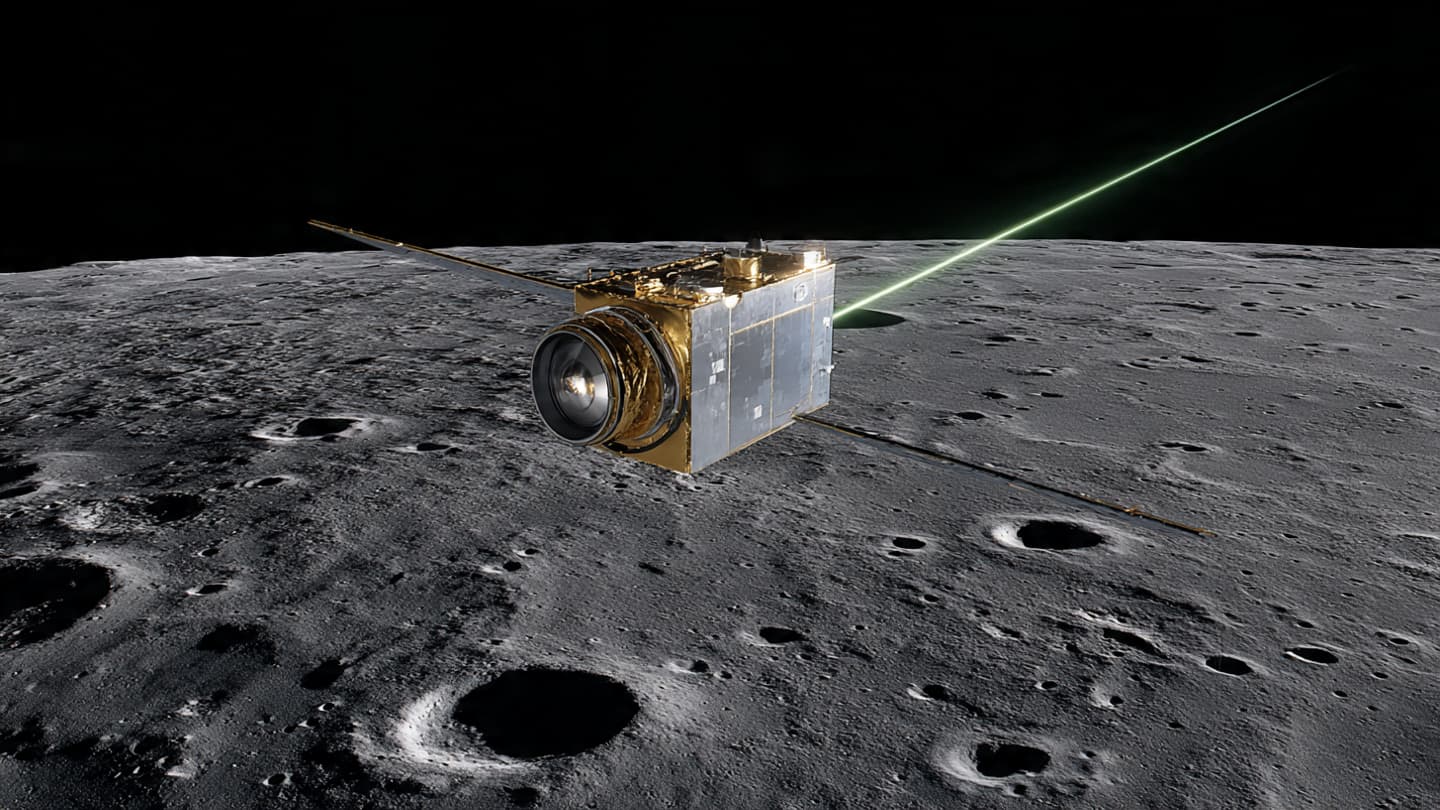
Researchers are developing a lightweight X-ray telescope that could create detailed chemical maps of the Moon's surface.
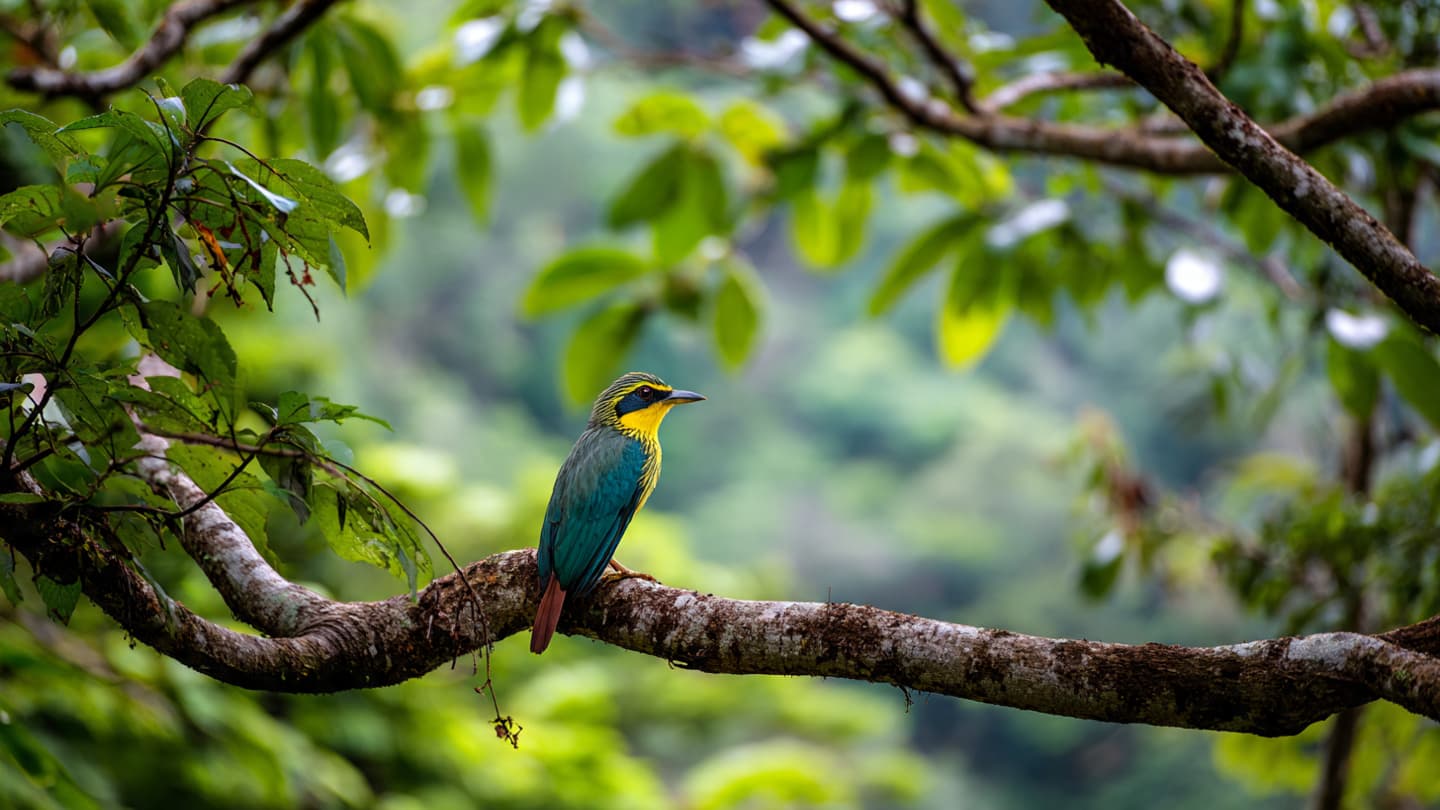
Scientists have identified a new bird species in Indonesia, highlighting the region's extraordinary biodiversity and conservation importance.
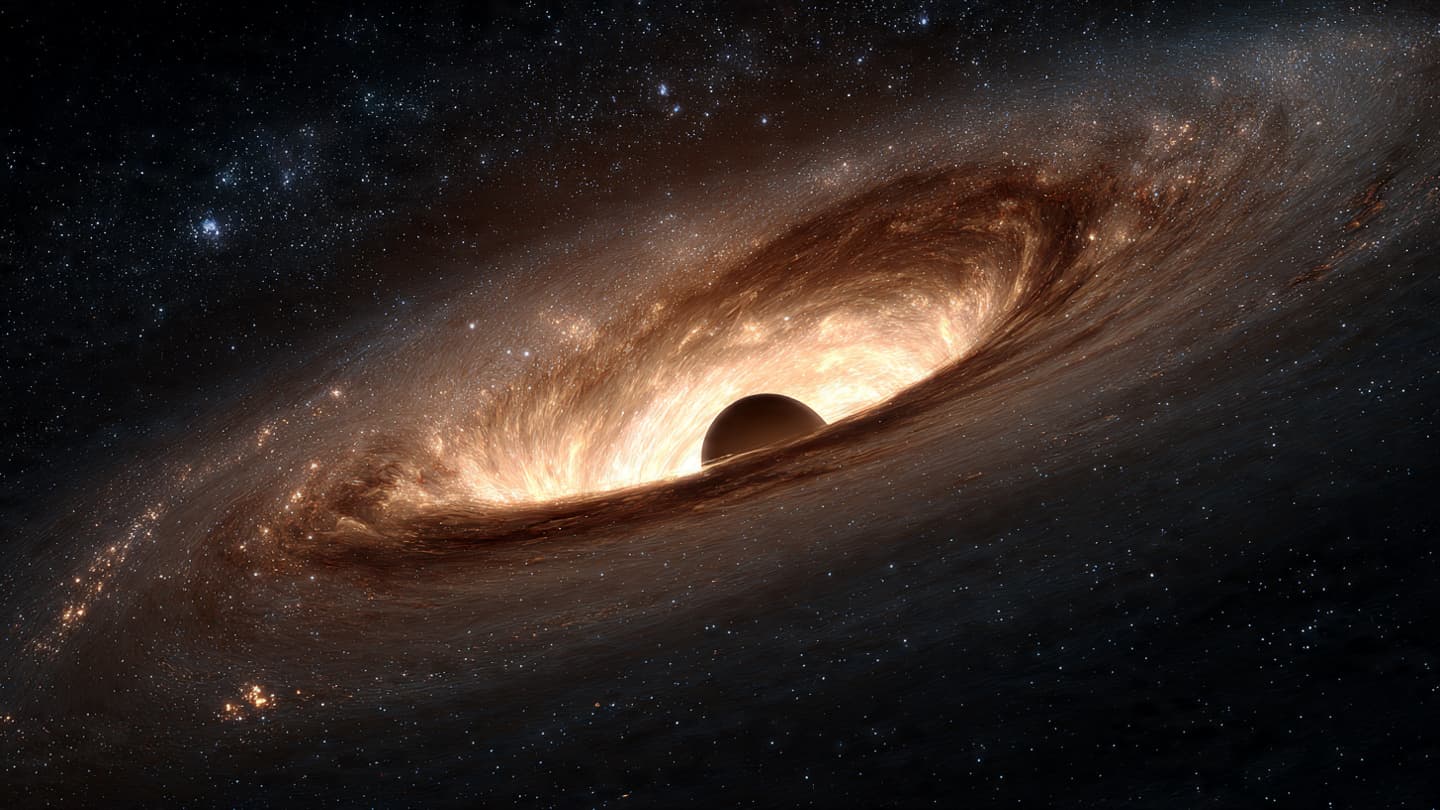
Astronomers have identified evidence of a long-sought black hole wind in the Milky Way, providing new insight into galactic evolution.

Researchers are exploring new medical applications for the century-old BCG vaccine, including potential benefits beyond tuberculosis prevention.

New cancer research highlights advances in immunotherapy and precision medicine, offering promising directions for future treatment strategies.
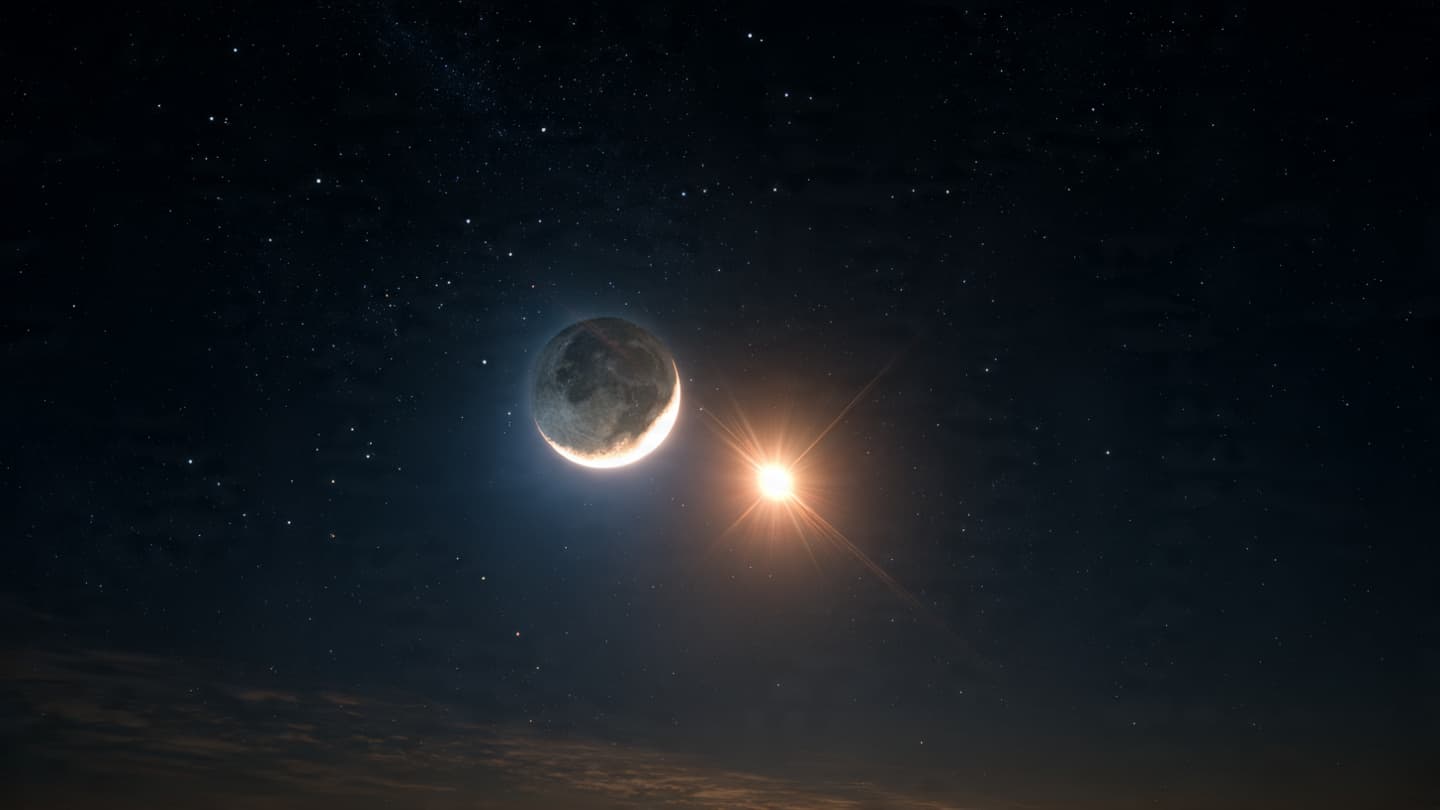
A rare lunar occultation of Venus will occur this June, offering skywatchers a unique opportunity to observe a striking celestial alignment.
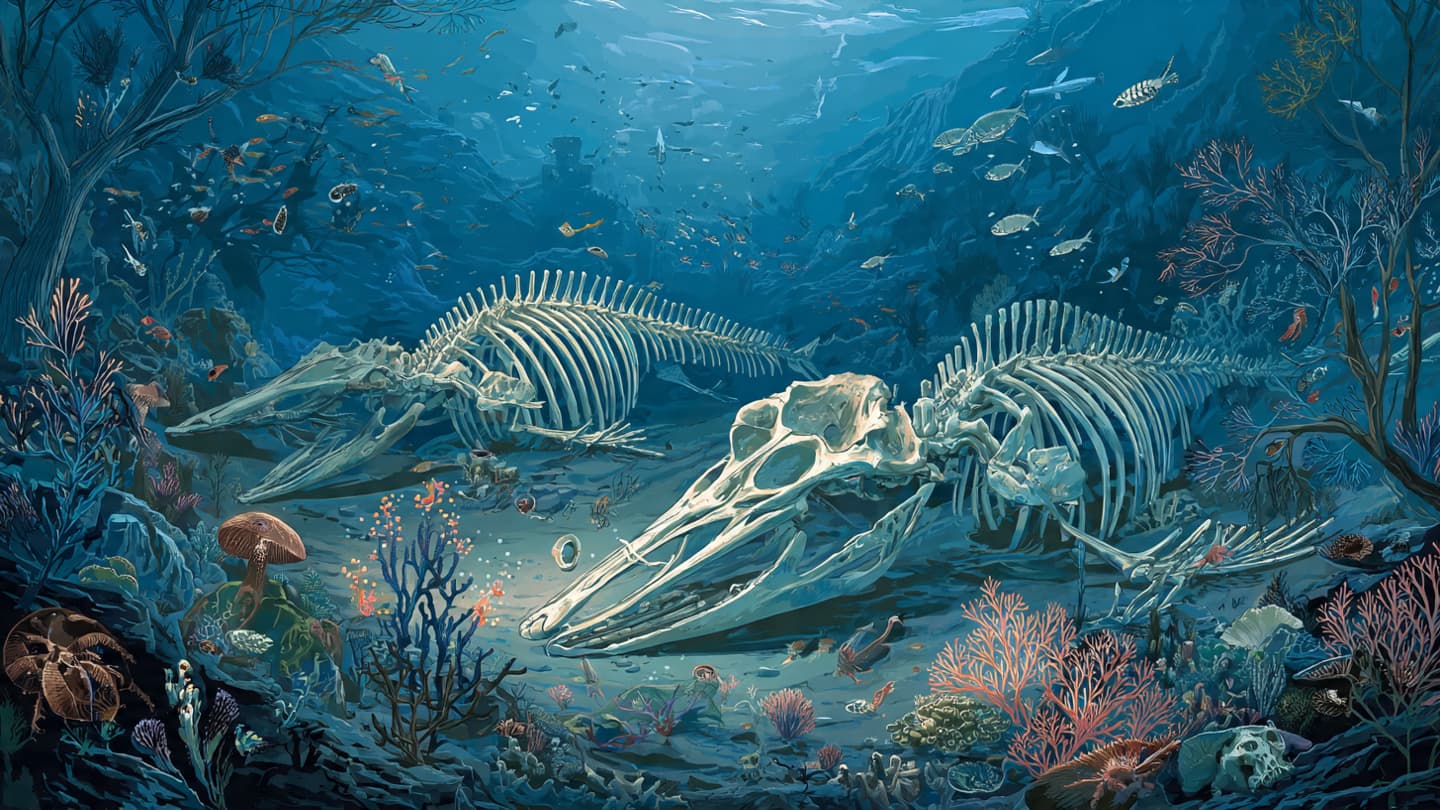
Scientists have discovered the largest known whale graveyard in the Indian Ocean, offering valuable insight into marine ecosystems and ocean history.
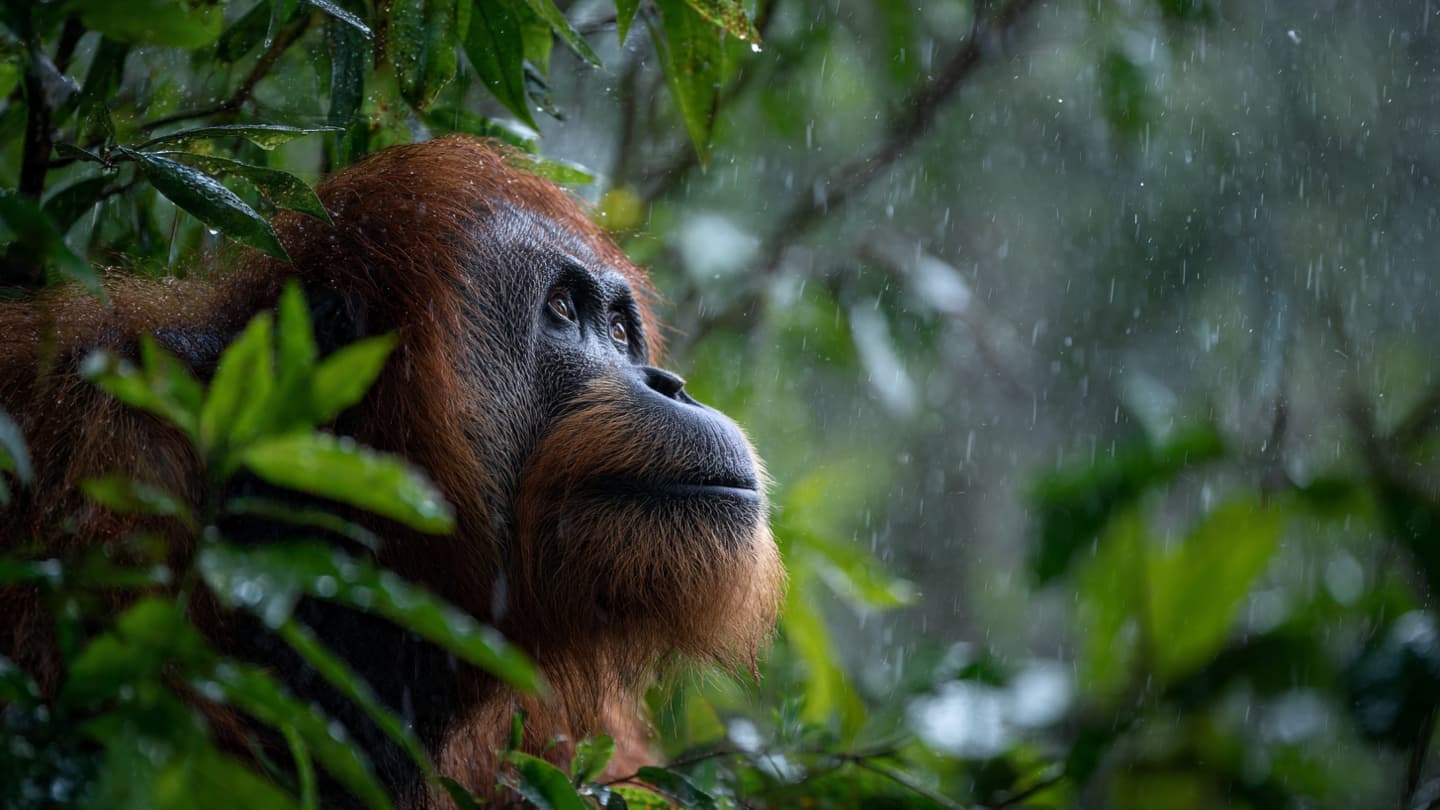
Floods and landslides in Sumatra have contributed to concerns about declining numbers of the critically endangered Tapanuli orangutan.

Researchers warn that reductions in ocean monitoring systems could affect climate research, weather forecasting, and disaster preparedness.
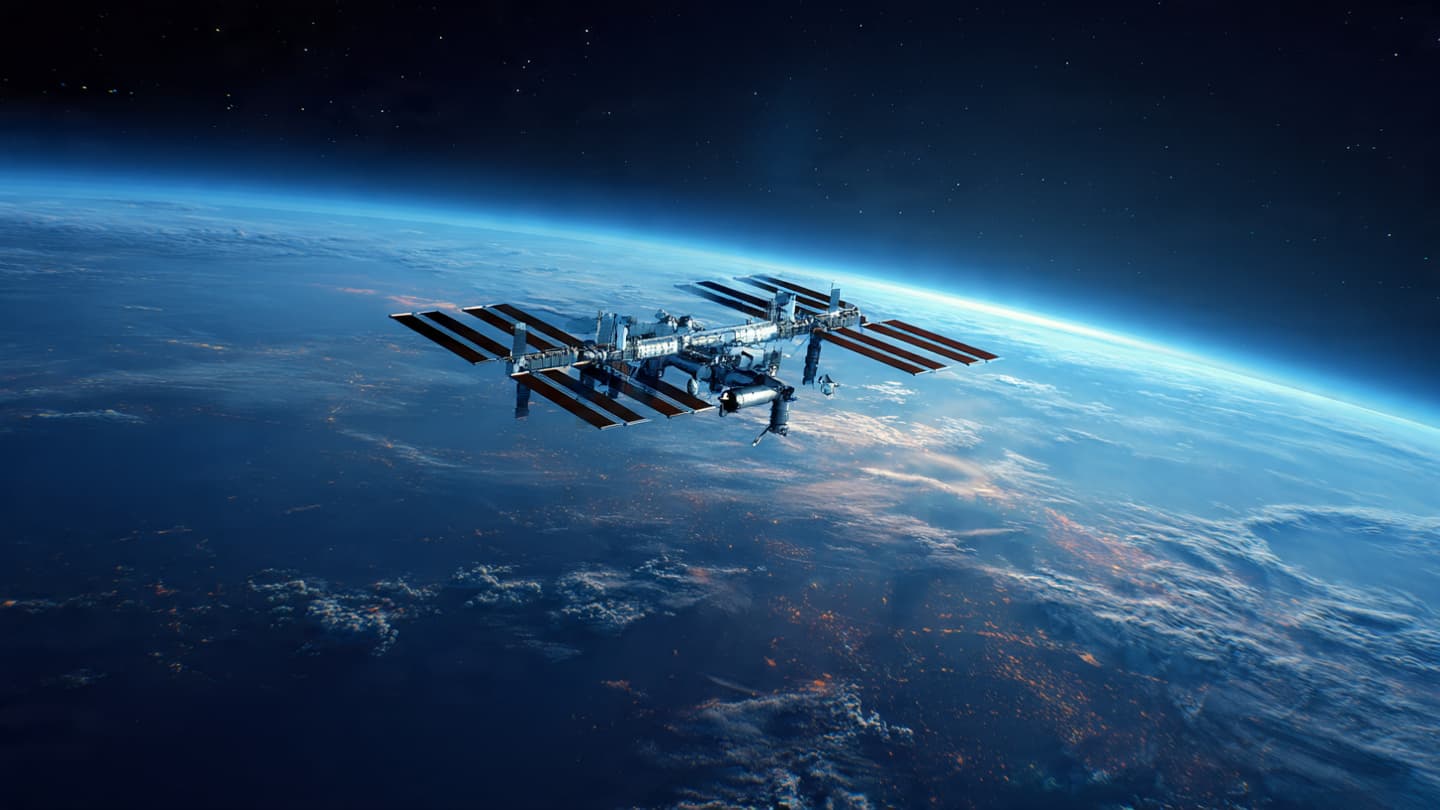
NASA has withdrawn an earlier evacuation warning for the International Space Station after further technical assessments reduced immediate concerns.
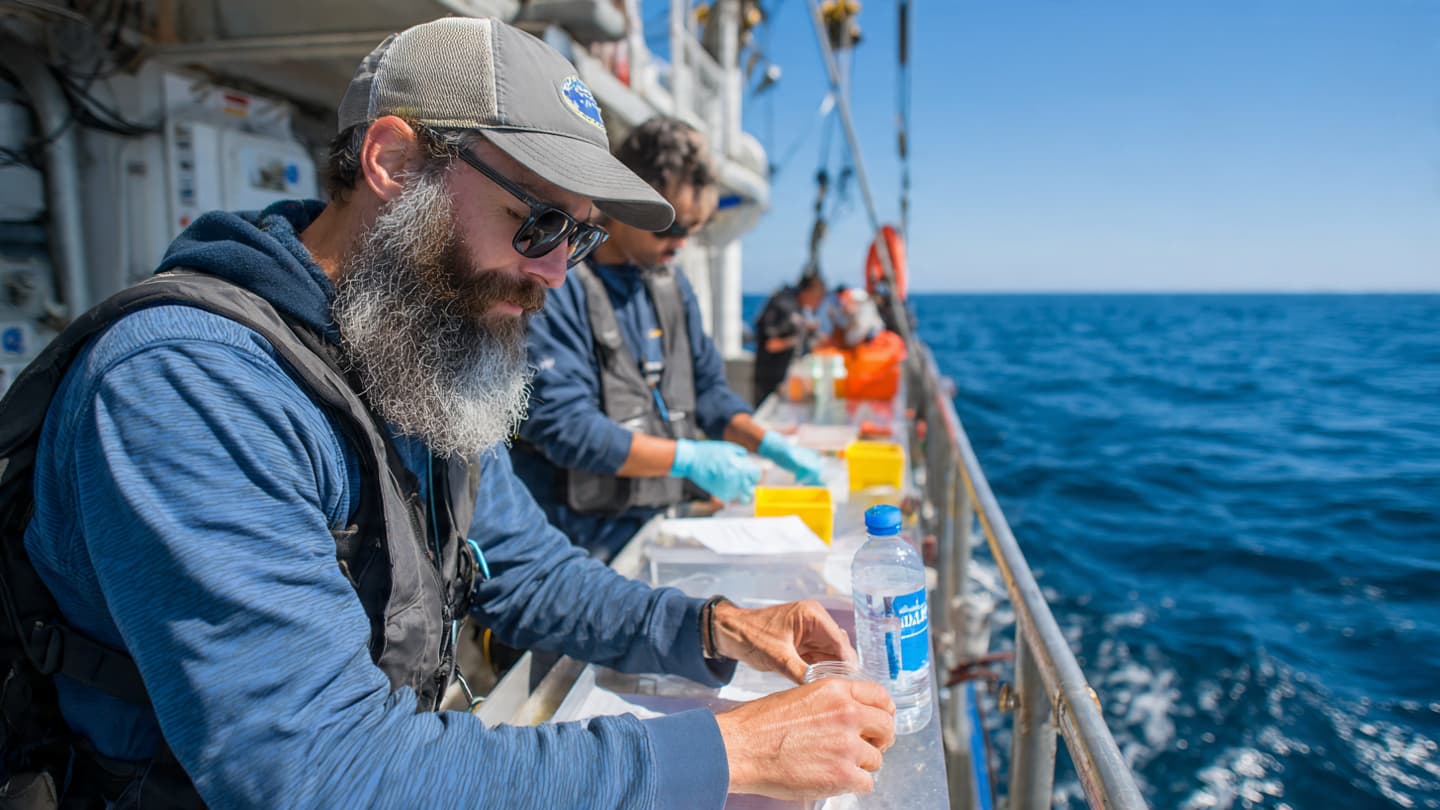
Scientists have identified antibiotic resistance genes across global oceans, reinforcing concerns about the environmental dimensions of antimicrobial resistance.

Scientists report evidence suggesting that global warming may be accelerating, underscoring the importance of climate research and adaptation efforts.
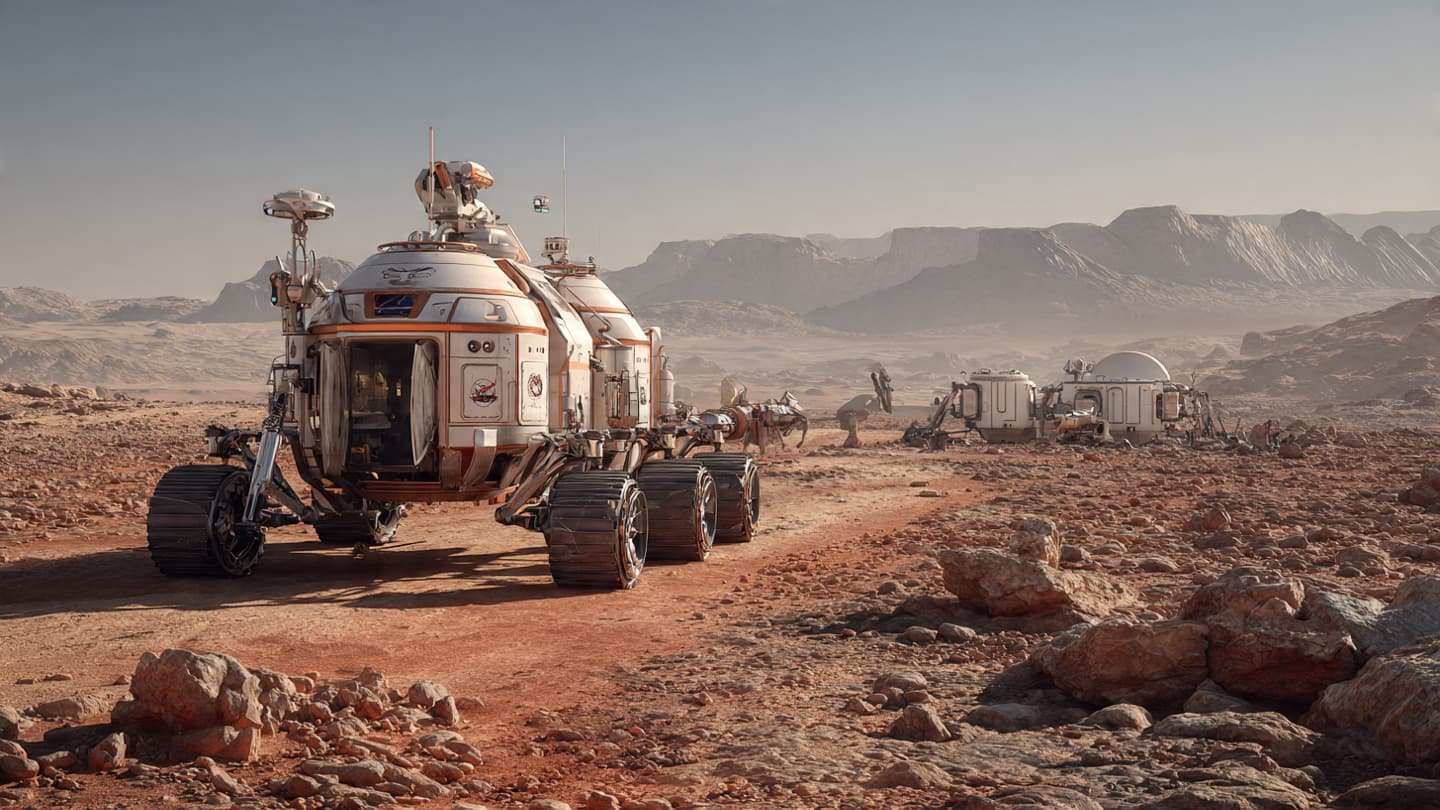
Future space missions increasingly focus on returning pristine samples from Mars, Phobos, and asteroids to unlock solar system history.