Creativity is often described as one of humanity's most distinctive qualities. It is the force behind artistic expression, technological invention, and scientific discovery. As artificial intelligence becomes increasingly integrated into research environments, scientists are exploring a fascinating question: can machines help expand human creativity rather than simply automate routine tasks?
A recent large-scale study examining more than one million scientific publications suggests that artificial intelligence may contribute positively to scientific innovation. Researchers found evidence indicating that AI-assisted work may be associated with a greater likelihood of producing novel and influential findings.
The study arrives at a time when artificial intelligence is rapidly transforming research practices across numerous disciplines. Scientists increasingly use AI systems to analyze large datasets, identify patterns, generate hypotheses, and accelerate complex analytical processes.
Researchers emphasize that AI does not replace human creativity. Instead, many experts view it as a tool capable of expanding the range of possibilities that scientists can explore. By processing vast amounts of information quickly, AI may help researchers uncover connections that might otherwise remain unnoticed.
The findings contribute to an ongoing discussion about the role of technology in knowledge creation. While some observers have expressed concern about the potential impact of AI on traditional research methods, others see opportunities for meaningful collaboration between human expertise and computational capabilities.
Scientific innovation often emerges from unexpected combinations of ideas. AI systems can assist researchers by identifying relationships among concepts drawn from different fields, potentially encouraging interdisciplinary discoveries.
At the same time, experts caution that technological tools must be used responsibly. Transparency, reproducibility, and rigorous validation remain essential components of scientific research regardless of the methods employed.
The study also highlights the broader evolution of research environments. Advanced computing resources, machine learning algorithms, and collaborative digital platforms are becoming increasingly common features of modern scientific work.
As artificial intelligence continues to develop, its influence on scientific creativity will remain an important area of investigation. The latest findings suggest that, when thoughtfully applied, AI may serve not only as a powerful analytical tool but also as a catalyst for new ideas and discoveries.
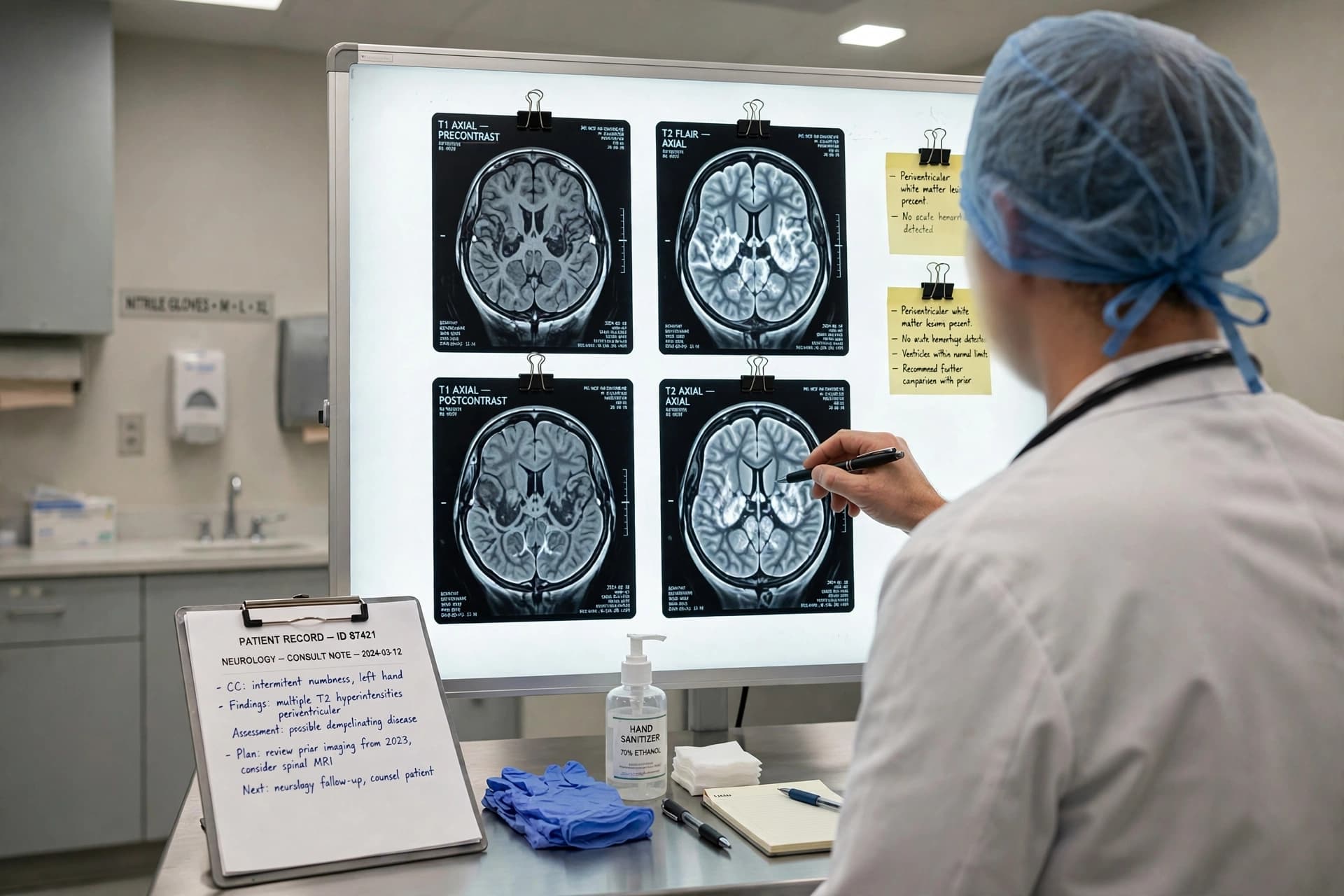
AI Image Disclaimer: The visual illustrations accompanying this article are AI-generated and are intended solely to represent the concepts discussed in the report.
Sources (Verified): arXiv Research Paper, Nature, Science Magazine, Associated Press
Published by Banx Network. This article is part of the Banx decentralized media programme, powered by the BXE token on the XRP Ledger.