Some of humanity's greatest challenges do not recognize borders. Diseases travel, bacteria evolve, and scientific solutions often require cooperation that extends far beyond a single laboratory or country. The growing threat of antimicrobial resistance, commonly known as AMR, is one such challenge, prompting researchers across continents to work more closely together.
A newly announced partnership linking research institutions in Africa and Europe seeks to strengthen efforts against antimicrobial resistance. The initiative aims to improve scientific collaboration, expand research capacity, and accelerate the discovery of new approaches to combating drug-resistant infections.
Antimicrobial resistance occurs when microorganisms such as bacteria, viruses, fungi, or parasites evolve in ways that reduce the effectiveness of medicines designed to eliminate them. Health experts regard AMR as one of the most significant long-term threats facing global healthcare systems.
Researchers warn that increasing resistance can make common infections more difficult to treat. Procedures that rely on effective antimicrobial medicines, including surgeries and cancer treatments, may become more challenging if resistance continues to spread unchecked.
The new partnership emphasizes knowledge sharing and scientific cooperation. Participating institutions intend to support joint research projects, training programs, and data exchange initiatives that could improve understanding of resistance patterns across different regions.
Africa and Europe both face unique healthcare challenges related to antimicrobial use and disease management. By working together, scientists hope to gain a broader perspective on how resistance develops and spreads within diverse populations and environments.
Capacity building is another important objective. Strengthening laboratory networks, supporting emerging researchers, and expanding scientific infrastructure can help improve long-term research capabilities while fostering sustainable collaboration.
International health organizations have repeatedly emphasized the importance of coordinated responses to AMR. Because resistant microorganisms can cross national boundaries, many experts believe global cooperation is essential to achieving meaningful progress.
As the partnership moves forward, researchers remain focused on practical outcomes that can contribute to public health. While antimicrobial resistance remains a complex challenge, collaborative efforts such as this demonstrate the scientific community's commitment to addressing it through shared expertise and collective action.
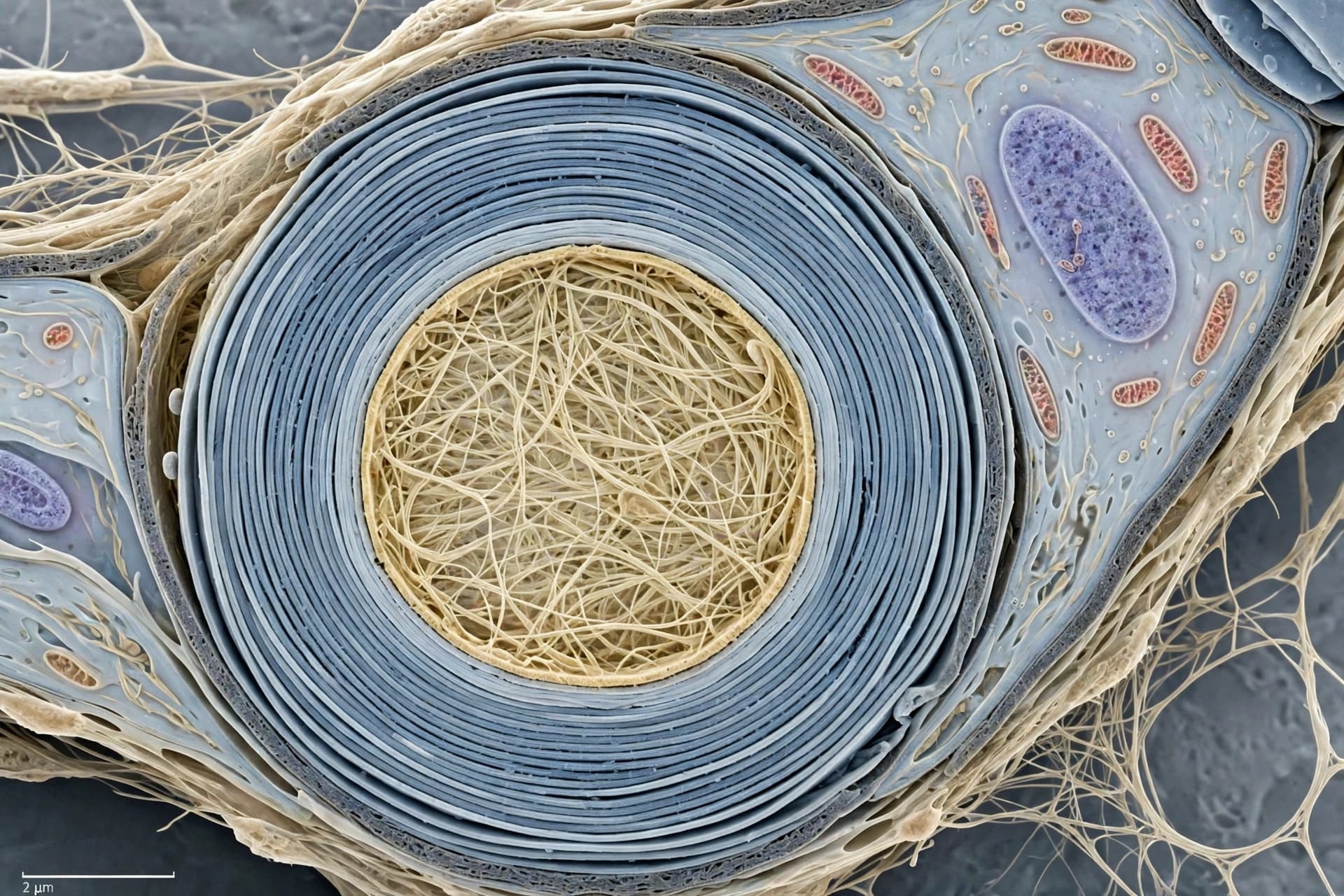
AI Image Disclaimer: The visual materials accompanying this article are AI-generated illustrations created to represent scientific collaboration and healthcare research.
Sources (Verified): Imperial College London, World Health Organization, Reuters, European Centre for Disease Prevention and Control
Published by Banx Network. This article is part of the Banx decentralized media programme, powered by the BXE token on the XRP Ledger.