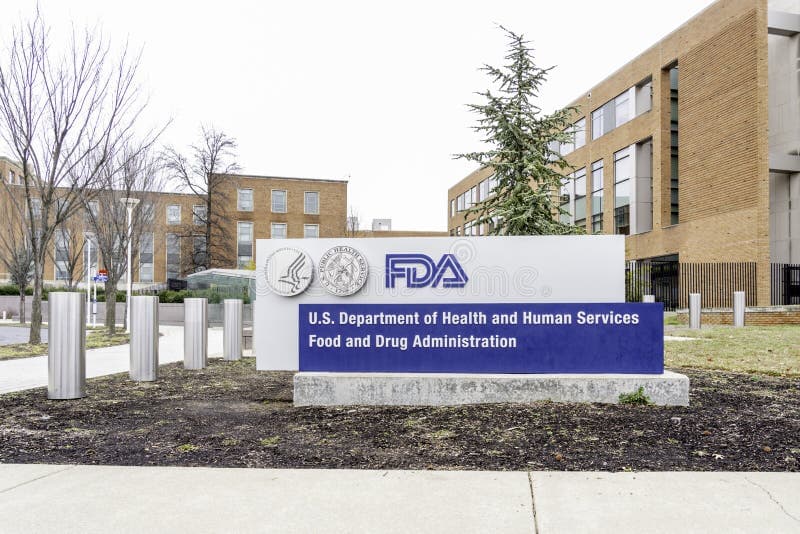
In the gentle balance between curiosity and caution that marks much of modern health research, there are moments when promise and prudence must walk hand in hand. On a late winter afternoon in Moose Jaw, Saskatchewan — a prairie town where horizons stretch wide and the rhythms of daily life are shaped by science, community, and personal wellbeing — a cautionary note arrived from far beyond provincial borders. It came not through local voices, but from the hallways of the U.S. Food and Drug Administration (FDA), stirring a conversation about how far and how fast innovative ideas should travel when they touch human lives.
The FDA’s recent warning letter, addressed to Dayan Goodenowe, founder of the controversial Dr. Goodenowe Restorative Health Center and CEO of Prodrome Sciences USA, LLC, centers on a clinical study of a supplement known as ProdromeNeuro™ designed to explore cognitive and mobility outcomes among individuals with mild to moderate dementia. The agency alleges that 29 participants enrolled in the 2020‑2021 study were placed at risk because the proper regulatory step of filing an Investigational New Drug (IND) application was never taken before the trial began — a requirement intended to protect patient safety and ensure ethical oversight in human research.
For many, the word “supplement” conjures images of vitamins, minerals, and wellness boosters sold at grocery store aisles and health shops. But the FDA’s framework is clear: when a product is studied for treating, preventing, or mitigating disease, it crosses into a category where formal drug study safeguards must apply. In this case, despite ProdromeNeuro’s natural origins — derived from plasmalogens found in certain oils — the agency determined the research was effectively a drug study that demanded oversight and documentation that were not provided.
The warning letter underscores concerns not just about regulatory paperwork, but about the safety and welfare of the study’s human subjects. While the FDA has not reported any specific adverse health events tied to the trial, its communication stresses that without the required IND, there was insufficient evidence that participant protections were in place — including review by an institutional review board and monitoring mechanisms common in clinical drug research.
This rebuke follows earlier scrutiny of Goodenowe’s work, including local media investigations and regulatory attention in both Canada and the United States. The journal Frontiers in Cell and Developmental Biology, which published the study’s findings in 2022, has since issued an “expression of concern” about the article, signaling unresolved questions about its conduct and compliance.
Critics of the centre’s approach — from ethicists to regulatory experts — argue that well‑intentioned innovation must be grounded in universally accepted protections for research subjects, especially when vulnerable populations like those living with dementia are involved. They cite the FDA’s warning as a reminder that patient safety should always remain paramount, even when scientific curiosity and entrepreneurial ambitions are strong.
In response to the agency’s letter, Goodenowe has stated he believes regulatory concerns stem from misunderstandings about the nature of his product and its classification, noting that ProdromeNeuro originates from substances found in nature rather than synthetically manufactured drugs. He has indicated a willingness to work with regulators to clarify protocols and compliance as his operations expand into other markets, including projects in Asia.
As global interest in cognitive health and age‑related therapies grows, the episode highlights a broader conversation — one about how robust ethical frameworks and regulatory oversight must keep pace with innovation. Behind the headlines and bureau memos are real people, trust placed in health claims and research findings that touch the most intimate aspects of human life and dignity.
AI Image Disclaimer Visuals are created with AI tools and are not real photographs.
Sources : CBC / NewsMinimalist summary FDA warning letter document Filmogaz report
Published by Banx Network. This article is part of the Banx decentralized media programme, powered by the BXE token on the XRP Ledger.