In the quiet lines of an X‑ray or the routine check‑ups of a dental clinic, scientists are now uncovering evidence that stress can shape children’s bodies in ways we once thought impossible. A new study has found that prolonged exposure to war‑related stress may accelerate dental and skeletal development in children — a surprising biological echo of psychological trauma that reaches beyond the mind and into physical growth.
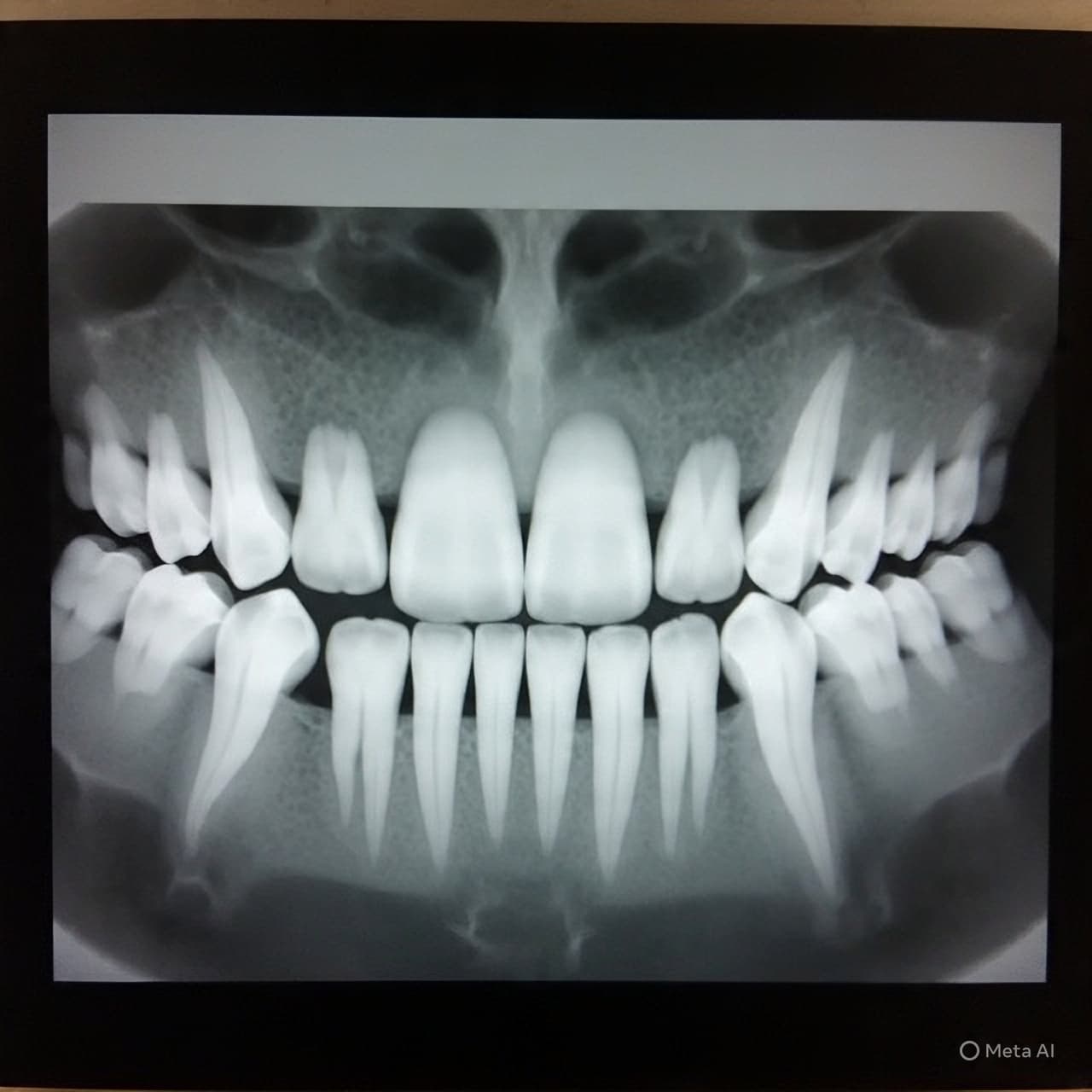
Researchers from the Maccabident Research Institute — the dental division of one of Israel’s largest health funds — conducted the first study of its kind to examine whether conflict‑induced stress could affect how children grow, not just how they feel. The team analysed dental and skeletal X‑rays of children and adolescents, comparing those who lived near long‑standing security tensions with peers from regions with lower stress exposure.
What they discovered was notable: children continuously exposed to conflict exhibited earlier dental eruption and accelerated skeletal maturation than their counterparts. In particular, the eruption of permanent teeth such as second molars and canines occurred sooner than expected based on age norms. The researchers say this pattern is likely linked to how chronic stress disrupts hormonal regulation — causing the body to prioritize physical maturation in response to a persistent “threat” environment.
“In environments marked by ongoing stress, physiological responses are triggered that can accelerate normal bodily processes,” said one of the study’s authors. This includes hormones involved in growth and development, which may shift in response to prolonged anxiety or fear.
The implications of these findings are both scientific and human. Teeth and bone growth are visible markers of a child’s physical development; changes in their timing can feel subtle, yet they reflect deeper biological responses to long‑term stress. The researchers suggest that earlier dental eruption and skeletal changes could serve as measurable indicators of chronic stress in children — offering clinicians a new tool to identify those who may be silently coping with trauma.
It’s important to note that this study does not describe trauma’s impact in a vacuum: broader research has long shown that war and ongoing conflict can have deep psychological effects on children, from anxiety and post‑traumatic stress to cognitive and emotional delays. Such stress impacts learning, social development and emotional resilience — and now, evidence suggests it also shapes physical growth patterns in ways that dental professionals can trace.
Beyond dental clinics, these findings highlight how conflict can leave biological footprints on young bodies, reinforcing that trauma is not merely psychological but also physiological. They underscore the importance of addressing stress — not just as a mental health issue — but as a factor in overall child development and well‑being.
AI Image Disclaimer (Rotated Wording) Visuals are created with AI tools and intended as conceptual illustrations, not real photographs.
Sources The Jerusalem Post on new research showing accelerated dental and skeletal development linked to war‑related stress in children and adolescents. Broader research on the psychological and developmental effects of prolonged exposure to conflict on children’s well‑being.
Published by Banx Network. This article is part of the Banx decentralized media programme, powered by the BXE token on the XRP Ledger.