HEALTH91% credibility
When hope in medicine meets the limits of complexity
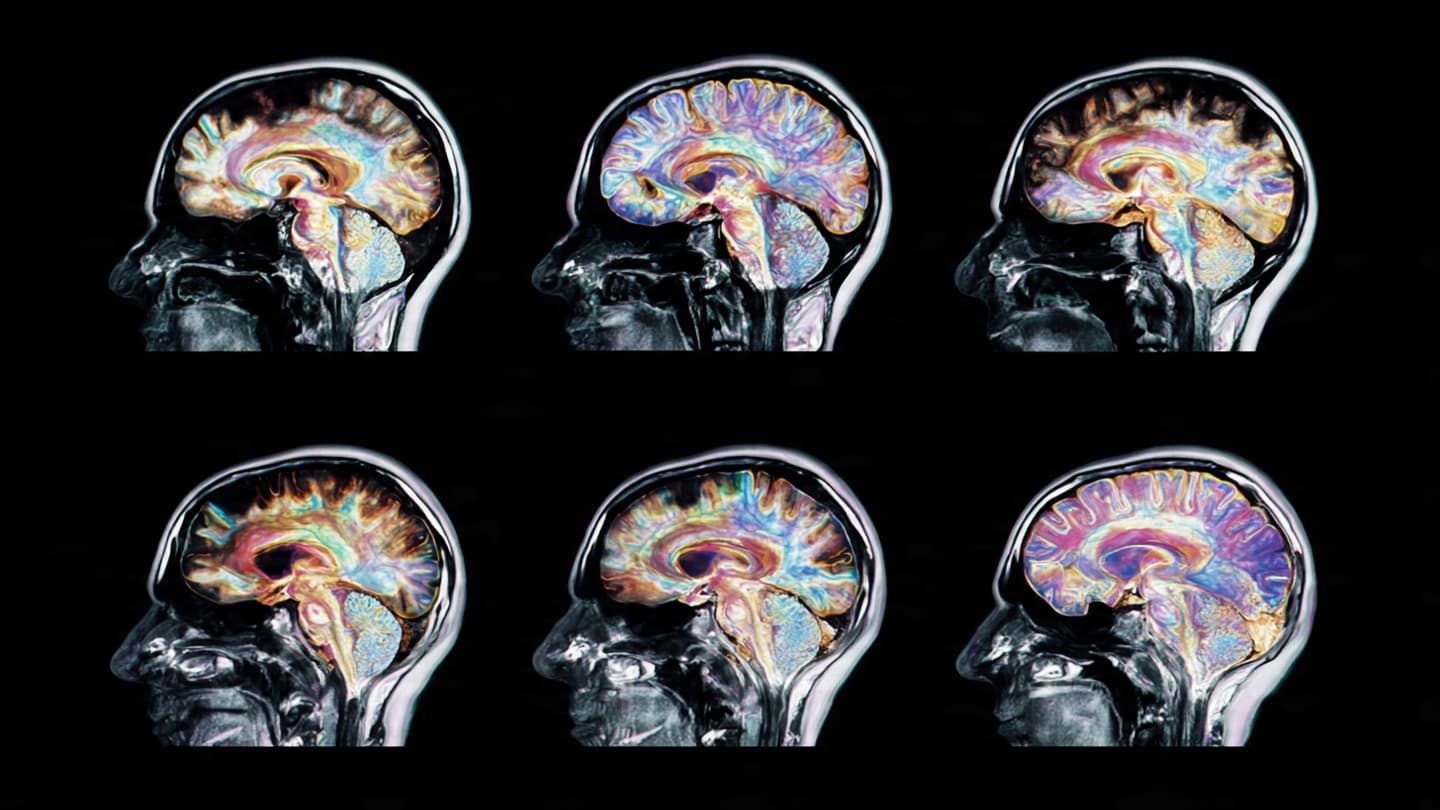
Studies suggest some Alzheimer’s drugs have limited effectiveness, prompting researchers to explore broader treatment approaches.
1 min read

Studies suggest some Alzheimer’s drugs have limited effectiveness, prompting researchers to explore broader treatment approaches.

Ontario and Quebec recall microgreens products after possible E. coli contamination raises food safety concerns.

Olive waste extract shows early promise in metabolism research, but findings remain preliminary and not yet clinically confirmed.
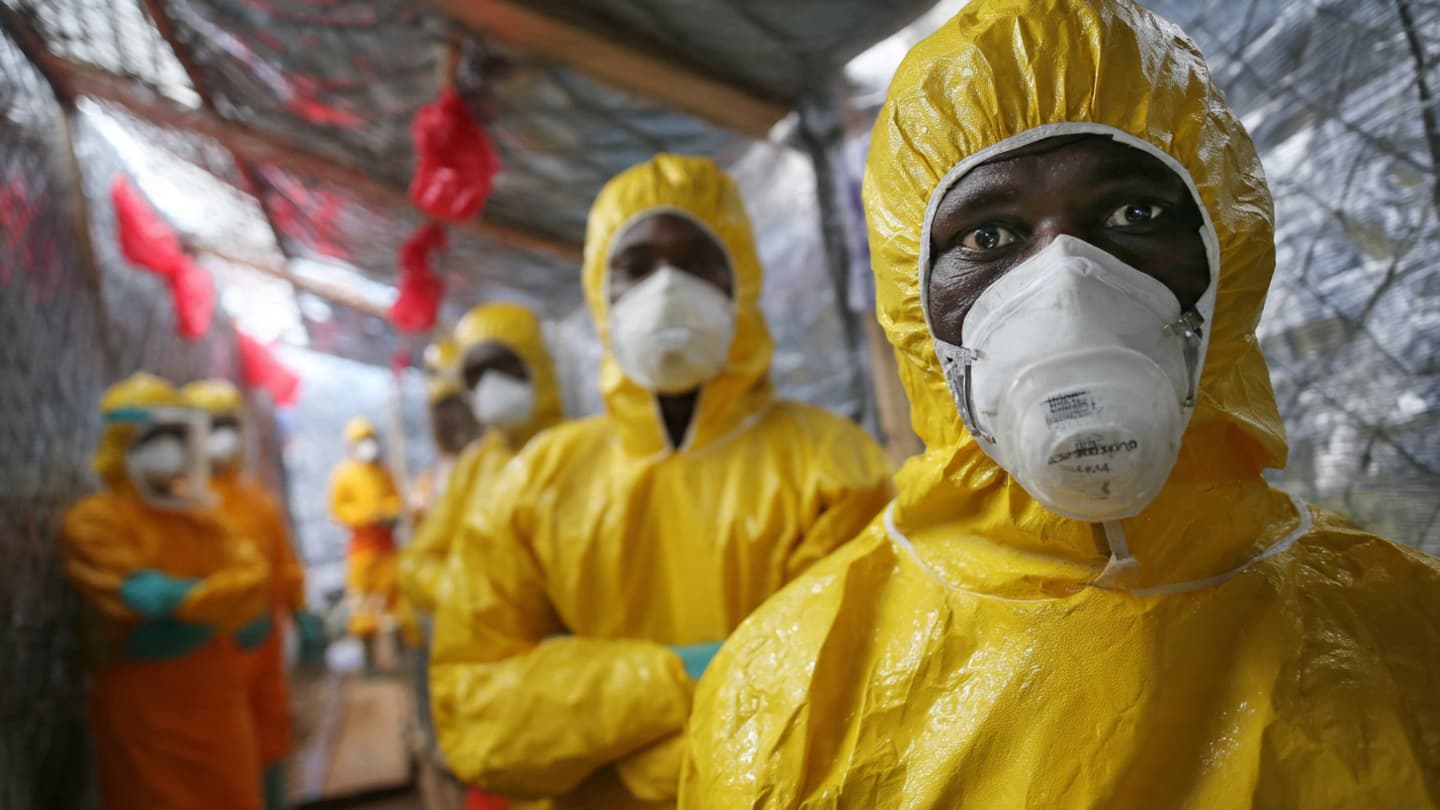
WHO has declared renewed Ebola outbreaks in Congo and Uganda a global health emergency as containment efforts intensify.
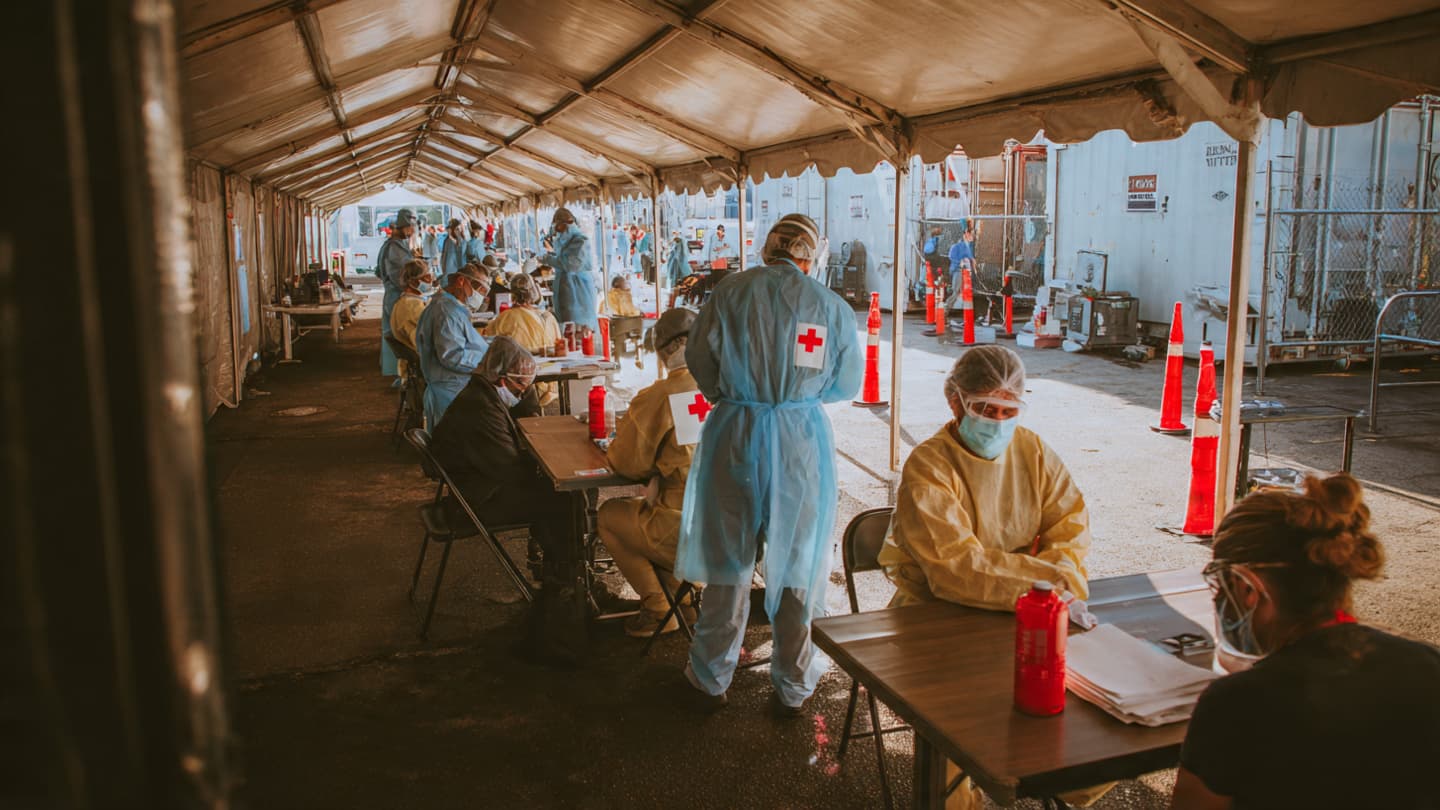
Sierra Leone strengthens border surveillance to prevent Ebola spread amid outbreaks in neighboring African countries.

Experts warn hantavirus and Ebola risks may be rising due to environmental and ecological changes affecting human exposure patterns.

French and American passengers tested positive for hantavirus after a cruise ship docked in the Canary Islands.

Hospitals face growing criticism over rising healthcare costs amid broader debates about the U.S. medical system.
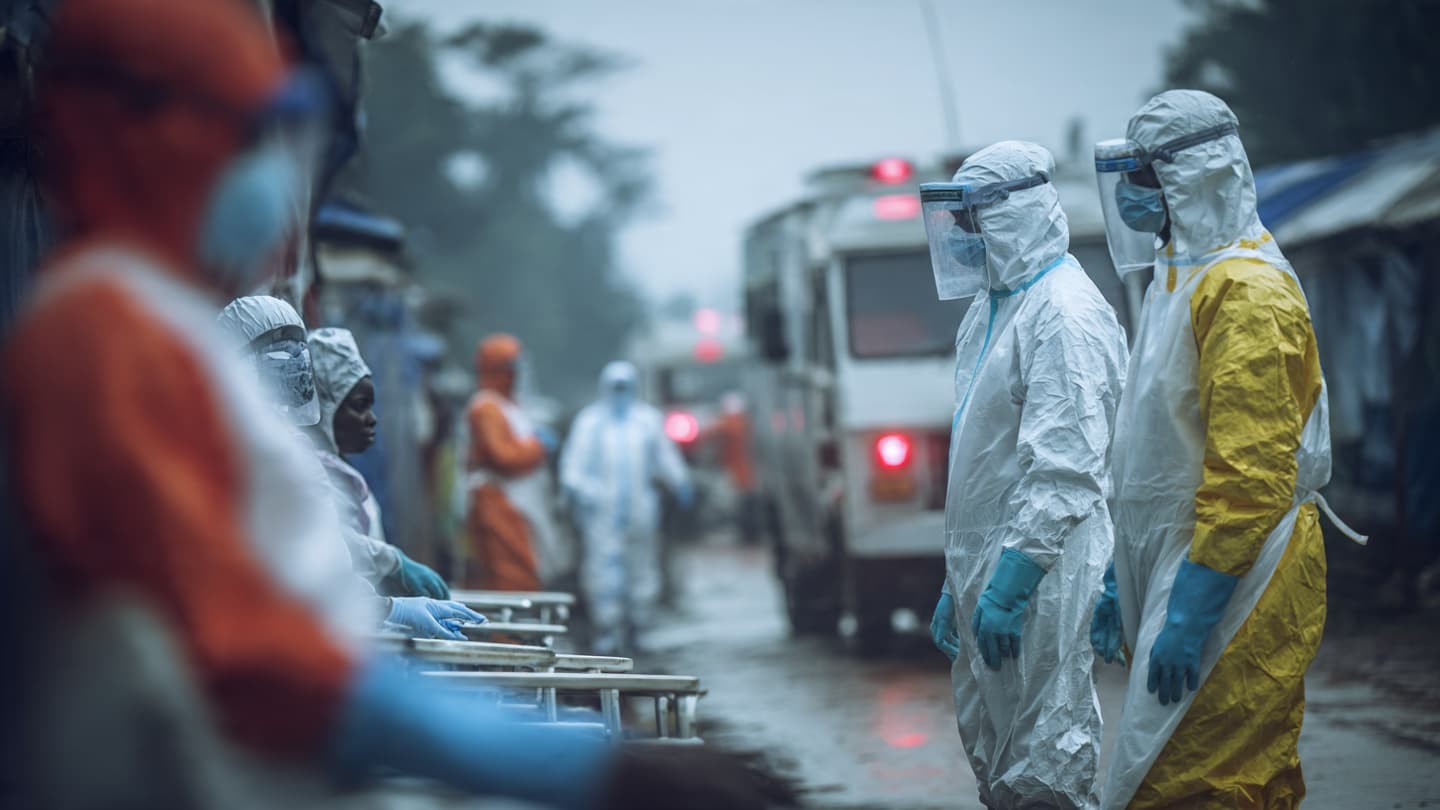
The WHO declared the latest Ebola outbreak a global health emergency to strengthen international response efforts.
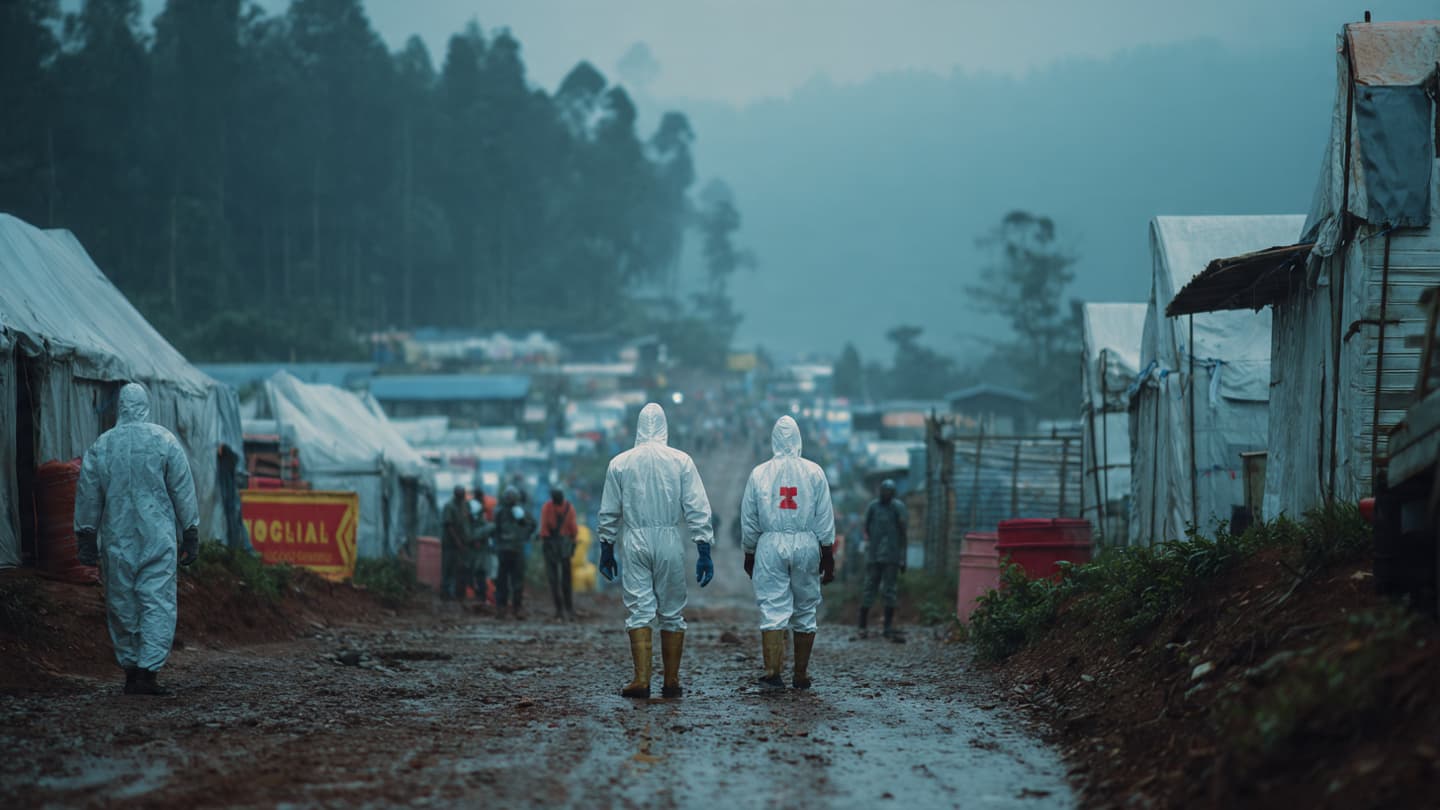
An Ebola outbreak in the Democratic Republic of Congo has reportedly killed 87 people as health agencies expand containment efforts.

Families are raising concerns after new deaths linked to a chemical previously associated with Kenneth Law investigations.

🚨 Dodgers rocked again: Blake Snell reportedly set for elbow surgery after another injury setback, leaving LA’s rotation in serious danger.

A viral story claims a French teen believed she lived seven years in an alternate universe, sparking debate about consciousness and memory.

Jamie Dimon said AI could eventually help cure cancer, fueling optimism about artificial intelligence transforming healthcare research.

British Columbia health officials confirmed that one individual has tested "presumptive positive" for hantavirus after returning from a cruise plagued by an outbreak. The patient is currently isolating in a hospital in Victoria and is reported to have mild symptoms.
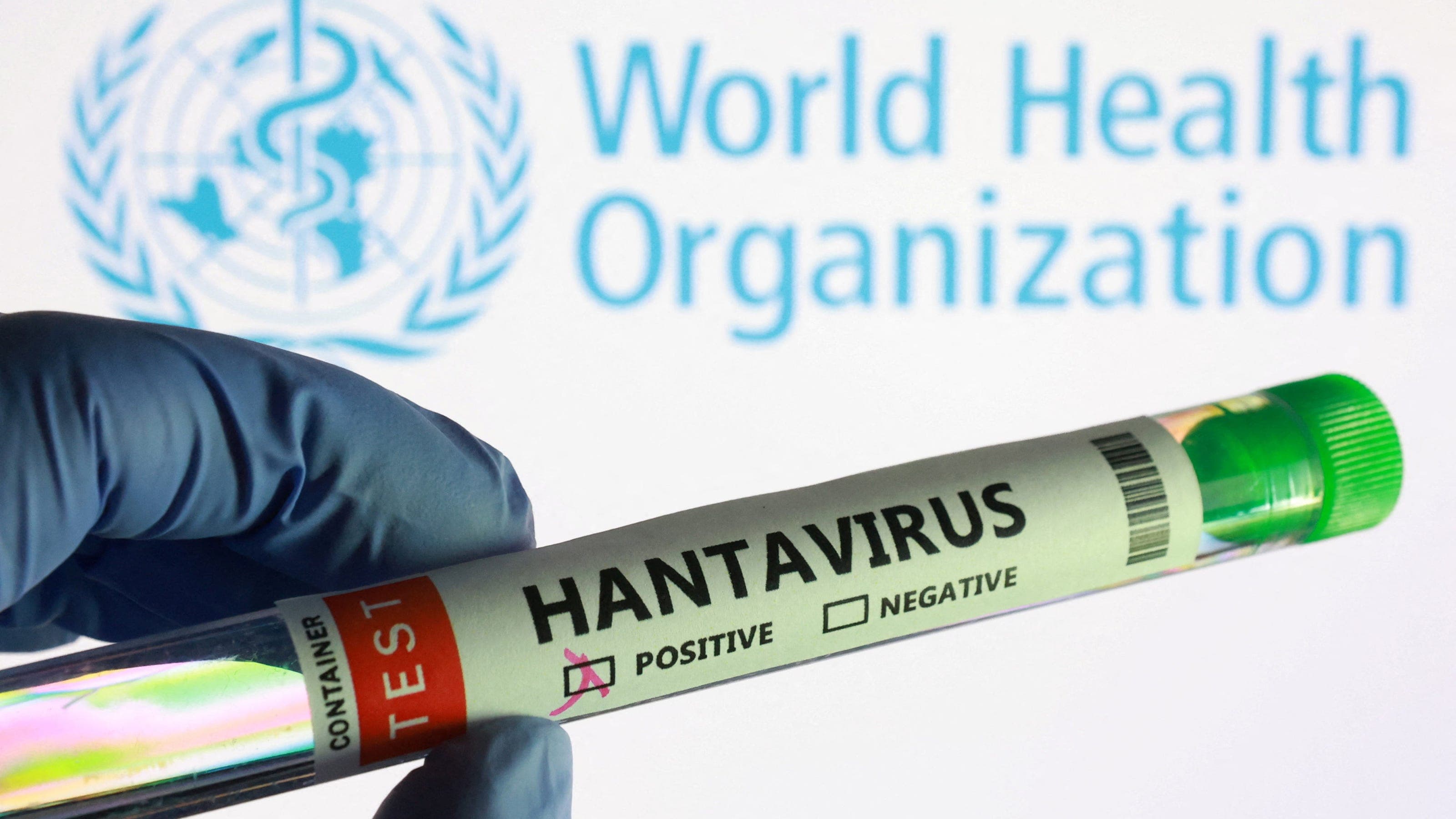
As of May 2026, Canada has documented its first confirmed case of hantavirus. A patient is currently in isolation in British Columbia, and health officials are closely monitoring the situation. Passengers linked to the case include several individuals who are self-isolating as a precaution, although no symptoms have been reported as of now.

Reports that the FDA blocked publication of vaccine safety studies have sparked debate about transparency and public trust.

South African authorities confirmed rare human-to-human transmission involving the Andes hantavirus strain aboard a cruise ship.

Public reactions to hantavirus reflect lingering memories of COVID-19, though experts stress the diseases differ significantly in transmission risks.

An inquest hears paramedic testimony describing shock during Clare Nowland Taser incident, raising questions on police response protocols.

France has decided to move parts of its national health data infrastructure from Microsoft services to local cloud provider Scaleway, reflecting growing concerns over digital sovereignty
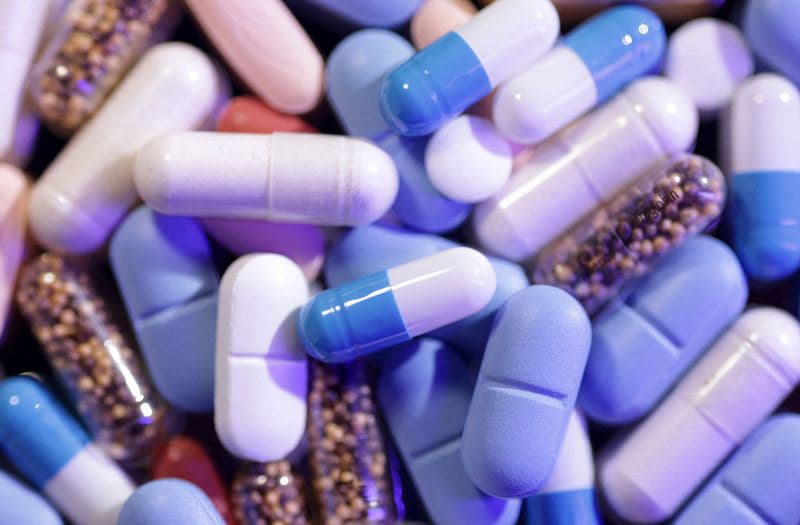
The United States announced it would impose visa restrictions on 13 individuals connected to the Indian online pharmacy KS International Traders for their role in selling counterfeit prescription pills laced with fentanyl, which have contributed to a growing opioid crisis in the U.S.

French authorities temporarily stopped cruise passengers from leaving a ship after dozens reportedly became sick during the voyage.
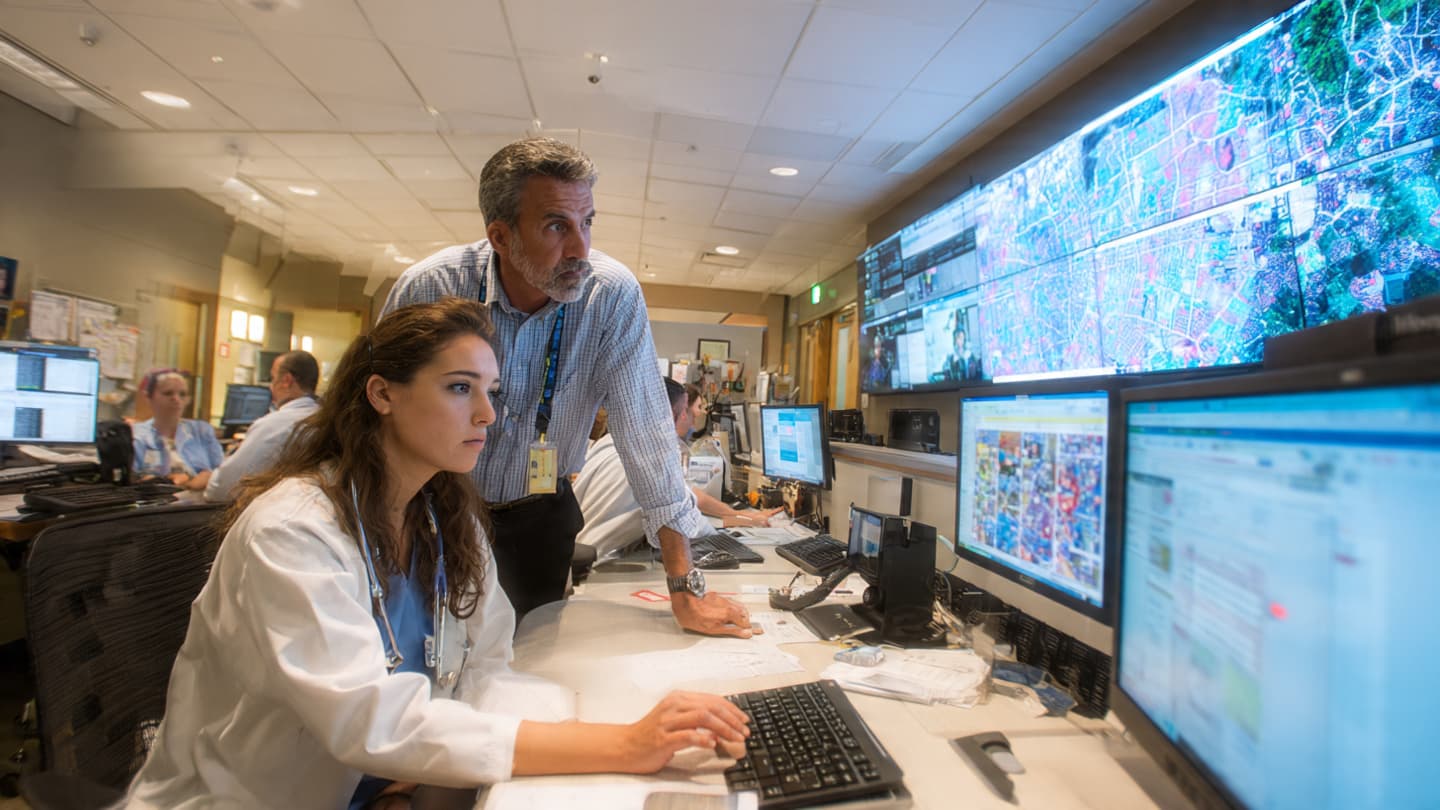
Minnesota health officials are monitoring a person potentially exposed to hantavirus while assessing possible health risks.