Across the borders of West and Central Africa, movement continues like the steady rhythm of daily life, yet beneath that rhythm lies an awareness shaped by history. Memories of past Ebola outbreaks remain present in public health planning, guiding how nations respond when new cases emerge in neighboring regions.
Sierra Leone’s decision to enhance border surveillance reflects a broader regional approach to epidemic preparedness, particularly following reported Ebola outbreaks in parts of the Democratic Republic of Congo and Uganda. Such measures are often implemented to strengthen early detection and response capacity.
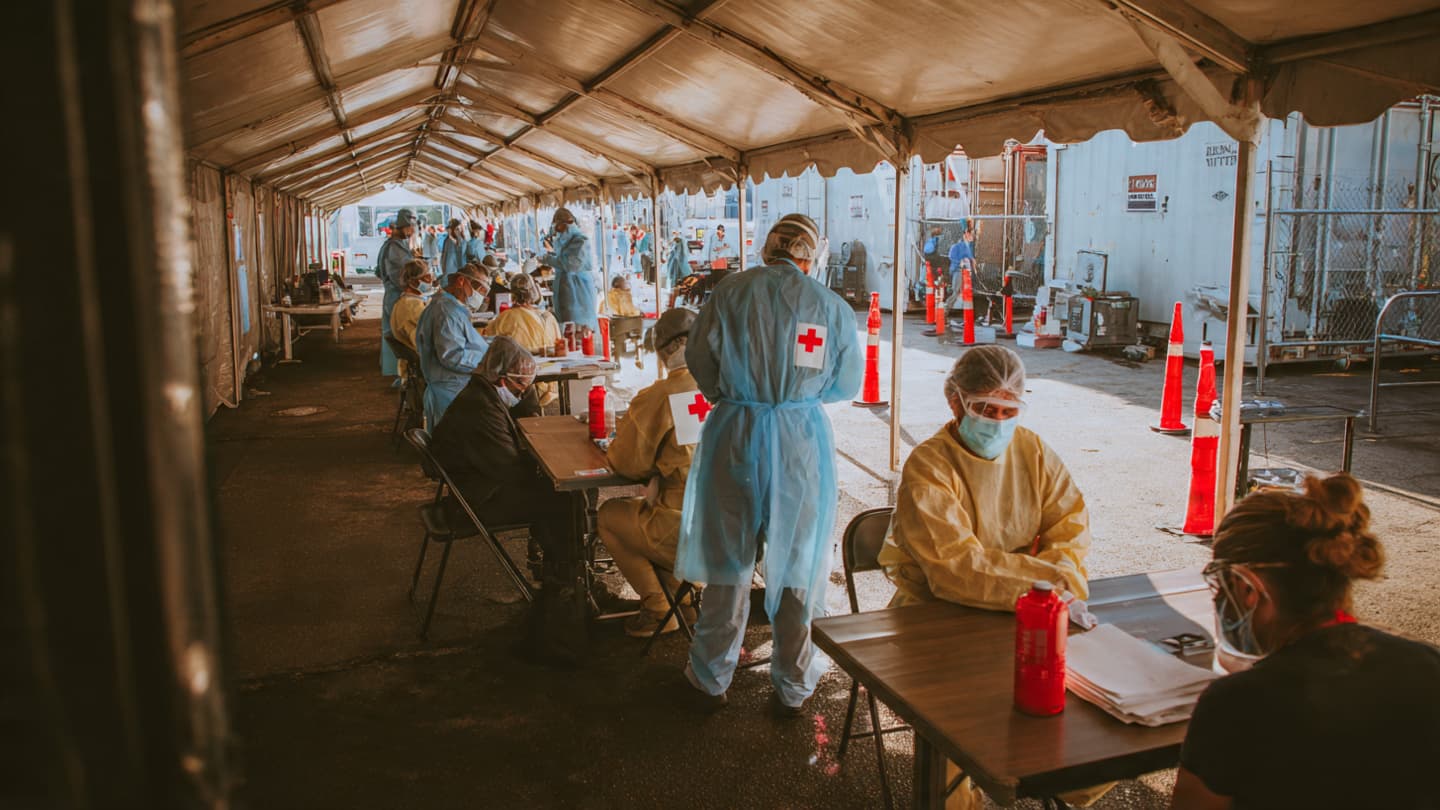
Health authorities, in coordination with organizations such as the World Health Organization and Africa CDC, emphasize that border monitoring plays a critical role in identifying potential cases before they spread across regions. Screening systems typically include temperature checks, health declarations, and rapid referral protocols.
The experience of past Ebola outbreaks in West Africa has shaped current strategies, encouraging governments to invest in surveillance infrastructure and community-level awareness programs. These systems are designed to detect symptoms early and ensure timely medical intervention.
International partners, including UNICEF and other humanitarian organizations, often support training and resource distribution to strengthen frontline health systems. This includes laboratory capacity, contact tracing tools, and protective equipment for health workers.
While border measures are not a standalone solution, they are part of a layered response system that includes vaccination campaigns, public communication, and cross-border information sharing. These elements work together to reduce the risk of uncontrolled transmission.
Experts consistently highlight that preparedness is most effective when it is coordinated across nations, especially in regions where population movement is frequent and health systems vary in capacity.
Sierra Leone’s enhanced surveillance reflects a cautious and structured response aimed at early detection, reinforcing regional efforts to manage infectious disease risks through cooperation and vigilance.
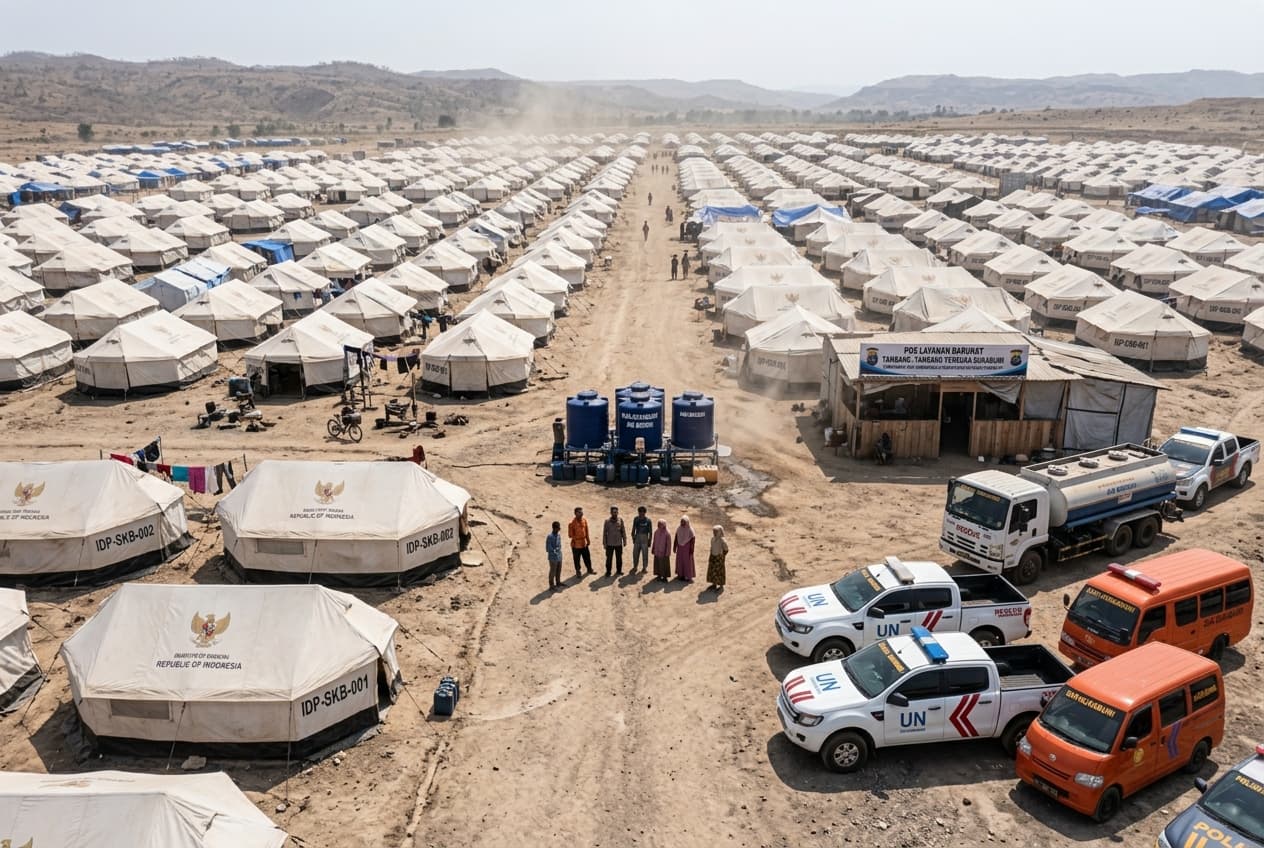
AI Image Disclaimer: Some images used in relation to this article may be AI-generated for illustrative editorial use.
Source Verification Check: World Health Organization (WHO), Africa CDC, Reuters, UNICEF, CDC
Published by Banx Network. This article is part of the Banx decentralized media programme, powered by the BXE token on the XRP Ledger.