
HEALTH84% credibility
The Foods People Choose May Quietly Shape Brain Health Over Time
The Alzheimer’s Association says balanced nutrition may support long-term brain health alongside other healthy lifestyle habits.
2 min read

The Alzheimer’s Association says balanced nutrition may support long-term brain health alongside other healthy lifestyle habits.

France is monitoring a hantavirus outbreak after eleven confirmed cases and one critically ill patient raised public health concerns.
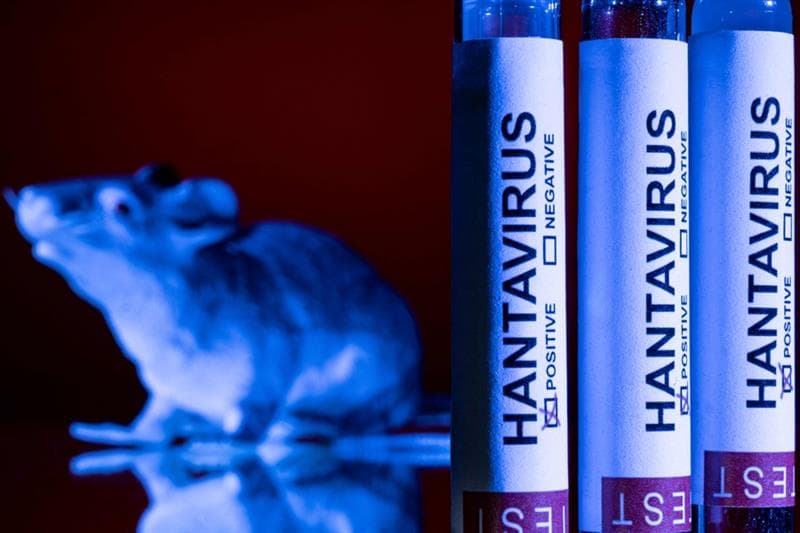
The European Union's health agency ECDC stated on May 13, 2026, that there is no evidence suggesting that the Andes strain of hantavirus has mutated amidst an ongoing outbreak linked to a cruise ship, which led to several cases and fatalities.
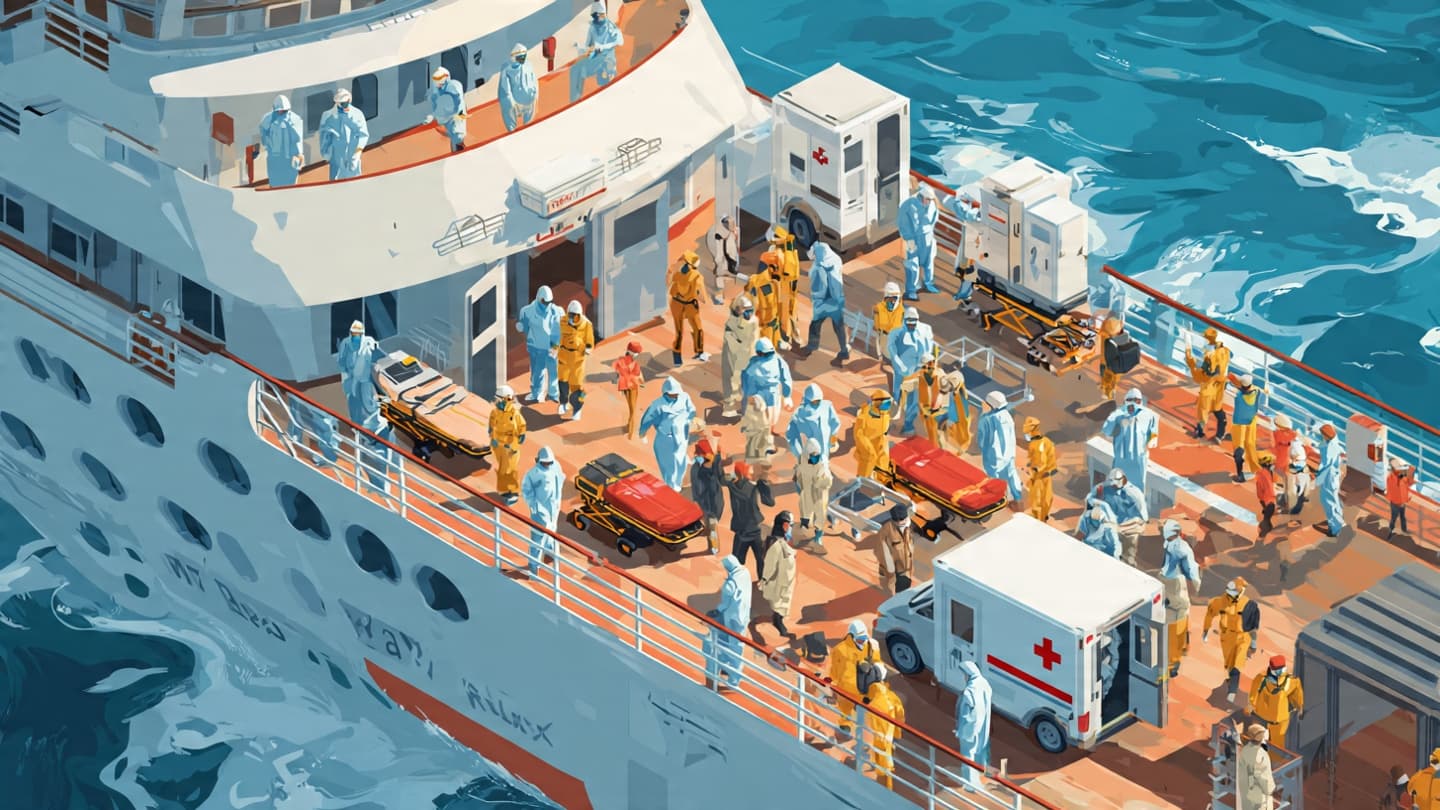
Authorities continue monitoring a suspected Andes virus outbreak aboard a cruise ship as isolation measures and medical investigations remain underway.

Twenty-two people linked to a hantavirus-related isolation event are expected to leave hospital care as health authorities continue monitoring the outbreak

North American health authorities are monitoring a hantavirus outbreak linked to an international cruise ship.
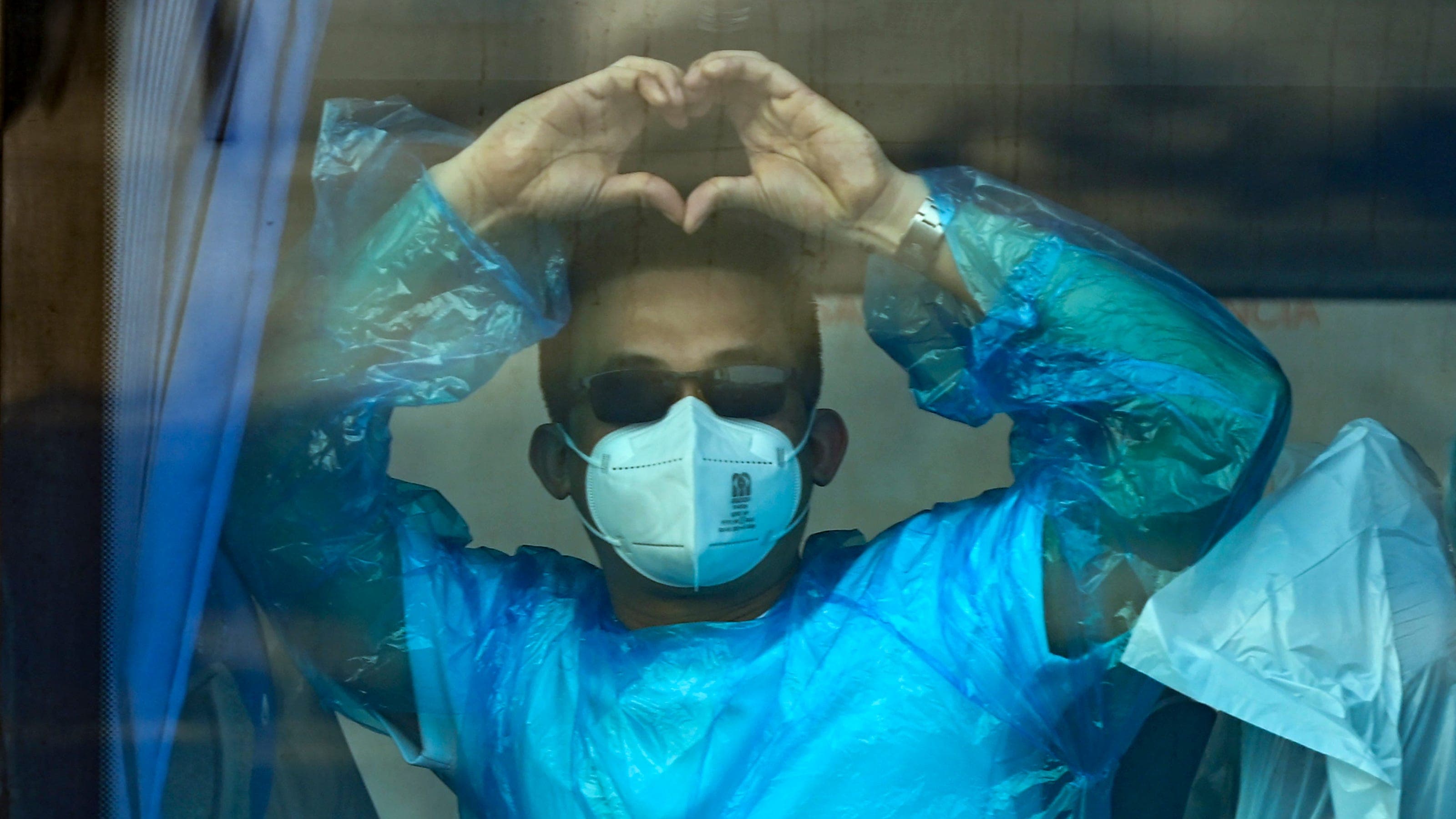
The World Health Organization (WHO) has warned of a potential increase in hantavirus cases linked to a recent outbreak aboard a cruise ship, emphasizing the need for heightened vigilance and rapid response measures.

A Dutch hospital has placed 12 staff members under quarantine after they handled samples from a hantavirus patient without following strict protocols. This comes amid an outbreak linked to the luxury cruise ship MV Hondius, which has raised international health concerns.
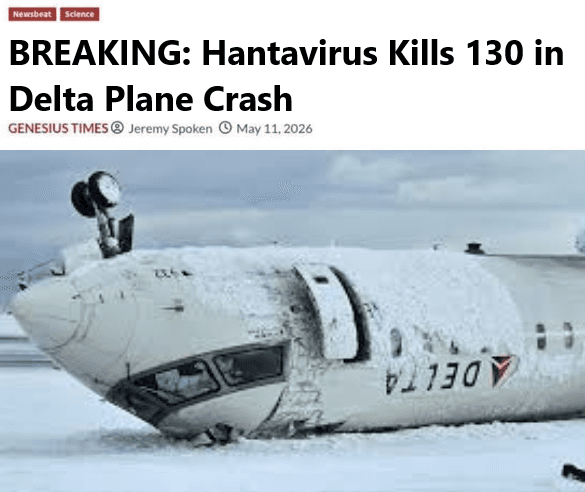
A viral “Hantavirus plane crash” headline highlights the growing danger of online misinformation, where fear-driven content spreads faster than facts.

Concerns are growing in Canada over delays affecting the CorCare healthcare platform rollout and system modernization efforts.

A New Zealand campaign highlights the emotional and practical support needed for families of critically ill babies in the South Island.
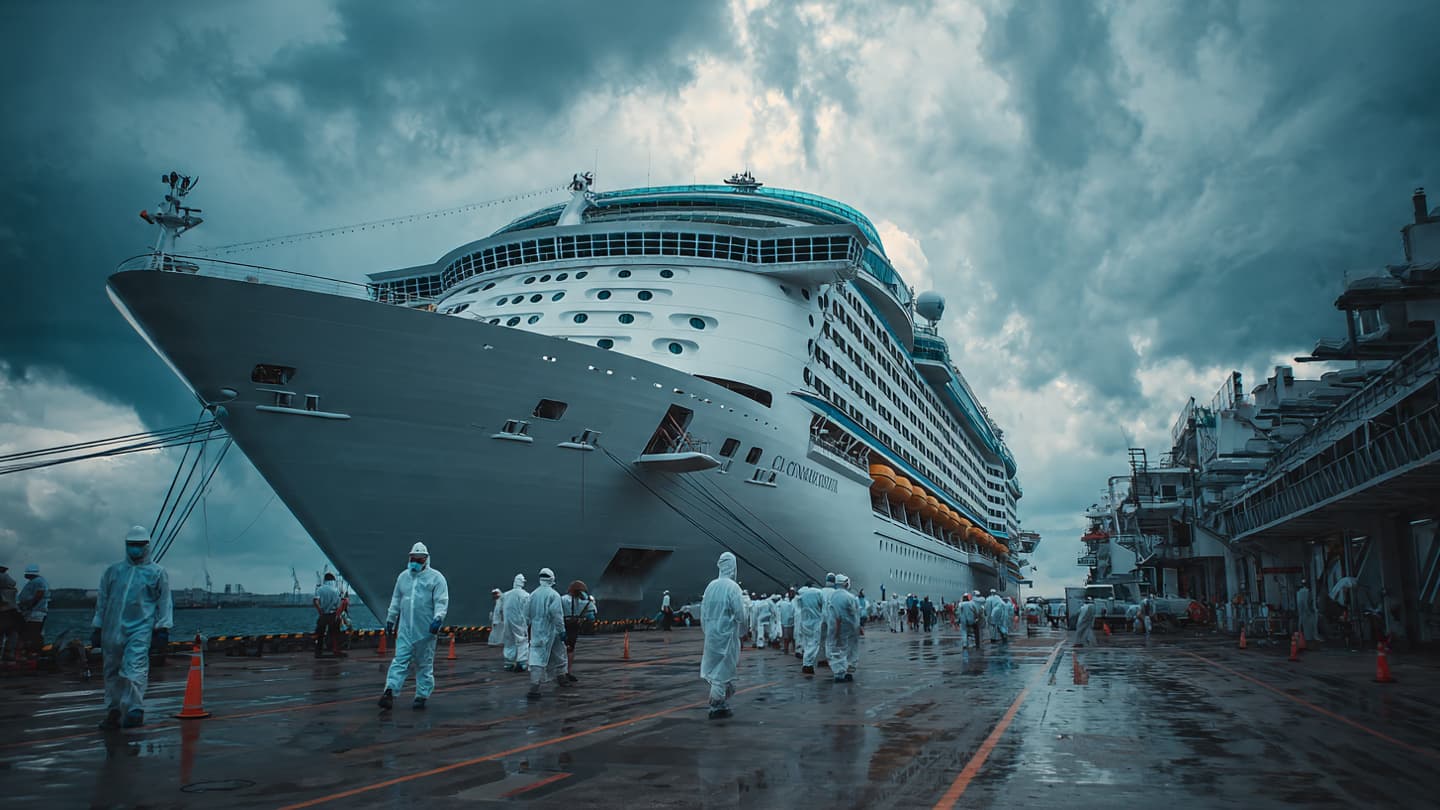
Eighteen passengers were flown back to the United States following concerns tied to a hantavirus outbreak aboard a ship, prompting coordinated public health measures.
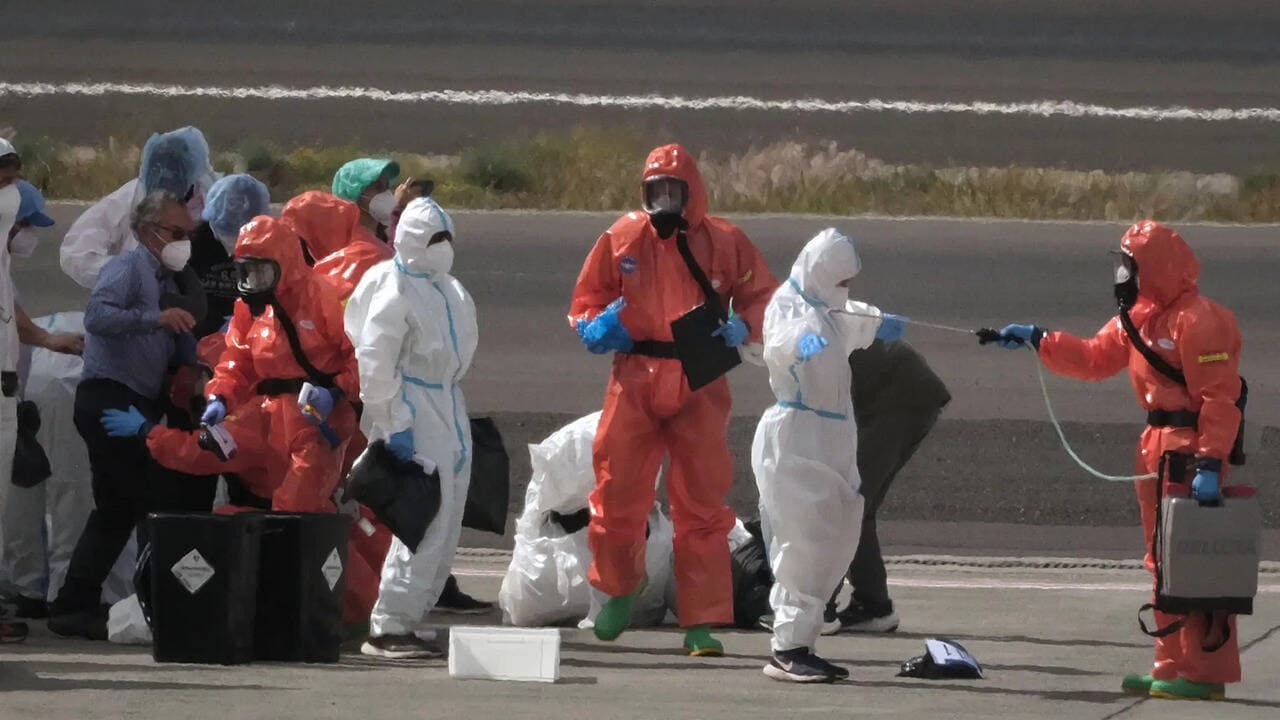
In a recent health scare, passengers from a cruise ship have been transferred to specialized medical facilities after suspected exposure to hantavirus. Two individuals are currently receiving treatment, raising concerns about outbreaks and safety protocols.

Medical ethicists are urging healthcare systems to move beyond the “clinician in the loop” AI model and establish clearer accountability for patient safety.
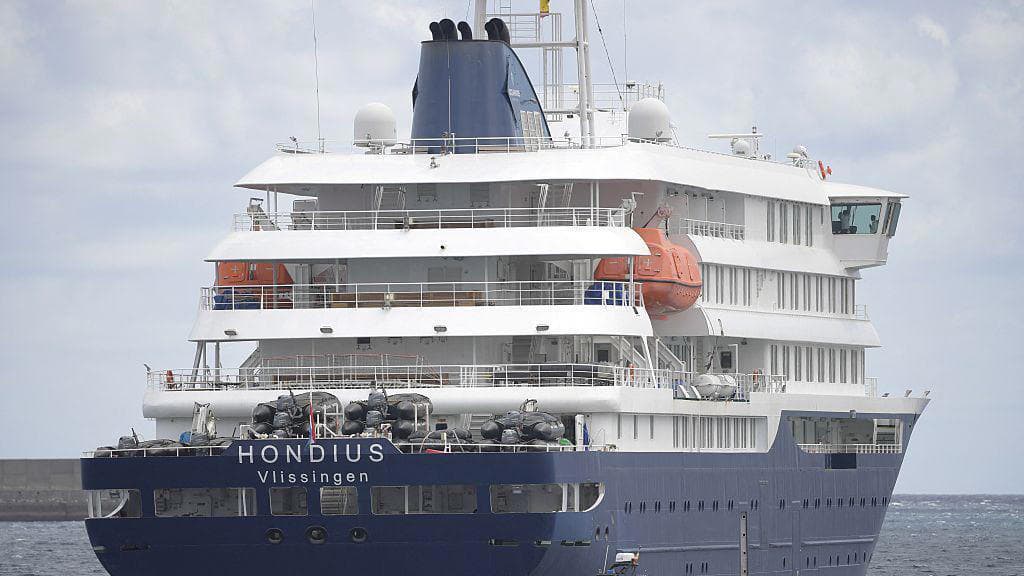
Eighteen passengers from the MV Hondius, which recently experienced a hantavirus outbreak, have been quarantined upon their return to the United States. Sixteen individuals were taken to a specialized facility in Nebraska, while two were sent to a facility in Georgia. One passenger has reportedly tested "mildly" positive for hantavirus, and another is showing symptoms that may require further examination.
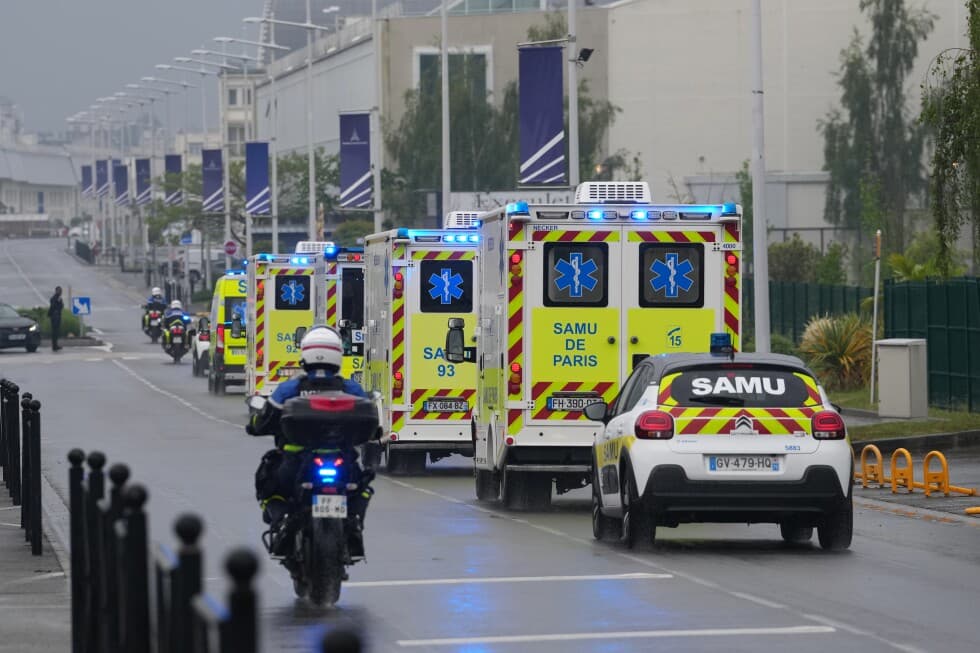
Authorities have confirmed that a French woman and an American national evacuated from the MV Hondius cruise ship have tested positive for hantavirus. This brings the total number of confirmed cases linked to the outbreak to seven.

False alarm online: No health authority declared hantavirus “most infectious” during first symptoms. Here’s what experts actually say.

Studies suggest some constipation medications may have indirect protective effects on kidney function, pending further research.
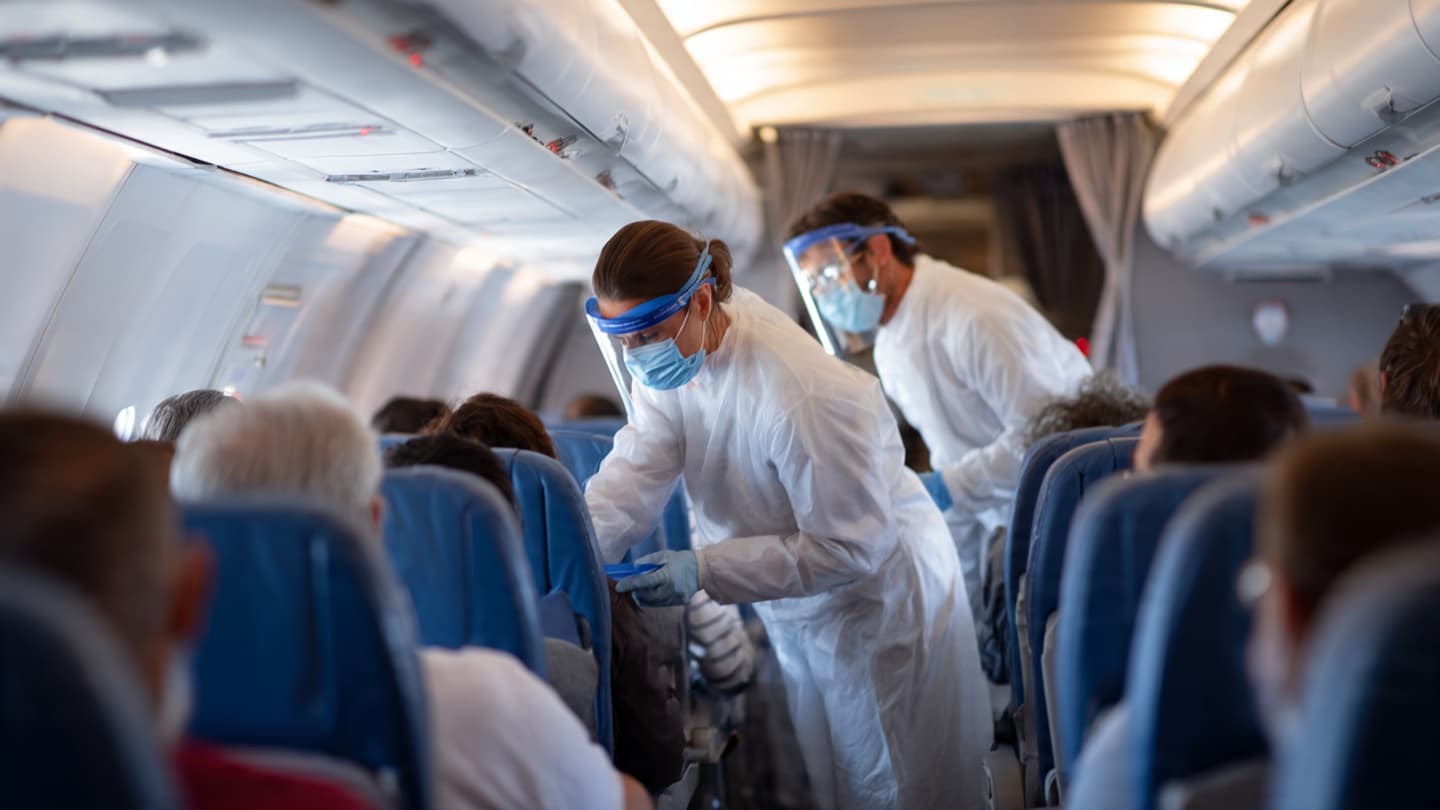
French officials said a cruise ship passenger linked to hantavirus concerns developed symptoms during an evacuation flight.

A major review finds AI improving diagnostic accuracy and hospital efficiency while raising important ethical and operational considerations.

Canada and Australia collaborate on AI safety frameworks to ensure responsible development and governance of advanced artificial intelligence systems.
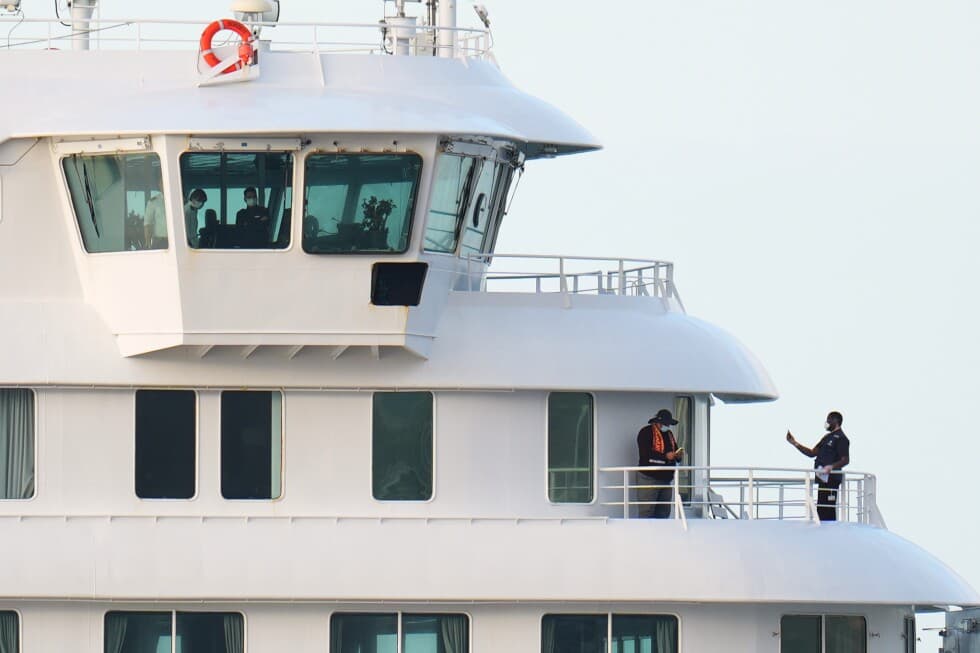
A French national aboard a cruise ship linked to a hantavirus outbreak has exhibited symptoms during an emergency airlift. This alarming development raises concerns about the potential spread of the virus and the health implications for passengers and crew.

The U.S. Department of Health and Human Services reports that among 17 Americans being repatriated from the MV Hondius cruise ship, one has tested mildly positive for hantavirus, while another displays mild symptoms. Health authorities have stated that the risk of virus transmission remains low.
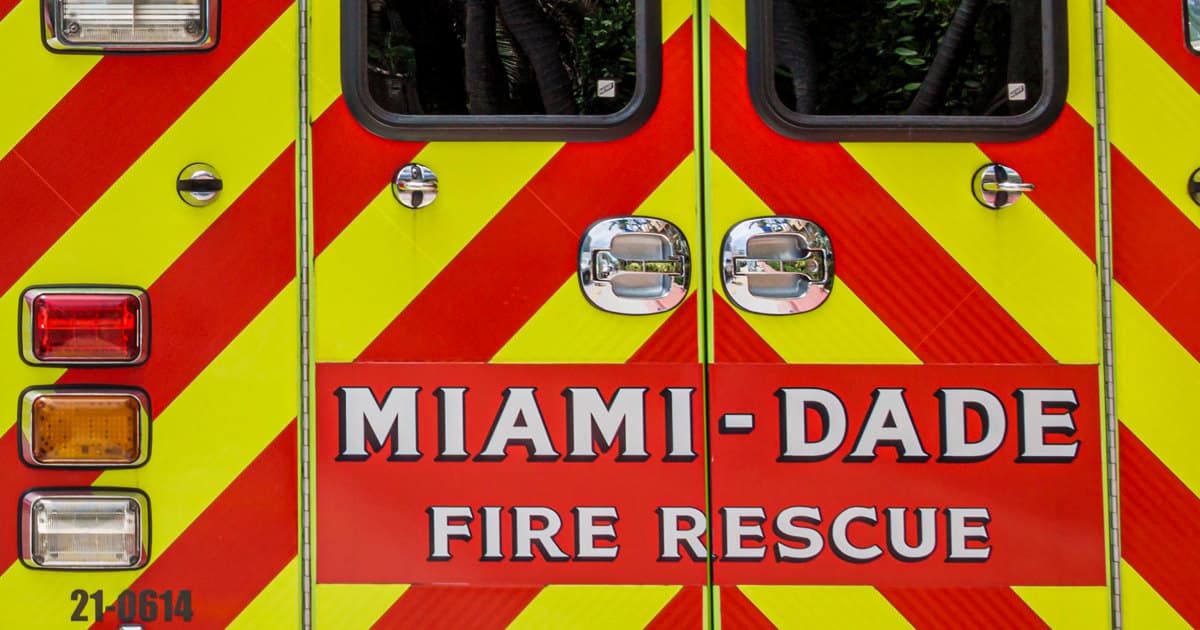
Authorities report that eleven individuals have been hospitalized following a possible boat explosion near Miami Beach, raising concerns about safety on the waterways.