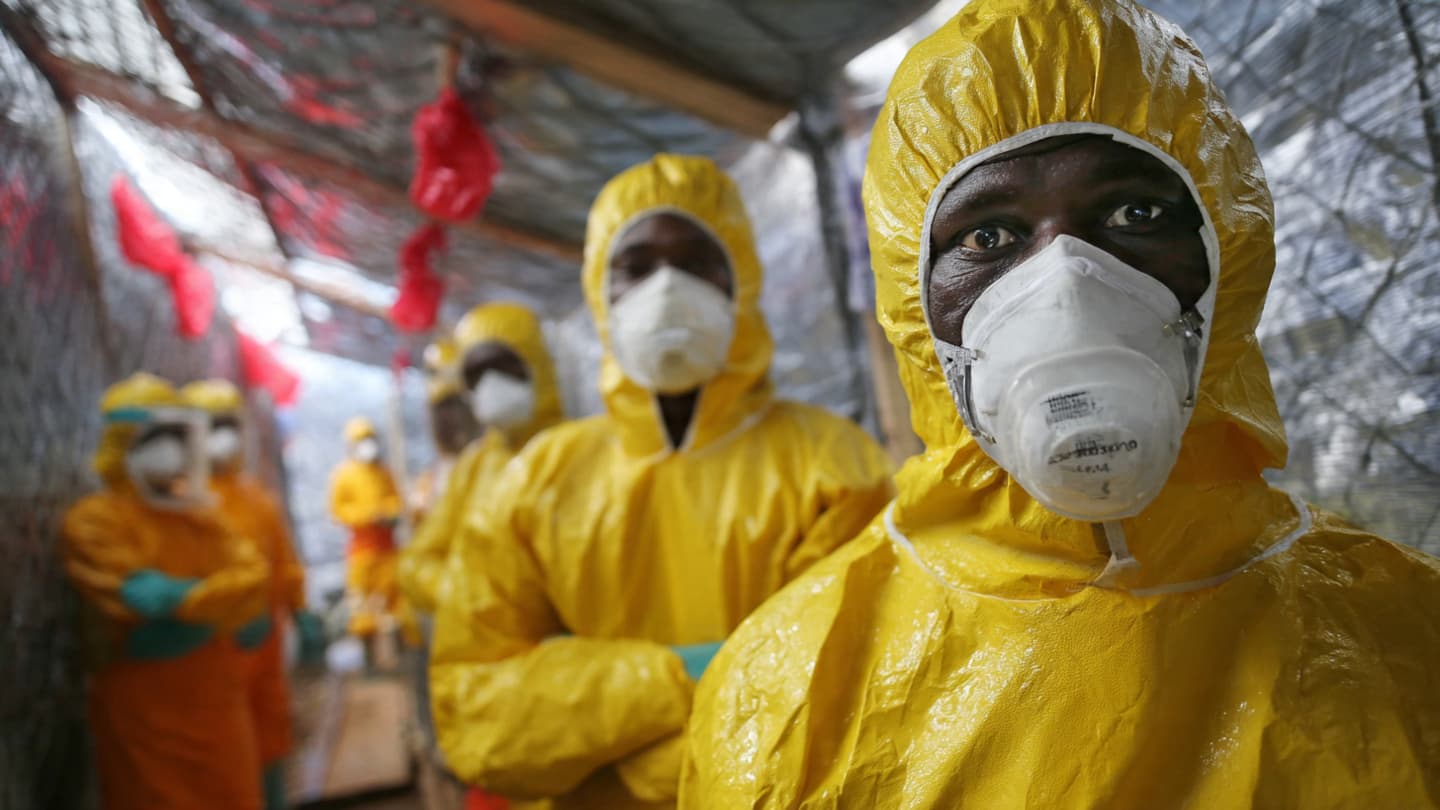
In many parts of Central Africa, healthcare workers have long carried responsibilities heavier than the resources available to them. Clinics built to serve remote communities often become the first line of defense against diseases that move silently through villages, borders, and crowded transportation routes. This week, the World Health Organization renewed global concern after declaring Ebola outbreaks in Congo and Uganda a public health emergency.
The announcement followed rising confirmed cases and increased monitoring activity in affected regions. Health officials reported that coordinated international efforts are now being intensified to contain transmission, improve testing capacity, and expand emergency medical support in vulnerable communities.
Ebola remains one of the world’s most dangerous infectious diseases, known for causing severe fever, internal bleeding, and high fatality rates in some outbreaks. Although medical advancements have improved response capabilities over recent years, health experts continue emphasizing that rapid containment remains essential to preventing wider spread.
Uganda and the Democratic Republic of Congo have both experienced Ebola outbreaks before, giving regional healthcare systems valuable experience in emergency response. However, repeated outbreaks also place significant strain on medical workers, laboratories, and public health infrastructure that often operate under limited funding conditions.
The WHO stated that cross-border coordination has become a major priority due to regional population movement and trade activity. Health officials are working with neighboring countries to strengthen screening procedures at transportation hubs while increasing public awareness campaigns about symptoms and prevention measures.
International aid organizations have also mobilized additional resources, including protective equipment, laboratory support, and vaccination programs. Medical teams in several affected areas continue conducting contact tracing operations aimed at identifying individuals who may have been exposed to confirmed cases.
Public trust remains another critical factor in outbreak management. During previous Ebola emergencies, misinformation and fear occasionally complicated containment efforts. Health experts therefore stress the importance of clear communication between authorities and local communities to encourage cooperation without causing panic.
The declaration additionally serves as a reminder of broader global health vulnerabilities exposed in recent years. Experts note that infectious diseases emerging in one region can rapidly become international concerns if monitoring systems and healthcare responses fail to act quickly enough.
As emergency operations expand across Central Africa, global health agencies continue urging international solidarity and sustained funding support. While officials emphasize that the situation remains manageable with coordinated action, they also warn that early response efforts will play a decisive role in limiting further transmission.
AI Image Disclaimer: Several supporting visuals in this report were produced using AI-generated imagery to illustrate healthcare and humanitarian settings.
Sources: World Health Organization, Reuters, BBC News, Associated Press, CNN
Published by Banx Network. This article is part of the Banx decentralized media programme, powered by the BXE token on the XRP Ledger.