In kitchens across Canada, fresh vegetables often represent simplicity, health, and routine comfort. Small ingredients placed carefully into salads and sandwiches rarely attract public attention. Yet even the most ordinary foods can unexpectedly become part of larger conversations about public safety and consumer trust.
Health authorities in Ontario and Quebec recently announced the recall of certain microgreens products following concerns over possible E. coli contamination. Officials urged consumers to avoid affected products while investigations continue into the source of the contamination.
E. coli is a bacterium that can cause serious illness in some cases, particularly among children, older adults, and individuals with weakened immune systems. Symptoms may include stomach cramps, diarrhea, vomiting, and fever. Public health agencies say early detection and rapid recalls are critical to reducing health risks.
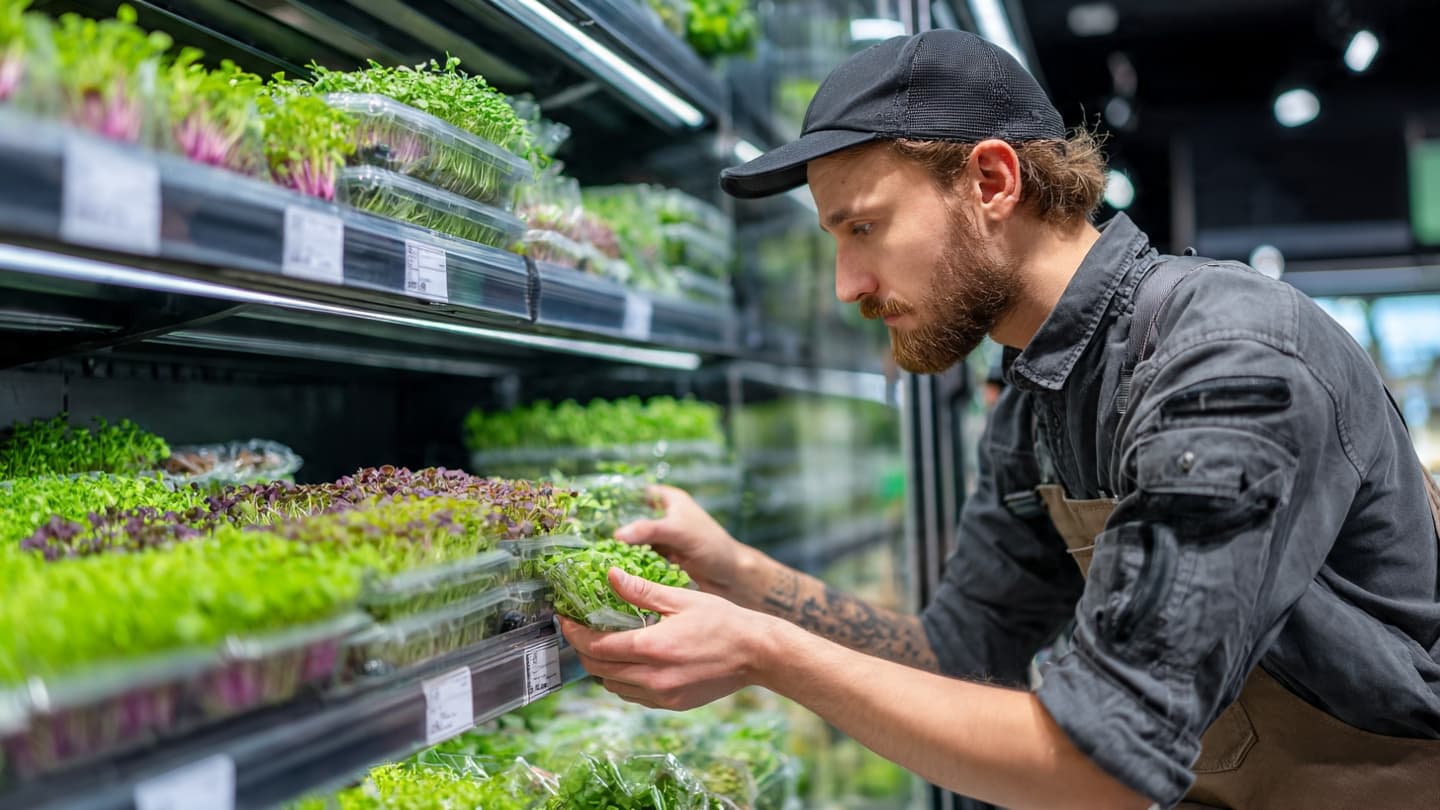
Microgreens, often praised for their nutritional value, are commonly used in salads, sandwiches, and restaurant dishes. Because they are typically consumed raw, food safety experts note that contamination risks require especially careful monitoring during growing, harvesting, and packaging processes.
Canadian food inspection officials said the recall was issued as a precautionary measure while laboratory testing and supply chain tracing continue. Retailers have been instructed to remove affected products from store shelves, and consumers are advised to check official recall notices carefully.
Food safety specialists explain that contamination can occur through multiple pathways, including water sources, handling procedures, or agricultural conditions. Investigators are currently examining whether the issue originated during cultivation, transportation, or packaging stages within the supply chain.
The incident has also renewed public discussion regarding food production transparency and regulatory oversight. In recent years, health authorities worldwide have strengthened monitoring systems designed to identify contamination earlier and respond more quickly to potential outbreaks.
Restaurants and grocery suppliers across the affected provinces have responded by reviewing inventory and safety procedures. Officials emphasized that recalls are standard protective measures intended to minimize risk rather than create unnecessary alarm among consumers.
As investigations continue, health authorities are encouraging the public to remain informed through official updates while practicing safe food handling habits at home. For many Canadians, the recall serves as another reminder that food safety often depends on vigilance extending far beyond the dining table itself.
AI Image Disclaimer: Certain accompanying visuals were created using AI-generated illustrations for editorial and educational purposes.
Sources Verified: Health Canada, CBC News, Reuters, Canadian Food Inspection Agency, Global News
Published by Banx Network. This article is part of the Banx decentralized media programme, powered by the BXE token on the XRP Ledger.