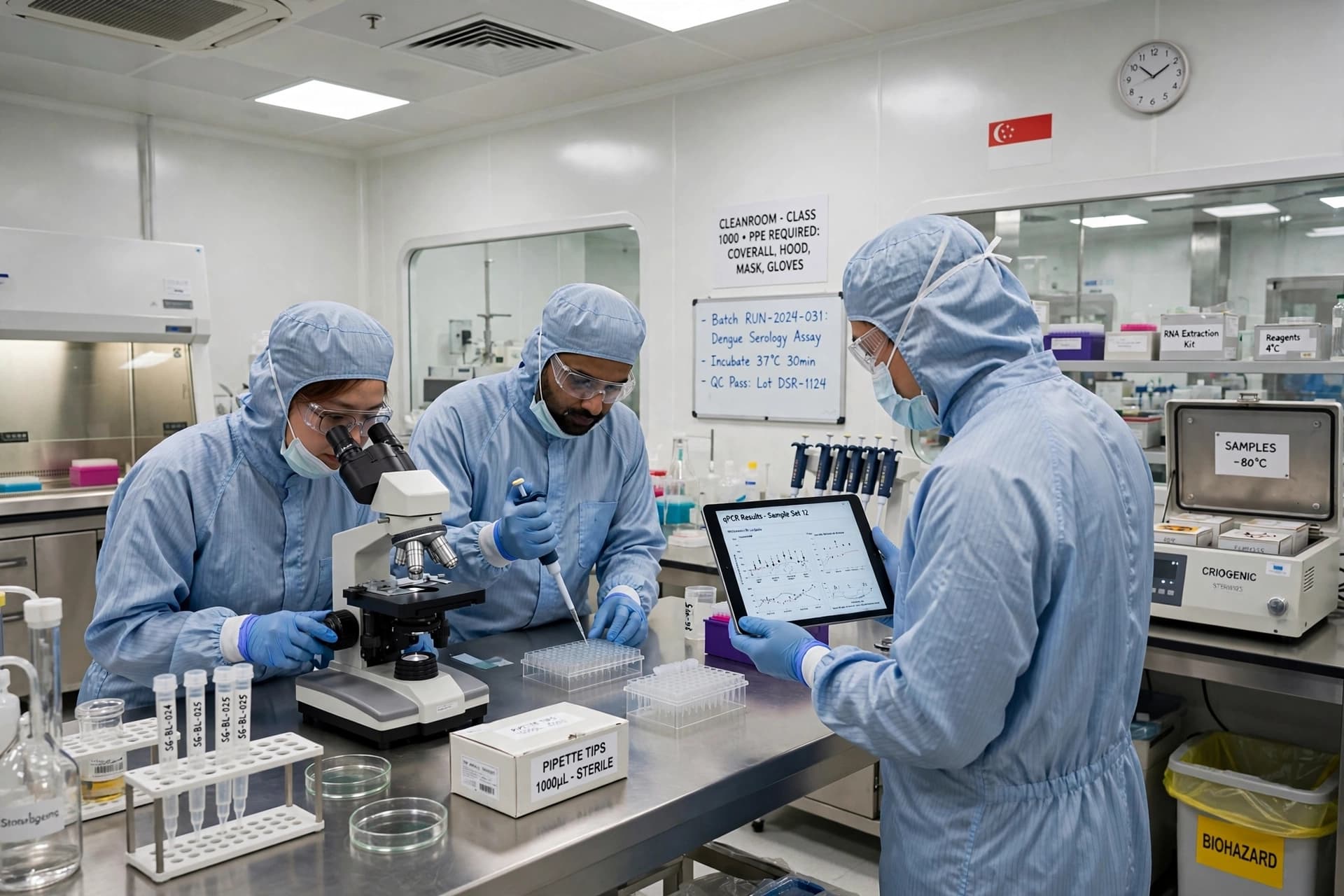
Jamie Dimon has sparked major discussion after stating that artificial intelligence could eventually help “cure cancer,” highlighting growing optimism surrounding AI’s potential impact on healthcare and scientific research. The comments quickly spread across financial and technology communities, with supporters pointing to rapid advancements in machine learning, biotechnology, and medical data analysis. AI systems are already being used to assist researchers in identifying disease patterns, accelerating drug discovery, improving diagnostics, and personalizing treatment plans for patients. Experts believe artificial intelligence could dramatically reduce the time required to analyze massive medical datasets that would take humans years to process manually. Companies and research institutions worldwide are investing billions into AI-driven healthcare solutions aimed at improving survival rates and discovering new therapies for complex diseases. The statement also reflects broader enthusiasm among global business leaders who increasingly view artificial intelligence as one of the most transformative technologies in modern history. Beyond finance and automation, AI is rapidly expanding into medicine, education, cybersecurity, robotics, and scientific development. However, medical experts caution that while AI has enormous potential, curing diseases such as cancer remains an extremely complex scientific challenge requiring years of clinical testing, regulation, and real-world validation. The discussion comes as governments and technology firms continue racing to develop advanced AI systems while debating regulation, ethics, and long-term societal impacts.
Published by Banx Network. This article is part of the Banx decentralized media programme, powered by the BXE token on the XRP Ledger.