
HEALTH50% credibility
The New Clock of Science: Months, Not Decades
AI in drug discovery makes time the variable that breaks first — compressing search cycles from years to months, shifting the psychology and economics of scientific risk.
5 min read

AI in drug discovery makes time the variable that breaks first — compressing search cycles from years to months, shifting the psychology and economics of scientific risk.

The Maldives moves to ban cigarette sales for future generations, choosing prevention over treatment to permanently cut tobacco addiction.

A recent study suggests that children born to mothers infected with COVID‑19 during pregnancy might face a higher risk of neurodevelopmental disorders including autism,

Hormonal contraceptives may slightly raise breast cancer risk in some users. The evidence is nuanced — not a verdict, but a signal that requires clarity, not panic.

Researchers show antibiotics and several other drug classes can significantly alter the gut microbiome. The data suggests medicine should weigh benefits alongside microbial impact.

More young women are shifting from birth control as default treatment toward DIY hormone wellness experiments — a cultural reaction to feeling unheard by clinical systems.

Seasonal depression can be clinical. Lower sunlight changes neurochemistry. Light therapy and structured habits can pull mood back up.

Obstructive sleep apnea may be more than fatigue and snoring; researchers now suspect it could contribute to microvascular brain injury.

Early research suggests a common sleep pill may reduce Alzheimer’s-linked protein accumulation, hinting that deeper nighttime sleep may influence neurodegeneration risk.

A woman experienced involuntary face twitching for two years and consulted eight doctors before a specialist found a blood vessel pressing on her facial nerve. After surgery, her spasms stopped — illustrating persistence in diagnosis and the treatability of Hemifacial Spasm.

A resurgence of bird‑flu outbreaks and export‑driven priorities in the poultry industry have combined to keep egg prices elevated and make containment elusive.

New research suggests that maternal COVID-19 infection during pregnancy may be linked to a slightly elevated risk of neurodevelopmental conditions in children, though causation is not established and the absolute risk remains low.

U.S. adult obesity has dropped to 37 % in 2025, coinciding with a surge in weight-loss drug use, though broader health gains remain contingent on access and habits.

Flu and COVID-19 infections significantly increase the risk of heart attack and stroke in the weeks and months following illness—highlighting the importance of prevention and heart-health vigilance.

A comprehensive review finds that gel and acrylic manicures are often linked with allergic reactions,

lu and COVID-19 infections significantly increase the risk of heart attack and stroke in the weeks and months following illness—highlighting the importance of prevention and heart-health vigilance.

Researchers discovered a hidden intermediate molecule, pre-methylenomycin C lactone, more than 100 times stronger than its precursor against MRSA and VRE,

Research finds that walking in longer continuous episodes (10–15 minutes) reduces cardiovascular risk more than simply increasing total steps.
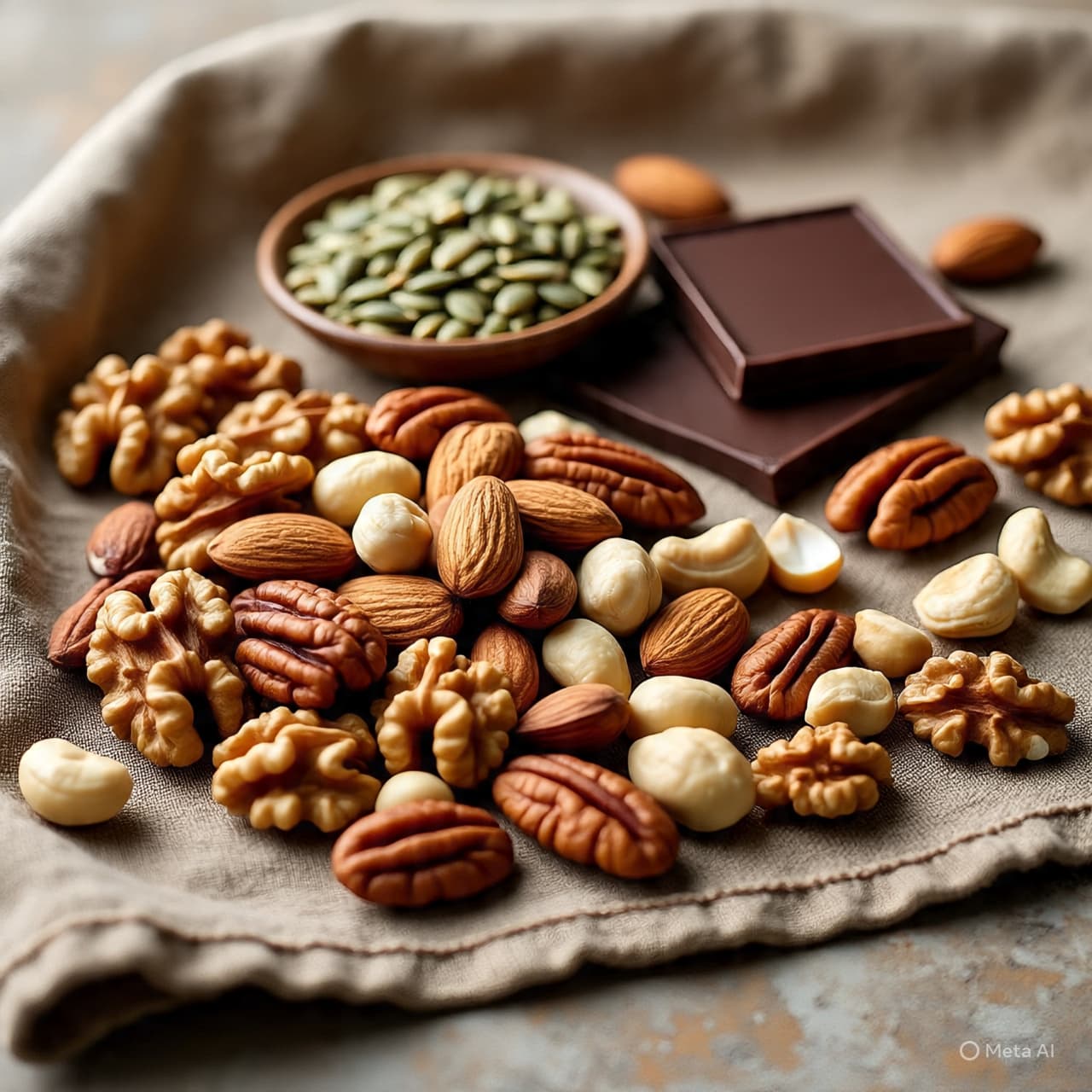
As the days shorten and shadows lengthen, mood dips can follow. These five nutrient-rich foods offer gentle support for seasonal emotional lows while still delighting the palate.

Weekly disclosures from OpenAI show over a million ChatGPT users present Urgent reflection on AI’s role in mental-health support.
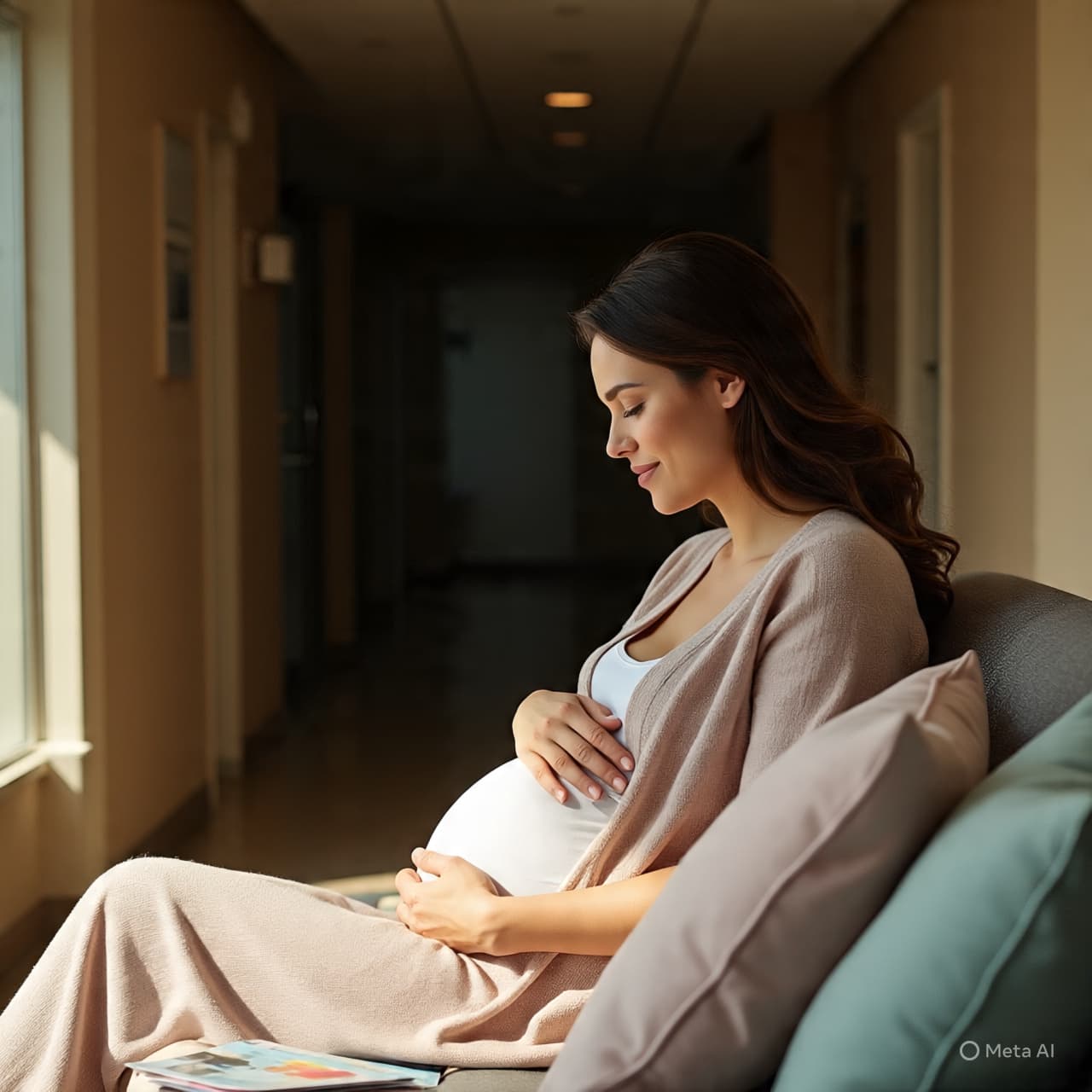
About one in 150 U.S. births ends in stillbirth, and nearly a third of these occur without any known warning signs — revealing gaps in prediction, prevention and equity in maternal-fetal care.

Young adults in America’s Corn Belt are experiencing rising cancer rates above the national average, likely due to a blend of agricultural exposures, rural-healthcare challenges.

Anthony Hopkins quit drinking at the end of 1975 after a blackout drive made him realise the danger he was in—and embarked on almost 50 years of sobriety while viewing life with renewed gratitude.
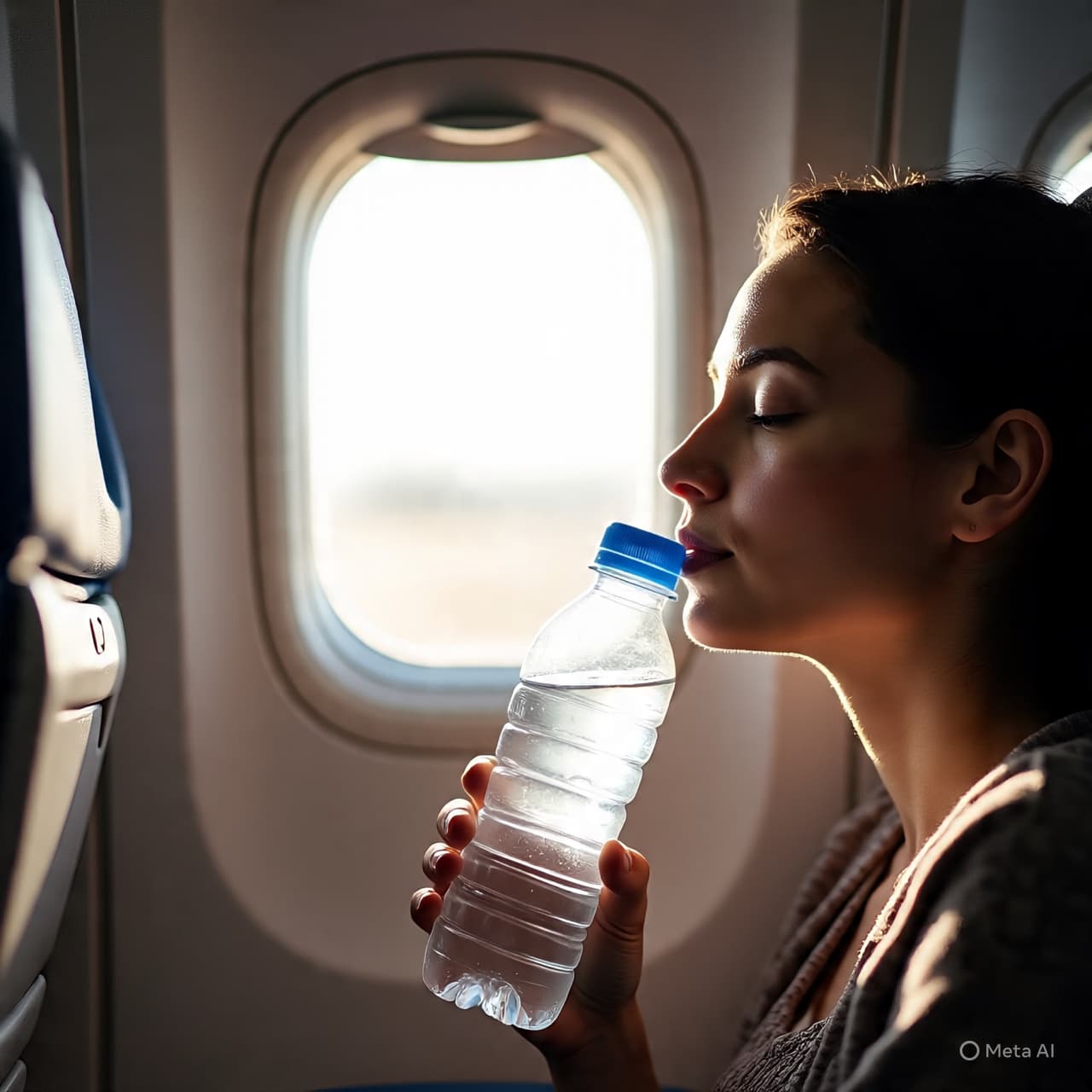
Flying stresses the body in ways we often ignore. Hydration, hygiene, and movement remain your best in-flight medicine.