
Key Highlights
- Condition:A woman suffered from hemifacial spasm for two years.
- Diagnosis:Multiple doctors failed to identify the cause until a neurosurgeon discovered a compressing artery.
- Treatment:Microvascular decompression surgery successfully alleviated her symptoms.
[Understanding Hemifacial Spasm]
Hemifacial spasm is a neurological condition characterized by involuntary muscle contractions on one side of the face. For many, like the woman in this story, the journey to diagnosis can be long and fraught with uncertainty. Initially, she experienced subtle twitches that escalated into more pronounced spasms, leading to significant social and emotional distress. Despite consulting numerous specialists and undergoing various tests, her condition remained a mystery until a neurosurgeon recognized the underlying cause: a small artery pressing against her facial nerve.
[The Diagnostic Journey]
The woman’s experience highlights the challenges many face in obtaining a correct diagnosis. After visiting eight different doctors across multiple specialties, including ophthalmology and neurology, she underwent three brain scans and various treatments, including acupuncture and Botox. Each attempt to alleviate her symptoms ended in frustration, as the cause remained elusive. The eventual diagnosis of hemifacial spasm of indeterminate origin was a label that did little to ease her suffering. It was only when a specialist took a fresh look at her scans that the true culprit was identified, emphasizing the importance of thorough imaging and expert interpretation in medical diagnoses.
[Microvascular Decompression Surgery]
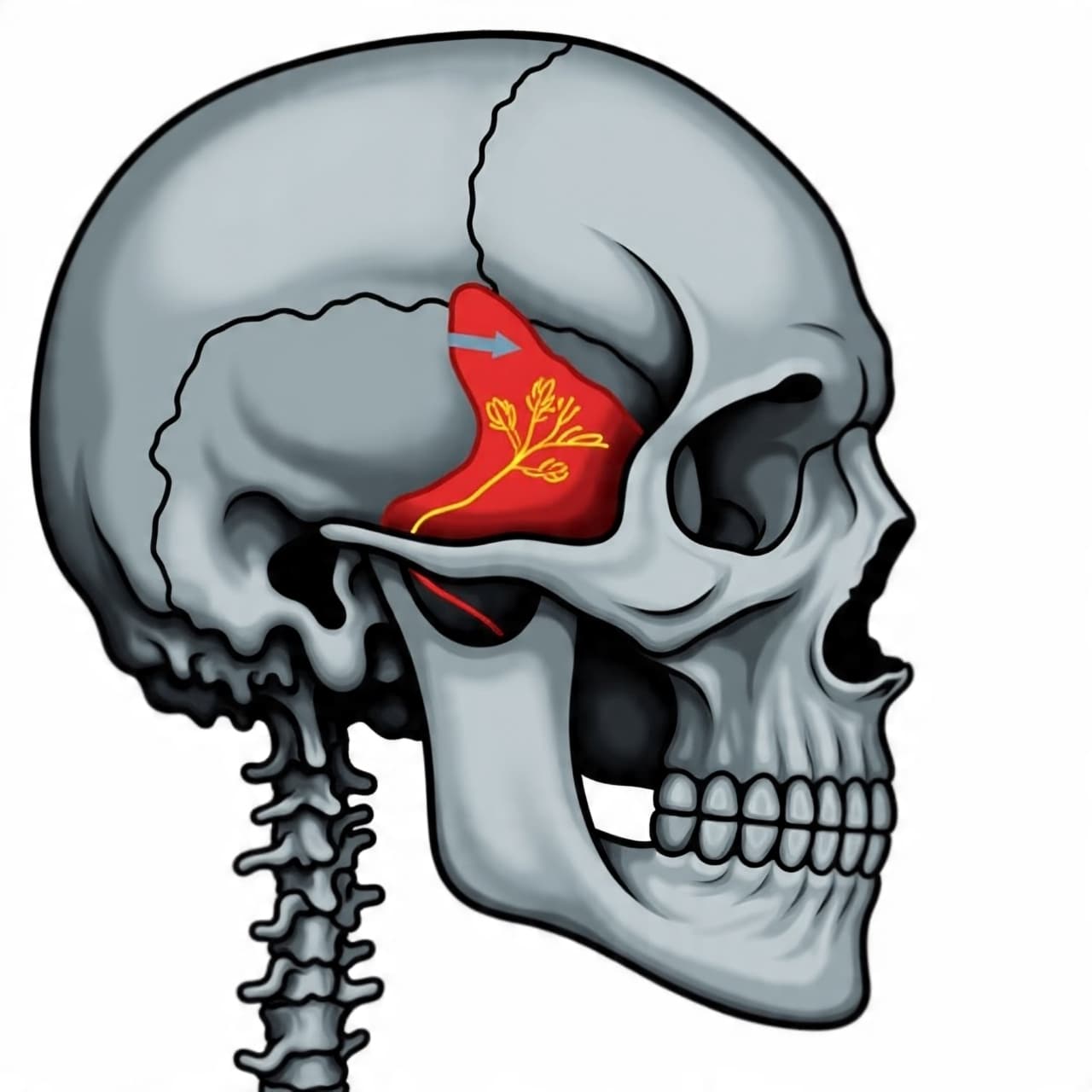
Once the cause was identified, the treatment plan shifted dramatically. Microvascular decompression surgery was proposed as a solution. This procedure involves opening the skull behind the ear to relieve pressure on the facial nerve by repositioning the offending blood vessel. The surgery is designed to prevent further nerve damage and alleviate the spasms that had disrupted her life. Upon waking from the procedure, she experienced immediate relief, marking a significant turning point in her journey.
[The Emotional Toll]
The emotional impact of living with a condition like hemifacial spasm cannot be understated. The woman’s story illustrates the fear and isolation that can accompany such neurological disorders. As her facial movements became increasingly uncontrollable, she found herself withdrawing from social interactions, a stark contrast to her previously outgoing nature. The psychological burden of feeling betrayed by her own body added another layer of complexity to her experience, making the eventual diagnosis and treatment all the more significant.
[Lessons Learned]
Her journey serves as a reminder of the importance of persistence in seeking medical answers. For those experiencing unexplained facial twitching, it is crucial to advocate for oneself and pursue further evaluations if initial assessments do not yield satisfactory results. The story also underscores the need for healthcare professionals to consider subtle anatomical details that may not be immediately apparent in scans. In her case, the discovery of a compressing artery was a simple yet profound solution to a complex problem.
[Conclusion]
Today, the woman enjoys a life free from the involuntary movements that once defined her existence. Her experience not only sheds light on the condition of hemifacial spasm but also offers hope to others facing similar challenges. It emphasizes that while the path to diagnosis and treatment can be arduous, the resolution often lies in understanding the underlying anatomical truths of the body. Her journey is a testament to resilience and the power of medical science to restore normalcy in the face of adversity.
Published by Banx Network. This article is part of the Banx decentralized media programme, powered by the BXE token on the XRP Ledger.



