
Key Highlights
- Medications can disrupt the gut microbiome, affecting health.
- Antibiotics have the strongest impact on microbial ecology.
- Public health officials advocate for understanding these effects.
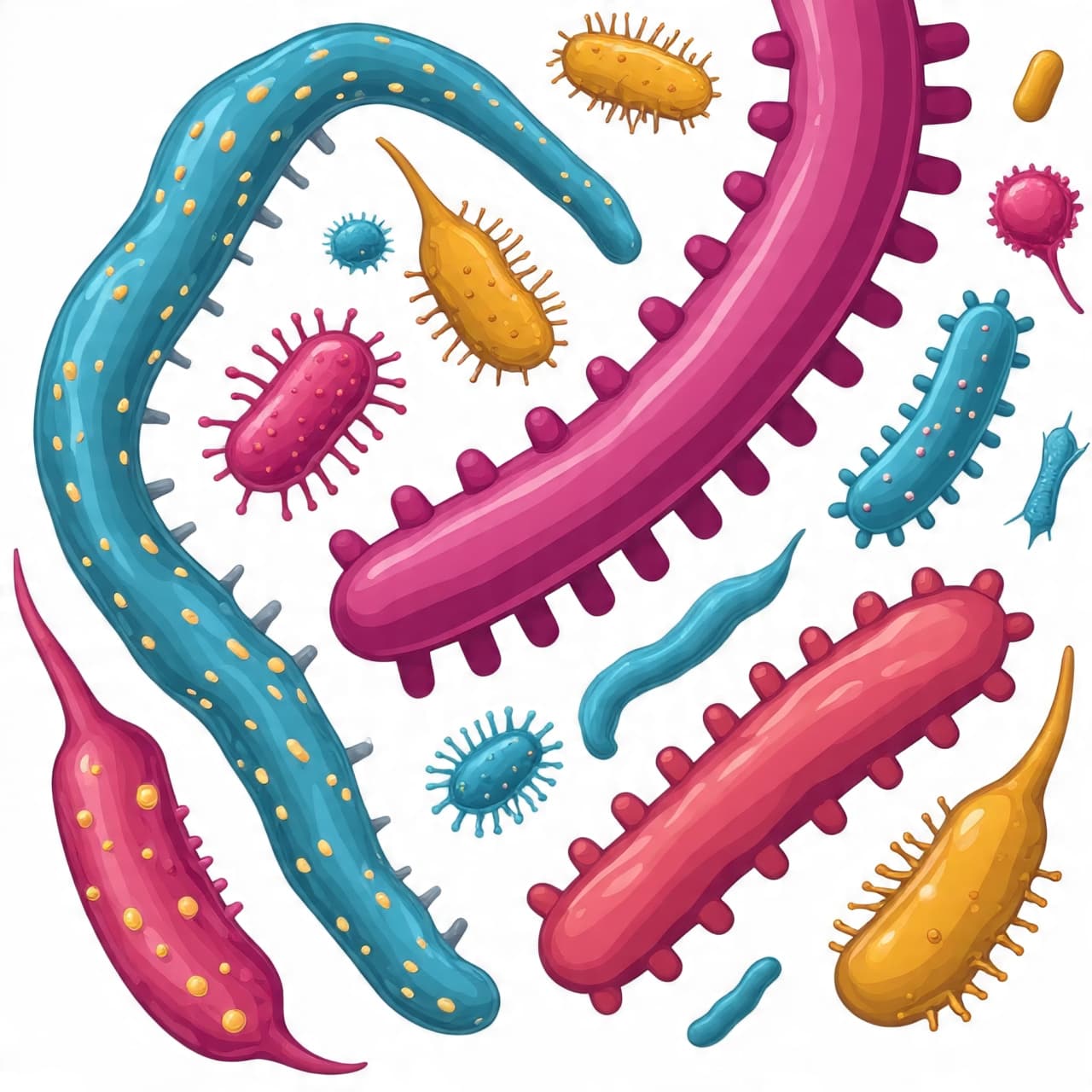
The relationship between medications and the gut microbiome is becoming increasingly important in modern medicine. Traditionally, we viewed medication as a straightforward solution: take a pill, and it targets the specific area needing treatment. However, the reality is far more complex. The gut microbiome, which consists of trillions of microorganisms residing in our digestive system, plays a crucial role in how our bodies respond to various treatments. Recent studies indicate that not only antibiotics but also several other common medication classes can significantly alter this microbial ecosystem.
Research has shown that antibiotics, while effective at eliminating harmful bacteria, also disrupt the balance of beneficial microbes in the gut. This disruption can lead to a range of health issues, from digestive problems to immune system dysfunction. However, antibiotics are not the only culprits. Medications such as acid reflux drugs, antipsychotics, metformin for diabetes, laxatives, oral steroids, and hormonal treatments have all been linked to changes in gut microbiota. These findings underscore the importance of understanding the broader implications of medication use on our health.
The challenge lies in communicating these complexities to the public. While these medications are essential for treating various health conditions and can save lives, their impact on the gut microbiome cannot be overlooked. The gut is not merely a digestive organ; it is intricately connected to our immune system, inflammation responses, and even mood regulation. Therefore, alterations in microbial composition can have far-reaching consequences for overall health.
Public health officials are increasingly advocating for a balanced perspective. They emphasize that patients should not abandon necessary treatments or resort to self-prescribing supplements as a means of counteracting potential side effects. Instead, the focus should be on integrating knowledge of the microbiome into medical practice. This shift signifies a new era in medicine, where the effects of medications on the microbiome are considered integral to patient care rather than a mere afterthought.
As research continues to evolve, it is crucial for healthcare providers and patients alike to remain informed about the implications of medications on gut health. Understanding this relationship can lead to more effective treatment strategies and improved health outcomes. The dialogue surrounding the gut microbiome and its interaction with medications is just beginning, and it promises to reshape how we approach health and wellness in the future.
Published by Banx Network. This article is part of the Banx decentralized media programme, powered by the BXE token on the XRP Ledger.



